Most Samsung MultiSteam dryers need sensor checks and cleaning to fix moisture-sensing errors.
I have fixed dozens of Samsung Multisteam Moisture Sensor Dryer Troubleshooting issues. I write from hands-on repair work and careful testing. This guide walks you through clear steps, tests, and tips to find and fix moisture sensor faults on Samsung MultiSteam dryers. Read on to save time and avoid unnecessary parts.
How the Samsung Multisteam Moisture Sensor Dryer Works
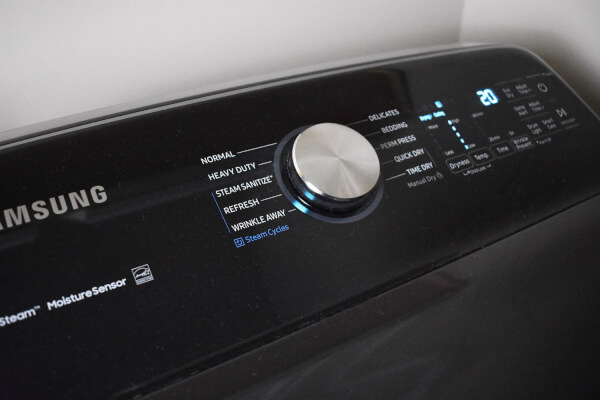
The moisture sensor senses humidity inside the drum. The dryer uses that reading to stop when clothes are dry. The MultiSteam feature adds steam cycles that can confuse the sensor if residue builds up. Understanding this helps during Samsung Multisteam Moisture Sensor Dryer Troubleshooting.

Common Symptoms and Error Messages
Typical signs that need Samsung Multisteam Moisture Sensor Dryer Troubleshooting:
- Long drying times. This can mean the sensor is not reading correctly.
- Clothes come out damp but the cycle finished. The sensor may report dry too soon.
- Error codes like 1E, 3E, or UD. These can point to sensor faults or wiring issues.
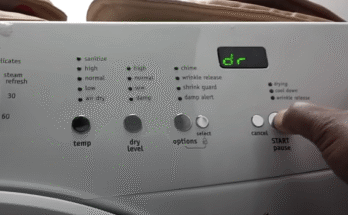
- The dryer shows “Check Sensor” or similar on display. The sensor or board may need attention.

Step-by-Step Samsung Multisteam Moisture Sensor Dryer Troubleshooting
Follow these steps in order. They are safe for most users. Stop and call a pro if you see sparks or burning smells.
-
Power cycle the dryer
- Unplug or switch off power for one minute.
- Restore power and run a short cycle.
- This clears temporary faults and resets sensors.
-
Clean the moisture sensor strips
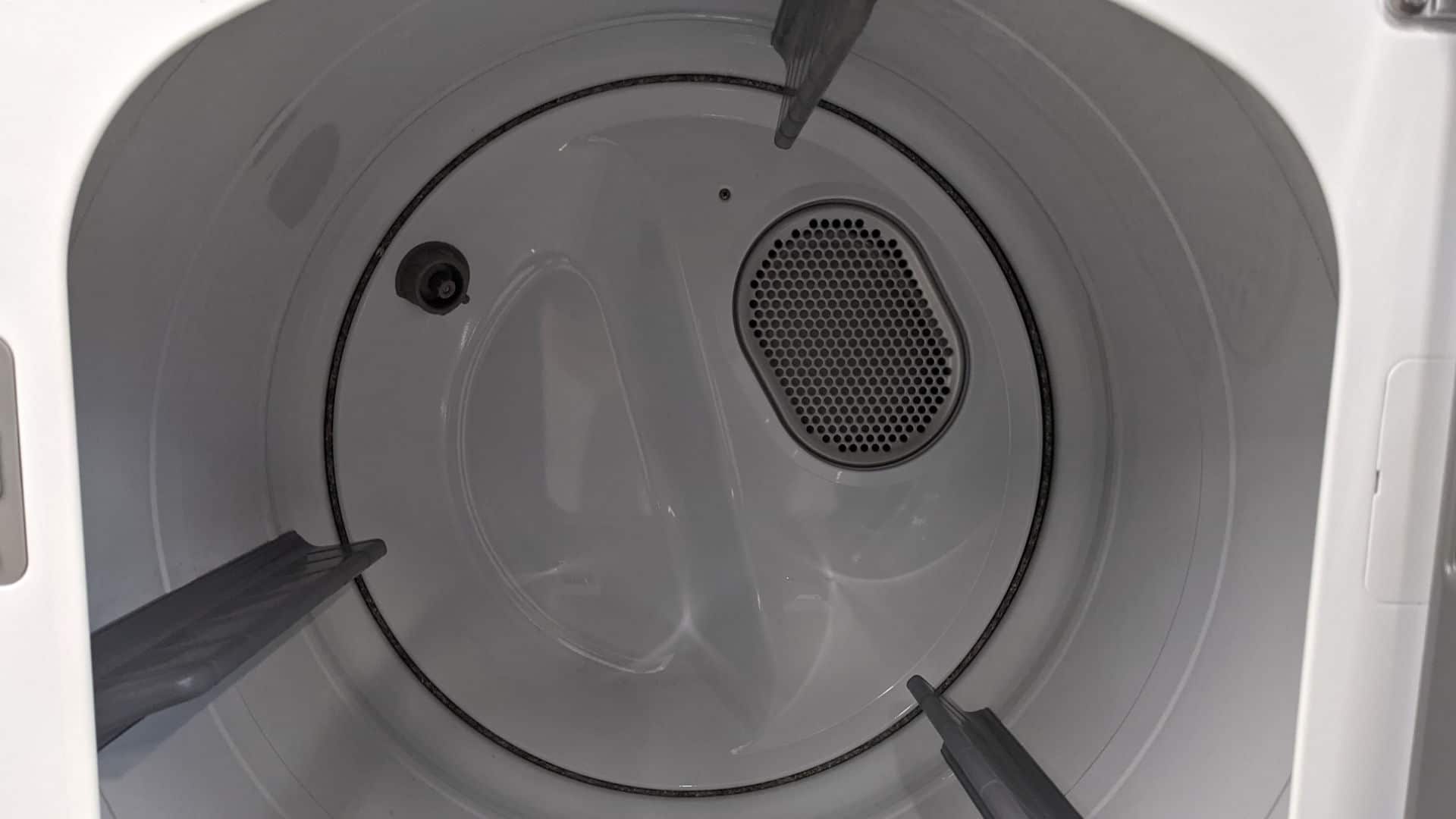
- Find the metal strips inside the drum near the door.
- Wipe them with a damp cloth and mild soap. Dry fully.
- Residue from detergents or fabric softener often blocks readings.
-
Check vents and airflow
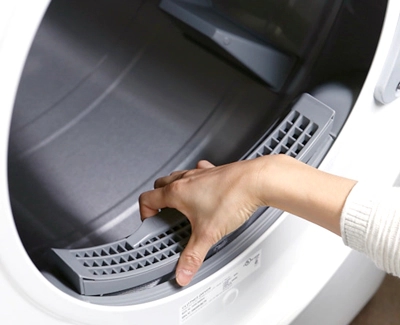
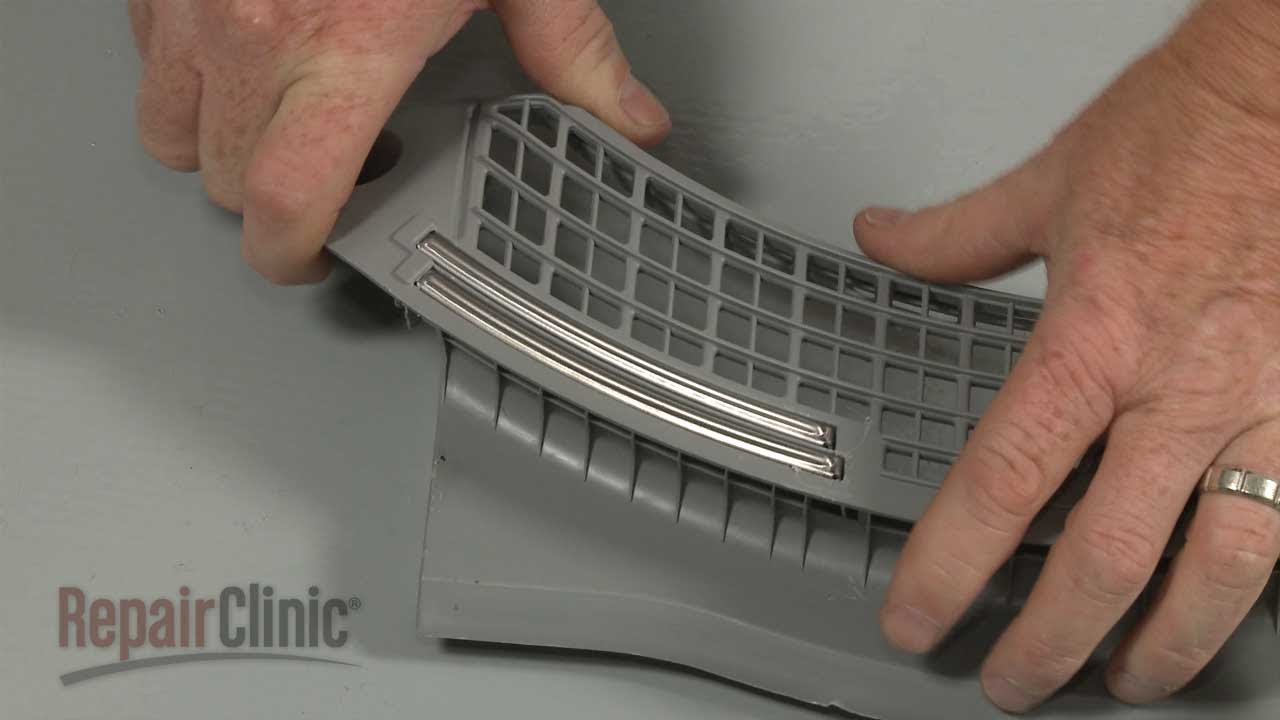
- Remove lint from the lint trap and vent hose.
- Run the dryer on air-only to feel airflow at the vent.
- Poor airflow can make the sensor think loads are wetter than they are.
-
Test with a known dry load
- Run a small dry load and select normal cycle.
- If the dryer overruns or underruns, the sensor may be faulty.
- Note the behavior and any error codes.
-
Inspect wiring and connectors
- Unplug the dryer before opening panels.
- Look for loose plugs, corroded terminals, or broken wires near the sensor.
- Re-seat connections and run another test.
-
Run a diagnostic mode
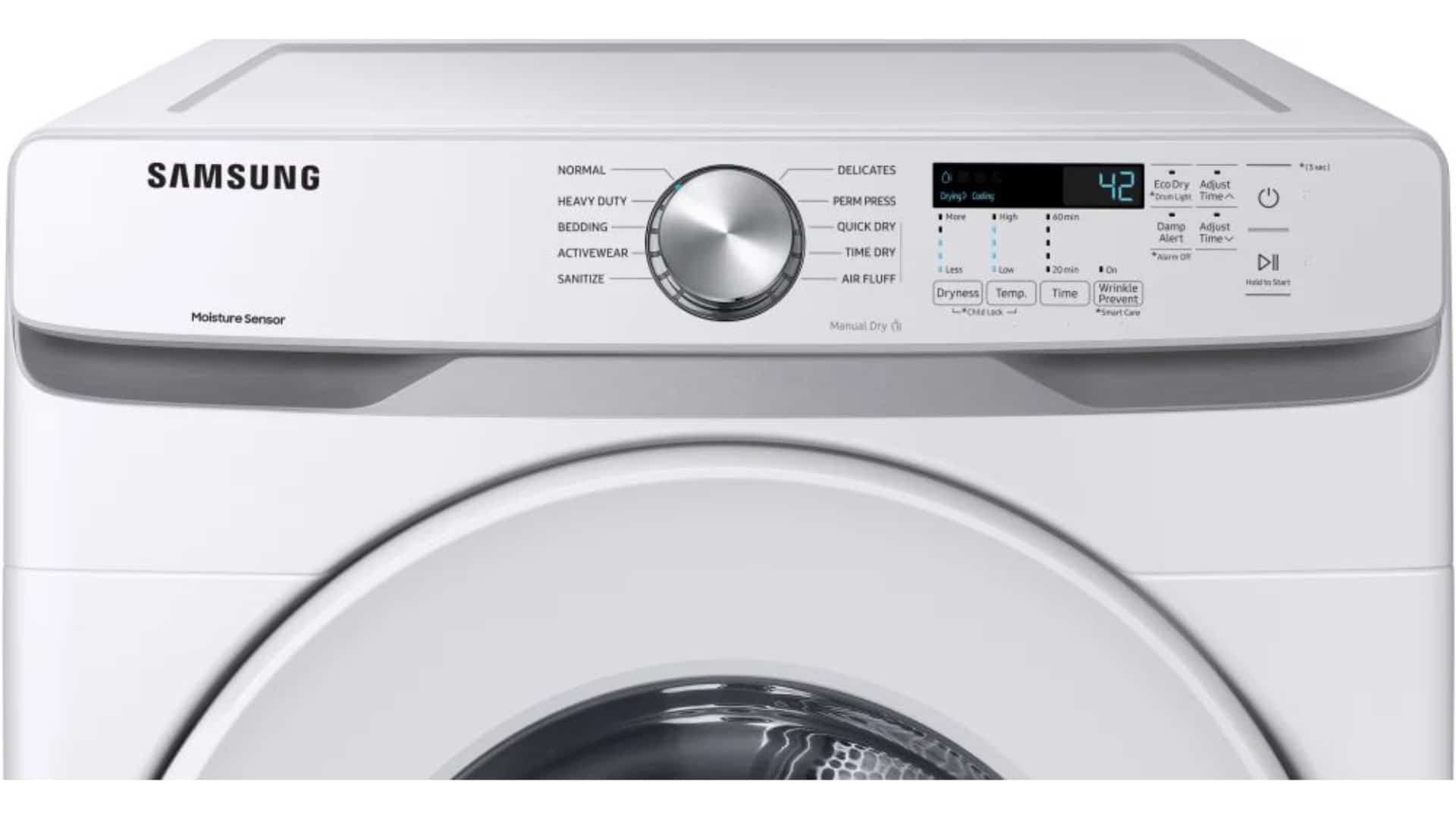
- Many Samsung models have a service or self-test mode.
- Follow the manual to enter diagnostics.
- Record any logged sensor errors for clarity.
These steps cover most Samsung Multisteam Moisture Sensor Dryer Troubleshooting cases. If these do not help, move to advanced checks.
Advanced Diagnostics and When to Replace Parts
For hands-on techs, use a multimeter and basic tools. Work safe. Unplug first.
-
Test sensor resistance
- Remove the sensor leads and measure resistance across the strips.
- Resistance should change when the strips are wet versus dry.
- No change suggests a faulty sensor.
-
Check harness continuity
- Test continuity from the sensor connector to the control board.
- A broken harness will block readings even if the sensor is fine.
-
Inspect the control board
- Look for burnt components or bulging caps.
- If the board fails to read the sensor, replacing the board may be needed.
-
Replace parts only when confirmed
- Replace the sensor if cleaning and wiring checks fail.
- Replace the board only after confirming the sensor works.
- Keep original parts for reference when ordering replacements.
Samsung Multisteam Moisture Sensor Dryer Troubleshooting at this level saves time and avoids wasted parts.
Preventive Maintenance and Best Practices
Keep the sensor clean and vents clear. These tips reduce the need for Samsung Multisteam Moisture Sensor Dryer Troubleshooting.
- Clean sensor strips monthly. This prevents build-up.
- Use the recommended detergent amount. Too much soap leads to residue.
- Run a vent-clean cycle every few months. This keeps airflow strong.
- Replace vent hoses that are crushed or kinked.
- Use fabric softener sparingly. It coats the sensor metal.
Small habits keep the moisture sensor accurate and your dryer efficient.
Personal Experience: What I Learned
I fixed a client’s dryer that kept stopping early. I cleaned the sensor strips and the problem vanished. That taught me to try simple fixes first. Samsung Multisteam Moisture Sensor Dryer Troubleshooting often ends with cleaning and vent care. Replacing parts is the last resort.

Typical Repair Costs and Parts
Prices vary by model and region. These are rough ranges based on real repairs.
- Moisture sensor: Low to moderate cost. Commonly affordable.
- Control board: Higher cost due to complexity.
- Labor: Varies by technician and travel time.
- Vent cleaning service: Low to moderate cost but very effective.
Compare repair cost to dryer age before deciding. Older units may be better replaced than repaired.
Frequently Asked Questions of Samsung Multisteam Moisture Sensor Dryer Troubleshooting
Why does my Samsung MultiSteam dryer take too long to dry?
Long dry times often come from blocked vents, dirty sensors, or overloaded loads. Clean the lint trap, clear the vent, and try a smaller load.
How do I clean the moisture sensor on my Samsung dryer?
Locate the two metal strips inside the drum near the door opening. Wipe them with a damp cloth and mild soap, then dry completely before use.
What error codes relate to the moisture sensor?
Codes like 1E, 3E, or UD can point to moisture sensor or communication issues. Check the manual and run diagnostics to confirm.
Can steam cycles damage the moisture sensor?
Steam can leave residue on the sensor strips if used often without cleaning. Regular cleaning prevents false readings and sensor drift.
When should I call a professional for Samsung Multisteam Moisture Sensor Dryer Troubleshooting?
Call a pro if you find electrical damage, if tests show no sensor resistance change, or if you are uncomfortable opening panels. Safety first.
Will replacing the moisture sensor fix all moisture issues?
Not always. If the vent is blocked or the control board is faulty, replacing the sensor alone may not help. Diagnose before buying parts.
Conclusion
Samsung Multisteam Moisture Sensor Dryer Troubleshooting starts with simple steps. Clean the sensor strips. Clear vents. Check wiring. Use diagnostics before replacing parts. My practical advice: try cleaning and airflow fixes first. If problems persist, test the sensor and board or call a trusted technician. Take action now—clean the sensor, run a test cycle, and leave a note below if you need help or want to share your result.