Yes, red light therapy face masks can be worth buying when used often and chosen with care.
Are red light therapy face masks worth buying? The answer depends on your skin goals, budget, and patience. These devices may soften fine lines, calm mild redness, and support smoother skin, but they are not magic tools. After reviewing the research, safety guidance, and real-world use of at-home LED devices, I find that the best masks offer modest results with steady use. The wrong mask, however, can waste money or irritate sensitive skin.
What is red light therapy?
Red light therapy uses low-level light to affect skin cells. Most face masks use red light, near-infrared light, or both. Red light often targets the upper layers of the skin, while near-infrared light may reach deeper tissue.
The light does not tan the skin. It also does not use the same UV rays linked to sun damage. Instead, red and near-infrared wavelengths may help skin cells make more energy. This process may support collagen production, repair, and inflammation control.
Most home masks use light-emitting diodes, also called LEDs. They do not heat the skin in the same way as a laser. Their effect is gentle, so results usually appear slowly.
Clinical devices often use red light near 630 to 660 nanometers. Near-infrared light commonly falls near 810 to 850 nanometers. A mask may list these numbers on its box or product page.
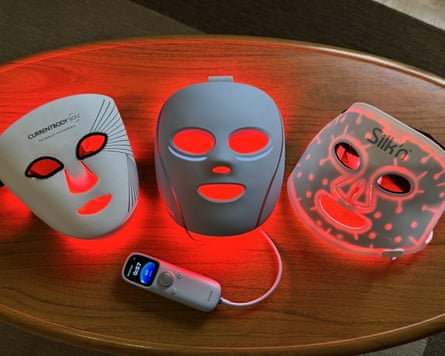
Are red light therapy face masks worth buying for skin care?
For some people, yes. Are red light therapy face masks worth buying if you want small, gradual changes in skin texture, fine lines, or redness? They may be a sensible addition to a basic skin routine.
Research on red light therapy suggests possible benefits such as:
• A smoother look in fine lines
• Better skin texture
• Less mild redness and irritation
• Support for collagen and elastin activity
• Faster recovery from some minor skin concerns
• A brighter, more even appearance
The word “support” matters here. A face mask cannot replace sunscreen, a retinoid, a healthy skin barrier, or professional care. Think of it as watering a plant. It may help the plant grow, but it cannot fix poor soil, no sunlight, or disease.
The strongest case is often for people who want a gentle option. Red light therapy usually causes less peeling and downtime than stronger treatments. It may suit someone who cannot tolerate frequent acids or retinoids.
Still, results vary. Age, skin type, light dose, mask fit, and regular use all affect the outcome. Some users notice a glow within weeks, while others see little change.
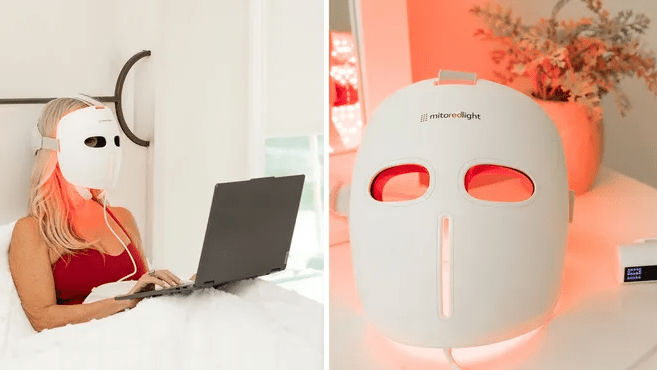
What benefits can red light therapy face masks provide?
Fine lines and collagen support
Red light may encourage activity in fibroblasts. These are skin cells that help produce collagen. Collagen gives skin strength and structure.
Small clinical studies have reported improvements in fine lines and skin firmness after repeated LED treatments. The changes are usually subtle. A mask will not erase deep wrinkles or create the same result as a facelift.
For best results, pair red light with daily broad-spectrum sunscreen. Sun exposure breaks down collagen and can cancel out much of your effort.
Redness and inflammation
Red light may help calm some forms of inflammation. This can make the skin look less flushed or stressed. It may also support the skin barrier after mild irritation.
This benefit does not apply to every skin condition. Persistent facial redness may come from rosacea, eczema, allergies, or another medical issue. A dermatologist can help identify the cause.
Acne support
Some LED masks include blue light. Blue light may target acne-related bacteria on the skin. Red light may help reduce inflammation.
A red and blue light mask may help mild inflammatory acne. It is less likely to help blackheads, deep cysts, or acne caused by hormones alone. Severe or painful acne needs medical treatment.
General skin appearance
Many users report a temporary glow after treatment. This may come from changes in circulation and mild skin swelling. Over time, regular use may improve the overall look of the skin.
These results are not guaranteed. Good sleep, moisturizer, gentle cleansing, and sunscreen often make a larger difference than any single device.

What are the limits of red light therapy face masks?
A common mistake is expecting fast, dramatic results. Are red light therapy face masks worth buying if you want major wrinkle removal or instant lifting? Usually, no. Home masks have limited power compared with professional systems.
Most results require regular sessions for several weeks. A typical schedule may involve treatment three to five times per week. Some masks call for daily use, but more is not always better.
Common limits include:
• Results may be mild
• Treatment takes time and routine
• Some masks fit poorly
• Light output may be unclear
• Battery charging can become annoying
• The mask may feel heavy or warm
• Results may fade when use stops
• Poor-quality products may make weak claims
Your skin may also respond differently from the skin shown in product photos. Marketing images often use bright lighting, makeup, filters, or professional treatments.
One lesson I have seen again and again when assessing home skin devices is simple: convenience matters more than excitement. A powerful mask that sits in a drawer is less useful than a modest mask you can use safely and often.

How to choose the best red light therapy face mask
Check the wavelength
Look for clear wavelength information. A reputable product should state the red light and near-infrared ranges. Be cautious when a brand only says “medical-grade light” without technical details.
A red light range near 630 to 660 nanometers is common for facial use. Near-infrared light near 810 to 850 nanometers may be included for deeper tissue exposure.
Look for irradiance and dose
Irradiance shows how much light reaches the skin. It is often measured in milliwatts per square centimeter, or mW/cm². Dose depends on both irradiance and time.
For example, a device that delivers 20 mW/cm² for 10 minutes provides about 12 joules per square centimeter. The math is:
- Convert 10 minutes to 600 seconds.
- Multiply 20 mW/cm² by 600 seconds.
- Convert millijoules to joules.
Many brands do not share this information clearly. That makes it hard to compare products. A company that provides wavelength, irradiance, treatment time, and safety data earns more trust.
Consider fit and comfort
A mask should sit close to the face without pressing hard on the nose or cheeks. It should allow you to breathe and move safely.
Useful features may include:
• Adjustable straps
• A clear timer
• Comfortable eye protection
• A light design
• Easy cleaning
• A reliable warranty
• A return window
Comfort is not a minor detail. If the mask hurts, slips, or feels stressful, you will use it less.
Review the safety record
FDA clearance can show that a device has met certain requirements for a specific use. It does not mean the device will produce perfect results. It also does not mean every claim in an advertisement is proven.
Look for clear instructions and warnings. Avoid brands that promise to remove wrinkles, cure acne, or replace medical treatment.

How to use a red light therapy face mask safely
Start with clean, dry skin. Remove makeup, sunscreen, and products that may block the light. Follow the exact treatment time listed in the instructions.
Use the mask consistently, but do not extend sessions to chase faster results. More light can increase irritation without improving the outcome.
A simple routine looks like this:
- Cleanse your face gently.
- Dry the skin fully.
- Put on the mask as directed.
- Use the mask for the stated time.
- Apply a plain moisturizer afterward.
- Use sunscreen during the day.
Protect your eyes if the manufacturer advises it. Some masks have built-in shields, but these may not fit every face. Never stare into bright LEDs for long periods.
Stop using the device if you develop lasting redness, swelling, pain, blistering, or vision changes. Contact a medical professional if symptoms continue.
Take a photo before starting. Use the same lighting and angle every few weeks. This gives you a fairer way to judge change than checking the mirror each day.
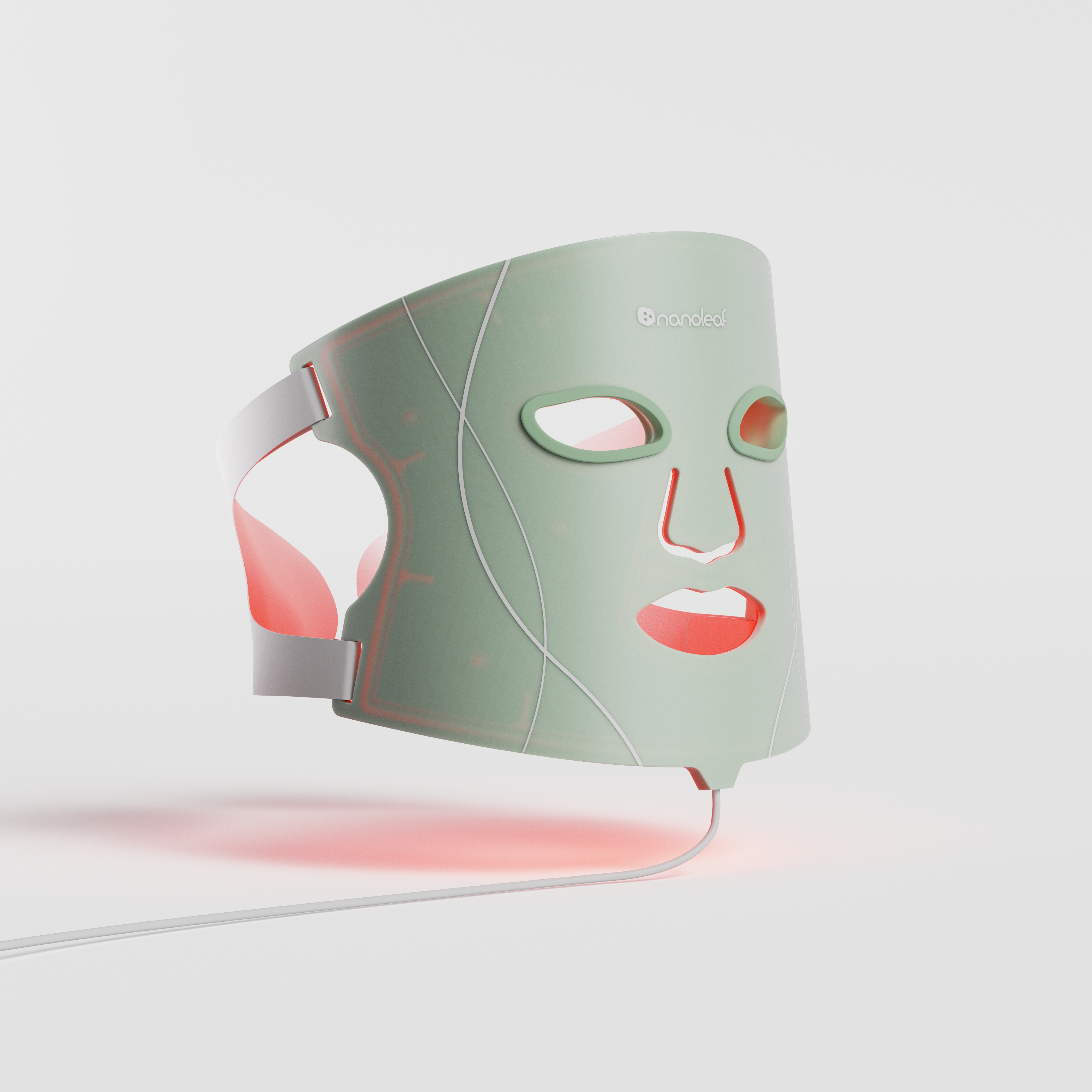
Who should avoid red light therapy face masks?
Red light therapy is often well tolerated, but it is not right for everyone. Speak with a health professional before use if you take medicines that increase light sensitivity.
These may include some antibiotics, acne medicines, diuretics, and other prescription drugs. Isotretinoin and certain topical treatments may also require special advice.
Ask a dermatologist before using a mask if you have:
• A light-sensitive medical condition
• Active skin cancer or a history of skin cancer
• Severe rosacea or eczema
• Eye disease or unusual light sensitivity
• Open wounds or a skin infection
• A condition treated with photosensitizing medicine
• A history of abnormal reactions to light
People with darker skin tones may also want professional advice if they have a history of hyperpigmentation. Red light itself is not UV light, but any irritation can leave dark marks in some skin types.
Pregnant people should ask their health care provider before using a device. Research on cosmetic LED masks during pregnancy is limited.
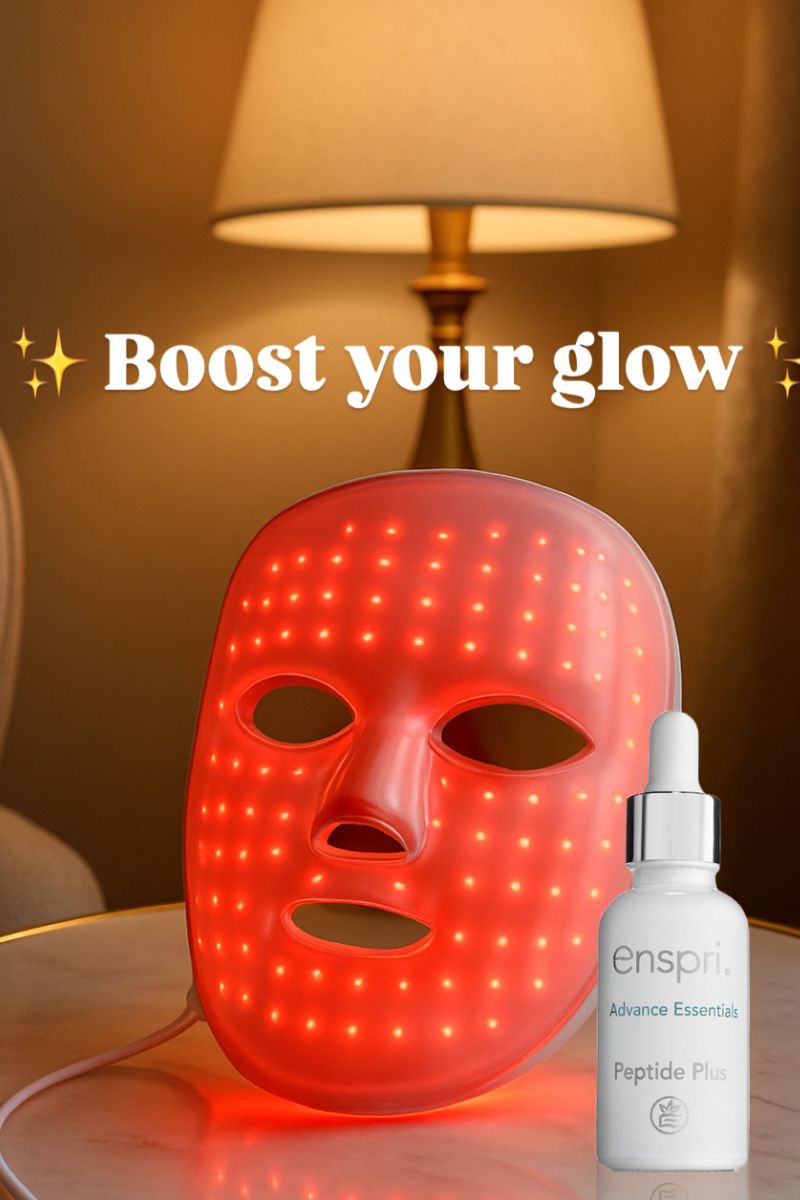
Red light therapy face masks versus other treatments
Red light therapy is gentler than many in-office treatments. It usually has little downtime. However, gentle also means that changes may be slower and smaller.
Retinoids have stronger evidence for acne, fine lines, and collagen support. They can also cause dryness, peeling, and irritation. Chemical peels and lasers may create more visible results, but they cost more and carry more risk.
Professional LED treatments may provide stronger or more even light exposure. They also allow trained staff to choose settings and monitor your skin. Home masks offer privacy and convenience.
Are red light therapy face masks worth buying instead of professional treatment? For many people, they work best as a lower-cost support tool, not a full replacement. If you have a specific skin problem, medical advice is usually a better first step.
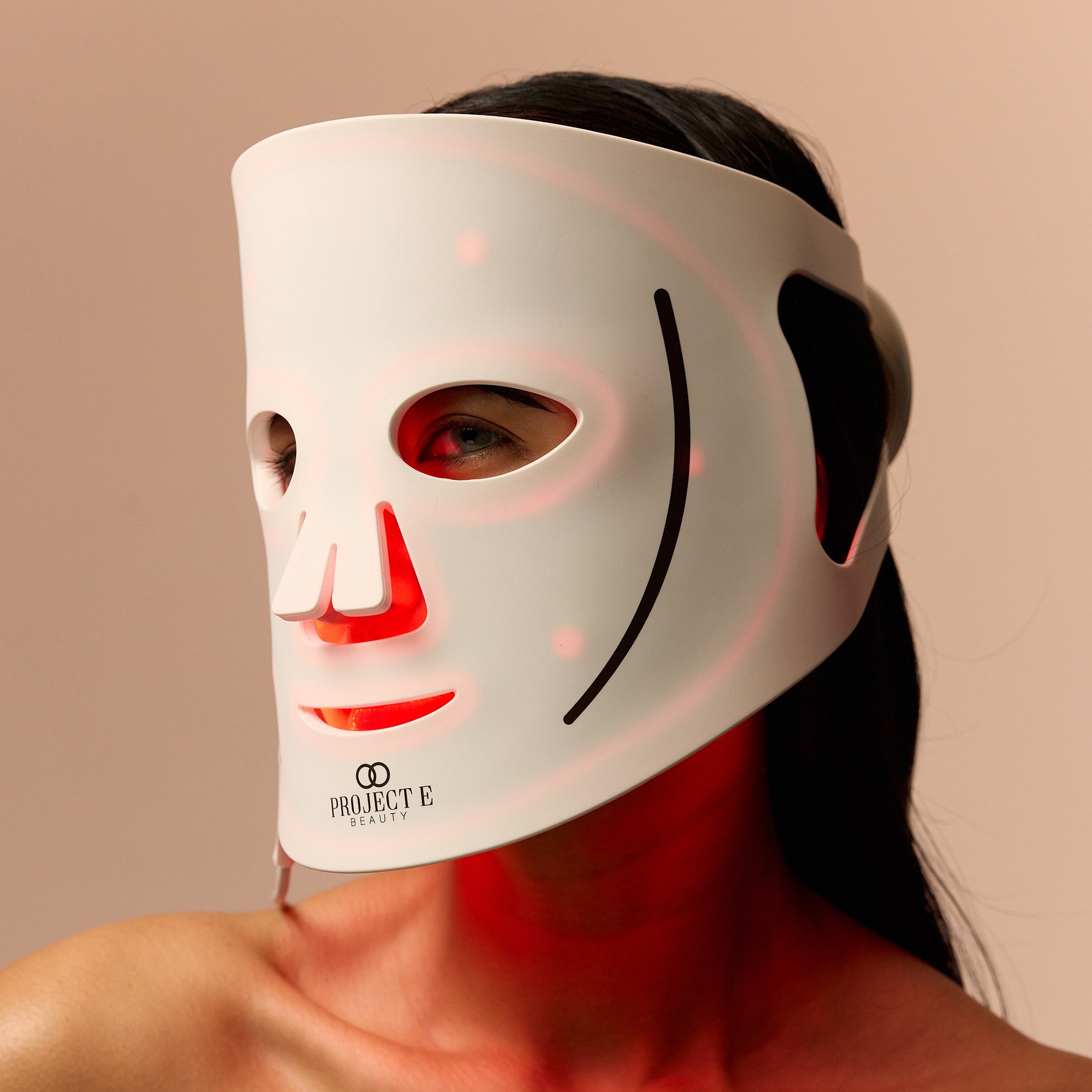
Common buying mistakes to avoid
The biggest mistake is choosing a mask based only on appearance or influencer reviews. A sleek design does not prove that the device delivers a useful dose.
Avoid these warning signs:
• No wavelength information
• No treatment time or usage guide
• Claims to cure every skin concern
• No eye safety instructions
• No warranty or customer support
• Pressure to buy through fear or countdown deals
• Before-and-after photos without consistent conditions
Another mistake is using the mask over strong products. Some ingredients can irritate the skin when combined with heat, light, or long sessions. Read the product instructions and keep your routine simple at first.
Do not buy a mask if the price would create financial stress. A basic routine with cleanser, moisturizer, and sunscreen may offer more value for many people.

Are red light therapy face masks worth buying? A practical value test
Ask what result you want. If your goal is mild fine-line improvement or a calmer glow, a mask may be worth trying. If you want deep wrinkle removal, acne treatment, or a medical diagnosis, it may disappoint you.
Use this quick test:
• Can you use it three to five times each week?
• Does it list its wavelengths and dose details?
• Does it have clear eye and skin safety guidance?
• Can you return it if your skin reacts?
• Is the cost reasonable for your budget?
• Are your expectations modest and realistic?
If you answer yes to most questions, the purchase may make sense. If not, spend the money on sunscreen, a dermatologist visit, or proven skin care first.
The best way to judge value is to set a time limit. Use the mask as directed for eight to twelve weeks. Track comfort, skin changes, and how often you actually use it. Then decide based on your own results, not online hype.
Frequently Asked Questions About Are red light therapy face masks worth buying?
Are red light therapy face masks worth buying for wrinkles?
They may help reduce the look of mild fine lines and improve skin texture over time. Results are usually modest and require consistent use, sunscreen, and realistic expectations.
How long does it take to see results from a red light therapy face mask?
Many users need several weeks of regular treatment before noticing a change. Take photos every two to four weeks because daily mirror checks can make small improvements hard to see.
Can red light therapy face masks damage skin?
They are generally considered low risk when used as directed, but irritation, dryness, heat, and eye discomfort can occur. Stop use if you develop pain, swelling, burns, or lasting redness.
Can I use a red light therapy face mask every day?
Some products allow daily use, while others recommend fewer sessions. Follow the device instructions rather than assuming more treatment will create faster results.
Do red light therapy face masks help acne?
Masks with blue light may help mild inflammatory acne, while red light may calm inflammation. They are not a complete treatment for deep, cystic, or severe acne.
Should I apply skin care before or after red light therapy?
Use the mask on clean, dry skin unless the manufacturer gives different instructions. Apply a gentle moisturizer afterward, and use sunscreen in the morning.
Who should not use a red light therapy face mask?
People who take photosensitizing medicines or have light-sensitive conditions should ask a health professional first. Extra caution is also wise with eye disease, active skin problems, and pregnancy.
Conclusion
Are red light therapy face masks worth buying? They can be, especially if you want a gentle home treatment for mild fine lines, uneven texture, redness, or general skin support. The results are not instant, and they will not match every professional treatment.
Choose a device with clear wavelength and dose information, strong safety guidance, a good return policy, and a comfortable fit. Use it consistently, protect your skin from the sun, and stop if irritation develops. Compare the cost with proven basics before you buy.
A smart purchase starts with clear goals, not bold promises. Review the device details, track your results, and share your experience or questions in the comments.