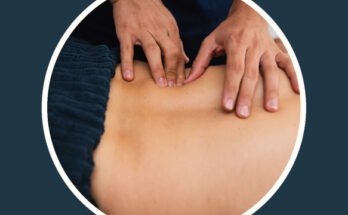
Anyone who has struggled with back pain or muscle tension knows how much relief a good massage can bring. But not everyone has time or money for regular appointments with a professional. That’s where a back massager comes in—a simple tool that can make a big difference in daily comfort. Whether you sit at a desk for hours, do heavy lifting, or simply feel stressed, learning how to use a back massager safely and effectively can help you feel better at home. This guide explains everything you need to know to get started, from picking the right device to using it properly for the best results.
Understanding Back Massagers
Back massagers come in many shapes and sizes, each designed to target different needs. The main goal of any back massager is to relax muscles, improve blood flow, and reduce pain or stiffness. Some use vibrations, some knead like hands, and others use heat or even water pressure.
Main Types Of Back Massagers
Here’s a quick look at the most common types:
| Type | Main Feature | Best For |
|---|---|---|
| Handheld Massager | Portable, targeted relief | Spot treatment, travel |
| Shiatsu Massager | Rotating nodes mimic hands | Deep tissue, shoulders, full back |
| Massage Cushion | Fits on chairs, covers back area | Office/home use, sitting positions |
| Massage Chair | Full-body, multiple settings | Home luxury, chronic pain |
| Massage Gun | High-frequency pulses | Sports recovery, knots |
Choosing the right type depends on your lifestyle, pain level, and budget. For example, a massage gun can quickly target knots after a workout, while a massage cushion is great for relaxing during long work sessions.
How Back Massagers Work
Most back massagers use either vibration, kneading, or percussive motions to ease muscle tension. Some add heat therapy to improve blood flow, which can help muscles relax even more. Devices like Shiatsu massagers have rotating balls that move in circles, mimicking the hands of a professional. Vibration models shake the muscles gently, which is better for sensitive areas or mild tension.
The idea is simple: by moving or pressing on the muscles, these devices help push out waste products, bring in fresh blood, and reduce the feeling of pain. According to the American Massage Therapy Association, regular massage can decrease back pain and improve flexibility for many users. However, the right use technique is as important as the device itself.
Preparing To Use A Back Massager
Before you start, it’s important to set up your space and understand any health concerns.
1. Choose A Comfortable Space
Find a place where you can sit or lie down comfortably. For bigger devices like massage cushions or chairs, make sure your seat is stable and safe.
2. Read The Instructions
Every device is a bit different. Spend a few minutes reading the manual, especially about settings and safety.
3. Dress Correctly
Wear loose, thin clothes or use the device directly on the skin if recommended. Thick clothes can block the massage effect.
4. Check For Warnings
If you have any medical conditions—like recent surgery, heart problems, or pregnancy—ask your doctor before using a back massager.
Non-obvious tip: Always check for tangled cords or loose parts before plugging in any electric massager. A small tear or worn cable can be a fire risk.
Step-by-step Guide: How To Use A Back Massager Safely
Using a back massager seems easy, but following the right steps makes a big difference in your results.
1. Start With The Right Settings
Begin on the lowest speed or intensity. Even if you want deep relief, starting gently helps your body adjust and reduces the risk of soreness. After a minute or two, increase the intensity if needed.
2. Target The Right Areas
Focus on muscles—not bones or joints. The most common spots are:
- Lower back (lumbar area)
- Between the shoulder blades
- Upper back and neck
Move the device slowly over these areas, spending about 1–2 minutes on each spot. If you find a knot or tight area, pause and let the massager work gently for 30–60 seconds.
3. Use Proper Motion
For handheld or gun-style massagers, use small circular or up-and-down motions. Do not press too hard—let the device do the work. For cushions or chairs, sit back and relax while the device moves.
4. Limit Session Time
Most experts recommend 15–20 minutes per session, 2–3 times per day at most. Overuse can lead to bruising or muscle fatigue.
5. Add Heat Carefully
If your device has a heat function, try it for added relaxation. However, never use heat on swollen or injured areas. Always check the skin regularly to avoid burns.
6. Finish With Gentle Stretches
After using a back massager, gentle stretching can help maintain flexibility and reduce the chance of soreness.
Non-obvious tip: If you’re new to back massagers, write down how you feel before and after each session. This helps you track what settings work best for your body.

Comparing Popular Back Massager Features
It’s easy to get overwhelmed by different brands and models. Here’s a quick comparison of popular features you’ll find:
| Feature | Why It Matters | When to Choose |
|---|---|---|
| Adjustable Intensity | Helps control pressure level | If you have sensitive or sore spots |
| Heat Therapy | Boosts muscle relaxation | For chronic tension or tightness |
| Portability | Easy to use anywhere | For travel, office, or gym |
| Automatic Timer | Prevents overuse | Good for safe, hands-off use |
| Rechargeable Battery | No need for cords | For outdoor or flexible use |
When buying, focus on what matters most to you—not just the highest number of features. For example, someone with lower back pain may value heat therapy more than portability.
Common Mistakes When Using A Back Massager
Even simple devices can be misused. Avoid these mistakes to stay safe and get the best results.
1. Using On Injured Or Swollen Areas
Massaging fresh injuries can make them worse. Always let wounds or bruises heal first.
2. Applying Too Much Pressure
Pressing hard can cause bruising or nerve pain. If you feel pain, stop right away.
3. Ignoring Time Limits
Using a massager for too long can actually increase soreness. Stick to the recommended session time.
4. Skipping The Manual
Every device has unique instructions. Missing these can lead to poor results or even break the device.
5. Not Cleaning The Device
Sweat and skin oils can build up on massagers. Clean after each use, especially if you share the device.
Extra insight: Many people forget that not all back pain is muscle-related. If your pain doesn’t improve after a week or gets worse, see a doctor. Sometimes the problem is with nerves, bones, or organs, which a massager can’t fix.
Tips For Getting The Most Out Of Your Back Massager
To maximize the benefits and keep your device working well:
- Stay hydrated. Massage increases blood flow and can release toxins, so drink water before and after.
- Combine with other methods. Stretching, heat packs, or gentle yoga can boost results.
- Use regularly, but not too often. Consistent use (every other day or as needed) works better than long, rare sessions.
- Check your posture. If you need a massager every day, adjust your work or sleep habits to fix the root cause.
If you’re curious about more research on massage therapy, the Mayo Clinic offers a detailed overview at Mayo Clinic.
When Not To Use A Back Massager
While most people can use a back massager safely, there are times when it’s better to avoid them:
- During pregnancy (unless your doctor approves)
- With certain medical devices (like pacemakers)
- After recent surgeries
- On areas with skin infections or rashes
- If you have blood clotting problems
Always check with your healthcare provider if you have any doubts. Safety comes first.

Real-world Examples: How People Use Back Massagers
Many people use back massagers for different reasons:
- Office workers: To relieve tight shoulders after long hours at a desk.
- Athletes: To reduce muscle knots after intense workouts.
- Seniors: For gentle relief from chronic back stiffness.
- Drivers: With seat-mounted cushions to ease tension during long trips.
A 2026 survey found that about 43% of Americans who use massage devices do so mainly for back pain. Most reported better sleep and less daily discomfort after regular use.
Maintenance And Care
Your back massager will last longer and stay safe if you care for it properly.
- Wipe it down after each use with a damp cloth. Avoid harsh cleaners.
- Store in a dry place to prevent mold or rust, especially for electric models.
- Check cords and plugs every few weeks for signs of wear.
- Recharge batteries as directed to avoid damage.
Never use a wet device or plug in a massager with damaged wires.

Frequently Asked Questions
How Often Can I Use A Back Massager?
Most people can use a back massager once or twice a day for 15–20 minutes each session. Listen to your body; if you feel sore after use, take a break for a day.
Can I Use A Back Massager On My Neck?
Some devices are safe for the neck, but always check your device’s manual. Use the lowest setting and avoid the spine. Never use strong pressure on the front of the neck or throat.
Is It Safe To Use A Back Massager If I Have A Medical Condition?
If you have health issues like heart disease, osteoporosis, or are pregnant, talk to your doctor first. Some conditions can be made worse by vibration or pressure.
What Should I Do If I Feel Pain During Use?
Stop right away. Back massagers should not cause sharp or lasting pain. If discomfort continues, consult a healthcare provider.
How Do I Clean My Back Massager?
Unplug the device first. Wipe the surface with a soft, damp cloth. For fabric covers, check if they are machine washable. Avoid soaking electric parts or using harsh chemicals.
Using a back massager at home can be a simple, effective way to manage muscle tension and mild back pain. With the right device, careful use, and a focus on safety, you can enjoy better comfort every day. Remember, a back massager is a tool—not a cure-all. For chronic or severe pain, professional guidance is always best.