Living with sciatica can make daily life difficult. The pain often starts in your lower back and travels down one leg, making even simple tasks hard. Many people look for relief outside of medication and surgery. Using a back massager is a popular choice, but it can feel confusing at first. Will it help, or could it make things worse? If you want to use a back massager for sciatica, it’s important to know how to do it safely and effectively. With the right approach, a back massager can help ease pain, relax tight muscles, and improve your comfort. Let’s explore how you can make the most of this tool for your sciatica relief.
What Is Sciatica And Why Does It Hurt?
Sciatica is not a disease itself. It’s a term for pain that starts in the lower back and follows the path of the sciatic nerve. This nerve goes from your lower spine, through your hips and buttocks, and down each leg. The pain is usually caused by something pressing on the nerve—like a herniated disc, bone spur, or muscle spasm.
Common symptoms include:
- Sharp or shooting pain in the lower back, buttock, and leg
- Numbness or tingling in the leg or foot
- Weakness in the affected leg
The pain can range from mild to severe. It often gets worse with sitting, bending, or standing for a long time. For many people, the pain comes and goes.
Why does it hurt so much? When the sciatic nerve is irritated, it sends strong pain signals to your brain. The muscles around the nerve can become tight, adding to the discomfort. That’s why relaxing these muscles is a key part of relief.
How Can A Back Massager Help Sciatica?
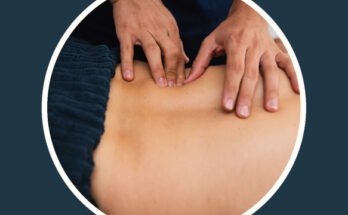
A back massager works by applying pressure and movement to your back muscles. This can bring several benefits for sciatica:
- Relaxes tight muscles: Tight muscles around the sciatic nerve can make pain worse. A massager helps loosen them.
- Improves blood flow: Better circulation means more oxygen and nutrients go to your muscles. This helps healing.
- Reduces pain signals: Gentle pressure can block some pain signals from reaching your brain.
- Eases stress: Relaxing muscles can also calm your mind, which often reduces how much pain you feel.
Important: A back massager won’t fix the cause of sciatica (like a herniated disc), but it can help you manage the symptoms. It’s a tool for relief—not a cure.
Types Of Back Massagers For Sciatica
Not all massagers are the same. Here’s a look at the most common types and how they compare for sciatica relief:
| Type of Massager | How It Works | Best For | Possible Downsides |
|---|---|---|---|
| Handheld Percussion | Delivers rapid tapping motions | Deep muscle tension | Can be too strong if used incorrectly |
| Shiatsu Massager | Kneads muscles with rotating nodes | General lower back tightness | May not reach exact pain spot |
| Massage Cushion/Pad | Vibrates or kneads while you sit/lie down | Longer sessions, easy use | Less targeted, may not be strong enough |
| Massage Chair | Full body kneading, rolling, vibration | Chronic pain, whole back relief | Expensive, not portable |
Tip: For most people with sciatica, a handheld percussion or shiatsu massager gives the best mix of power and control.
How To Use A Back Massager For Sciatica: Step-by-step
To get the most benefit—and avoid making your pain worse—use your back massager with care. Follow these steps:
1. Talk To A Healthcare Provider First
Always check with your doctor or physical therapist before starting. Some causes of sciatica (like severe disc herniation) may need special care. If your provider says it’s okay, move to the next step.
2. Choose The Right Massager
Pick a massager that lets you control the intensity and target the right area. Avoid massagers that are too strong or have no way to adjust the speed.
3. Find The Right Spot
The sciatic nerve is deep in your lower back, through the buttock, and down your leg. Don’t press directly on your spine. Instead, focus on the muscles next to your lower back, your buttock (especially the piriformis muscle), and the upper part of your leg.
Never use the massager on areas that feel numb, very painful, or have broken skin.
4. Start With Short Sessions
Begin with 5–10 minutes per session. Increase gradually as your body gets used to it. For most people, 15–20 minutes is enough.
5. Use Gentle Pressure And Movement
Let the massager do the work. Don’t press too hard. Move the massager slowly in circles or up and down along the muscles.
- For handheld massagers: Hold with a light grip, and guide it along the muscle.
- For shiatsu cushions or chairs: Sit back, relax, and let the device knead your lower back.
6. Add Heat (if Safe)
Many massagers offer a heat setting. Warmth can relax muscles further and boost blood flow. But don’t use heat if you have swelling or can’t feel temperature well (for example, due to nerve damage).
7. Stop If You Feel Pain
A little discomfort is normal, but sharp pain is not. Stop immediately if the massager makes your pain worse.
8. Stretch Gently After
Light stretching after a massage can help muscles stay loose. Try simple stretches for your lower back and legs, but avoid any move that makes your pain worse.

Common Mistakes When Using A Back Massager For Sciatica
Even though a back massager is simple to use, there are common mistakes that can reduce its benefits or even make sciatica worse.
- Using too much pressure: Pressing hard can irritate the sciatic nerve more. Always start gentle.
- Massaging the wrong area: Target the muscles, not the spine or the nerve itself.
- Ignoring pain signals: If it hurts more during or after, stop and adjust your technique.
- Overusing the massager: Too much massage can lead to sore muscles or bruising. Stick to short, regular sessions.
- Forgetting to check with your doctor: Some sciatica cases need special care or medical treatment.
Tips To Get The Most From Your Back Massager
To maximize your results, keep these practical tips in mind:
- Stay consistent: Use the massager once or twice a day, not just when pain is severe.
- Combine with other treatments: Massagers work best with stretching, exercise, and good posture.
- Keep a pain diary: Write down when you use the massager and how you feel. This helps spot patterns and track progress.
- Adjust as needed: Change the speed, pressure, or location if you feel discomfort.
- Clean your device: Wipe the massager after each use to avoid skin irritation.
When Not To Use A Back Massager For Sciatica
Sometimes, it’s not safe to use a back massager. Avoid using it if you have:
- Severe or sudden pain
- Loss of feeling or movement in your leg
- Open wounds or skin infections in the area
- Serious medical conditions (like blood clots, cancer, or osteoporosis) unless your doctor says it’s okay
If your symptoms get worse, or if you develop new symptoms like fever, weakness, or bladder problems, stop using the massager and seek medical help immediately.
Comparing Back Massager Features For Sciatica Relief
Not sure which back massager to pick? Here’s a quick comparison of popular features:
| Feature | Why It Matters | Best Choice for Sciatica |
|---|---|---|
| Adjustable Intensity | Lets you choose gentle or strong pressure | Essential |
| Heat Function | Relaxes muscles, improves circulation | Helpful (if safe for you) |
| Portability | Use anywhere at home or work | Handheld or cushion type |
| Automatic Timer | Prevents overuse | Recommended |
| Body Area Targeted | Some massagers are for neck, others for lower back | Lower back/glute focus |

Non-obvious Insights For Beginners
Many people new to back massagers miss these key points:
- Placement is more important than power. A gentle massage, done in the right area, often helps more than a strong one in the wrong spot.
- Massager use should never replace medical advice. If your pain changes, always check with your provider.
- Different days, different needs. On some days, a light vibration is best. On others, you may want a longer, deeper massage. Listen to your body.
- Muscle tension is not always where you feel pain. Sometimes, the tightest muscle is higher or lower than your worst pain spot. Try massaging nearby muscles too.
When To Expect Results
Everyone’s body is different. Some people feel relief after one session, while others need several days of regular use. If you don’t notice any improvement after a week, or if your pain gets worse, talk to your healthcare provider.
Scientific Evidence: Does It Really Work?
Research shows that massage therapy can help reduce low back pain and improve mobility for many people with sciatica. A 2014 review found that massage was more effective than no treatment for chronic low back pain, and it may also help with sciatica symptoms.
Still, results vary from person to person. Massage is usually best as part of a larger treatment plan, not as the only therapy. For more on the science, see this review of massage for low back pain.
Frequently Asked Questions
Can A Back Massager Cure My Sciatica?
No, a back massager can’t cure the underlying cause of sciatica. It helps manage pain and relax tight muscles. For a cure, you may need medical treatment, physical therapy, or sometimes surgery.
How Often Should I Use A Back Massager For Sciatica?
Most people start with once or twice a day, for 10–20 minutes each time. Adjust based on your comfort and your provider’s advice. Don’t use it for long periods or if you feel worse after using it.
Are There Risks To Using A Back Massager For Sciatica?
Yes. Using too much pressure, massaging the wrong area, or ignoring new symptoms can make things worse. Always start gently and avoid using it on numb or painful spots. Check with your doctor if you have other health problems.
Should I Use Heat With My Back Massager?
Heat can help relax muscles and ease pain for many people. But avoid heat if you have swelling, poor sensation, or certain medical conditions. Always follow the instructions for your device.
What If My Pain Gets Worse After Using A Back Massager?
Stop using the massager right away. Sometimes, too much pressure or massaging the wrong area can irritate the nerve. If your pain stays worse, or if you notice numbness or weakness, contact your healthcare provider.
Taking care of your sciatica pain is a process. Using a back massager can be a helpful tool when used correctly. Start slow, listen to your body, and always seek medical advice if you’re unsure. With a little patience and the right approach, you can find relief and get back to the activities you enjoy.