Everyday life can feel overwhelming. Work pressure, family needs, constant notifications—stress is everywhere. Many people look for simple ways to relax at home. One tool that’s gaining attention is the heating pad. But can heating pads really help with stress relief, or is this just a warm idea? Let’s explore the science, benefits, risks, and practical tips for using heating pads as a stress-busting tool.
What Happens To Your Body Under Stress?
When you feel stressed, your body reacts quickly. Muscles tense up, your heart beats faster, and you might feel a headache or tight shoulders. This response is natural. It helps us deal with danger, but when stress lasts too long, it can make us sick.
Chronic stress is linked to problems like insomnia, high blood pressure, and even a weak immune system.
Muscle tension is one of the most common signs of stress. Your neck, shoulders, and back may feel stiff or sore. Sometimes, the pain lingers even after you relax. This is where heat therapy comes in.
How Heating Pads Work
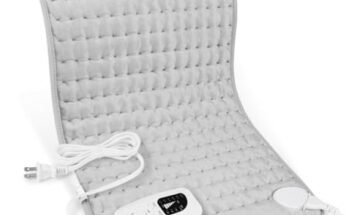
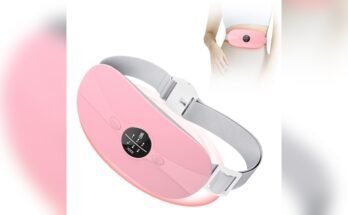
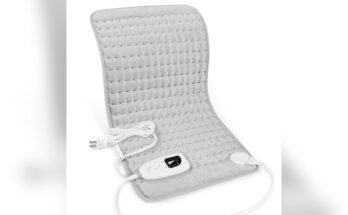
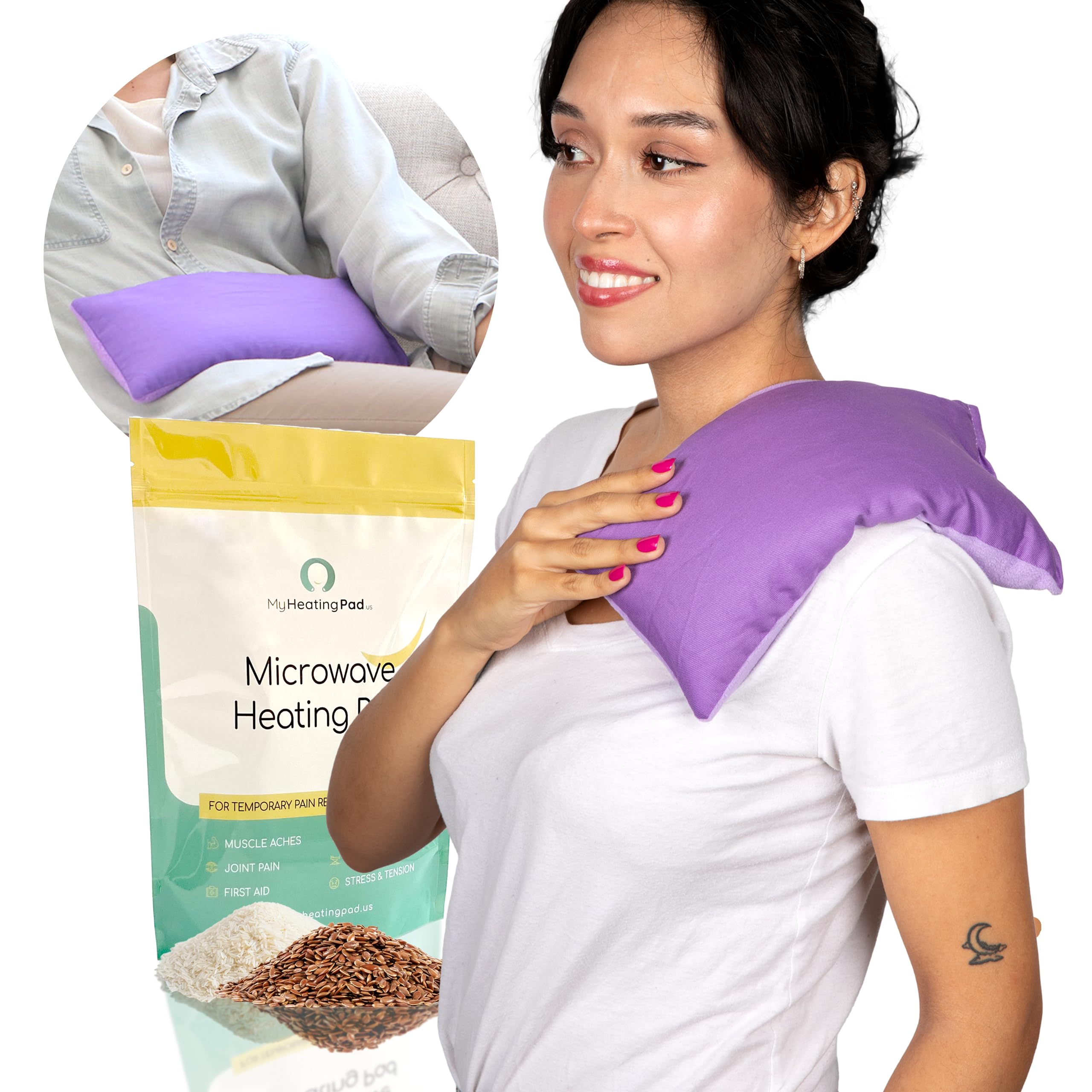
Heating pads use moist or dry heat to warm up a specific part of your body. You can find electric heating pads, microwaveable packs, and even simple hot water bottles. When you apply heat to your skin, several things happen:
- Blood flow increases in the area.
- Muscles relax.
- Nerve signals that send pain slow down.
Heat encourages your body to bring more oxygen and nutrients to sore muscles. This can speed up healing and reduce pain. But does this help with stress, or just with physical pain?
The Connection Between Heat And Stress Relief
When you use a heating pad, you’re doing more than just warming your skin. You’re creating a feeling of comfort. Warmth signals your brain that you’re safe, which can lower your body’s stress hormones. Here’s why this matters:
- Muscle relaxation: Tight muscles are a common reaction to stress. Heat helps them let go.
- Improved mood: Warmth can trigger the release of endorphins, your body’s natural “feel good” chemicals.
- Better sleep: Relaxed muscles and a calm mind can make it easier to fall asleep.
A study published in the Journal of Physiological Anthropology found that thermal therapy can lower anxiety and improve mood in adults. This effect may not be as strong as meditation or exercise, but it’s a simple way to feel better at home.
Benefits Of Heating Pads For Stress Relief
Heating pads offer more than just temporary comfort. Here’s how they help:
1. Fast Muscle Relaxation
Heat works quickly on tight muscles. Within minutes, you may notice less tension in your neck, shoulders, or back. This is important because muscle tension is a main cause of stress headaches and poor posture.
2. Easy To Use At Home Or Work
Unlike massage therapy or spa treatments, heating pads are cheap and easy to use. You just plug them in, warm them up, and place them where you need relief. Many people keep a small pad at their desk for quick breaks.
3. Pairs Well With Other Relaxation Techniques
You can use a heating pad while you meditate, listen to calming music, or read a book. The heat boosts the relaxing effect of these activities.
4. May Improve Circulation
Better blood flow means your muscles get more oxygen. This can help reduce pain and speed up healing if you have minor injuries or soreness.
5. Safe For Most People
When used correctly, heating pads are low-risk. They don’t cause side effects like some medications. However, it’s important to follow safety guidelines to prevent burns.
What Does Science Say?
Research on heat therapy is mostly focused on pain relief and muscle relaxation. Still, there are some studies that suggest a link to stress relief.
- A 2016 study found that warming the body (like with a sauna or hot pack) can reduce anxiety and improve mood.
- The American Physical Therapy Association says that heat is effective for relaxing tight muscles and easing discomfort, which can lower overall stress.
While more research is needed, most experts agree that the gentle, comforting effect of a heating pad can help your mind and body unwind—especially when stress causes muscle tension.
Different Types Of Heating Pads
Heating pads are not all the same. Here’s a look at the most common types and how they compare:
| Type | How It Works | Best For | Pros | Cons |
|---|---|---|---|---|
| Electric Heating Pad | Plugs into a power outlet, provides steady heat | Home use, long sessions | Adjustable settings, consistent warmth | Needs power source, risk of overheating |
| Microwaveable Pad | Heated in microwave, uses gel or grains | Quick relief, travel | Portable, moist heat, no cords | Heat fades over time, needs reheating |
| Hot Water Bottle | Filled with hot water, sealed | Bedtime, gentle heat | Inexpensive, soft | Can leak, less adjustable |
| Chemical Heat Pack | Activates with a click or squeeze, single use | On-the-go, emergencies | Very portable, instant heat | Single use, less eco-friendly |
Key insight: Many people don’t realize that moist heat (like a damp microwaveable pad) often penetrates deeper into muscles than dry heat. This makes it more effective for tight, stressed areas.
How To Use Heating Pads Safely
Most people use heating pads without problems, but there are some important safety tips:
- Limit sessions to 15–20 minutes. Longer use can cause burns.
- Never sleep with a heating pad. You may not feel if it gets too hot.
- Check your skin every few minutes. If it’s red or painful, remove the heat.
- Don’t use on broken skin or areas with poor feeling (like from diabetes).
- For microwaveable pads, test the temperature before placing it on your body.
People with certain health conditions (like nerve damage or poor circulation) should talk to a doctor before using heat therapy.
Where To Place A Heating Pad For Stress Relief
The best spots for stress relief are where you feel tension. Common areas include:
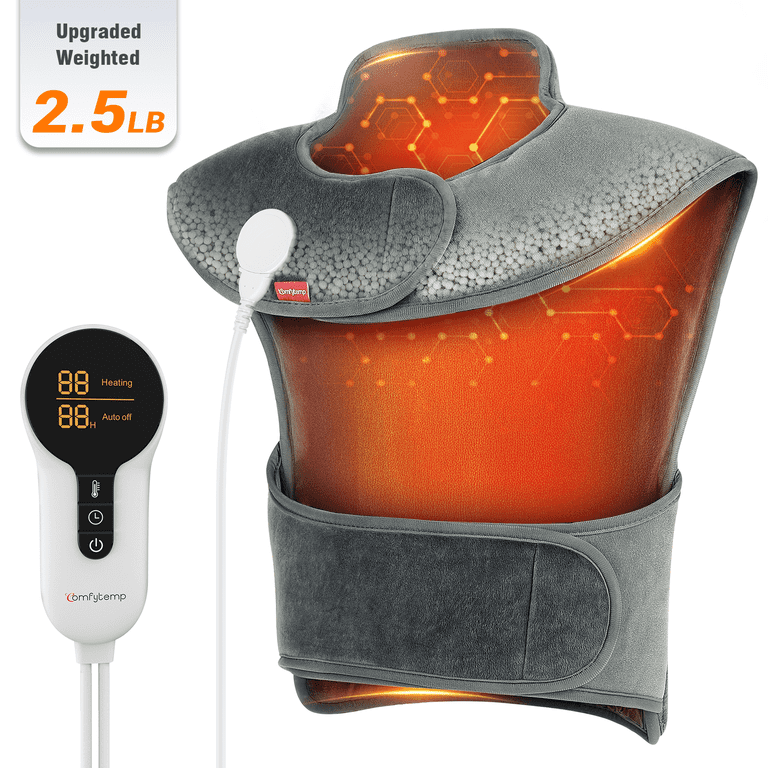
- Neck and shoulders: Great for desk workers or anyone who hunches over a computer.
- Upper back: Helps with general tension from stress.
- Lower back: Useful if stress makes you clench your muscles.
- Stomach: Some people find warmth here calming, especially if anxiety causes stomach pain.
Non-obvious insight: Placing a heating pad on your feet can also promote relaxation. Warm feet signal your brain it’s time to wind down, which can help you sleep better.
Combining Heating Pads With Other Stress Relief Methods
A heating pad is more effective when paired with other relaxation strategies. Here are some examples:
Deep Breathing
While using a heating pad, try slow, deep breaths. This calms your nervous system and helps your body relax even more.
Gentle Stretching
Apply heat for 10 minutes, then do gentle neck, shoulder, or back stretches. Heat makes muscles more flexible and less likely to get injured.
Mindfulness Or Meditation
Sit quietly with a heating pad and focus on your breathing or repeat a calming word. The warmth can make it easier to clear your mind.
Guided Relaxation
Listen to a guided meditation or calming music while you use your heating pad. The combination can lower both physical and mental stress.
Heating Pads Versus Other Stress Relief Tools
Heating pads are just one way to manage stress. How do they compare to other popular methods?
| Method | Main Benefit | Drawbacks | Best Use |
|---|---|---|---|
| Heating Pad | Muscle relaxation | Limited to surface tension, not whole-body | Targeted stress, at home or work |
| Massage | Deep muscle release | Expensive, needs a therapist or device | Severe tension, special occasions |
| Exercise | Whole-body stress relief | Requires effort, not instant | Daily routine, long-term benefits |
| Meditation | Calms mind and body | Takes practice to master | Anxiety, ongoing stress |
| Warm Bath | Full body relaxation | Needs time, water, cleanup | Evenings, before bed |
Practical tip: Use a heating pad for quick, targeted relief. For deep, lasting stress reduction, combine it with other strategies like exercise or mindfulness.
Who Should Not Use Heating Pads?
Heating pads are safe for most people, but not everyone. Avoid using a heating pad if:
- You have poor skin sensation (neuropathy, diabetes).
- You have an open wound or skin infection.
- You are a child (without adult supervision).
- You are elderly and have fragile skin.
- You have circulatory disorders (like deep vein thrombosis).
- You are pregnant and unsure about using heat—check with a doctor first.
Never place a heating pad directly on bare skin. Always use a towel or cloth as a barrier.
Myths And Common Mistakes With Heating Pads
Many people think heating pads are always safe or work for everyone. Here are some common mistakes:
- Using too much heat: This can cause burns or skin damage.
- Falling asleep with the pad on: Risky because you may not notice injury.
- Using on numb skin: If you can’t feel the heat, you may get burned.
- Expecting instant stress relief: Heat helps, but it’s not magic. Combine with other methods for best results.
- Ignoring underlying problems: If stress is severe or ongoing, talk to a healthcare provider. Heat therapy is a tool, not a cure.
Real-life Experiences: What Users Say
Many people share positive stories about using heating pads for stress. For example:
- Sarah, a graphic designer, uses a heating pad on her shoulders after long days at her computer. She says it helps her “let go of the day’s tension.”
- Mike, a teacher, uses a microwaveable pad on his lower back. He finds that 15 minutes in the evening helps him relax and sleep better.
- A study from the University of Wisconsin found that people who used heat packs regularly reported better mood and less muscle pain.
Non-obvious insight: Some users find that the ritual of preparing a heating pad (warming it up, sitting quietly) is just as calming as the heat itself. Creating a routine can signal your mind that it’s time to relax.
How To Choose The Best Heating Pad For Stress Relief
With so many options, how do you pick the right one? Here’s what matters:
- Size: Larger pads cover more area, but small ones are easier to use on the go.
- Heat settings: Adjustable heat lets you find the perfect level.
- Moist vs. dry heat: Moist heat is often better for deep tension.
- Material: Soft, washable covers feel best on the skin.
- Safety features: Auto-shutoff and timers prevent overheating.
Don’t be swayed by flashy extras. Focus on comfort, safety, and ease of use.
Diy Heating Pads: A Simple Option
You don’t need to buy an expensive product. Here’s how to make a quick heating pad at home:
- Fill a clean sock with uncooked rice or dried beans.
- Tie the end of the sock.
- Microwave for 1–2 minutes (test for safe heat before use).
- Place on sore muscles for 10–15 minutes.
This is a cheap, effective way to try heat therapy. Add dried herbs (like lavender) for a calming scent.
When To See A Doctor
Heating pads help with everyday tension, but they’re not a cure for serious problems. See a healthcare provider if:
- Pain lasts more than a week.
- You have numbness, tingling, or swelling.
- Stress is causing severe anxiety, depression, or sleep loss.
- Heat makes pain worse.
A doctor can check for underlying issues and suggest the best treatment plan.
How Heating Pads Fit Into A Healthy Lifestyle
Stress is a normal part of life, but it shouldn’t control you. Heating pads offer a simple, effective way to manage daily tension. They work best as part of a bigger plan that includes exercise, good sleep, healthy eating, and social support.
Remember: Heat therapy is not a replacement for medical care or mental health support. But for many people, a few minutes of warmth can make a tough day feel a little easier.
If you want to learn more about the science of heat therapy, check out this resource from the Mayo Clinic.
Frequently Asked Questions
How Long Should I Use A Heating Pad For Stress Relief?
Most experts recommend using a heating pad for 15–20 minutes at a time. This is enough to relax muscles without risking burns. If you need more relief, take a break for at least 20 minutes before applying heat again.
Can I Use A Heating Pad Every Day?
Yes, you can use a heating pad daily, as long as you follow safety rules. Always check your skin for redness, don’t use it while sleeping, and give your skin a rest between sessions.
Are Heating Pads Safe For Everyone?
Heating pads are safe for most healthy adults, but people with nerve damage, poor circulation, or fragile skin should use caution. Always place a cloth between the pad and your skin, and talk to your doctor if you have health concerns.
What’s The Difference Between Moist And Dry Heat?
Moist heat (like a damp towel or gel pack) can penetrate muscles more deeply than dry heat. This makes it better for stubborn tension or stress-related pain. Dry heat (like electric pads) is more convenient for quick use.
Can Heating Pads Help With Anxiety?
Heating pads don’t cure anxiety, but the warmth can help your body relax and lower stress hormones. For best results, combine heat therapy with other tools like deep breathing, exercise, or talking to a counselor.
A heating pad can be your easy, at-home tool for melting away stress—one warm session at a time. Remember to use it wisely, combine it with other healthy habits, and enjoy the comfort it brings after a long day.