Yes, the Polar Ice Recovery Tub can be worth it for athletes who want simple, repeatable cold-water recovery at home.
The answer to “Is Polar Ice Recovery Tub Worth It?” depends on your training load, budget, space, and willingness to maintain cold, clean water. This guide looks at its recovery value, setup, comfort, running costs, safety, and key alternatives so you can make a smart choice without relying on hype.
What Is the Polar Ice Recovery Tub?
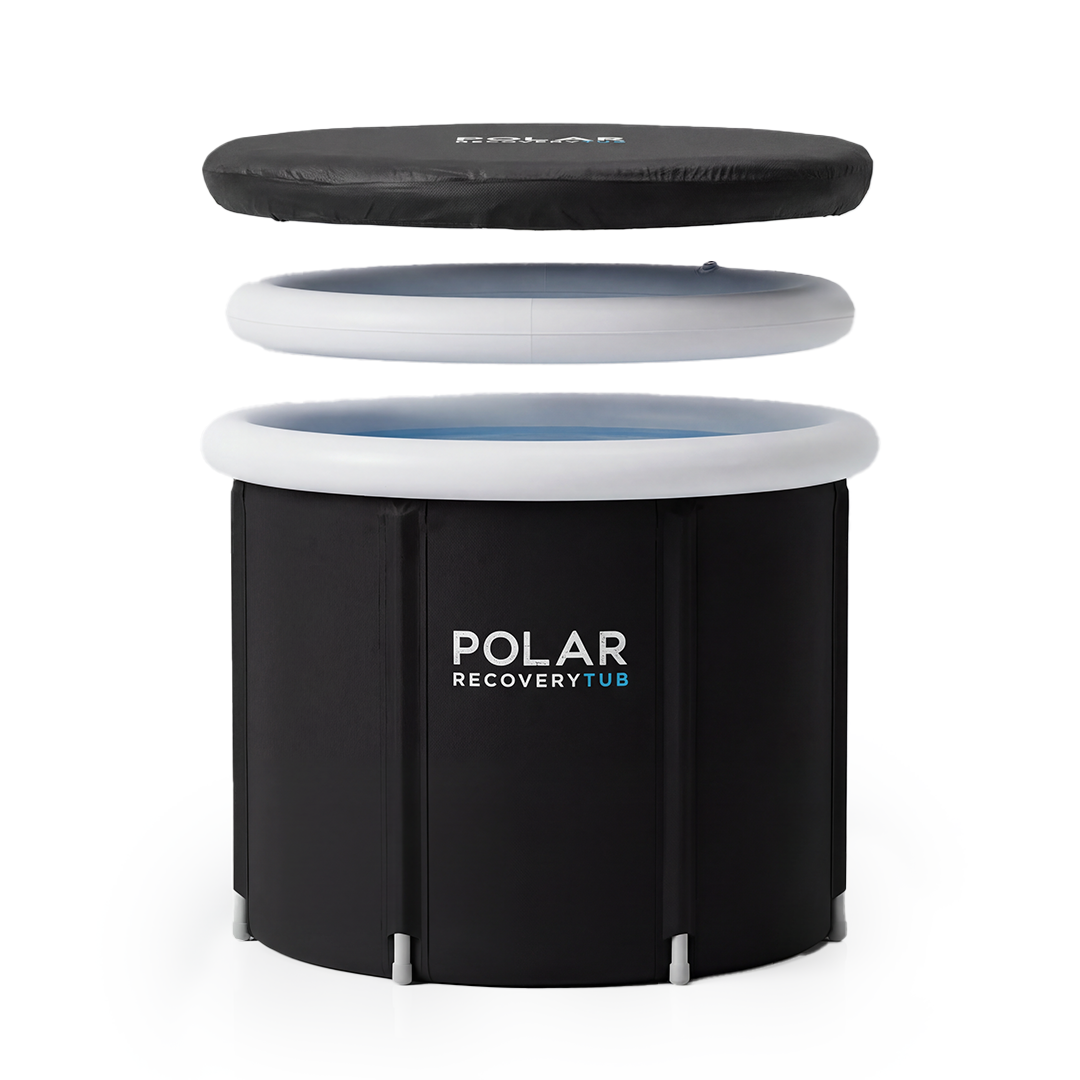
The Polar Ice Recovery Tub is a home cold plunge designed for cold-water immersion after exercise. It gives users a dedicated place to sit in chilled water instead of using a bathtub, stock tank, or temporary ice setup.
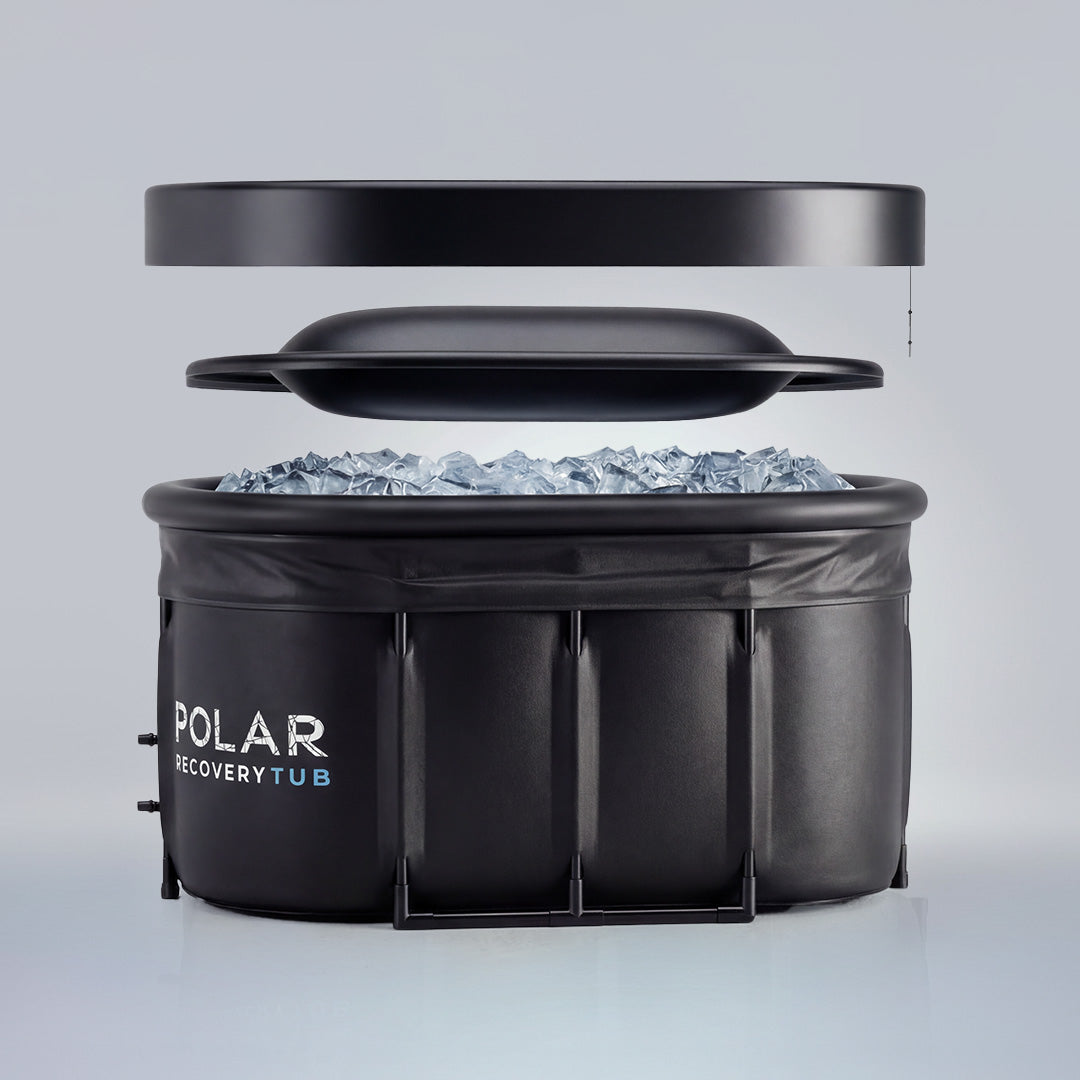
Unlike a full electric cold plunge, a basic recovery tub usually relies on ice, frozen bottles, or an optional water chiller. This makes it simpler and often less expensive, but it also means the water temperature may change from day to day.
The main appeal is convenience. You fill the tub, cool the water, sit in it for a short time, drain or filter it, and repeat the process as needed.
A Polar Ice Recovery Tub may suit:
• Runners and cyclists who train often
• Strength athletes with heavy weekly sessions
• Sports teams and coaches
• People who enjoy cold exposure at home
• Users who want a portable option
It may not suit people who want instant cooling, automated cleaning, built-in heating, or a luxury spa experience.

Is Polar Ice Recovery Tub Worth It for Recovery?
For many active people, the Polar Ice Recovery Tub can be useful. Cold-water immersion may help reduce the feeling of muscle soreness after hard exercise. It can also make tired legs feel fresher for a short time.
Research on cold-water immersion shows that it may reduce delayed muscle soreness after demanding exercise. The effect is usually modest, not magical. In simple terms, a cold plunge can help you feel better, but it does not replace sleep, food, fluids, or a sound training plan.
The tub may be most valuable when:
• You train hard on back-to-back days
• You need to feel less sore before the next session
• You play sports with repeated games or practices
• You enjoy a clear recovery routine
• You want a cheaper option than a premium chiller system
Cold water works more like a reset button than a repair shop. It may reduce pain and swelling signals for a while, but your body still needs time to rebuild tissue.
This is why the answer to “Is Polar Ice Recovery Tub Worth It?” is different for a marathon runner, a casual gym user, and someone with a recent injury.

Main Benefits of the Polar Ice Recovery Tub
Lower entry cost
A simple tub can cost far less than a full cold plunge with an electric chiller. You may still need to buy ice, but the first purchase is often easier to manage.
This matters if you are testing cold-water immersion for the first time. You can learn whether the habit fits your life before spending thousands of dollars.
Easy home access
A tub in the garage, backyard, or bathroom can remove much of the friction from recovery. You do not need to drive to a wellness center or wait for a commercial plunge to become available.
Convenience is often more important than people expect. The best recovery tool is the one you use with consistency.
Simple design
A basic tub has fewer electronic parts than a refrigerated plunge. That can mean fewer technical issues and less complicated setup.
The trade-off is that you may need to manage the water yourself. You must monitor temperature, clean the tub, and decide how to keep the water fresh.
Flexible placement
Many portable tubs can be moved when empty. This is helpful for renters or people with limited space.
Still, water is heavy. One gallon weighs about 8.3 pounds. A filled tub can place a great deal of weight on a floor, deck, or balcony. Always check the surface before filling it.
A strong mental routine
Cold immersion is uncomfortable by design. Completing a short, controlled session can build confidence and discipline.
That benefit is personal, though. Some users find the routine calming, while others find it stressful. You should not force cold exposure simply because it is popular online.

Important Limitations to Consider
The biggest weakness is temperature control. If you use ice, the water may start too cold, warm too fast, or require more ice than expected.
Your results can also depend on:
• Outdoor temperature
• Water volume
• Tub insulation
• Number of users
• Ice cost in your area
• How often you replace the water
A low-cost tub can become expensive over time if you use large bags of ice several times each week. Before buying, estimate your monthly ice use. Ask local grocery stores or ice suppliers about current prices.
Cleaning is another major factor. Warm, untreated water can support bacteria, algae, and unpleasant odors. A cover helps keep out leaves and dirt, but it does not replace proper sanitation.
You should also check the product’s current warranty, return policy, drain design, liner material, and included accessories. Product versions can change, so confirm the details on the seller’s current listing before you buy.
The answer to “Is Polar Ice Recovery Tub Worth It?” becomes less favorable if you dislike chores or expect a fully automatic system.

Polar Ice Recovery Tub vs. Other Cold Plunge Options
Polar Ice Recovery Tub vs. bathtub
A bathtub costs nothing if you already have one. It also offers easy drainage and indoor use.
However, a bathtub may not hold a stable temperature, and it may not feel comfortable for regular cold plunges. A dedicated tub can offer better insulation and a more consistent routine.
Polar Ice Recovery Tub vs. stock tank
A stock tank is strong and often affordable. It can work well outdoors and may last for years.
The drawbacks include weight, rust risk with some materials, sharp edges, and less portability. A recovery tub may be easier to move and more comfortable to enter.
Polar Ice Recovery Tub vs. inflatable cold plunge
An inflatable plunge is often light and easy to store. It may also include a cover and insulated walls.
Its walls can feel less firm, and punctures are possible. Compare the material, warranty, drain system, and maximum user height before choosing.
Polar Ice Recovery Tub vs. electric chiller
A chiller can maintain a target temperature with less daily ice. It offers greater control and may be better for frequent users.
The cost is much higher. You also need a suitable power source, good water care, and enough ventilation around the equipment.
For many first-time buyers, a simple Polar Ice Recovery Tub is a sensible starting point. Frequent users may eventually prefer a chiller.
How Much Does It Cost to Run?
The purchase price is only part of the total cost. Consider these ongoing expenses:
• Ice or frozen containers
• Water replacement
• Water treatment products
• Cleaning supplies
• A cover
• Possible pump or filter upgrades
• Repairs or replacement parts
A practical way to estimate cost is to track one month of use. Write down the amount spent on ice, water, treatment, and cleaning. Then compare that total with the cost of a chiller.
You can reduce ice use by:
-
Placing the tub in shade.
-
Using a fitted cover.
-
Adding frozen water bottles.
-
Filling it with cold tap water.
-
Avoiding unnecessary full water changes.
Do not add household bleach or random chemicals. Use only products that are suitable for the tub and follow the manufacturer’s instructions.

How to Use the Polar Ice Recovery Tub Safely
Cold-water immersion is not risk-free. Sudden cold can raise breathing rate, heart rate, and blood pressure. Some people may feel dizzy, numb, or panicked.
Use these basic steps:
-
Start with cool water rather than extreme cold.
-
Keep the first session short.
-
Enter slowly and control your breathing.
-
Keep your head and neck out of the water.
-
Use a timer.
-
Exit if you feel faint, confused, unusually weak, or have chest pain.
-
Warm up gradually after the session.
Many sports medicine professionals commonly suggest brief exposure rather than trying to tolerate the cold for as long as possible. Longer is not automatically better.
Speak with a health professional before cold plunging if you have heart disease, high blood pressure, circulation problems, diabetes, Raynaud’s disease, pregnancy, or another condition affected by cold stress. Never use a cold plunge alone if you are unsure how your body will respond.
Best Water Temperature and Session Length
There is no single perfect temperature for every person. Many recreational users begin around 59 to 68 degrees Fahrenheit. More experienced users may choose colder water, but extreme temperatures increase stress and discomfort.
A simple beginner plan looks like this:
• Start at 60 to 68 degrees Fahrenheit.
• Stay in for 30 to 60 seconds.
• Rest and assess how you feel.
• Add time slowly if you respond well.
• Avoid treating discomfort as a contest.
Some athletes use cold immersion after intense endurance work or competition. After strength training, frequent cold immersion may not always be ideal because some research suggests it could reduce parts of the muscle-building response when used immediately after every session.
If building muscle is your main goal, consider saving cold plunges for especially hard sessions or competition days. Ask a qualified coach or sports medicine professional for advice based on your program.
My Practical Buying Advice
When I evaluate a recovery tub, I look beyond the product photos. A tub can look excellent online but still disappoint if it drains slowly, feels cramped, or lacks a useful cover.
Check these details before ordering:
• Interior length and width
• Maximum water capacity
• Wall and floor insulation
• Material strength
• Drain location
• Cover quality
• Filter or pump compatibility
• Warranty length
• Return conditions
• Replacement part availability
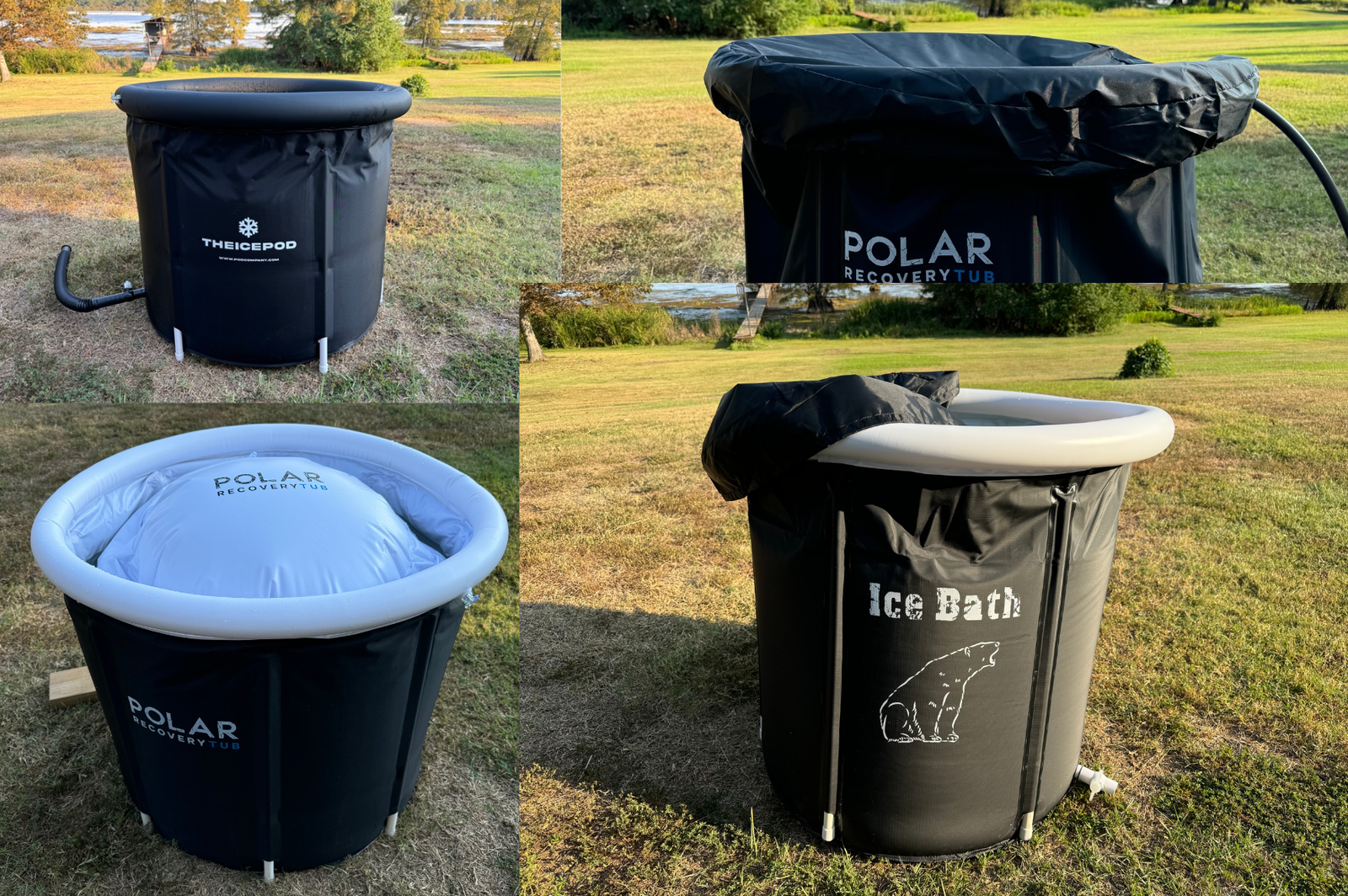
One common mistake is buying a tub that is too small. If your knees are forced upward, the experience may become uncomfortable. Measure your body and compare those measurements with the tub’s internal dimensions, not its outside size.
Another mistake is placing it on an unstable surface. A filled tub can weigh well over 1,000 pounds. Use a level, strong surface that can safely support the total load.
In my product assessments, the most useful recovery tools are the ones that fit naturally into a weekly routine. If setup takes 30 minutes every time, you may stop using the tub after the first few weeks.
Who Should Buy It?
The Polar Ice Recovery Tub may be a good fit if you:
• Want a lower-cost entry into cold plunging
• Have room for a dedicated tub
• Train often and value quick access
• Do not mind cleaning and adding ice
• Prefer a simple product over complex electronics
• Understand that cold exposure supports recovery but does not replace it
It may not be the best choice if you:
• Want precise automatic temperature control
• Need a very low-maintenance system
• Have limited space
• Cannot safely support the filled weight
• Expect cold plunging to heal an injury
• Have a medical condition that makes sudden cold unsafe
For some users, the Polar Ice Recovery Tub is a practical tool. For others, a bathtub, stock tank, or commercial recovery center may offer better value.
Frequently Asked Questions About Is Polar Ice Recovery Tub Worth It?
Is the Polar Ice Recovery Tub worth the money?
It can be worth the money if you will use it often and do not mind managing ice and water care. It is less attractive for occasional users who may get similar results from a bathtub.
Does the Polar Ice Recovery Tub need a chiller?
Not always. A basic setup can use cold water and ice, while a compatible chiller may provide more stable temperatures if the product supports one.
How long should you stay in the Polar Ice Recovery Tub?
Beginners should start with about 30 to 60 seconds in cool water and increase slowly. Stop at once if you feel dizzy, confused, numb, or unwell.
Can cold plunging reduce muscle soreness?
Cold-water immersion may reduce the feeling of muscle soreness for a short time after hard exercise. It does not repair serious injuries or replace sleep, nutrition, physical therapy, or medical care.
How often should you clean the Polar Ice Recovery Tub?
Cleaning frequency depends on water temperature, use, treatment, and whether you use a filter. Inspect the water often, follow the product care instructions, and clean it whenever the water becomes cloudy, smells bad, or develops visible growth.
Is the Polar Ice Recovery Tub safe for everyone?
No. Sudden cold can place stress on the heart and blood vessels. People with certain medical conditions should ask a health professional before using any cold plunge.
Conclusion
So, is Polar Ice Recovery Tub worth it? For the right user, yes. It offers a simple and often affordable way to add cold-water immersion to a home recovery routine.
Its value depends on more than the purchase price. Think about ice costs, cleaning, available space, safety, comfort, and how often you will use it. Choose a tub that matches your body size and lifestyle, begin with mild temperatures, and treat recovery as a complete system that includes sleep, food, hydration, and smart training.
If you are ready to try cold plunging, compare the current product specifications and total running costs before ordering. Then share your experience or explore more evidence-based recovery guidance to build a routine you can maintain.