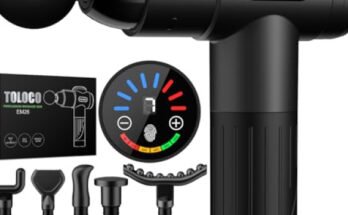
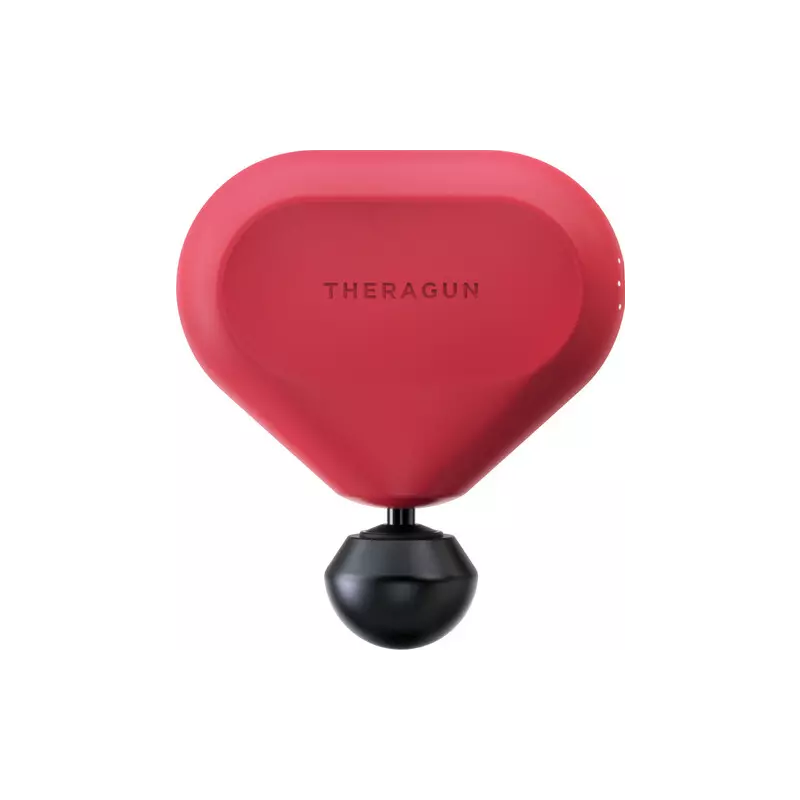
Keeping your handheld massager working smoothly can make a big difference in how well it relaxes your muscles. Over time, dust, sweat, and regular use can cause the internal parts to become dry or sticky. This can lead to more noise, less powerful vibrations, and even permanent damage. Many people forget that handheld massagers, like other machines, need regular maintenance—especially lubrication—to keep working their best.
You don’t have to be a technical expert to lubricate your handheld massager. With the right steps, a bit of care, and a few simple tools, you can do it yourself at home. This guide walks you through everything you need to know, from understanding why lubrication matters to picking the right lubricant and handling common problems.
You’ll also find practical tips and answers to the questions most people have when they start maintaining their massager.
Why Lubrication Matters For Handheld Massagers
A handheld massager is a small machine made up of moving parts like gears, shafts, and motors. These parts rub against each other every time you turn on the device. Without enough lubrication, friction builds up. This can cause:
- Overheating of the motor
- Unpleasant noise during use
- Stiff or weak movements
- Shorter lifespan of parts
Proper lubrication keeps everything running smoothly. It reduces wear, saves you money on repairs, and helps your massager give you the best massage every time.
Real-world Example
Imagine using your massager after a workout, but it makes loud grinding sounds and feels weak. This is usually a sign that it needs lubrication. Regular maintenance prevents these issues.
Non-obvious Insight: Lubrication And Safety
A well-lubricated massager is also safer. Dry, overworked parts can overheat and sometimes lead to electrical problems or even fires. That’s rare, but it’s another good reason to lubricate your device regularly.
Understanding Your Handheld Massager
Before you start, it helps to know the type of massager you have. Each model is a bit different. Some are designed for the back or neck, while others are for feet or deep tissue. Most handheld massagers fall into these categories:
- Percussion massagers: Quick, repetitive tapping
- Vibration massagers: Gentle, broad shaking
- Rotary/rolling massagers: Spinning heads or rollers
Check your user manual for a diagram. This will show you where the moving parts are and how to access them. If you lost your manual, search the model name online for a PDF.
Key Parts That Need Lubrication
Here are the parts most likely to need lubrication:
- Gearbox: The set of gears that transfer power from the motor to the massage head.
- Bearings: Small metal rings that help parts spin smoothly.
- Shafts: Metal rods connected to the motor and massage head.
- Slides or rollers: In rotary massagers, these need special attention.
Not every massager has all these parts, but most have at least a gearbox and bearings.

How Often Should You Lubricate?
How often you lubricate depends on how much you use your massager. Here’s a basic guide:
| Usage Frequency | Recommended Lubrication Interval |
|---|---|
| Daily (over 1 hour) | Every 1-2 months |
| Several times a week | Every 3-4 months |
| Occasional (few times/month) | Every 6 months |
Heavy use, hot or humid climates, and dusty environments can mean you need to lubricate more often. If your massager starts making noise or feels stiff, don’t wait—apply lubricant.
Choosing The Right Lubricant
Not all lubricants are safe for your massager. You need a product that:
- Can handle high temperatures without drying out
- Won’t damage plastic or rubber parts
- Is easy to apply and doesn’t drip everywhere
Common Lubricant Types Compared
| Lubricant Type | Pros | Cons | Best For |
|---|---|---|---|
| Silicone grease | Stable, safe for plastic, water-resistant | Harder to clean off, can attract dust | Gearboxes, bearings, shafts |
| White lithium grease | Good protection, sticks well | Can damage some rubber | Metal gears, moving joints |
| Machine oil | Easy to apply, cheap | Drips, not as long-lasting | Bearings, light-duty parts |
| PTFE (Teflon) spray | Very slippery, resists water, doesn’t gum up | Thin layer, may need reapplying | Precision parts, plastic surfaces |
Silicone grease is a safe choice for most handheld massagers. Avoid WD-40 or household oils—they evaporate quickly and can damage plastics.
Non-obvious Insight: Check For Food-grade Lubricants
Some people prefer food-grade silicone grease. It’s safe if you accidentally touch it, and it’s less likely to cause allergic reactions.
Tools And Supplies You’ll Need
Here’s what you should have ready before starting:
- The correct lubricant for your device
- A set of small screwdrivers
- Cotton swabs or toothpicks for spreading grease
- Soft cloths for wiping parts
- Compressed air (optional) for cleaning dust
- Latex gloves (optional) to keep hands clean
Having everything at hand helps the process go faster and prevents accidents.
Step-by-step Guide: How To Lubricate A Handheld Massager
Follow these steps to safely lubricate your massager. If your model looks very different from the description, look for a video or the official manual online.
1. Unplug And Prepare
Safety comes first. Always:
- Unplug the massager from any power source.
- Let it cool down if you just used it.
- Work on a clean, flat surface with good light.
2. Open The Massager
Use the right screwdriver to remove the screws from the back or bottom of the device. Keep the screws in a small cup so they don’t get lost. Gently separate the casing—don’t force it, as wires inside can be fragile.
3. Locate Moving Parts
Inside, look for the gearbox, shafts, and bearings. They are usually near the motor or directly attached to the massage head. These are the parts that need lubrication.
4. Clean Old Grease And Dust
Before adding new lubricant, clean away old grease and any dust. Use a soft cloth or a cotton swab. For hard-to-reach dust, a short burst of compressed air works well. This keeps new lubricant clean and effective.
5. Apply Lubricant
Use a toothpick, cotton swab, or your finger to apply a thin, even layer of lubricant to each moving part. Don’t overdo it—too much grease can cause a mess and attract more dust.
Key places to lubricate:
- The teeth of the gears
- The surface of bearings
- The shaft where it spins in its housing
If using spray lubricant, spray a little into a cup first, then apply with a swab. This prevents overspray.
6. Reassemble Carefully
Once you’ve lubricated all moving parts, reattach the casing and screws. Make sure no wires are pinched. If you feel resistance, check for parts that are out of place.
7. Test The Massager
Plug in the massager and turn it on for a few seconds. Listen for smooth, quiet operation. The head should move freely, and the vibrations should feel strong. If it sounds rough, turn it off and check your work.
Tips For Different Massager Types
Not all massagers are built the same. Here’s what to watch for:
Percussion Massagers
The gearbox is usually larger. Make sure to get lubricant between the gear teeth. Sometimes, you’ll see a connecting rod—add a little grease where it joins the head.
Vibration Massagers
These use small weights or offset motors. Lubricate the points where the shaft meets the motor housing. Avoid getting lubricant inside the motor itself.
Rotary Massagers
Focus on the rollers and their axles. If rollers are removable, take them out and lubricate the inside surface, then reattach.
Practical tip: If you see O-rings or rubber seals, use only silicone grease. Other lubricants can cause rubber to crack over time.
Common Mistakes To Avoid
Lubricating a massager is simple, but beginners often make these mistakes:
- Using the wrong lubricant: Never use vegetable oil, WD-40, or petroleum jelly on plastic or rubber parts.
- Over-lubricating: Too much lubricant can seep into the motor or electric parts, causing damage.
- Forcing the case closed: If the massager doesn’t close easily, check for loose wires or misaligned parts.
- Skipping cleaning: Old, dirty grease mixed with new lubricant can make things worse.
- Ignoring strange noises: If your massager still sounds bad after lubrication, stop and check for worn-out parts.
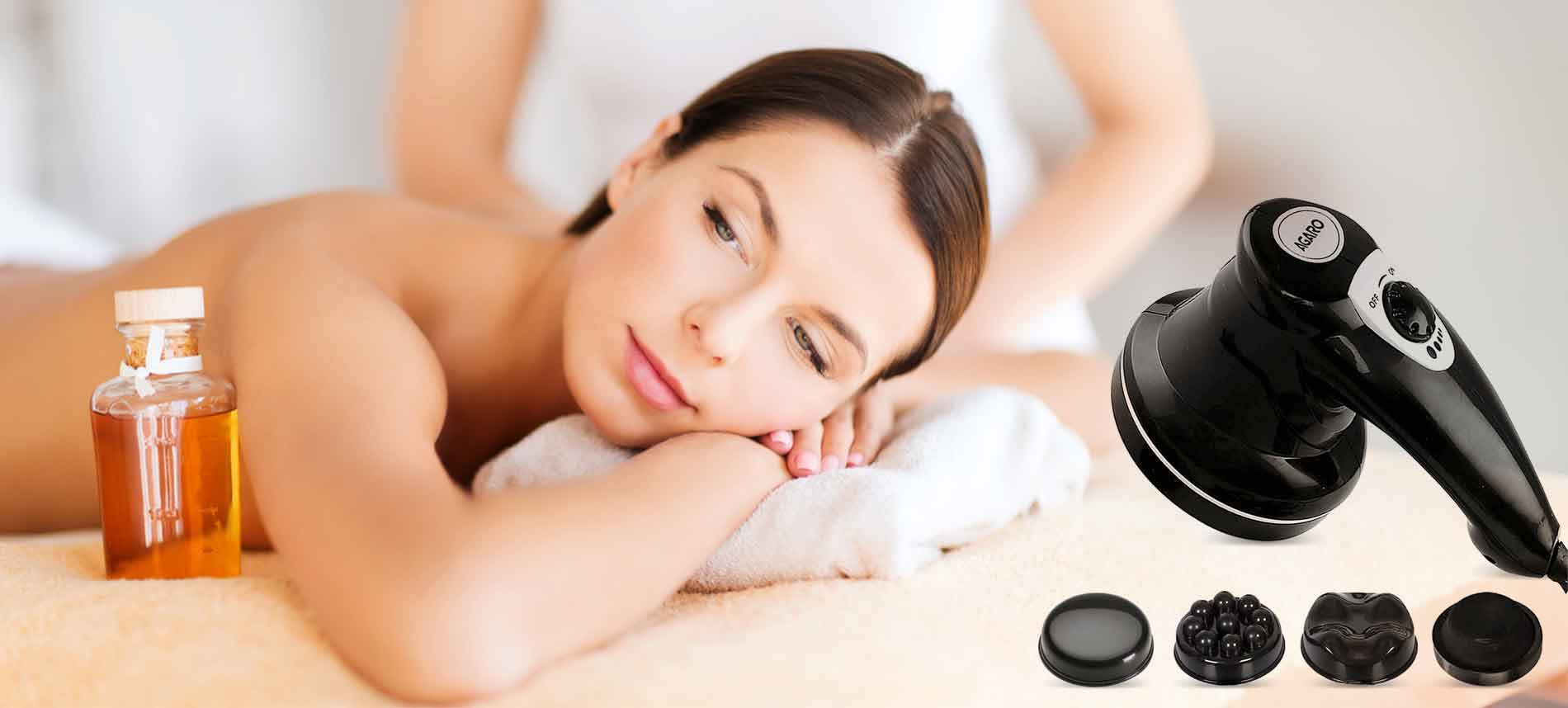
Signs Your Massager Needs Lubrication
Don’t wait for a breakdown. Here are warning signs:
- Increased noise or grinding sounds
- Weaker vibrations or slower movement
- Heat coming from the device
- Stiff massage head that doesn’t move freely
If you spot these, lubricate as soon as possible.
When To Seek Professional Help
Sometimes lubrication alone isn’t enough. If you notice:
- Burnt smell or smoke
- Device won’t turn on after reassembly
- Broken or missing parts inside
Stop and contact the manufacturer or a repair shop. For expensive or high-end massagers, it may be worth a professional service every year.

How Lubrication Extends Lifespan
Regular lubrication does more than stop noise. It can double the life of your handheld massager. A well-maintained device can last 5–10 years, while a neglected one might fail within 1–2 years. Over time, this saves money and reduces electronic waste.
Data: Massager Lifespan With Vs. Without Lubrication
| Maintenance Level | Average Lifespan | Notes |
|---|---|---|
| Regular lubrication (every 3–6 months) | 5–10 years | Quiet, powerful, fewer repairs |
| No lubrication | 1–2 years | Loud, weak, likely to break |
Environmental And Health Benefits
Taking care of your massager is good for the environment. By keeping your device running longer, you throw away less plastic and metal. This reduces waste and saves resources.
Lubrication also keeps your device hygienic. Dust and old grease can trap bacteria, especially if you share your massager with others. Clean, lubricated parts are less likely to spread germs.
What To Do If You Lose The Manual
Many people lose their device manual. Don’t worry! Search the brand and model number online—most companies post manuals on their websites. For example, if you have a Theragun Prime, searching “Theragun Prime manual PDF” will lead you to the right instructions.
You can also visit Wikipedia’s massager page for general information about types and maintenance.
Upgrading Your Lubrication Routine
After a few times, lubricating your massager becomes easy. Here are ways to make it even better:
- Mark your calendar for the next lubrication date.
- Store your lubricant and tools in a small box near the device.
- Wipe down the massager after every use to keep dust away.
- Ask the manufacturer if they recommend a specific lubricant for your model.
These habits keep your massager in top shape with little effort.
Frequently Asked Questions
How Do I Know Which Lubricant Is Safe For My Massager?
Most handheld massagers work well with silicone grease or PTFE (Teflon) spray. Always check your manual for recommendations. Avoid oils that can damage plastic or rubber parts.
Can I Use Wd-40 To Lubricate My Massager?
No. WD-40 is not a long-term lubricant. It evaporates quickly and can damage plastic or rubber over time. Use lubricants made for small machines or electronics.
What If My Massager Still Makes Noise After Lubrication?
If your massager still sounds rough, there may be worn-out parts inside. Double-check your lubrication steps. If the problem continues, contact customer service or a repair specialist.
How Do I Clean My Massager Before Lubricating?
Turn off and unplug the device. Open the casing, then use a soft cloth or cotton swab to remove old grease and dust. Avoid water—use compressed air for hard-to-reach places.
How Long Does It Take To Lubricate A Handheld Massager?
The whole process usually takes 20–40 minutes. First time may take longer, but you’ll become faster with practice.
Taking a little time for regular lubrication keeps your handheld massager working better, longer, and safer. With these steps, you can enjoy strong, quiet massages for years—without costly repairs or early replacement.