Many people today are searching for ways to relieve muscle pain, speed up recovery after workouts, and improve overall body comfort. One tool that has quickly become popular among athletes, physical therapists, and everyday people is the percussion massager. Sometimes called a massage gun, this device uses rapid pulses to target muscle tissue, reduce soreness, and enhance mobility. But to get the most from your percussion massager, you need to use it correctly. If used the wrong way, you could waste time, miss out on benefits, or even risk injury.
This guide breaks down everything you need to know about using a percussion massager—whether you just bought one or want to refine your technique. You’ll learn how these devices work, step-by-step instructions, tips for different body areas, mistakes to avoid, and much more.
By the end, you’ll feel confident using your percussion massager for relaxation, pain relief, and better performance.
Understanding Percussion Massagers
Before you start, it’s important to understand what a percussion massager is and how it works. Percussion massagers are handheld devices that deliver quick, repetitive pulses (percussions) to the muscles. These pulses go deep into muscle tissue, helping to loosen knots, increase blood flow, and reduce pain.
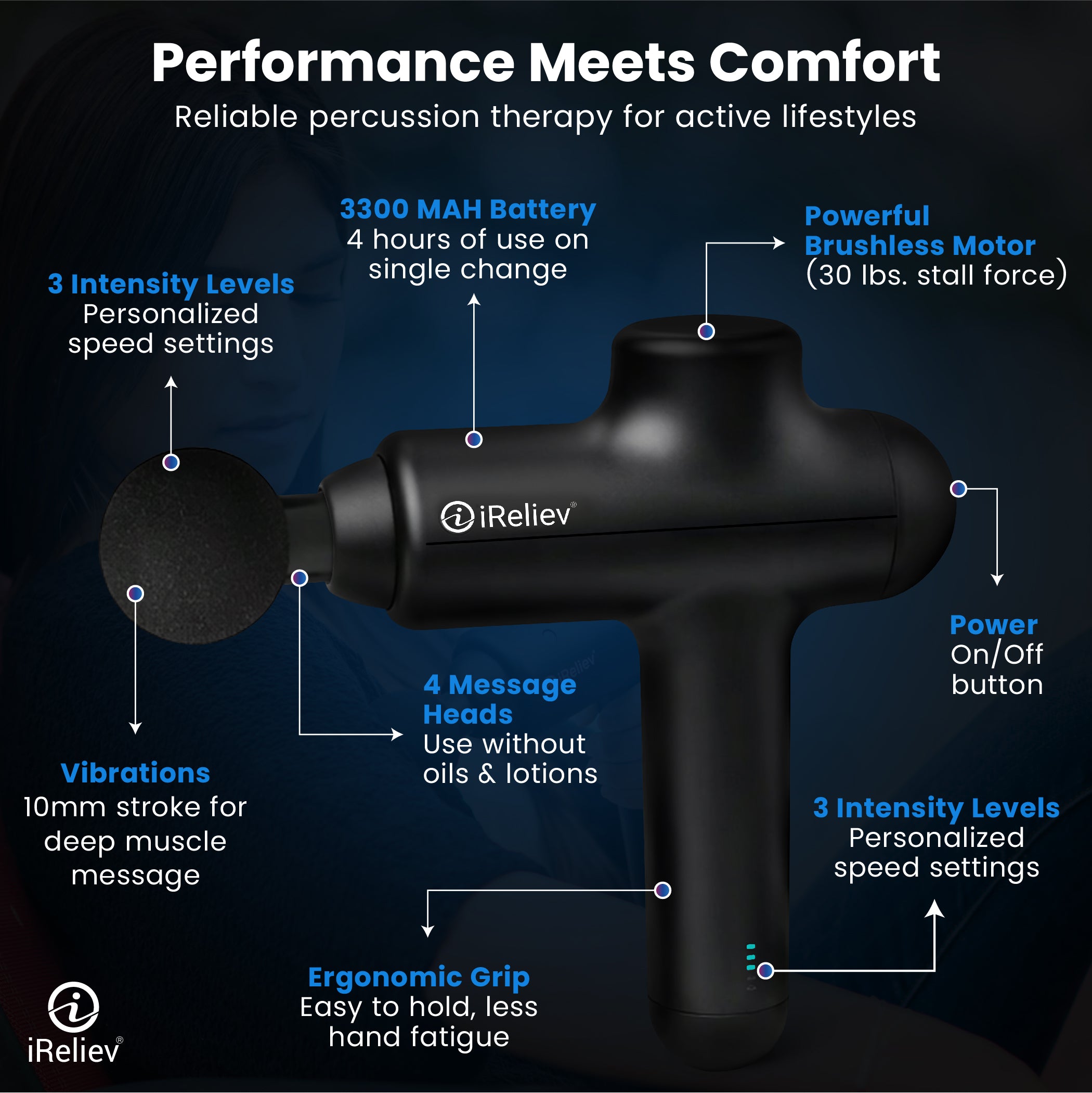
Key Features
Most percussion massagers share these core features:
- Motor: Provides the power for the massaging head to move rapidly.
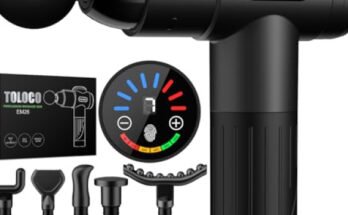
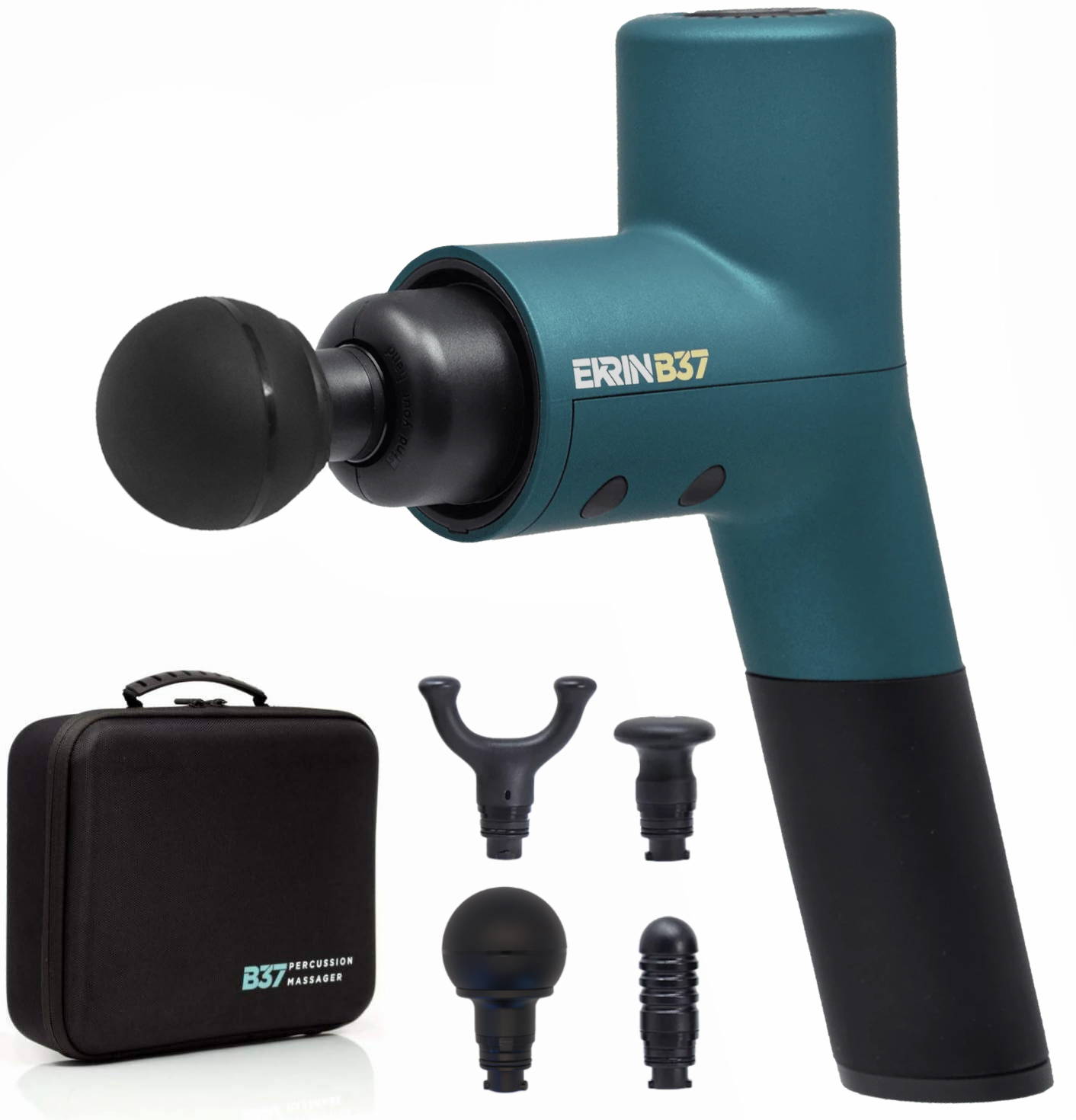
- Interchangeable heads: Different shapes for targeting various muscles.
- Speed settings: Let you adjust the intensity.
- Rechargeable battery: Allows for cordless use.
Some advanced models offer Bluetooth connectivity, pressure sensors, and custom programs, but the basics are similar across brands.
How Percussion Works
The main benefit comes from percussive therapy—a technique that sends pulses deep into muscle tissue. This helps in:
- Releasing muscle tension
- Improving blood circulation
- Breaking up muscle knots (trigger points)
- Speeding up recovery after exercise
It’s a modern take on traditional manual massage but with greater intensity and efficiency.
Common Uses
People use percussion massagers for:
- Warming up before exercise
- Reducing post-workout soreness (DOMS)
- Relieving chronic muscle pain
- Increasing mobility and flexibility
But results depend on using the device correctly and consistently.
Getting Started: Safety And Preparation
Before you turn on your percussion massager, it’s important to prepare. This will help you avoid common mistakes and get the most benefit.
Read The Manual
Every device is a little different. Always read the instruction manual for your specific model to understand:
- How to charge and operate the device
- Recommended attachment heads and their uses
- Safety warnings
Who Should Avoid Percussion Massagers?
Percussion massagers are generally safe, but not for everyone. Avoid using one if you:
- Have open wounds or skin infections
- Suffer from severe osteoporosis
- Are pregnant (unless your doctor approves)
- Have deep vein thrombosis (DVT) or blood clotting issues
- Have any serious medical condition without doctor guidance
If you’re unsure, ask a healthcare professional before use.
Clean The Device
Wipe down the massage head before and after each use to keep it hygienic. This prevents the spread of bacteria, especially if you share the device.
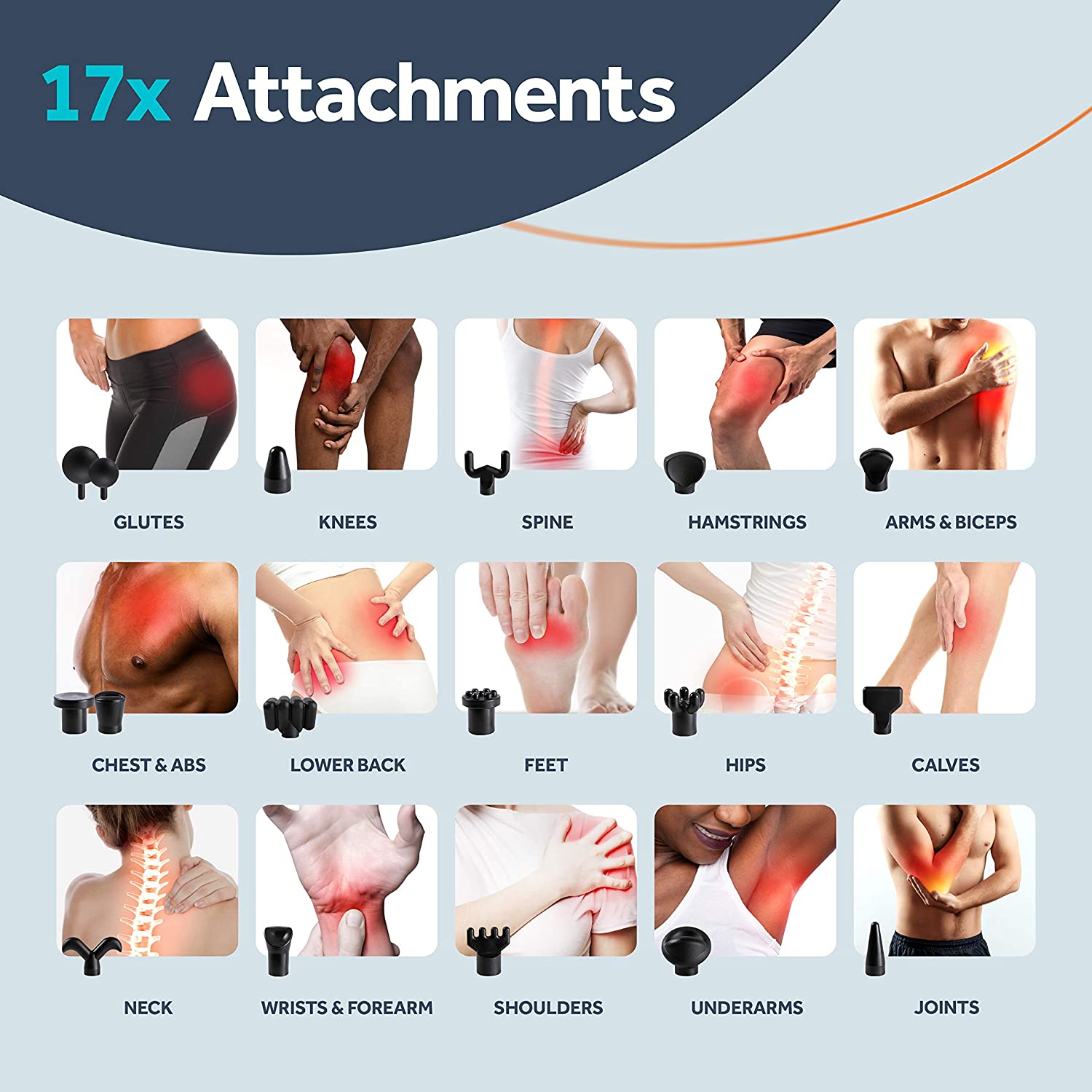
Choose The Right Attachment
Most percussion massagers come with several heads. Here’s a quick comparison of common types and their uses:
| Attachment Head | Best For | Example Use |
|---|---|---|
| Ball Head | Large muscle groups | Thighs, glutes |
| Flat Head | Dense muscles | Chest, back |
| Bullet Head | Trigger points | Knots, feet |
| Fork Head | Along the spine or Achilles tendon | Neck, calves |
Choosing the right head is key for safety and effectiveness.
How To Use A Percussion Massager: Step-by-step
Let’s walk through the process of using a percussion massager correctly.
1. Power On And Adjust Settings
Start by turning on your device. Most models have different speed or intensity settings. Beginners should start with the lowest setting and increase only if comfortable. Higher speeds give stronger pulses but can be too intense for sensitive areas.
2. Place The Device Before Starting
Before you switch to a higher setting or move the device, place the massager’s head gently on the muscle you want to treat. Do not press down hard—let the device do the work.
3. Glide, Don’t Jab
Move the device slowly along the muscle—about 1 inch every second. Avoid quick, jerky movements. Spend 30 seconds to 2 minutes on each muscle group. For sore spots or knots, you can pause for 10–20 seconds, but don’t overdo it.
4. Avoid Bones And Joints
Never use the device directly on bones, joints, or the front of your neck. Only use it on fleshy, muscular areas. This helps prevent pain and possible injury.
5. Listen To Your Body
If you feel sharp pain, numbness, or discomfort, stop immediately. Mild soreness is normal, but pain is not.
6. Finish And Stretch
After using the percussion massager, gently stretch the muscle group you worked on. This helps extend the benefits and prevents tightness.
Tips For Targeting Different Body Areas
Each part of your body benefits from the percussion massager in different ways. Here’s how to use it on common areas:
Shoulders And Upper Back
- Use a ball or flat head.
- Start at the base of your neck and move outward toward the shoulders.
- Spend 1–2 minutes per side.
- Avoid pressing on your spine or shoulder blades.
Lower Back
- Use a flat or fork head.
- Stay on the muscle tissue, not the spine.
- Move slowly from your waist toward the hip.
- Great for sitting-related soreness.
Thighs And Hamstrings
- Use a ball head for large muscles.
- Move from your knee up to your hip.
- Spend up to 2 minutes per thigh.
- Useful after running or cycling.
Calves
- Use a fork or bullet head.
- Massage from ankle to knee.
- Spend 1 minute per calf.
- Avoid using on the back of the knee.
Feet
- Use a bullet head for targeted relief.
- Focus on the arch and heel.
- Spend 1–2 minutes as needed.
Arms And Forearms
- Use a flat or bullet head.
- Move from wrist toward elbow, then up to the shoulder.
- Good for people who type or use their hands a lot.
How Long And How Often Should You Use It?
It’s easy to overuse a percussion massager, especially when you first feel the benefits. But more isn’t always better.
Recommended Session Length
- Per muscle group: 30 seconds to 2 minutes
- Total session: 10–15 minutes
Spending too long on one area can cause bruising or irritation.
Frequency
- After exercise: Use within 30 minutes for best recovery.
- For chronic pain: 1–2 times daily as needed.
- Before exercise: 1 minute per muscle to warm up.
Don’t use the device for more than 30 minutes per day in total.
Table: Safe Usage Guidelines
| Muscle Group | Recommended Duration | Max Daily Sessions |
|---|---|---|
| Thighs | 1–2 minutes | 2 |
| Back | 1–2 minutes | 2 |
| Calves | 1 minute | 2 |
| Arms | 30–60 seconds | 2 |
| Feet | 1–2 minutes | 1 |
Common Mistakes To Avoid
Even experienced users sometimes make errors when using a percussion massager. Here are common pitfalls:
1. Using Too Much Pressure
Pressing hard does not equal better results. It can cause bruising and even muscle damage. Let the device’s weight do the work.
2. Direct Use On Injuries
Do not use the massager on recent injuries, bruises, or inflamed areas. This can slow healing or make the injury worse.
3. Ignoring Pain Signals
Discomfort is normal, but sharp pain means you should stop. Pushing through pain can cause harm.
4. Using On Bony Areas
Avoid bones, joints, and the front of your neck. The device is designed for muscles only.
5. Skipping Warm-up Or Cool Down
For best results, use the device before and after exercise, not just when you feel sore.
6. Not Changing Attachments
Using the same head for every area is less effective. Swap attachments based on the muscle and your goal.
Advanced Techniques For Better Results
Once you’re comfortable with basic use, you can try these advanced methods:
Combining Percussion With Stretching
After using the massager, do gentle stretching of the muscle group. This helps improve flexibility and further reduces soreness.
Trigger Point Release
If you find a particularly tight knot, use the bullet head and hold the device on the spot for 10–20 seconds. Don’t exceed 20 seconds to avoid irritation.
Layered Muscle Work
For large muscle groups (like thighs), first use the ball head for broad coverage, then switch to the bullet head for tight spots.
Partner Use
Some hard-to-reach areas (like the middle back) are best treated by having someone else help. Make sure they follow the same safety tips.
Cold Therapy Pairing
For extra recovery, use an ice pack after massaging sore areas. This can help reduce inflammation.
Tip: Always listen to your body. If you feel worse after using advanced techniques, scale back.
Cleaning And Maintaining Your Percussion Massager
Proper care extends your device’s life and keeps it safe to use.
After Each Use
- Wipe the attachment head with a disinfectant wipe or alcohol pad.
- Remove sweat or moisture from the handle.
Weekly Maintenance
- Detach all heads and clean them thoroughly.
- Check the battery level and recharge if needed.
- Inspect the device for cracks or loose parts.
Battery Tips
- Avoid leaving the device fully drained for long periods.
- Charge only with the included charger.
Storage
- Store the massager in its case or a clean, dry place.
- Keep out of reach of children.
Comparing Percussion Massagers: What Matters?
If you haven’t bought a percussion massager yet, or are thinking of upgrading, it helps to know what features make a difference.
| Feature | Why It Matters | Typical Range |
|---|---|---|
| Speed Settings | Adjusts intensity for different needs | 3–20 speeds |
| Stall Force | How much pressure before the motor stops | 20–60 lbs |
| Battery Life | Longer use between charges | 1–6 hours |
| Noise Level | Quieter devices are more comfortable | 35–70 dB |
| Attachment Heads | More heads give better targeting | 3–8 heads |
Insights For Buyers
- Stall force is important if you want deep muscle treatment—athletes should look for higher numbers.
- Noise level matters if you plan to use the device in quiet places or at night.
- Don’t pay extra for features you won’t use (like Bluetooth).
Real-world Examples
Case Study: Post-workout Recovery
Maria, a 34-year-old runner, started using a percussion massager after long runs. She focuses on her thighs, calves, and feet for 10 minutes after each session. Within two weeks, she noticed less next-day soreness and improved running times.
Case Study: Office Worker Relief
Jake, who works at a desk all day, uses a percussion massager on his upper back and forearms every evening. This helps reduce tension and prevents repetitive stress injuries.
Key Insight
Most beginners focus on major muscle groups, but smaller areas like forearms, feet, and hands also benefit—especially for people with repetitive jobs or activities.

When To See A Professional
A percussion massager is a helpful tool but not a replacement for medical advice. See a doctor or physical therapist if you:
- Experience sharp or lasting pain after using the device
- Have numbness, tingling, or weakness
- Are recovering from surgery or serious injury
Sometimes, professional manual therapy or a guided rehab program is needed for full recovery.
Additional Resources
If you want to learn more about the science behind percussion massagers, check out this Wikipedia page on percussive therapy.
Frequently Asked Questions
What’s The Difference Between A Percussion Massager And A Regular Massage?
A percussion massager uses fast, repetitive pulses to reach deep muscle tissue, while a regular (manual) massage relies on hands to knead and stretch. Percussion massagers can deliver more force, reach deeper layers, and often reduce soreness faster.
Can I Use A Percussion Massager Every Day?
Yes, you can use it daily, but limit each muscle group to 1–2 minutes per session. Overuse can cause bruising or increase soreness. Always listen to your body and rest if you feel discomfort.
Is A Percussion Massager Safe For Older Adults?
In general, yes—if you avoid sensitive areas, use gentle settings, and don’t have health problems like osteoporosis or blood clotting disorders. Always check with a doctor if you have concerns.
Can I Use A Percussion Massager On My Neck?
You can use it on the sides and back of the neck, but avoid the front and the spine. Use the lowest setting and gentle pressure. Never press directly on the throat or vertebrae.
Do Percussion Massagers Help With Cellulite Or Fat Loss?
There’s no strong evidence that percussion massagers reduce cellulite or cause fat loss. They can improve blood flow and make skin look smoother temporarily, but won’t replace diet or exercise for body fat reduction.
Using a percussion massager can be a simple, effective way to manage soreness, speed up muscle recovery, and improve your comfort day to day. By following the tips and techniques in this guide, you’ll get the most benefit—safely and confidently.
Always listen to your body, use the right attachments, and never be afraid to ask a professional if you’re unsure. With practice, your percussion massager can become a valuable part of your wellness routine.