Yes, The Cold Pod Ice Bath can be worth it for regular cold therapy, but value depends on your goals, space, and budget.
Is The Cold Pod Ice Bath Worth It? That depends less on hype and more on how often you will use it, how safely you use cold water, and whether you need a simple tub or a full electric chiller. After weighing setup, comfort, upkeep, recovery claims, and real-world convenience, this guide will help you make a smart choice.
What Is The Cold Pod Ice Bath?
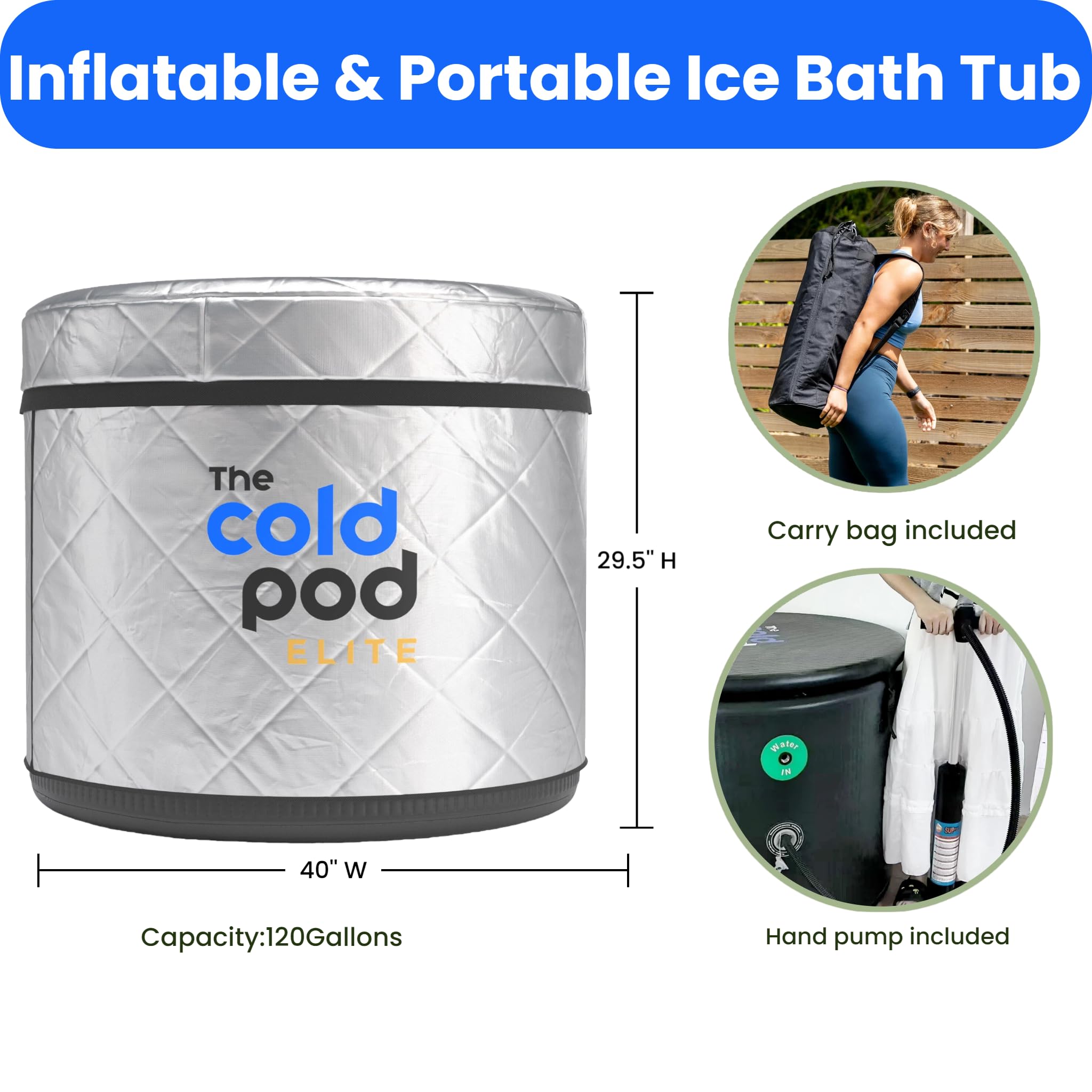
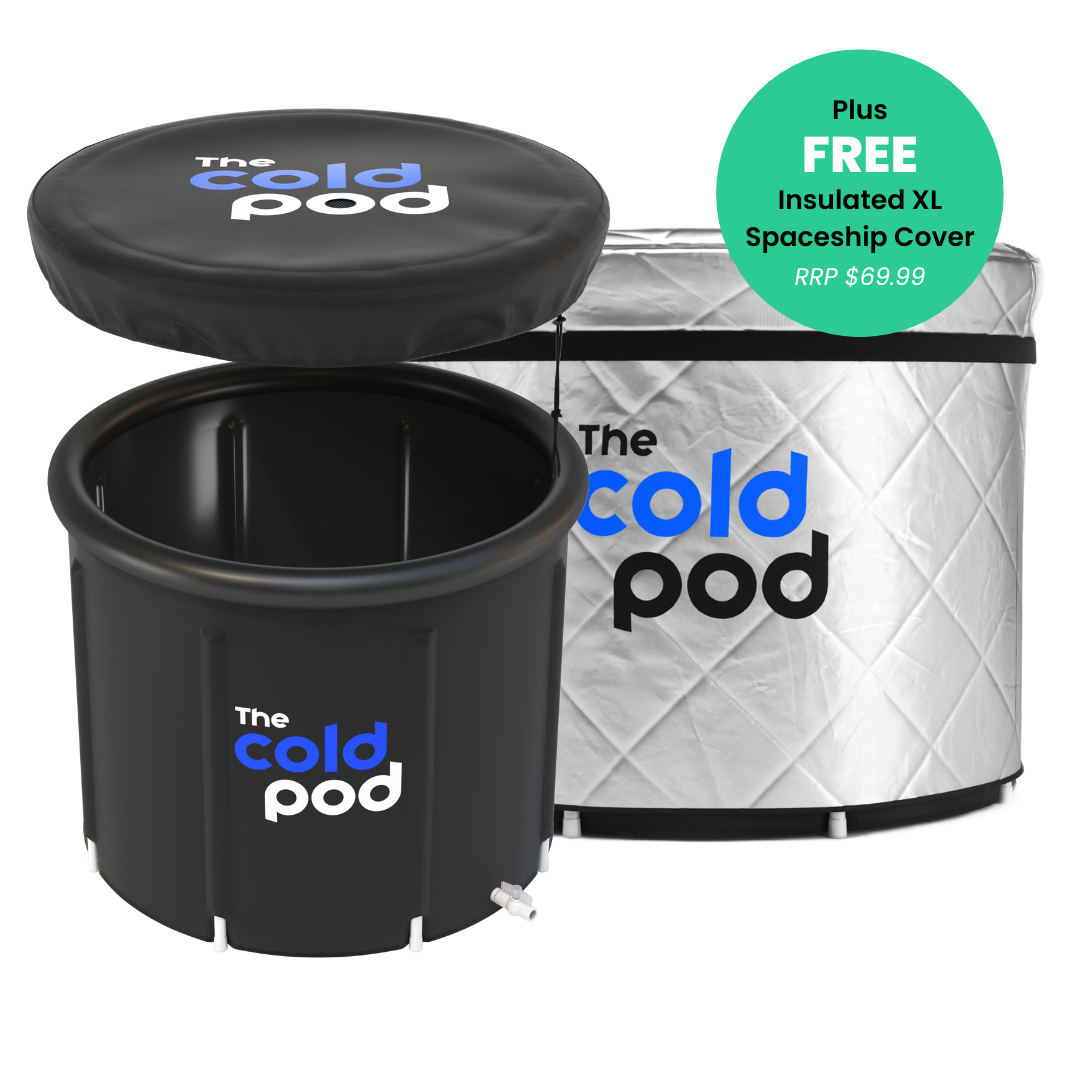
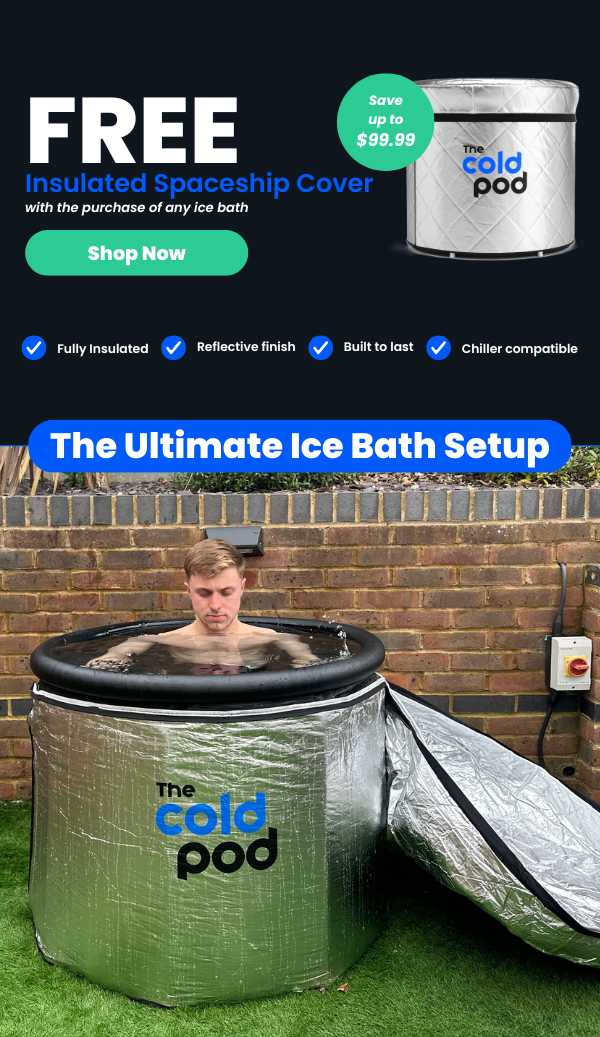
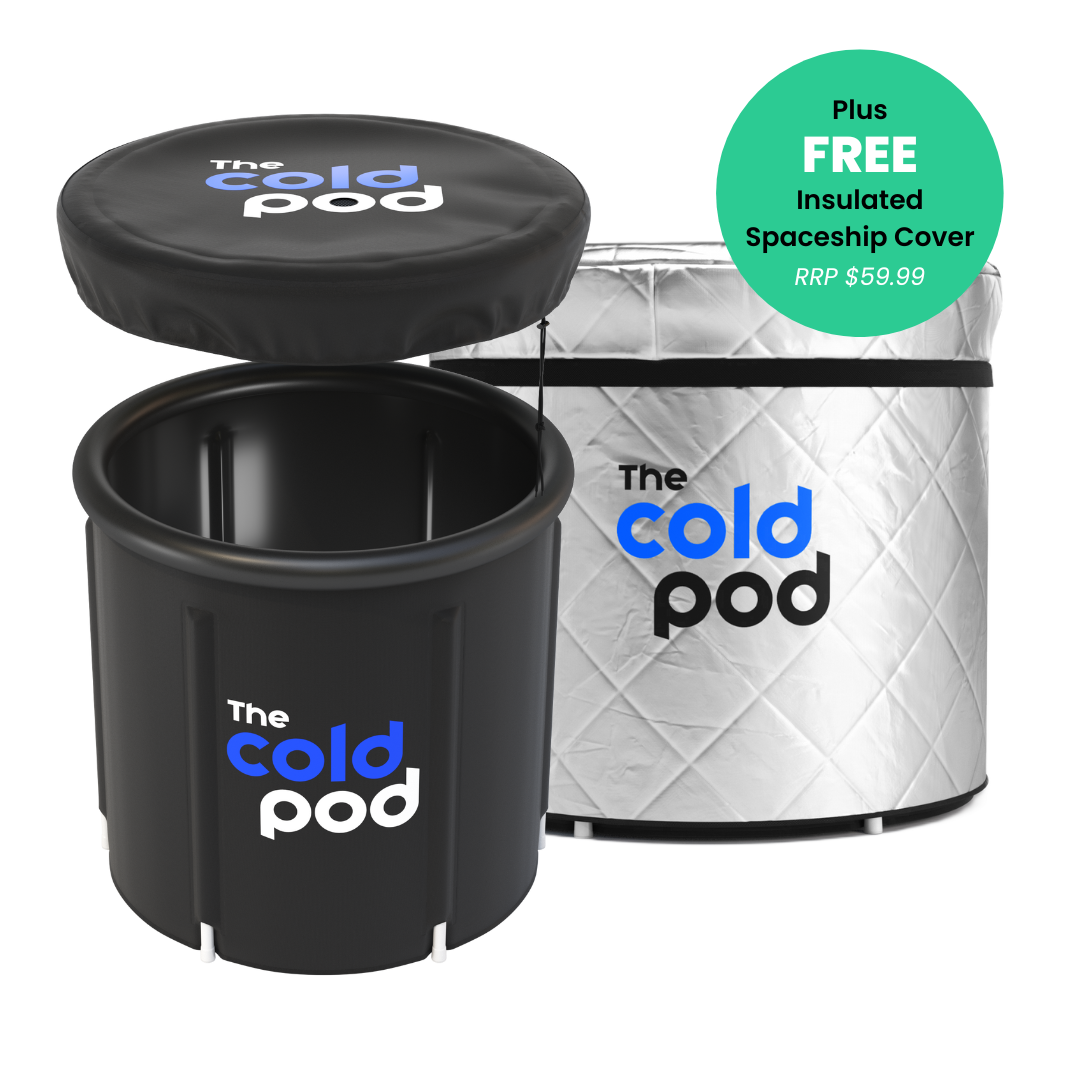
The Cold Pod is a home ice bath system made for cold-water immersion. It gives you a dedicated tub for sitting in cold water instead of using a bathtub, stock tank, or temporary plastic container.
The product range may include different models, covers, seats, and cooling options. Some versions use ice and cold tap water. Others may work with a separate water chiller. Always check the current model details before buying, as size, insulation, and included parts can change.
For most users, the appeal is simple:
• It creates a clear place for cold plunges at home.
• It takes up less space than a large spa or stock tank.
• It can be easier to drain and clean than a normal bathtub.
• It may cost less than a premium cold plunge with a built-in cooling system.
An ice bath is not a magic cure. Think of it as one recovery tool. It may help you feel less sore after hard exercise, but it does not replace sleep, food, strength training, mobility work, or medical care.

Is The Cold Pod Ice Bath Worth It for Home Use?
For many people, The Cold Pod Ice Bath is worth it because it removes some of the friction from cold-water therapy. A normal bathtub may be too warm, too deep, or shared with other people. A dedicated tub makes the habit more direct.
The real test is use. If the pod sits outside and you use it three times a week, it may offer strong value. If you buy it during a burst of motivation and stop after ten days, even a low price becomes expensive.
Here are the main signs it may suit you:
• You want a simple cold plunge at home.
• You have a safe outdoor or indoor space.
• You prefer a lower-cost setup.
• You do not mind adding ice or managing cold water.
• You enjoy routines that support training and mental discipline.
It may not be the best fit if you want warm water, automatic temperature control, or a luxury spa feel. An inflatable or portable pod can also feel less sturdy than a hard-sided plunge tank.
My practical view is simple: the best cold plunge is the one you will use often. A basic tub that fits your routine can beat a costly system that looks impressive but gathers dust.

The Cold Pod Ice Bath Cost and Value
Price is one of the biggest reasons people ask, “Is The Cold Pod Ice Bath Worth It?” The answer depends on the full cost, not just the purchase price.
A basic tub may look affordable at first. Yet ice, water treatment, a thermometer, a cover, and cleaning supplies can raise the total cost. If you use bags of ice each time, the ongoing expense may become greater than expected.
Consider these costs before you order:
• The Cold Pod purchase price
• Delivery and possible accessories
• Ice or electricity for cooling
• Water treatment products
• Replacement covers or filters
• Drainage and storage needs
• A thermometer for checking water temperature
A cold plunge with an electric chiller often costs much more at the start. However, it may reduce the need to buy ice. A simple pod has a lower entry price but may take more hands-on work.
To judge value, estimate your first-year cost. Divide that amount by the number of sessions you expect to complete. If you spend $300 and use the pod 100 times, the basic equipment cost is about $3 per session before ice and maintenance.
That calculation can make the decision clearer. It also prevents a common mistake: comparing only the sticker price.
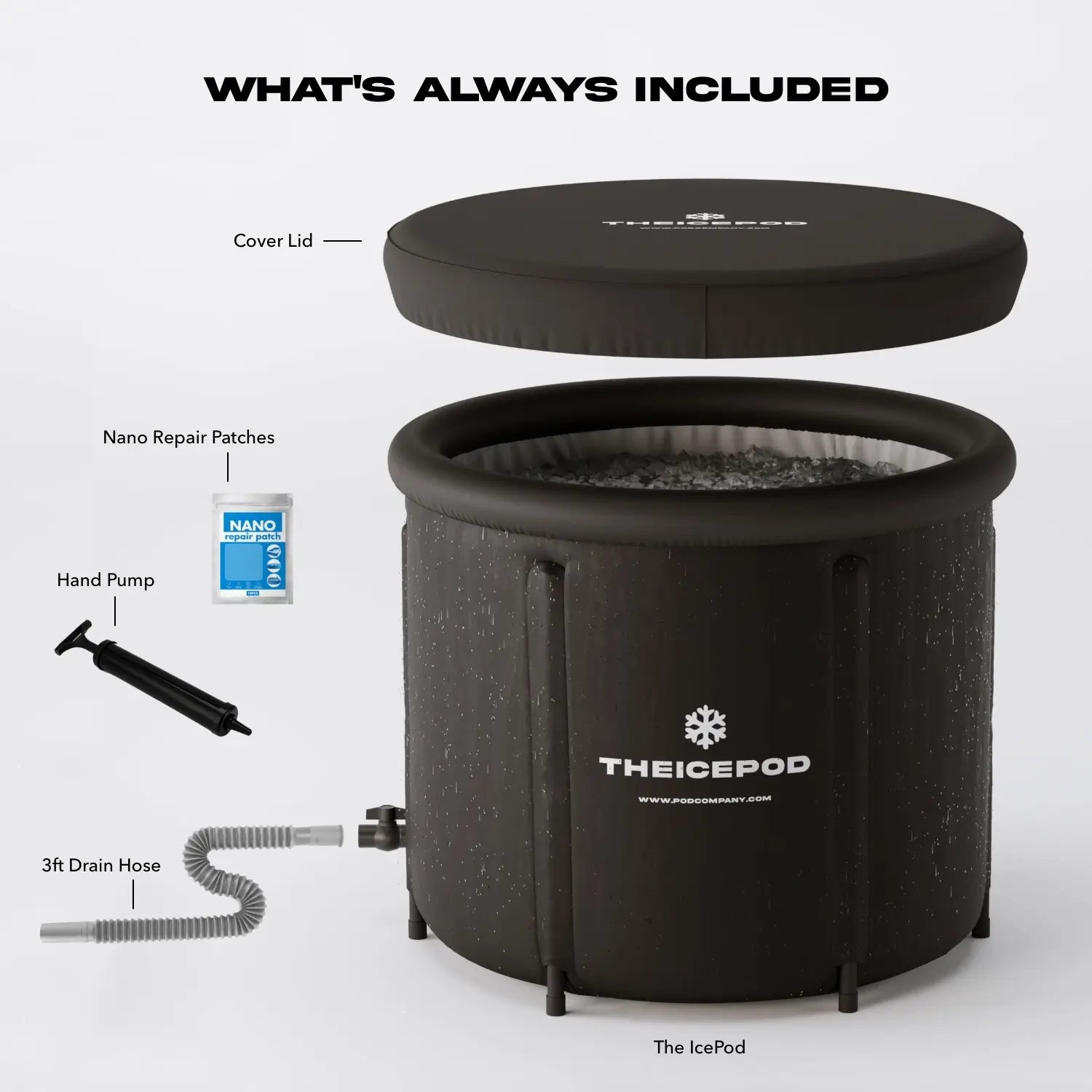
The Cold Pod Ice Bath Features to Consider
The exact features depend on the model, but several details matter in nearly every portable ice bath.
Insulation
Good insulation helps water stay cold for longer. It may reduce the amount of ice needed, especially in mild weather. Thin walls can make cooling less efficient and may allow outside heat to warm the water quickly.
Insulation will not stop warming in hot weather. It simply slows the process.
Size and water depth
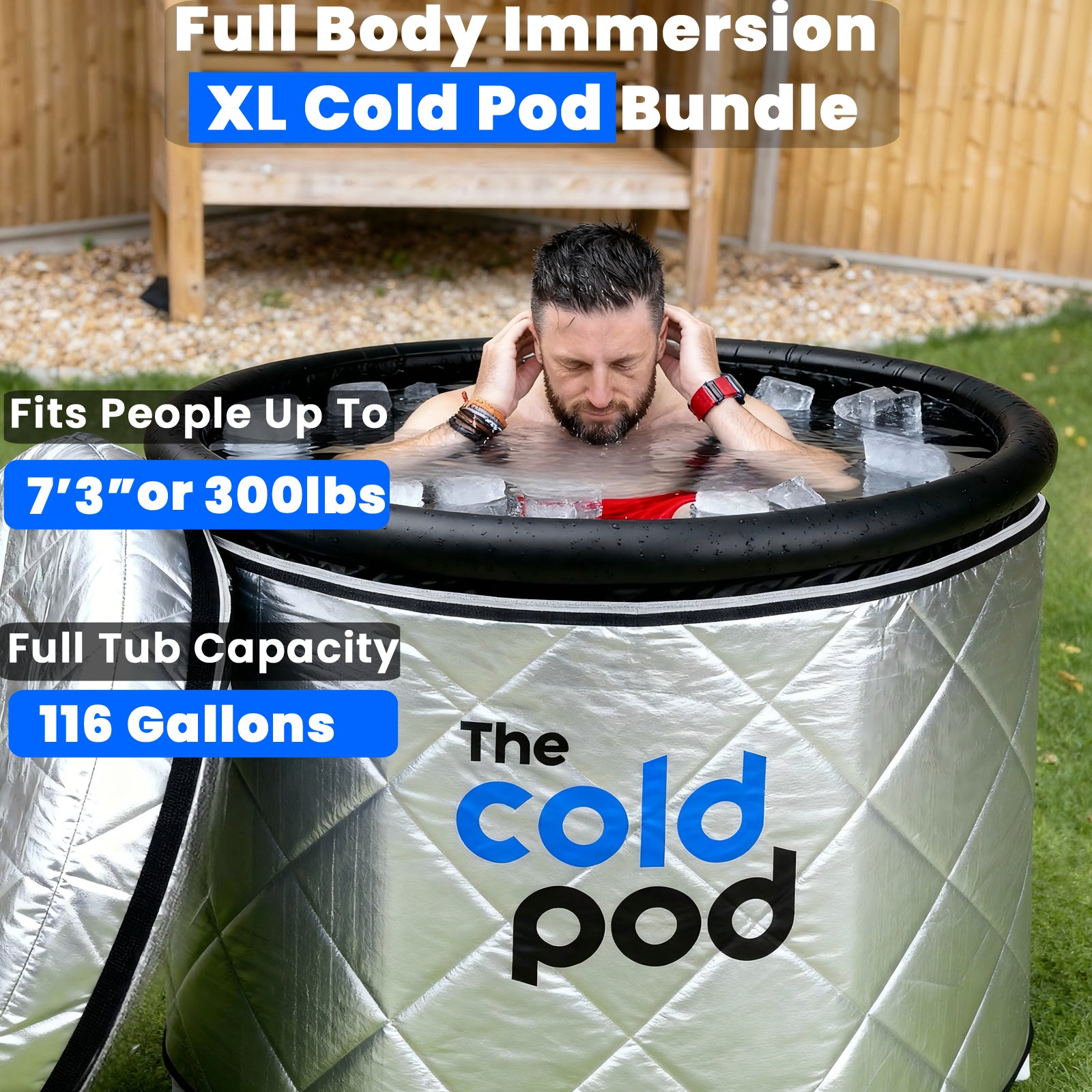
You need enough depth to cover your legs and torso comfortably. A taller user may need a larger model. Check the internal dimensions, not only the outside measurements.
A cramped tub can make each session feel unpleasant. A very large tub may need more water and more ice.
Drainage
A drain near the base makes emptying easier. Before using the pod, confirm that the drain hose can send water to a safe place. Do not flood a patio, basement, or neighbor’s yard.
Cover
A cover helps keep out leaves, insects, dust, and sunlight. It can also slow evaporation. A cover is useful, but it does not replace regular cleaning.
Stability
The pod should sit on a flat surface. Keep it away from sharp stones, rough concrete, pets, and objects that could puncture it. A stable base protects both the pod and the person using it.
Water care
Stagnant water can become dirty. Some owners use a filter or a water-safe treatment. Follow the product instructions and avoid adding random chemicals.
These small features often matter more than marketing language. A cold pod that is easy to fill, cover, drain, and clean is more likely to become part of your routine.
The Benefits of Using The Cold Pod Ice Bath
Cold-water immersion can create several short-term effects. Cold water causes blood vessels near the skin to narrow. It also stimulates the nervous system and can make you feel alert.
Research suggests that cold immersion after demanding exercise may reduce the feeling of muscle soreness. Some studies also show better perceived recovery. The effect is not the same for everyone, and the best temperature and timing remain uncertain.
Possible benefits include:
• A temporary reduction in muscle soreness
• A strong feeling of alertness
• A structured post-training routine
• A sense of mental accomplishment
• Less need to visit a commercial recovery center
• A convenient way to practice cold exposure at home
The mental benefit is often overlooked. Getting into cold water requires a calm breath and a short period of discomfort. Some people find that this teaches them to slow down instead of reacting quickly.
Still, cold exposure does not automatically improve fitness. It may even interfere with some strength and muscle-building signals when used immediately after resistance training every time. If muscle growth is your top goal, avoid making an ice bath your automatic habit after every lifting session.
Use it with purpose. It may make more sense after a long run, a game, or a very hard training day than after every strength workout.
The Cold Pod Ice Bath Limitations and Drawbacks
The Cold Pod Ice Bath is not perfect. The biggest drawback for many owners is water management.
A tub filled with cold water can become dirty, especially outdoors. Leaves, sweat, skin oils, and insects may enter the water. Without a good cleaning plan, the pod can smell bad or become unpleasant to use.
Other limitations include:
• Ice can be costly and inconvenient.
• Water temperature may rise between sessions.
• Portable materials can wear or puncture.
• The tub may not feel as solid as a hard-sided tank.
• A full tub can be heavy and difficult to move.
• Cold plunges may be uncomfortable for beginners.
• Outdoor use can be difficult during freezing weather.
Some users also expect too much. An ice bath cannot erase poor sleep or fix an injury. It may lower pain for a short time, which could hide symptoms that need attention.
The product also requires space. A small patio may fit the pod, but you still need room to enter and exit safely. Slippery ground near the tub is a serious risk.
These drawbacks do not make the product bad. They show why The Cold Pod Ice Bath is best for people who accept the routine that comes with ownership.
How Cold Should The Cold Pod Ice Bath Be?
Beginners do not need extreme temperatures. Start with cool water that feels challenging but manageable. Many people begin around 59 to 68 degrees Fahrenheit and adjust slowly.
Some experienced users go colder, but colder is not always better. Very cold water increases stress on the body and can make it harder to control your breathing.
A simple starting plan looks like this:
-
Fill the pod with cool water.
-
Check the temperature with a reliable thermometer.
-
Enter slowly while keeping your breathing calm.
-
Stay in for about one to three minutes at first.
-
Exit, dry off, and warm up naturally.
-
Increase time or lower the temperature only after several comfortable sessions.
Do not chase a record. Cold exposure is not a test of toughness. A short, controlled session is usually more useful than a long session that leaves you shaking.
Never use alcohol before a cold plunge. It can impair judgment and alter your body’s response to cold.
How to Use The Cold Pod Ice Bath Safely
Cold water can place stress on the heart and blood vessels. The first minute may cause a cold shock response, including rapid breathing, a faster heart rate, and a strong urge to leave.
Follow these safety steps:
• Speak with a health professional if you have heart disease, high blood pressure, circulation problems, diabetes, Raynaud’s disease, or another medical condition.
• Do not use the pod alone during your first sessions.
• Keep your head and neck above the water.
• Enter slowly rather than jumping in.
• Focus on steady breathing.
• Exit if you feel dizzy, confused, numb, weak, or unusually short of breath.
• Have warm clothes and a dry towel nearby.
• Do not use extreme heat right after a very cold session if you feel faint.
People who are pregnant, taking medicines that affect blood pressure, or managing a serious health condition should ask a qualified clinician before trying cold immersion.
This advice matters more than any performance claim. A product review should always include risk, not just comfort and convenience.

The Cold Pod Ice Bath Maintenance Guide
Good maintenance protects the water, the pod, and your skin. Start by following the manufacturer’s instructions for cleaning and water treatment.
A basic care routine includes:
• Use a cover when the pod is not in use.
• Rinse off before entering.
• Remove leaves and debris each day.
• Check the water for odor, cloudiness, or visible dirt.
• Clean the tub on a regular schedule.
• Drain and refill when the water no longer seems fresh.
• Inspect seams, valves, and the drain for leaks.
• Keep the area around the pod dry and clear.
Do not assume cold water stays clean. Low temperature may slow some bacterial growth, but it does not sterilize water.
If you use a chiller, clean the filter and follow its maintenance schedule. If you use ice, store it in a clean container and avoid touching it with dirty hands.
A clean pod feels better and removes one of the most common reasons people stop using a home ice bath.
The Cold Pod Ice Bath Compared With Other Options
The right choice depends on your budget, space, and desired level of comfort.
The Cold Pod compared with a bathtub
A bathtub is easy to access and costs nothing if you already own one. However, it may not stay cold, may use more water, and may be uncomfortable for full immersion.
The Cold Pod gives you a dedicated space and can be easier to use outside. It also adds a purchase cost and requires storage or setup space.
The Cold Pod compared with a stock tank
A stock tank is often sturdy and spacious. It may last for years, but it can be heavy, hard to move, and less comfortable without extra insulation or a seat.
The Cold Pod is usually more portable. Its lighter build may be a benefit, but it may not offer the same long-term toughness.
The Cold Pod compared with a premium chiller system
A premium system offers automatic cooling, stronger construction, and easier temperature control. It also costs much more and may use more power.
The Cold Pod can make sense for someone who wants to test cold plunging without spending several thousand dollars. A premium system may suit frequent users who value convenience above price.
The Cold Pod compared with a commercial cold plunge studio
A studio provides professional equipment and no home maintenance. But repeated visits add travel time and membership costs.
Home use wins when convenience helps you stay consistent. Commercial use wins when you want expert guidance, social support, or a more polished experience.
My Practical Take on The Cold Pod Ice Bath
A common mistake is buying an ice bath before building the habit. I recommend testing cold exposure first with a safe bathtub setup or a few sessions at a reputable facility. This shows whether you actually enjoy the process.
Another mistake is starting too cold. The first session should teach you how your body responds. It should not become a contest with online videos.
From a practical viewpoint, The Cold Pod Ice Bath makes the most sense for:
• Recreational athletes
• Runners and cyclists
• People who enjoy simple recovery rituals
• Users with outdoor space
• Buyers who want a lower-cost entry point
It makes less sense for someone who dislikes maintenance, has no safe place to put the tub, or expects a cold plunge to solve every recovery problem.
My best lesson is to focus on repeat use. Place the pod where you can reach it easily. Keep a towel and robe close by. Use a timer. Small details turn a difficult routine into a manageable one.
Is The Cold Pod Ice Bath Worth It for Muscle Recovery?
It can be worth it for short-term soreness relief, especially after demanding endurance exercise or competition. Studies on cold-water immersion often find improved perceived recovery, but results vary by person and activity.
Cold water may reduce soreness without improving the underlying repair process in the same way as sleep and nutrition. It can also reduce some training adaptations when used too often after strength workouts.
Use cold immersion as part of a wider plan:
• Eat enough protein and total calories.
• Drink enough fluids.
• Sleep seven to nine hours when possible.
• Use rest days and light movement.
• Save cold plunges for sessions where soreness or heat is a major concern.
If you have an injury, do not use the cold pod to avoid medical care. Pain that lasts, worsens, or affects movement deserves a proper evaluation.
Who Should Avoid The Cold Pod Ice Bath?
Cold plunging is not suitable for everyone. Sudden cold can cause a rapid change in heart rate and blood pressure.
Avoid unsupervised cold immersion if you have:
• Known heart or blood vessel disease
• Uncontrolled high blood pressure
• A history of fainting
• Serious circulation problems
• Cold allergies or cold-induced hives
• Raynaud’s disease
• Reduced sensation in the limbs
• A condition that affects temperature control
Ask a medical professional for personal advice if you are unsure. Product instructions cannot replace a health assessment.
Children should not use an ice bath without direct adult supervision and medical guidance. Safety should always come before performance goals.
How to Decide If The Cold Pod Ice Bath Is Worth It
Use this short checklist before buying:
-
Will you use it at least two or three times each week?
-
Do you have a safe, level location?
-
Can you manage ice, cooling, cleaning, and drainage?
-
Does the tub fit your height and body size?
-
Can you enter and exit without slipping?
-
Have you checked the full cost, including accessories?
-
Have you considered your health risks?
-
Would a bathtub, stock tank, or local facility meet your needs?
If most answers are yes, The Cold Pod Ice Bath may offer good value. If several answers are no, wait before buying or choose a simpler test first.
Do not let a discount create urgency. The best purchase is one that fits your real life, not your ideal week.
Frequently Asked Questions About Is The Cold Pod Ice Bath Worth It?
Is The Cold Pod Ice Bath good for beginners?
Yes, it can work for beginners if you start with cool water, short sessions, and careful breathing. A beginner should avoid very cold water and should not use the pod alone at first.
How long should you stay in The Cold Pod Ice Bath?
Start with about one to three minutes. You can slowly build your tolerance, but longer sessions are not automatically better and may increase the risk of excessive cooling.
Does The Cold Pod need ice?
Some Cold Pod setups rely on ice and cold water, while other versions may work with a separate cooling system. Check the exact product model to understand its cooling needs and ongoing costs.
Can The Cold Pod Ice Bath help with muscle soreness?
It may reduce the feeling of soreness after hard exercise for a short time. Research is mixed, and it should support—not replace—sleep, nutrition, rest, and proper injury care.
How often should you clean The Cold Pod?
Clean it according to the manufacturer’s instructions and sooner if the water becomes cloudy, dirty, or smelly. Outdoor tubs often need more frequent care because they collect debris and are exposed to heat.
Is The Cold Pod safe for people with high blood pressure?
Cold immersion can place extra stress on the heart and blood vessels. Anyone with high blood pressure should ask a qualified health professional before using it, especially if the condition is not well controlled.
Is The Cold Pod better than a regular bathtub?
It can be better for people who want a dedicated, portable, and outdoor-friendly setup. A bathtub may be better if you want to avoid purchase costs, maintenance, and storage needs.
Conclusion
So, is The Cold Pod Ice Bath worth it? For regular users who want a simple home cold plunge, it can be a practical and lower-cost option. Its value comes from convenience and repeated use, not from dramatic promises.
The main trade-offs are clear. You may save money compared with a premium chiller, but you will likely spend more time managing ice, water quality, cleaning, and temperature. Start slowly, follow safety guidance, and treat cold immersion as one part of a balanced recovery plan.
If the product fits your space, budget, and routine, it may be a worthwhile investment. Compare the current model details and total ownership cost before ordering, then share your own cold-plunge experience or questions in the comments.