A red light therapy face mask may support smoother skin, fewer fine lines, and a calmer, brighter complexion.
If you are curious about the benefits of using a red light therapy face mask, you are not alone. These glowing masks have moved from dermatology offices into home skin care routines. Red and near-infrared light may help skin cells produce energy, reduce mild inflammation, and support collagen over time. Still, results depend on the device, your skin, and how often you use it. This guide explains what the research shows, how to use a mask safely, and what results you can reasonably expect.
What is a red light therapy face mask?
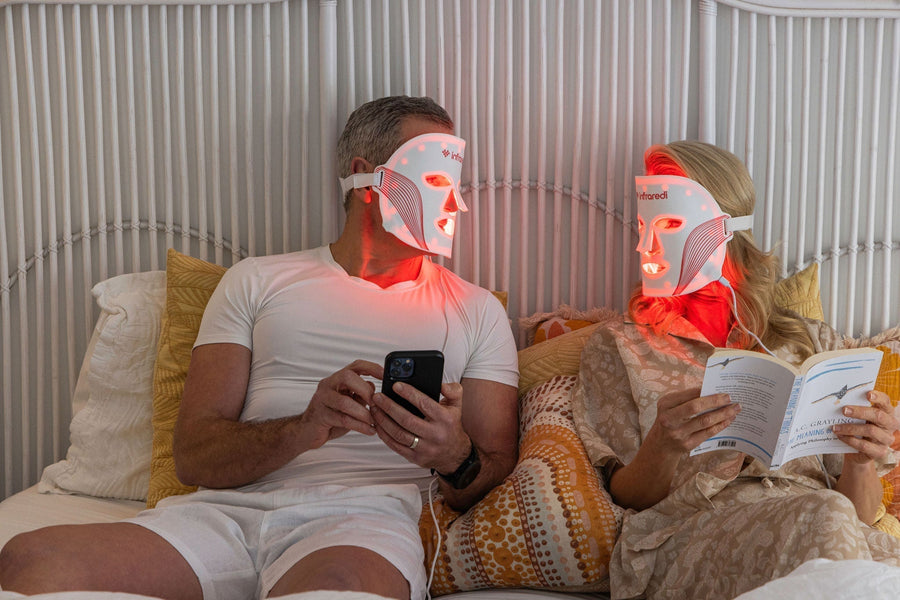
A red light therapy face mask is a wearable device that shines low-level red or near-infrared light onto the skin. It does not use ultraviolet light, heat, or tanning rays. Most home masks use red light near 630 to 660 nanometers and may also use near-infrared light near 810 to 850 nanometers.
The idea behind red light therapy is called photobiomodulation. In simple terms, light may help cells make more energy through structures called mitochondria. This can support normal repair signals and may help calm some forms of skin inflammation.
A red light therapy face mask is not the same as a laser treatment or intense pulsed light treatment. It is gentler and usually has less downtime, but home devices are also less powerful. Think of it as a steady daily nudge rather than a dramatic overnight change.

What are the main benefits of using a red light therapy face mask?
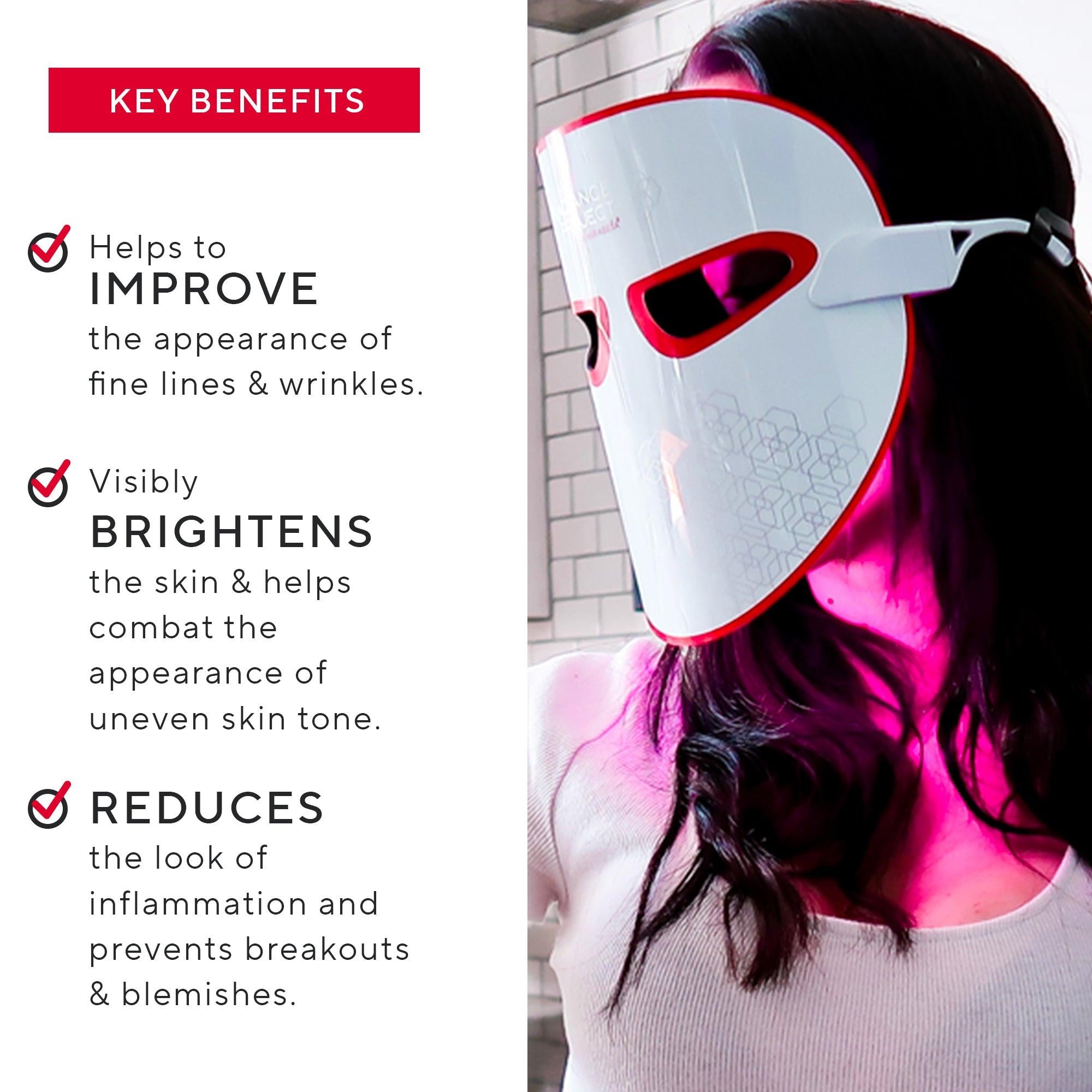
The benefits of using a red light therapy face mask are linked to skin repair, collagen support, and reduced irritation. Research is promising, but the results are often modest and build slowly.
1. It may soften fine lines
Red light may encourage fibroblasts to support collagen and elastin production. These proteins help skin stay firm and flexible. As collagen levels decline with age, fine lines can become more visible.
With regular use, some people notice softer lines around the eyes, forehead, and mouth. The effect is usually subtle. A mask will not erase deep wrinkles, but it may help skin look smoother and more rested.
2. It may improve skin texture
Uneven texture can come from dryness, mild sun damage, clogged pores, or normal aging. The benefits of using a red light therapy face mask may include a smoother feel and a more even-looking surface.
This change may happen because red light supports normal cell activity and reduces low-level irritation. It works best when paired with simple skin care, such as a gentle cleanser, moisturizer, and daily sunscreen.
3. It may reduce redness and inflammation
Red light therapy may help calm some inflammatory signals in the skin. This can make mild redness look less noticeable for certain users.
It is important to set realistic limits. A red light therapy face mask is not a proven cure for rosacea, eczema, psoriasis, or severe acne. If your skin burns, swells, or develops a lasting rash, stop using the device and seek medical advice.
4. It may support acne care
Some masks use both red and blue light. Blue light targets acne-related bacteria, while red light may help calm inflammation and support healing. A red-only mask may still help with redness, but it may not work as well for active acne as a device designed for both wavelengths.
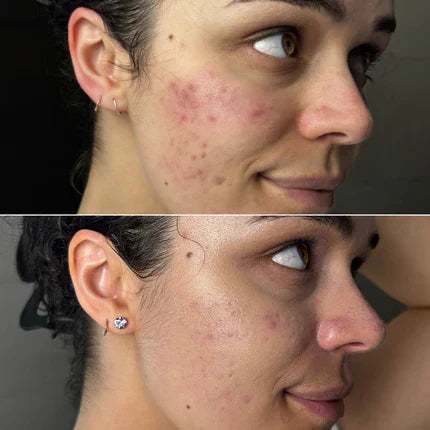
The benefits of using a red light therapy face mask for acne are usually greatest for mild inflammatory breakouts. It is less likely to help deep cysts, blackheads, or acne caused by hormones without other treatment.
5. It may brighten a dull complexion
Healthy-looking skin reflects light evenly. When the skin barrier is dry or irritated, the face can look dull. By supporting calm, balanced skin, red light may help create a brighter appearance.
This is not the same as bleaching or changing your natural skin tone. A brighter complexion usually means skin looks more even, rested, and hydrated.
6. It may support healing after minor irritation
Red light has been studied for tissue repair and wound healing in clinical settings. Some people use it to support recovery from minor skin irritation or blemishes.
Do not use a home mask over open wounds, fresh burns, or an active infection unless a health professional tells you to do so. The device is an add-on, not a replacement for proper medical care.
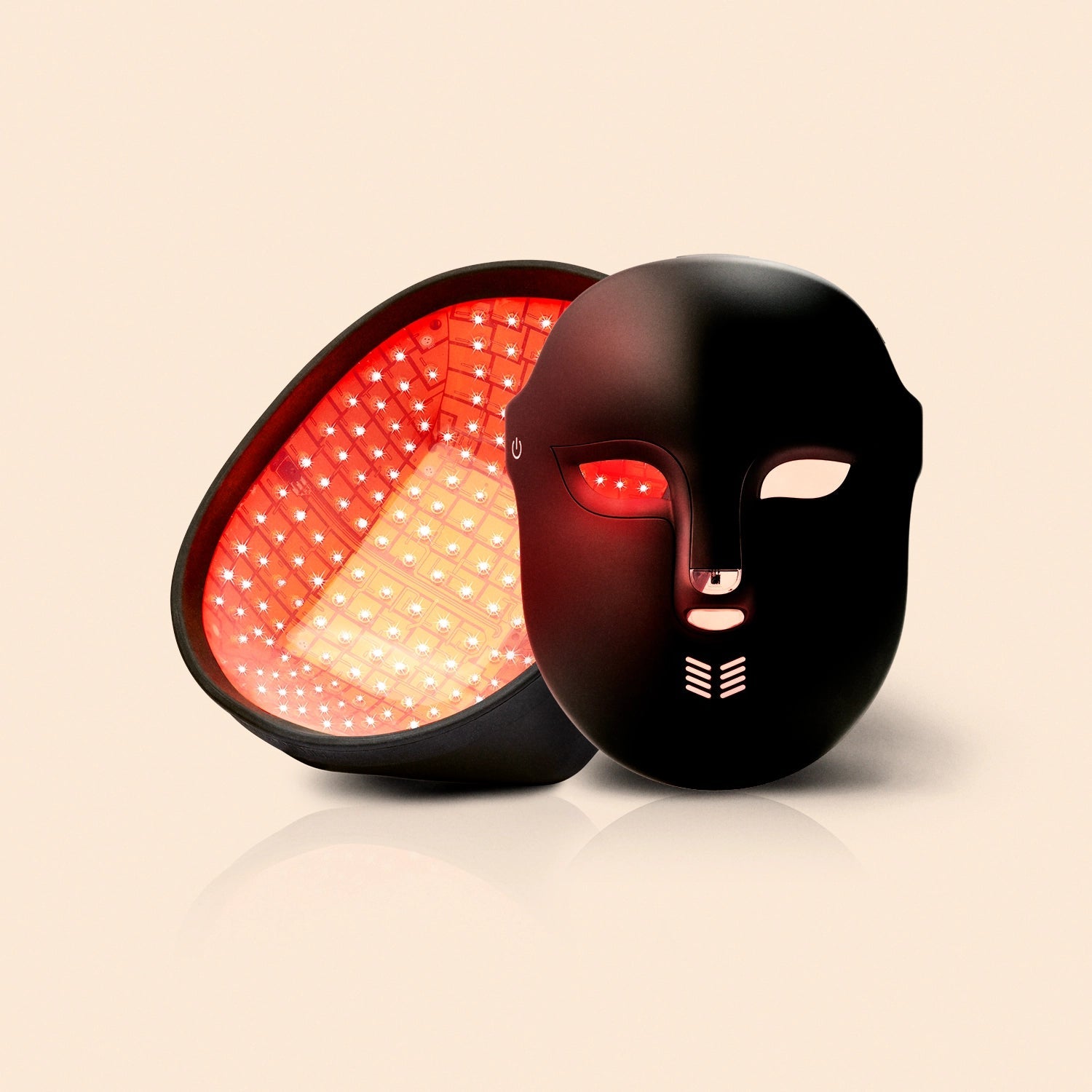
How does red light therapy work on facial skin?
Red and near-infrared light pass into the upper layers of the skin. Some light energy may be absorbed by cell structures involved in energy production. This process may help cells manage repair, inflammation, and oxidative stress.
Collagen support is one reason the benefits of using a red light therapy face mask attract so much interest. Collagen forms a strong network under the skin. Red light does not inject collagen, but it may encourage the skin’s natural support cells to remain active.
The dose matters. A device that is too weak may do little. One that is too strong, used too often, or used incorrectly may irritate the skin. More light is not always better.
Home masks also vary in:
• Wavelength
• Light intensity
• Treatment time
• Mask fit
• Coverage
• Safety testing
A product with clear technical details is easier to judge than one that only promises “medical-grade” results.
What does the research say?
Studies on LED light therapy suggest that red light may improve fine lines, skin smoothness, and overall appearance in some people. Small clinical trials have reported changes after several weeks or months of repeated treatment. However, studies differ in device strength, wavelength, treatment time, and participant age.
Reviews of photobiomodulation research often describe the treatment as promising but note that larger, better-controlled studies are still needed. This matters because marketing claims can sound stronger than the evidence.
The Food and Drug Administration may clear some devices for limited cosmetic or acne-related uses. FDA clearance does not mean a product guarantees results. It also does not mean every mask on the market has the same quality or performance.
A useful way to judge the benefits of using a red light therapy face mask is to ask:
• Is the wavelength listed?
• Is the light intensity listed in measurable units?
• Are safety instructions clear?
• Does the device fit well and cover the treatment area?
• Does the company explain its testing?
• Are claims modest and specific?
If a product promises to remove wrinkles, cure acne, and replace professional care, be cautious.
How to use a red light therapy face mask
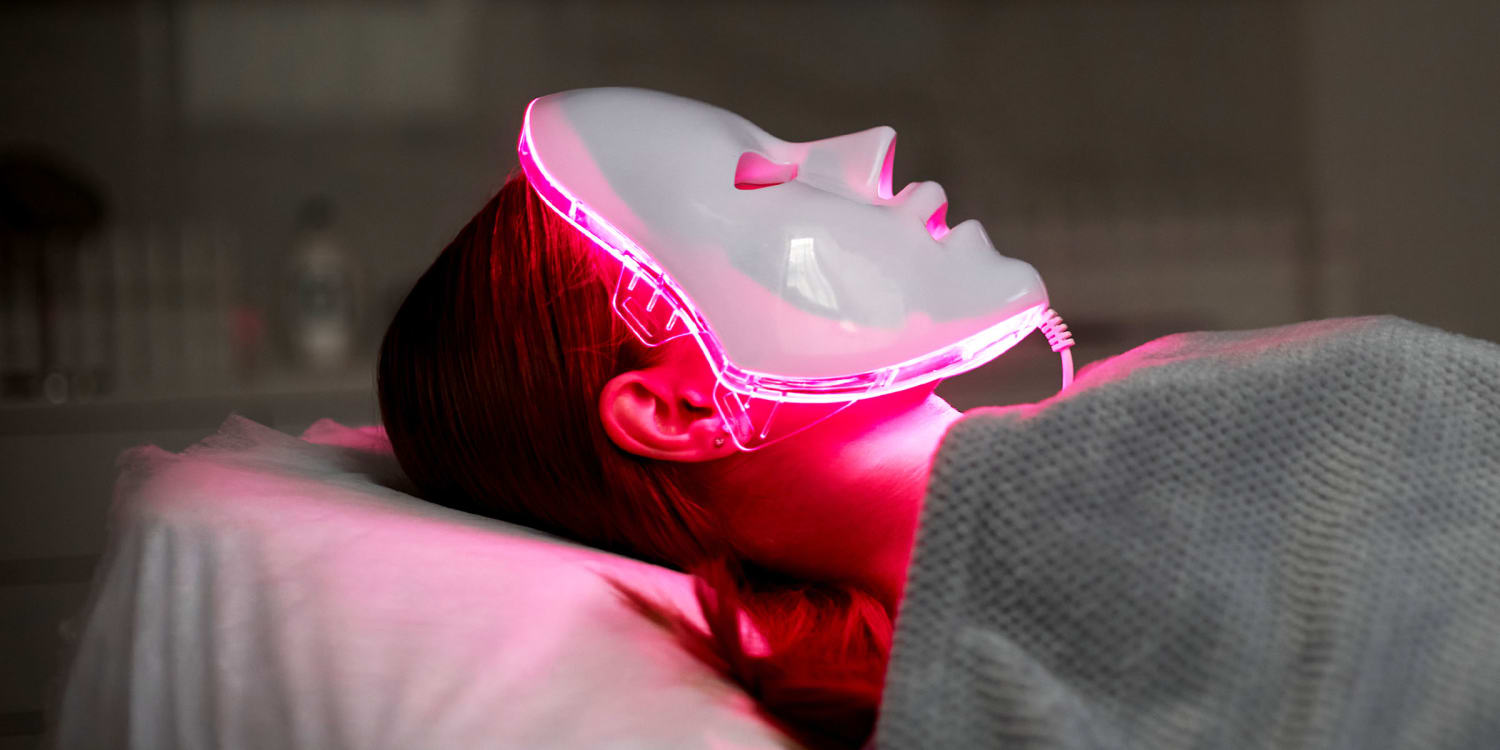
Correct use can improve comfort and help you stay consistent. Follow the instructions that come with your device because treatment times vary.
-
Clean your face with a gentle cleanser.
-
Dry your skin fully unless the instructions say otherwise.
-
Remove products that may increase light sensitivity.
-
Put on the recommended eye protection.
-
Wear the mask for the stated time.
-
Apply a plain moisturizer afterward if your skin feels dry.
-
Use broad-spectrum sunscreen during the day.
Many devices suggest treatment three to five times per week. Some allow daily use. Do not extend each session to speed up results. The benefits of using a red light therapy face mask come from regular, measured use, not from marathon sessions.
Take a photo before you begin. Use the same room, lighting, and facial expression each time. This gives you a more honest way to track changes than checking the mirror several times a day.

What should you avoid before and after treatment?
Certain skin care products and medicines can make skin more sensitive to light. Examples may include some retinoids, antibiotics, acne medicines, and products with strong exfoliating acids.
Ask a dermatologist or pharmacist if you use medication that warns about photosensitivity. Do not assume that a home LED mask is safe with every product.
Avoid these common mistakes:
• Using the mask on wet skin
• Looking directly at bright LEDs
• Skipping eye protection
• Using it longer than directed
• Applying strong acids before treatment
• Using the mask over broken skin
• Expecting results after one session
• Replacing sunscreen with light therapy
A simple routine often works best. Clean skin, the correct treatment time, moisturizer, and sunscreen are enough for most users.
How long does it take to see results?
The benefits of using a red light therapy face mask usually appear slowly. Some people notice a temporary glow after a session because of increased blood flow. That short-term effect is not the same as lasting collagen change.
Fine lines and texture may take eight to twelve weeks of steady use to show a visible difference. Acne-related redness may change sooner, but not for everyone. Take progress photos once every four weeks rather than judging your skin each day.
Results can fade when treatment stops. This does not mean the mask is addictive. It means the skin continues to age and face the same environmental stressors, such as sunlight, dryness, and pollution.
Sunscreen remains the most important anti-aging step. Red light can support a routine, but it cannot undo repeated ultraviolet exposure.
Is a red light therapy face mask safe?
For most healthy adults, red light therapy appears to have a good safety record when used as directed. Common short-term effects may include mild warmth, temporary redness, dryness, or tightness.
Stop using the mask if you develop pain, blistering, swelling, eye discomfort, or a rash that does not settle. Contact a medical professional if symptoms continue.
Use extra care if you have:
• A condition that causes light sensitivity
• Lupus or another autoimmune disorder affected by light
• An eye disease
• A history of photosensitive seizures
• Skin cancer or suspicious skin changes
• Recent facial surgery
• Medication that increases light sensitivity
Eye safety deserves special attention. A device can feel gentle on the skin but still be uncomfortable for the eyes. Use the protection recommended by the manufacturer and never stare into the LEDs.
Who may benefit most from a red light therapy face mask?
A red light therapy face mask may suit adults who want a gentle, at-home option for early fine lines, mild redness, or uneven texture. It may also appeal to people who cannot take time off for in-office procedures.
The benefits of using a red light therapy face mask may be easier to notice when your goals are realistic. A small improvement in smoothness or glow is more likely than a dramatic lift.
People with severe acne, deep wrinkles, pronounced pigmentation, or a chronic skin condition may need a more complete plan. A dermatologist can suggest treatments with stronger evidence for your specific concern.
If you have a deeper skin tone, LED light is not expected to cause the same pigment risk as some heat-based or laser procedures. Still, irritation can trigger dark marks in any skin tone. Start slowly and monitor your response.
How to choose the best red light therapy face mask
Look beyond the color of the lights. A quality device should provide useful specifications and clear instructions.
Consider these features:
• Listed red and near-infrared wavelengths
• Clear treatment time
• Published light intensity
• Comfortable, even facial coverage
• Built-in timer
• Reliable eye protection
• Return policy and warranty
• Independent safety testing
• Clear information about cleaning
Flexible silicone masks often sit closer to the face. Rigid masks may hold their shape but can feel heavy. Comfort matters because the best device is one you will use correctly and consistently.
Be careful with dramatic before-and-after photos. Lighting, makeup, camera filters, and facial expression can change how skin looks. Independent reviews can help, but they are not a substitute for clinical evidence.
Red light therapy face mask compared with other treatments
Red light therapy is one part of a larger skin care world. Each option has a different strength.
LED mask versus topical retinoids
Retinoids have stronger evidence for improving fine lines and acne. They can also cause dryness, peeling, and irritation. Some people use LED therapy as a gentler addition, but they should ask a professional about combining treatments.
LED mask versus chemical exfoliation
Exfoliating acids can improve dullness, clogged pores, and uneven texture. Overuse can harm the skin barrier. Red light does not exfoliate, so it may be easier to tolerate for people with sensitive skin.
LED mask versus professional laser treatment
Laser treatments can create more noticeable changes in texture, scars, and pigmentation. They also carry more risk, cost, and downtime. A home mask is milder and more convenient, but its results are usually less dramatic.
LED mask versus sunscreen
These treatments are not interchangeable. Sunscreen helps prevent ultraviolet damage, while red light therapy may support skin function. Use sunscreen every morning, even when using a mask.
Practical lessons and mistakes to avoid
One of the most useful lessons from reviewing home light devices is that consistency beats excitement. People often use a mask every day for one week, see little change, and stop. Skin biology moves more like a slow sunrise than a camera flash.
Another common mistake is changing several products at once. If you add a mask, a new retinol, and a strong exfoliant on the same day, you will not know what helped or caused irritation. Add one change at a time.
Keep the routine simple:
• Start with the lowest schedule allowed by the instructions.
• Track redness, dryness, breakouts, and comfort.
• Take monthly photos in the same light.
• Stop if your skin becomes painful or persistently irritated.
• Give the routine at least two to three months unless problems occur.
These steps make it easier to decide whether the benefits of using a red light therapy face mask are worth the time and cost for you.
Frequently Asked Questions
What are the benefits of using a red light therapy face mask?
The benefits of using a red light therapy face mask may include smoother-looking skin, softer fine lines, less visible redness, and a brighter complexion. Results are usually gradual and vary by device, skin type, and treatment routine.
Can a red light therapy face mask get rid of wrinkles?
It may soften the appearance of fine lines by supporting collagen activity and skin repair. It cannot remove deep wrinkles or create the same result as a professional cosmetic procedure.
How often should I use a red light therapy face mask?
Many home devices recommend three to five sessions per week, while some allow daily use. Follow the device instructions and do not use longer sessions to try to improve results faster.
Can I use a red light therapy face mask every day?
Some masks are designed for daily use, but others are not. Check the manual, begin slowly, and reduce use if you notice dryness, warmth, redness, or irritation.
Does red light therapy help acne?
Red light may help calm inflammation linked with mild acne. Masks that also use blue light may target acne-related bacteria, but severe or cystic acne often needs treatment from a dermatologist.
Should I wear eye protection with an LED face mask?
Use the eye protection recommended for your device, especially if the LEDs feel bright or uncomfortable. Stop treatment if you notice eye pain, blurred vision, or lasting discomfort.
Can red light therapy replace sunscreen?
No. Red light therapy does not protect the skin from ultraviolet rays. Daily broad-spectrum sunscreen is still essential for preventing sunburn, premature aging, and skin cancer.
Conclusion
The benefits of using a red light therapy face mask may include smoother texture, softer fine lines, reduced mild redness, and a healthier-looking glow. The treatment is gentle for many people, but it works best with patience, proper eye protection, realistic expectations, and regular sunscreen use.
Choose a device with clear specifications, follow the recommended schedule, and track your results over several weeks. If you have a skin condition, take photosensitizing medicine, or experience irritation, speak with a dermatologist before continuing. Explore trusted skin care resources, and share your experience or questions in the comments.