A red light therapy face mask may soften some acne scars, but it works best for redness and mild texture changes.
If you are asking, “Can a red light therapy face mask reduce acne scars?” the honest answer is yes, sometimes—but not in the way many ads suggest. Red light may calm inflammation, support collagen, and fade lingering red marks. It usually cannot erase deep acne pits or raised scars on its own. This guide explains what the research shows, how to use a mask safely, and when professional care may offer better results.
What Are Acne Scars?
Acne scars are lasting changes in the skin after acne heals. They form when inflammation damages collagen or causes the body to make too much scar tissue.
Many people call every post-acne mark a scar. However, there are two main types:
• Post-inflammatory erythema, or PIE, appears as red, pink, or purple marks.
• Post-inflammatory hyperpigmentation, or PIH, appears as brown or gray marks.
• Atrophic scars create dents in the skin. Ice pick, boxcar, and rolling scars are common examples.
• Hypertrophic or keloid scars form raised areas because the body makes excess collagen.
Red light therapy may help some red marks and support mild skin repair. It is much less likely to change deep dents or thick raised scars.
This difference matters. A flat red mark is like a stain on fabric. A deep scar is more like a tear in the fabric. Light may help the stain fade, but it cannot fully rebuild the missing structure.
Can a Red Light Therapy Face Mask Reduce Acne Scars?
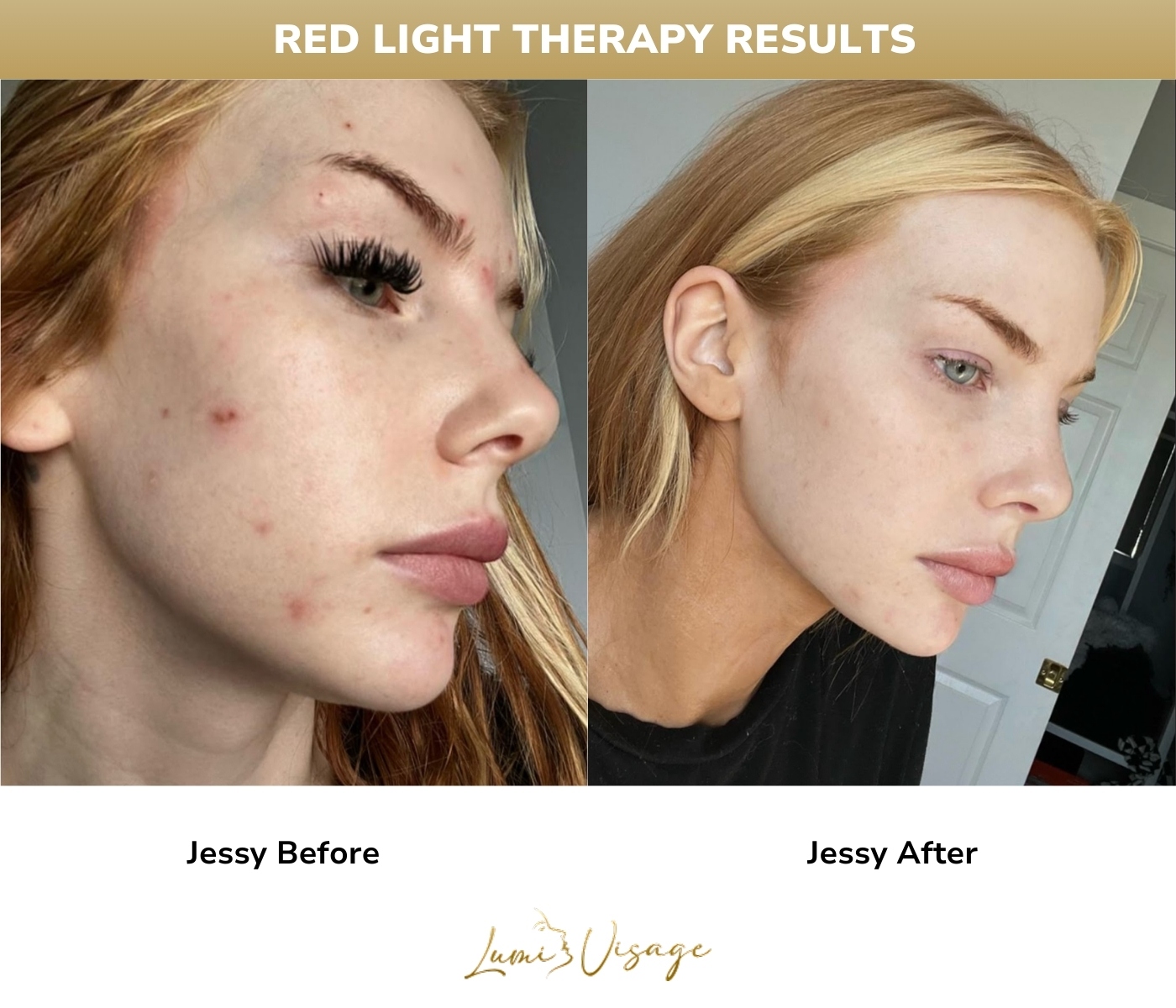
A red light therapy face mask can reduce the look of some acne scars, especially red marks and mild uneven texture. It may also help active acne, which can reduce the chance of new marks forming.
Red light therapy uses low levels of visible red light, often near red wavelengths around 630 to 660 nanometers. Some devices also use near-infrared light, often around 810 to 850 nanometers. These wavelengths may reach skin cells and support processes linked with inflammation control and collagen activity.
When asking, “Can a red light therapy face mask reduce acne scars?” it helps to separate three possible effects:
• It may reduce redness by calming ongoing inflammation.
• It may support collagen production, which can slowly improve mild texture.
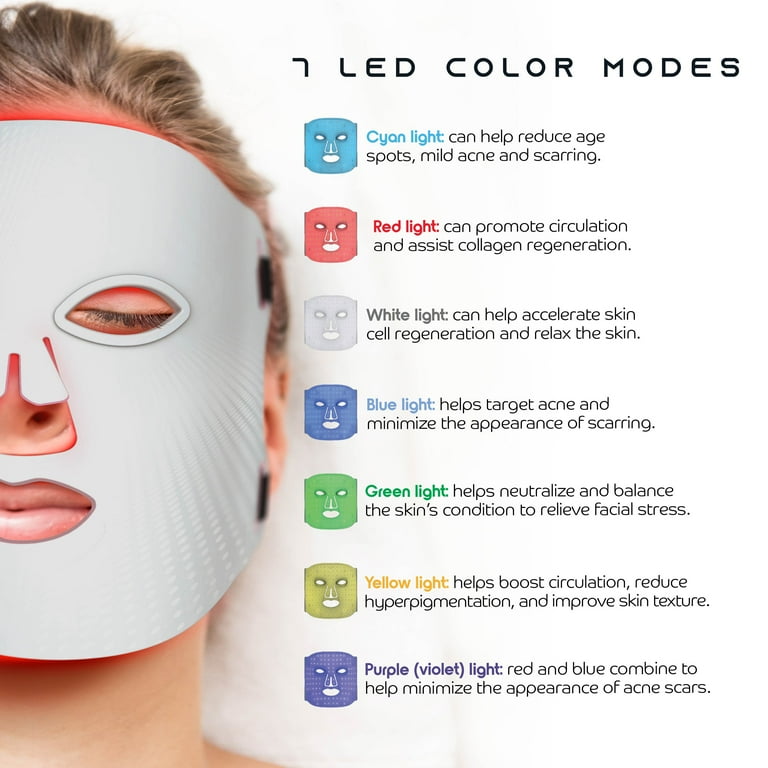
• It may help active breakouts in some people, though blue light is often used more directly for acne-causing bacteria.
The results are usually gradual. Think of red light therapy as gentle training for the skin, not a quick resurfacing treatment. Most users need consistent sessions for several weeks or months before judging the effect.
Research on red light and LED treatments shows promise, but studies vary in light strength, treatment time, device quality, and patient skin type. This makes it difficult to promise the same result for every person.

How Red Light Therapy May Help Scarred Skin
Red light may affect the skin in several ways. The exact response can differ from one person to another.
It may calm inflammation
Acne often leaves behind redness because the skin remains irritated after the blemish is gone. Red light may help regulate inflammatory signals. This could make fresh red marks look less intense over time.
This effect is more relevant to PIE than to true indented scars. Brown marks may need sun protection and pigment-focused treatments instead.
It may support collagen activity
Collagen gives skin strength and structure. When acne destroys collagen, a depression can remain. Red light may encourage fibroblasts, the cells involved in collagen production, to become more active.
Still, home masks produce mild energy levels. They do not usually reach the skin with the same intensity as professional laser or microneedling treatments. As a result, a home device may offer a small improvement rather than a dramatic repair.
It may support skin healing
Red light is also studied for tissue repair. Better cellular energy and blood flow may help the skin recover from irritation. This is one reason some people find their skin looks calmer and more even after regular use.
These benefits do not mean that red light can remove all acne scars. Skin healing has limits, especially when a scar is deep, old, or raised.
Which Acne Scars Respond Best?
The answer to “Can a red light therapy face mask reduce acne scars?” depends heavily on the scar type.
Red and pink marks
These marks may respond best. Red light can sometimes reduce the look of lingering redness by calming inflammation. They may also fade naturally with time, so it can be hard to know how much improvement came from the mask.
Brown or dark marks
Red light is not a first-line treatment for hyperpigmentation. Daily broad-spectrum sunscreen is more important. Without sun protection, dark marks can last longer and become darker.
Some people use ingredients such as azelaic acid, retinoids, or vitamin C for uneven tone. These products can irritate sensitive skin, so introduce only one new product at a time.
Mild rolling scars
A red light therapy face mask may support small changes in overall texture. However, the improvement is often subtle. Rolling scars usually respond more strongly to treatments such as subcision, microneedling, or fractional laser therapy.
Ice pick and deep boxcar scars
These scars rarely improve much with a home LED mask. They extend deeper into the skin and often need a treatment plan from a board-certified dermatologist.
Raised scars
Use caution with raised scars. Red light may soothe irritation, but it should not replace medical care. A dermatologist may recommend silicone therapy, injections, laser treatment, or other options.

What the Research Really Shows
Research suggests that LED light therapy can influence inflammation, wound repair, and collagen-related activity. Small clinical studies have also found that red or near-infrared light may improve skin tone and texture in some settings.
Yet the evidence for acne scars remains limited. Many studies examine general skin aging, wound healing, or active acne rather than deep acne scarring. Home masks also vary widely in light strength, wavelength, fit, and safety controls.
A useful way to read product claims is to ask:
• Does the device list its wavelengths?
• Does it state the energy level or irradiance?
• Does it include eye protection guidance?
• Has the device been cleared for a specific use, or does it only make broad cosmetic claims?
• Are the treatment instructions clear and realistic?
Regulatory clearance does not guarantee strong scar results. It usually means the device met certain safety or similarity standards for a stated use. It is not proof that the mask will erase acne scars.

How to Use a Red Light Therapy Face Mask
If you decide to try a red light therapy face mask, consistency and safe use matter more than long sessions.
-
Clean your face with a gentle cleanser.
-
Dry your skin fully unless the device instructions say otherwise.
-
Use the mask for the recommended time. Many home devices suggest about 10 to 20 minutes.
-
Follow the schedule in the manual. More time does not always mean better results.
-
Apply a simple moisturizer afterward if your skin feels dry.
-
Use broad-spectrum SPF 30 or higher each morning.
-
Take a photo once every four weeks under similar lighting.
Avoid using the mask over open wounds, severe irritation, or a fresh chemical peel. If the mask feels hot, painful, or sharply uncomfortable, stop using it.
Do not judge results after only a few days. A fair trial often takes eight to twelve weeks, provided the device is used as directed.

Mistakes That Can Limit Results
Many disappointing results come from poor habits rather than the idea of red light therapy itself.
Using it only once in a while
LED therapy is not usually an instant treatment. Missing many sessions makes it difficult to see whether the mask works for you.
Expecting it to remove deep scars
A mask may improve the overall look of the skin. It cannot reliably fill a deep ice pick scar or release a tethered rolling scar.
Skipping sunscreen
Sun exposure can deepen dark marks and increase contrast between scarred and clear skin. Daily sunscreen protects the progress made by any treatment.
Combining too many active products
Retinoids, exfoliating acids, benzoyl peroxide, and prescription medicines can all irritate the skin. Adding red light on top of an already damaged skin barrier may lead to burning or peeling.
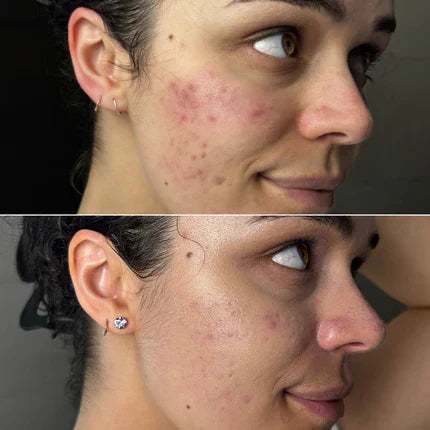
Trusting dramatic before-and-after photos
Lighting, camera angle, makeup, and skin moisture can change the appearance of scars. Look for long-term photos taken in consistent conditions.
Ignoring active acne
New breakouts can create new scars. Treating acne early is often more valuable than focusing only on old marks.
Is Red Light Therapy Safe for Everyone?
For many people, red light therapy is well tolerated. Mild dryness, warmth, temporary redness, or irritation can occur. These effects often improve when sessions are shortened or spaced out.
Ask a health professional before using a mask if you:
• Take medicines that increase sensitivity to light.
• Have lupus or another light-sensitive condition.
• Have an eye disorder or trouble following eye protection instructions.
• Are pregnant and want advice about a specific device.
• Have a history of abnormal scars or keloids.
• Have a current rash, infection, or open wound.
Use the eye protection recommended by the manufacturer. Do not stare into bright LEDs. Stop treatment and seek medical advice if you develop swelling, blistering, lasting pain, vision changes, or a severe rash.
People with darker skin should also watch for irritation. Inflammation can sometimes trigger more pigmentation after injury. Gentle treatment and sun protection are especially important.

Red Light Therapy Compared With Other Scar Treatments
A red light therapy face mask is convenient and usually less intense than clinic-based treatments. Its main strengths are low downtime, ease of use, and possible support for redness and mild texture.
Other treatments may work better for specific scars:
• Topical retinoids may support cell turnover and collagen over time.
• Azelaic acid may help acne, redness, and dark marks.
• Microneedling creates controlled tiny injuries to stimulate collagen.
• Chemical peels can improve surface texture and discoloration.
• Fractional laser treatments can target texture more deeply.
• Subcision may release bands that pull rolling scars downward.
• Fillers can temporarily lift selected depressed scars.
• Steroid injections or other medical treatments may help raised scars.
A dermatologist can match the treatment to the scar pattern, skin tone, acne activity, and risk of pigment changes. Combining treatments may work better than relying on one tool.

A Practical Plan for Trying a Face Mask
If your acne is mostly controlled and your scars are mild, try a careful 12-week plan.
Weeks one to four
Use the mask according to its instructions. Keep the rest of your routine simple. Use a gentle cleanser, moisturizer, and sunscreen.
Weeks five to eight
Check for changes in redness, skin comfort, and texture. Do not increase the session length just because results seem slow.
Weeks nine to twelve
Compare photos taken in the same room and light. If there is no change, the device may not be strong enough, the scar type may not respond well, or another treatment may be more suitable.
See a dermatologist sooner if acne is painful, cystic, spreading, or leaving new scars. Treating the cause is the best way to protect your future skin.
Frequently Asked Questions About Can a Red Light Therapy Face Mask Reduce Acne Scars?
Can a red light therapy face mask remove deep acne scars?
No. A red light therapy face mask may support mild texture improvement, but it usually cannot remove deep ice pick or boxcar scars. Professional treatments are often needed for structural scars.
How long does red light therapy take to improve acne scars?
Some people notice calmer skin within a few weeks, but scar changes often take eight to twelve weeks or longer. Results depend on the scar type, device quality, treatment routine, and sun exposure.
Can red light therapy make acne scars worse?
It can cause irritation if used too often or on damaged skin. Irritation may increase redness or trigger dark marks, so follow the device instructions and stop if burning or swelling occurs.
Is red light or blue light better for acne scars?
Red light is generally more useful for inflammation and healing support. Blue light is more often used to target acne-causing bacteria, so it may help active acne rather than established scars.
Can I use skin care products with a red light therapy face mask?
Many people use a gentle moisturizer after treatment. Avoid applying irritating products before a session unless a dermatologist or the device instructions specifically recommend it.
Should I use sunscreen with red light therapy?
Yes. Sunscreen is essential, especially for brown acne marks. Use broad-spectrum SPF 30 or higher every morning and reapply during extended outdoor exposure.
Conclusion
So, can a red light therapy face mask reduce acne scars? It may soften redness, calm inflammation, and support mild changes in skin texture. It is not a cure for deep, raised, or strongly indented scars.
Use a reliable device on a steady schedule, protect your skin from the sun, and take progress photos over several months. If your scars are deep or your acne is still active, a dermatologist can create a more effective plan. Explore trusted skin care resources, discuss options with a qualified professional, and share your experience or questions in the comments.