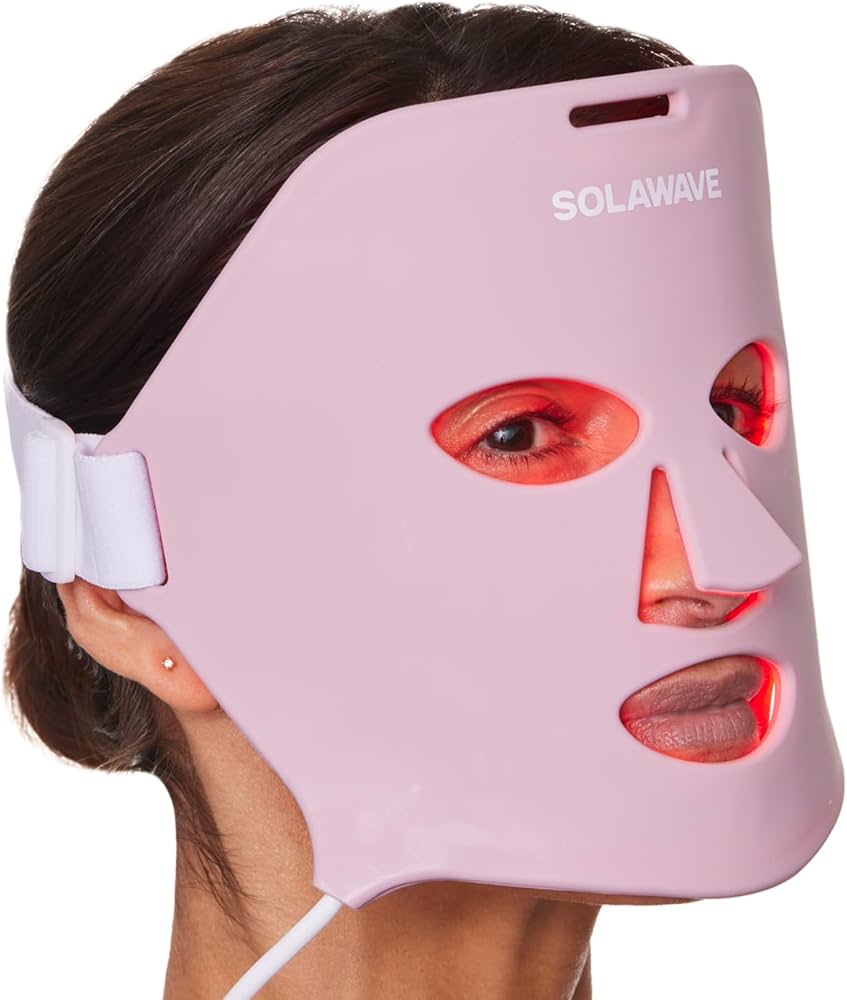
Yes, a red light therapy face mask may soften fine lines with steady, correct use.
Does a red light therapy face mask help with wrinkles? Research suggests it can support collagen activity, calm mild inflammation, and improve skin texture over time. Still, results are gradual, modest, and strongly linked to the mask’s wavelength, power, fit, and your routine.
Red light therapy is also called photobiomodulation or low-level light therapy. It uses specific wavelengths of visible red light and, in some devices, near-infrared light. Unlike ultraviolet light, it does not aim to damage the skin to create change. Instead, it may help skin cells produce more energy and support normal repair.
This guide explains how red light therapy works, what the research shows, how to use a face mask safely, and when another wrinkle treatment may be a better choice.

How does red light therapy help wrinkles?
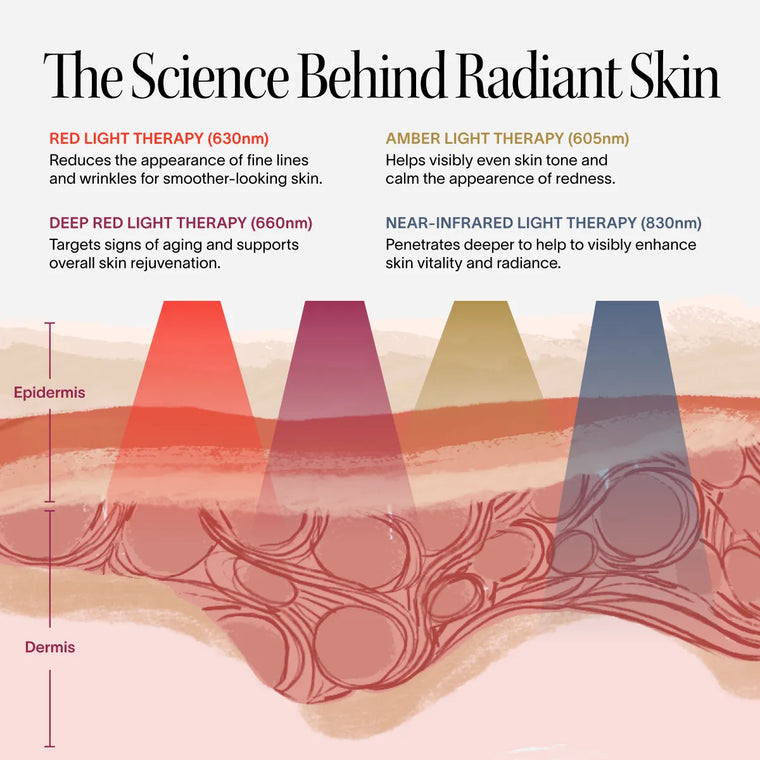
A red light therapy face mask shines low-level light onto the skin. The most studied red light range is about 620 to 670 nanometers. Near-infrared light often falls between about 810 and 850 nanometers and may reach deeper tissue.
Skin cells contain structures called mitochondria. They help create energy for cell work. Red and near-infrared light may interact with these structures and support cellular activity.
This process may help the skin in several ways:
• It may support fibroblasts, which make collagen and elastin.
• It may improve the look of fine lines and rough texture.
• It may calm some signs of redness and irritation.
• It may support blood flow in the treated area.
• It may help the skin recover from mild daily stress.
Think of collagen as the net under a mattress. When the net is firm, the surface looks smoother. As collagen breaks down with age, sun exposure, smoking, and repeated facial movement, the surface can look thinner and more lined.
A red light therapy face mask does not replace lost collagen overnight. It may encourage the skin to work more efficiently over time. This is why most people need regular sessions for several weeks before judging the result.
What does the research say about red light therapy and wrinkles?
Small clinical studies suggest that red light and near-infrared light may improve skin smoothness, firmness, and fine lines. Some studies have found increased collagen density or better skin texture after repeated treatments. However, many studies are small, use different devices, or combine red light with other treatments.
One commonly cited clinical trial used nonthermal red and near-infrared light treatments. Participants showed improvements in skin texture and signs of aging. Other research has reported better skin softness and fewer fine lines after repeated light therapy sessions.
The evidence is promising, but it is not perfect. A study performed in a clinic may use a stronger or more carefully controlled device than a home mask. Home products also vary widely in light intensity, treatment time, wavelength, and coverage.
When assessing whether a red light therapy face mask helps with wrinkles, look for more than before-and-after photos. Photos can change because of lighting, makeup, facial expression, camera angle, and hydration.
More useful details include:
• The exact red and near-infrared wavelengths.
• The light intensity, often listed as irradiance in milliwatts per square centimeter.
• The recommended treatment time.
• Independent safety testing.
• Clinical data for the exact device or a very similar device.
• Clear instructions about eye protection and skin sensitivity.
A device can glow brightly and still deliver little useful light. Brightness to your eyes is not the same as therapeutic intensity for your skin.
What results can you expect from a red light therapy face mask?
Results are usually subtle. You may first notice that your skin feels softer or looks a little brighter. Fine lines may appear less sharp, especially when the skin is well hydrated.
Wrinkles that come from repeated facial movement may not disappear. Deep folds, loose skin, and major sun damage are also unlikely to respond dramatically to a home mask alone.
A realistic timeline may look like this:
• The first two weeks: Your skin may feel calm or slightly smoother, but visible changes may be limited.
• Weeks three to six: Some users notice improved glow, texture, or mild firmness.
• Weeks eight to twelve: Fine lines may look softer if the device is effective and used consistently.
• After three months: You can better judge whether the mask is worth continuing.
These time frames are general. Age, skin type, sun exposure, sleep, smoking, nutrition, and your wider skin care routine all affect results.
A practical lesson is to take photos under the same conditions. Use the same room, lighting, camera, and facial expression. Take one photo before starting, then repeat it every four weeks. Daily mirror checks make slow changes hard to notice.
Which wrinkles may respond best?
A red light therapy face mask may be most helpful for early signs of aging. These include fine lines caused by dryness, mild collagen loss, and early sun damage.
It may provide less visible improvement for deep wrinkles. It also cannot lift sagging skin in the way surgery or certain professional treatments can.
Potentially responsive concerns include:
• Fine lines around the eyes, when the device is safe for that area.
• Mild forehead lines.
• Early lines around the mouth.
• Dull or uneven-looking skin.
• Slight loss of skin firmness.
The mask may work best as part of a complete anti-aging plan. Daily sunscreen protects collagen from ultraviolet damage. A moisturizer supports the skin barrier. A retinoid can help increase skin cell turnover and collagen support, although it may cause irritation.
If you use a retinoid, exfoliating acid, or prescription treatment, ask a dermatologist how to combine it with light therapy. More treatments do not always mean faster results. Skin often improves more with a calm, steady routine than with an aggressive one.
How to choose the best red light therapy face mask for wrinkles
Not every red light mask has the same design. Before buying one, check the product details carefully.
Check the wavelengths
A useful device should clearly state its wavelengths. Red light around 630 to 660 nanometers is common. Near-infrared light around 810 to 850 nanometers is also used in some masks.
Be cautious when a product only says “LED light” or “medical-grade light” without giving specific numbers. Clear labeling makes the device easier to compare.
Look for published intensity
Irradiance tells you how much light reaches the skin. It is usually measured in milliwatts per square centimeter.
A very low intensity may require a longer session. A very high intensity may increase heat or irritation if used incorrectly. Follow the maker’s treatment instructions instead of assuming that more power is better.
Consider fit and coverage
A mask should sit close enough to treat the skin evenly. If it leaves large gaps, some areas may receive less light.
Comfort matters too. A mask that pinches your nose or feels heavy is less likely to become part of your routine. Flexible silicone designs may feel easier to wear, while rigid masks may hold their shape better.
Check eye safety
Some masks include built-in eye shields. Others advise users to keep their eyes closed or wear protective goggles.
Do not ignore these directions. Red and near-infrared light can be bright, and certain eye conditions or medicines may increase light sensitivity.
Review safety claims carefully
FDA clearance usually relates to a device’s safety or its similarity to an existing device. It does not guarantee dramatic wrinkle removal. Marketing terms such as “clinically proven” should be supported by actual data.
Also check whether the product has:
• A clear manufacturer address and customer support.
• A return policy.
• Treatment instructions.
• Contraindications and warnings.
• Electrical safety information.
• Independent testing when available.
How to use a red light therapy face mask correctly
Using a red light therapy face mask is simple, but small mistakes can reduce comfort and consistency.
-
Clean your face gently. Remove makeup, sunscreen, and heavy skin care products unless the device instructions say otherwise.
-
Dry your skin. A clean, dry surface helps the light reach the skin more evenly.
-
Put on eye protection if the manufacturer recommends it.
-
Use the mask for the stated time. Many home devices suggest sessions of about 10 to 15 minutes, several times each week.
-
Do not add extra sessions to chase faster results.
-
Apply moisturizer after treatment if your skin feels dry.
-
Clean the mask as directed. Do not soak electrical parts.
-
Track your sessions and take monthly photos.
Consistency is often the hardest part. A simple plan may be three sessions each week at the same time. For example, you could use the mask after brushing your teeth on Monday, Wednesday, and Friday.
A common mistake is stopping after one week. Red light therapy is more like exercise than a facial. One workout may feel good, but lasting change requires repeated effort.
Another mistake is using the mask over a strong active product without checking compatibility. If your skin burns, swells, or becomes very red, stop and seek advice from a qualified health professional.
Can a red light therapy face mask cause side effects?
Red light therapy is generally considered low risk when used as directed. It does not contain ultraviolet light, which causes sunburn and contributes to skin cancer.
Still, side effects can occur. Possible reactions include:
• Temporary redness.
• Warmth or mild irritation.
• Dryness.
• Headache from bright light.
• Eye discomfort.
• A flare of an existing skin condition.
Severe reactions are not expected. If you develop pain, blistering, lasting redness, vision changes, or swelling, stop using the device and contact a medical professional.
People who take photosensitizing medicines should ask their doctor before using light therapy. These medicines may include some antibiotics, acne treatments, diuretics, and other drugs. The risk depends on the medicine and the type of light.
Use extra care if you have:
• A light-sensitive medical condition, such as lupus.
• An eye disease or a history of eye surgery.
• A condition that worsens with light or heat.
• Active skin infection or open wounds.
• A history of abnormal skin growths in the treatment area.
Pregnant people should ask their health care provider before starting a new light-based treatment. Home devices differ, and safety data may be limited for pregnancy.
Red light therapy versus other wrinkle treatments
A red light therapy face mask can fit well into a gentle routine, but it is not the only option.
Sunscreen
Broad-spectrum sunscreen is the foundation of wrinkle prevention. Ultraviolet A and ultraviolet B rays break down collagen and cause uneven pigmentation. Use an SPF 30 or higher sunscreen every day, even when the sky looks cloudy.
Without sun protection, the benefits of a red light therapy face mask may be harder to see. Continued sun damage can work against your skin care efforts.
Retinoids
Retinol and prescription retinoids have stronger evidence for improving fine lines and supporting collagen. They can also cause dryness, peeling, and irritation.
Start slowly and use moisturizer. A dermatologist can help you choose the right strength for your skin.
Vitamin C
Vitamin C may help support collagen production and protect against free-radical damage. Its effect depends on the formula, storage, and regular use.
Professional procedures
Chemical peels, microneedling, laser treatments, radiofrequency, and injectables may provide more visible results. They also carry more cost, downtime, and risk.
A professional can match a treatment to your wrinkle type, skin tone, medical history, and goals. For some people, a home mask is useful maintenance. For others, it may not offer enough change to justify the price.

How to combine a red light therapy face mask with skin care
A red light therapy face mask works best when your skin barrier is healthy. Skin that is constantly dry, peeling, or inflamed may not tolerate frequent treatments well.
A simple routine can include:
Morning
• Gentle cleanser or water rinse.
• Antioxidant serum, if tolerated.
• Moisturizer.
• Broad-spectrum SPF 30 or higher sunscreen.
Evening on mask days
• Gentle cleanser.
• Red light therapy face mask on clean, dry skin.
• Moisturizer.
Evening on retinoid days
• Gentle cleanser.
• Moisturizer.
• Retinoid as directed.
You may be able to use red light and a retinoid in the same routine, but there is no need to begin both at once. Start one change at a time. This makes it easier to identify the cause if your skin becomes irritated.
Avoid using the mask over thick makeup, tanning products, or unknown creams. Some ingredients may block light or increase sensitivity. Always follow the device directions and ask a dermatologist when in doubt.
Why might a red light therapy face mask not work?
A mask may seem ineffective for several reasons. The device may have weak output, poor skin contact, unclear wavelengths, or a short treatment schedule.
Your expectations may also be too high. A home mask may soften the look of fine lines, but it will not erase deep wrinkles or replace a facelift.
Other common reasons include:
• Inconsistent use.
• Ongoing unprotected sun exposure.
• Smoking, which damages collagen and elastin.
• Poor sleep or high stress.
• Using the device through makeup.
• Comparing photos taken in different lighting.
• Stopping before eight to twelve weeks.
Age and genetics matter too. Two people can use the same mask and see different results. That does not necessarily mean one person used it incorrectly.
If you see no change after about three months of proper use, review the device specifications and your routine. A dermatologist can also assess whether pigmentation, volume loss, sagging, or muscle movement is the main cause of the lines.
Is a red light therapy face mask worth the cost?
The answer depends on your goals, budget, and patience. A red light therapy face mask may be worth considering if you want a noninvasive option and are comfortable with gradual results.
It may not be worth the cost if you expect a major lift or do not plan to use it regularly. A quality device can cost hundreds of dollars, so compare the price with proven basics such as sunscreen, moisturizer, and a suitable retinoid.
Before purchasing, ask yourself:
• Can I use it three or more times each week?
• Does it list wavelengths and treatment instructions?
• Is it comfortable enough for regular use?
• Does it include eye safety guidance?
• Is there a reasonable return policy?
• Would a dermatologist-recommended treatment better match my needs?
The best device is not always the most expensive one. It is the one with clear specifications, sensible safety guidance, comfortable design, and a routine you can maintain.

Frequently Asked Questions About Does a Red Light Therapy Face Mask Help With Wrinkles?
Does a red light therapy face mask help with deep wrinkles?
It may provide a small improvement in skin texture and fine lines, but deep wrinkles usually respond less dramatically. A dermatologist can discuss stronger options, such as prescription retinoids, laser treatments, or injectables.
How long does a red light therapy face mask take to work?
Many users need several weeks of regular use before noticing a visible change. A fair trial often lasts eight to twelve weeks, provided the device is used as directed.
How often should you use a red light therapy face mask?
Follow the manufacturer’s instructions. Many home masks recommend about 10 to 15 minutes per session, several times per week, but more frequent use is not automatically better.
Can you use a red light therapy face mask every day?
Some devices allow daily use, while others do not. Check the manual because treatment time and light intensity differ between products.
Is red light therapy safe for all skin tones?
Red light does not target pigment in the same way as some lasers, so it is generally suitable for many skin tones. However, people with light-sensitive conditions or medicines should ask a health professional first.
Should you apply skin care before using a red light mask?
Use the mask on clean, dry skin unless the manufacturer gives different instructions. Heavy creams, makeup, and some active ingredients may affect light delivery or increase irritation.
Can red light therapy replace Botox or fillers?
No. Red light therapy may support skin quality, while Botox targets muscle movement and fillers restore volume. They work in different ways and produce different types of results.
Conclusion
Does a red light therapy face mask help with wrinkles? It may help soften fine lines, improve texture, and support a brighter, firmer look when used consistently. The benefits are usually gradual, and the quality of the device matters.
Use realistic expectations. Choose a mask with clear wavelengths, safety instructions, and treatment guidance. Protect your skin with daily sunscreen, keep your routine gentle, and give the mask at least eight to twelve weeks before judging it.
If you are ready to try one, compare reliable devices and discuss your plan with a dermatologist, especially if you have sensitive skin or take photosensitizing medicine. Explore more evidence-based skin care guides, and share your experience or questions in the comments.