Yes, a red light therapy face mask may be safe daily when used exactly as directed.
The answer depends on the mask’s light strength, treatment time, your skin, and any medicines you take. Red and near-infrared light do not contain UV rays, but more is not always better. This guide explains when daily use may be reasonable, when to reduce sessions, and how to use a red light therapy face mask safely.
What Is Red Light Therapy?
Red light therapy uses low levels of red or near-infrared light to reach the skin. Unlike tanning beds and sunlight, therapeutic red light does not use ultraviolet radiation. It is also called photobiomodulation or low-level light therapy.
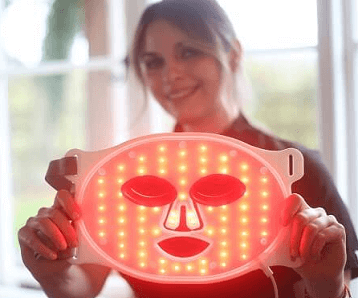
A face mask may use red light, near-infrared light, or both. Red light mainly targets the surface layers of the skin. Near-infrared light can travel deeper into tissue.
Researchers believe this light may affect cell activity, including energy production in the mitochondria. It may also support collagen production and help calm some signs of inflammation. However, results vary by device, skin type, treatment goal, and how often the mask is used.
Studies on LED light therapy show possible benefits for:
- Fine lines and mild skin aging
- Uneven skin tone
- Mild redness and inflammation
- Wound healing support
- Mild to moderate acne, especially when blue light is included
- General skin smoothness and brightness
The results are usually gradual. A face mask is not a facelift, acne cure, or replacement for sunscreen. Think of it as a small daily nudge to your skin, not a dramatic overnight fix.
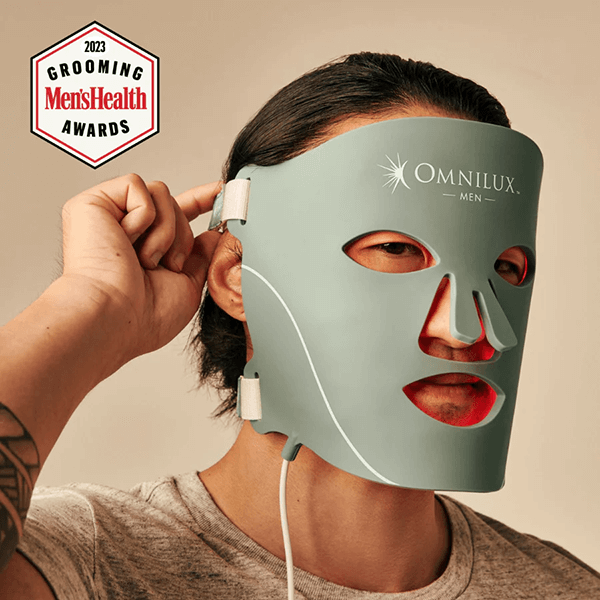
Is a Red Light Therapy Face Mask Safe to Use Every Day?
For many healthy adults, a red light therapy face mask may be safe to use every day if the product allows daily treatment. Still, daily use is not automatically better than three to five sessions per week.
Most home devices recommend treatment sessions lasting about 10 to 20 minutes. Some suggest daily use, while others recommend use every other day. Follow the instructions for your exact mask because light intensity differs widely between products.
The key factors include:
- Light intensity, often shown as irradiance in milliwatts per square centimeter
- Treatment length
- Distance between the LEDs and your skin
- Use of red light alone or red light with near-infrared light
- Your skin sensitivity
- Medicines or health conditions that increase light sensitivity
When people ask, “Is a red light therapy face mask safe to use every day?” the most accurate answer is: sometimes, but only within the maker’s treatment limits.
Daily use may be reasonable when:
- The device is made for home facial use
- The manual allows daily sessions
- Your skin has no lasting redness, burning, rash, or swelling
- You use the recommended session length
- You protect your eyes as directed
- You are not taking a medicine that causes photosensitivity
If your mask does not clearly state that daily use is allowed, begin with three sessions per week. This gives your skin time to show how it responds.

Why More Light Is Not Always Better
Red light therapy follows a concept called a dose response. A small amount may do little. A suitable amount may help. Too much may cause irritation or reduce the benefit.
This idea is sometimes compared with watering a plant. Water supports growth, but flooding the soil does not make the plant grow faster. Your skin also needs a balanced dose.
Using a red light therapy face mask for too long may cause:
- Temporary redness
- Warmth or discomfort
- Dryness or tightness
- Headache or eye strain
- Skin irritation
- A flare of sensitive skin conditions
Most side effects from home LED masks appear mild and short-lived. Still, “mild” does not mean you should ignore them. Repeated irritation can weaken the skin barrier and make products sting.
A common mistake is adding extra sessions because results are slow. Collagen changes can take several weeks or months. Acne may also need consistent treatment and a wider plan that includes gentle cleansing and proven medication when needed.

Potential Benefits of Daily Red Light Therapy
Daily treatment may help some people build a steady routine. Regular use can be more useful than occasional, long sessions because the skin responds to repeated, controlled exposure.
Possible benefits include:
Supporting collagen and firmness
Red light may stimulate activity linked with collagen and elastin. These proteins help skin look firm and smooth. The change is usually subtle and takes time.
Some clinical studies have found improvements in fine lines and skin texture after repeated LED treatments. Device quality varies, so results from a professional clinic may not match those from a low-powered home mask.
Calming mild inflammation
Red light may help reduce some inflammatory signals. This could support skin that looks mildly red or stressed. It is not a proven cure for rosacea, eczema, psoriasis, or other inflammatory conditions.
If your skin condition is active, painful, or spreading, ask a dermatologist before using light therapy.
Improving the look of tired skin
Some users notice a temporary glow after treatment. This may relate to warmth, blood flow, or surface hydration. The effect can be pleasant, but it should not be confused with permanent skin repair.
Supporting an acne routine
Red light may help calm inflammation. Blue light is often used to target acne-causing bacteria, so some acne masks combine red and blue wavelengths.
A red light therapy face mask alone may not control moderate or severe acne. Painful cysts, scarring, and acne that does not improve need medical care.
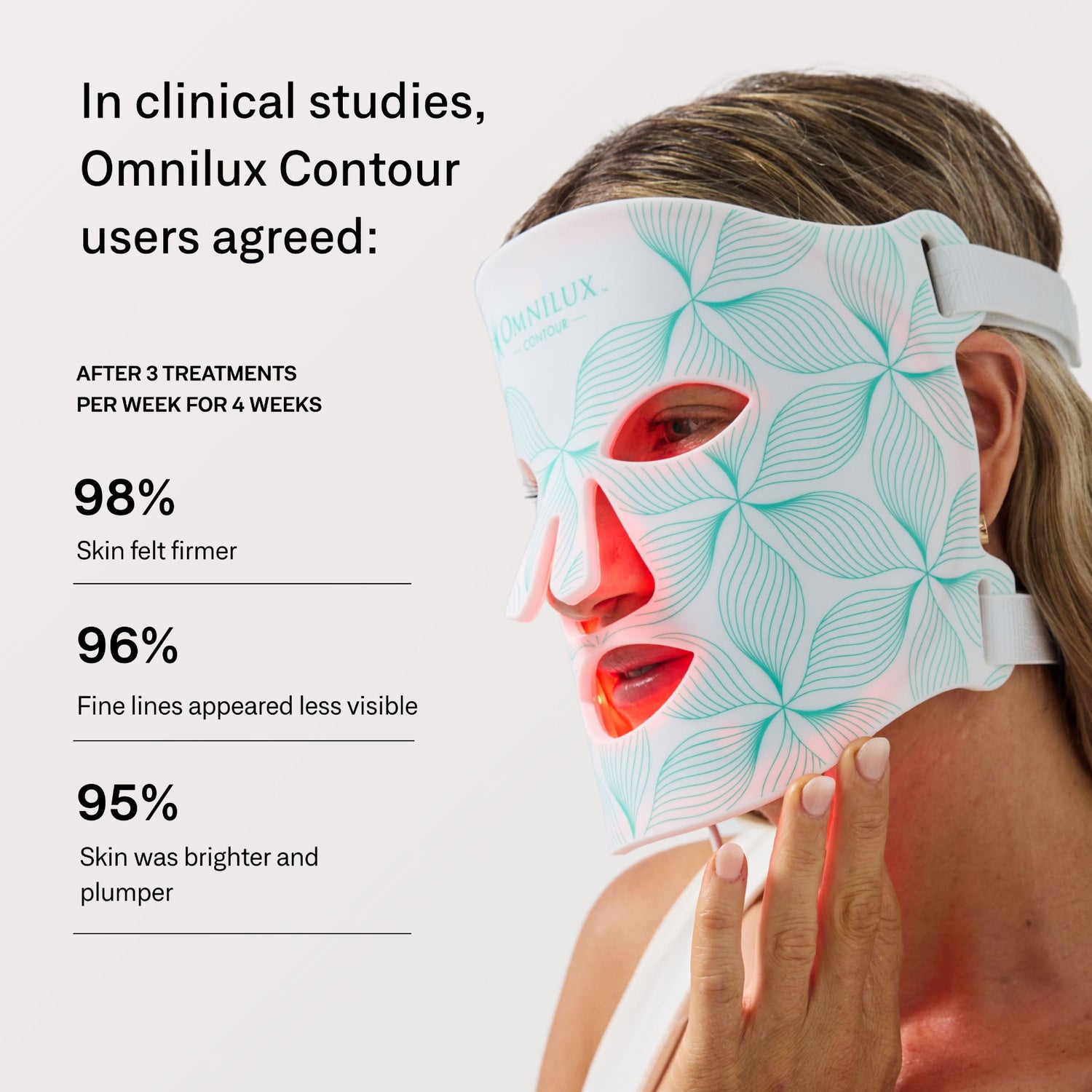
Who Should Be Careful With Daily Use?
A red light therapy face mask may not be suitable for everyone. Certain medicines and conditions can increase the chance of a reaction.
Speak with a health professional before use if you:
- Take photosensitizing medicine
- Have lupus or another light-sensitive condition
- Have a history of light-triggered seizures
- Have an active skin infection, open wound, or severe rash
- Recently had a facial procedure
- Have an eye condition or use medicines that affect the eyes
- Are pregnant and want to treat areas beyond ordinary cosmetic use
- Have a history of skin cancer or unusual skin lesions
Photosensitizing medicines may include some antibiotics, acne medicines, diuretics, antifungals, and certain psychiatric medicines. The list is not complete. Check the medication guide or ask your pharmacist.
Retinoids, acids, and exfoliants do not always make red light unsafe, but they can make skin more sensitive or dry. Using all of them at once may increase irritation. A simple routine is often the safer choice.
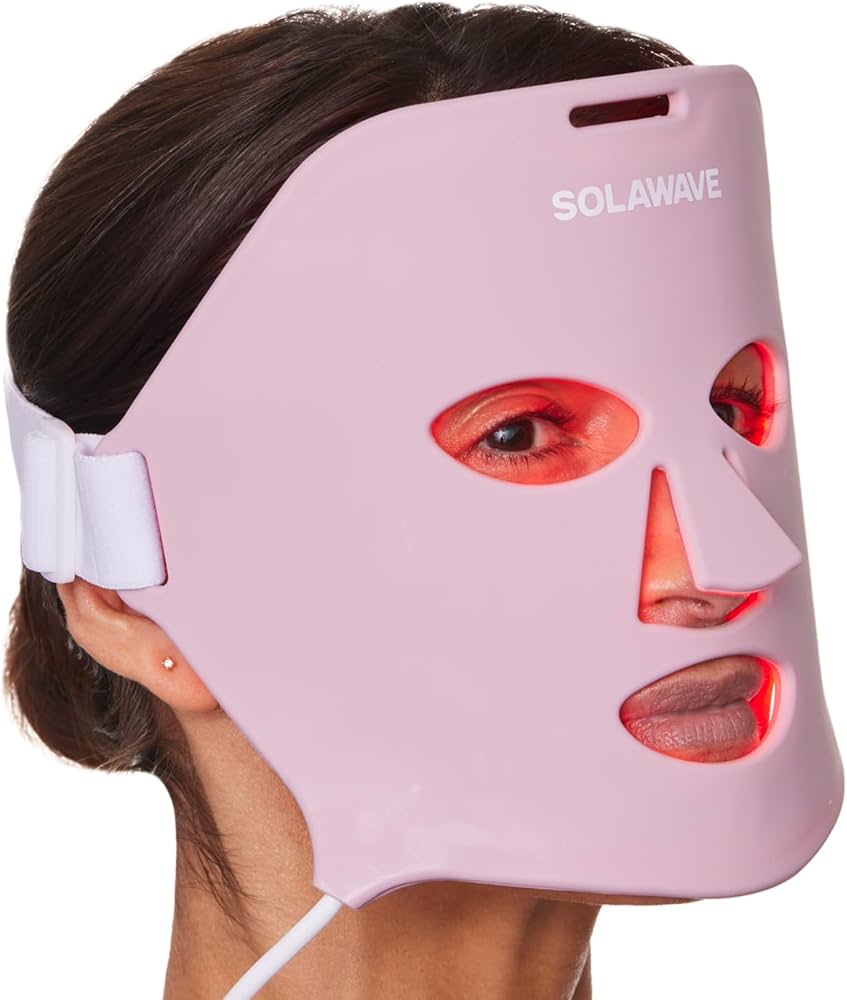
Eye Safety Matters
LED face masks sit close to the eyes. Even when the light is not UV, bright visible light and near-infrared light may cause discomfort or concern for people with eye conditions.
Use the eye shields supplied with the mask if the instructions recommend them. Do not stare directly into the LEDs. Keep your eyes closed only if the manufacturer says that is enough protection.
Stop using the device and seek medical advice if you notice:
- Eye pain
- Blurred vision
- New light sensitivity
- Persistent headaches
- Seeing spots after treatment
A product that claims to be eye-safe still needs proper use. FDA clearance, where applicable, does not mean a device is suitable for every person or every eye condition.

How to Use a Red Light Therapy Face Mask Safely
Follow these steps before making daily treatment part of your routine:
- Read the full manual. Confirm the recommended session length and frequency.
- Check the device label. Look for the wavelengths, safety instructions, and regulatory information.
- Clean your face. Remove makeup, sunscreen, and heavy products unless the manual says otherwise.
- Start slowly. Use the mask for three sessions in the first week.
- Keep each session within the stated time. Do not extend treatment because it feels comfortable.
- Use eye protection when required.
- Apply a plain moisturizer afterward if your skin feels dry.
- Wear broad-spectrum sunscreen during the day. Red light does not protect against UV damage.
- Track your skin. Take a photo once a week in the same light rather than checking every hour.
- Stop if symptoms persist. Contact a dermatologist if redness, rash, swelling, or pain does not settle.
Clean the mask as directed. Sweat, makeup, and oil can collect on the surface and may irritate the skin. Do not share a mask without cleaning it well.
One practical lesson is to avoid changing several skincare products at the same time. If your skin reacts, you will not know which product caused the problem. Introduce the mask while keeping the rest of your routine simple.

Daily Use Versus Three Times a Week
For many people, three to five sessions per week are a sensible starting point. This schedule can provide repeated exposure without placing daily stress on sensitive skin.
Daily use may suit you if:
- Your skin remains calm
- The product specifically permits daily treatment
- You follow the time limit
- You do not use photosensitizing medicine
- You are not combining it with harsh treatments
Three times per week may be better if you have:
- Dry or reactive skin
- Rosacea or frequent flushing
- A strong retinoid routine
- Recent exfoliation
- A history of irritation from skincare products
The best schedule is not the one that sounds most intense. It is the one you can follow without harming your skin barrier.
If you are unsure whether a red light therapy face mask is safe to use every day, use it less often first. You can increase the frequency only after your skin shows no signs of trouble.
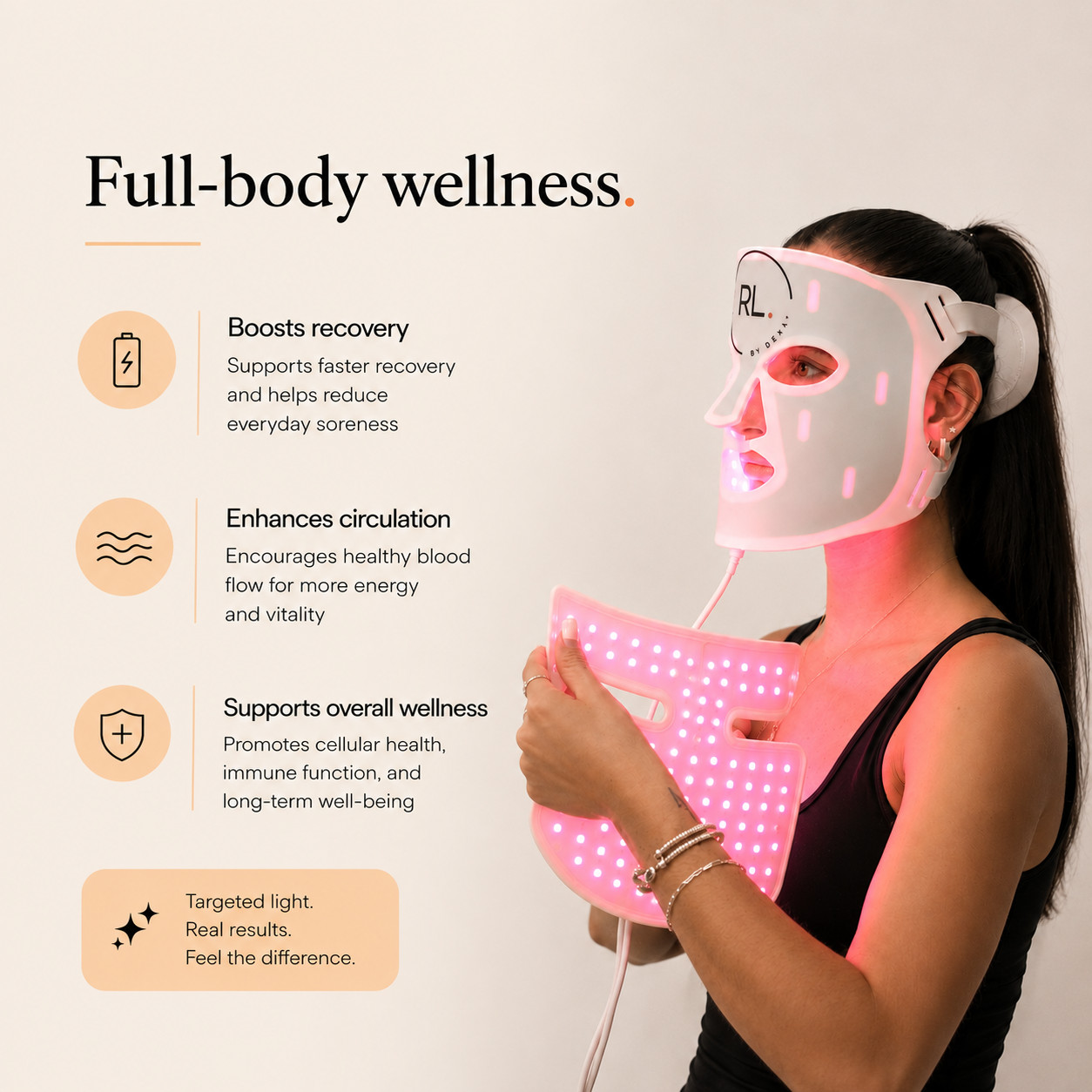
Common Mistakes to Avoid
Many problems come from user error rather than the basic idea of LED therapy. Avoid these mistakes:
- Using the mask longer than recommended
- Wearing it over makeup or thick creams
- Ignoring eye protection
- Applying strong acids right before treatment
- Using it on sunburned skin
- Treating an unexplained rash without medical advice
- Assuming an expensive device is automatically stronger or safer
- Expecting fast results and increasing the dose
- Using a damaged cord, cracked mask, or hot device
- Failing to clean the mask
Do not use a tanning bed or intentionally expose your skin to UV light as part of the same beauty plan. Red light is not tanning light, and tanning does not improve the safety of LED treatment.
Also, be careful with marketing claims. Words such as “medical grade,” “clinically proven,” and “professional strength” can sound impressive. Look for clear details about wavelength, power, treatment time, testing, and the exact skin concern studied.
What to Look for in a Red Light Mask
A reliable device should provide clear information. Before buying, look for:
- Listed red and near-infrared wavelengths
- Recommended treatment time
- Clear instructions for frequency
- Eye safety guidance
- A return policy
- Customer support
- Testing or regulatory information
- A design that sits evenly on the face
- Comfortable straps and safe temperature control
Many commonly studied red light devices use wavelengths near red light ranges around 630 to 660 nanometers. Near-infrared devices often use wavelengths around 810 to 850 nanometers. These ranges are common, but wavelength alone does not prove that a product will work.
Power and treatment distance also matter. A mask with a suitable wavelength may still provide little benefit if the light dose is too low. A very strong device may be uncomfortable if used too long.
Claims about removing wrinkles, healing disease, or replacing medical treatment deserve caution. At-home masks are usually less powerful than clinical devices. Their benefits may be modest, but their risks can still increase if used incorrectly.
When to Stop Using the Mask
Stop treatment if you develop burning, swelling, blistering, strong itching, or a rash. Do not try to “push through” these symptoms.
Mild warmth during treatment can be normal. Redness that fades soon after a session may also occur. However, lasting redness, worsening acne, facial pain, or changes in vision need attention.
Contact a dermatologist if:
- Your symptoms last more than a day
- Your skin becomes painful or cracked
- You develop repeated rashes
- Your pigmentation becomes darker or uneven
- Your eye symptoms continue
- You see no benefit after a consistent trial
A dermatologist can help separate irritation from an underlying condition. This is especially important if you have melasma, rosacea, eczema, or a history of unusual skin reactions.
Frequently Asked Questions About Daily Red Light Therapy
Is a red light therapy face mask safe to use every day for beginners?
It may be safe for some beginners, but start with the schedule in the manual rather than daily treatment. Three sessions per week is a cautious starting point for many people.
Can red light therapy damage your skin?
Red light therapy does not use UV light, so it does not cause tanning in the same way as ultraviolet exposure. Excessive treatment can still cause warmth, dryness, redness, or irritation, especially with a strong device.
How long should I wear a red light therapy face mask?
Most home masks suggest about 10 to 20 minutes per session. Follow your device instructions and never extend the session to speed up results.
Can I use a red light mask with retinol?
Many people can combine them, but retinol may make skin dry or sensitive. Consider using them at different times and reduce the mask frequency if you notice stinging or peeling.
Should I use eye protection with a red light mask?
Use the eye protection recommended by the manufacturer. People with eye disease, light sensitivity, or new vision symptoms should ask an eye-care professional before treatment.
How soon will I see results from a red light therapy face mask?
Some people notice a temporary glow soon after use, but changes in fine lines or texture often take several weeks. Take consistent photos and avoid increasing the dose when results seem slow.
Can I use a red light mask if I have acne?
It may support a mild acne routine, especially when the device also includes blue light. Moderate, severe, painful, or scarring acne needs advice from a dermatologist.
Conclusion
For many adults, a red light therapy face mask can fit safely into a daily routine when the device allows daily use and the treatment stays within its stated limits. However, three to five sessions per week may be enough, and sensitive skin often benefits from a slower schedule.
Use eye protection, keep sessions short, avoid unapproved combinations with irritating products, and check your medicines for photosensitivity warnings. If you have a skin, eye, or immune condition, ask a qualified clinician before starting.
The safest plan is simple: follow the device guide, watch your skin, and increase frequency only when your skin remains calm. Explore more evidence-based skincare resources, and share your experience or questions in the comments.