A red light therapy face mask uses gentle red and near-infrared light to support skin repair, collagen, and calmness.
If you have searched “How does a red light therapy face mask work?”, you are likely weighing science against skincare hype. These masks do not scrub, peel, or inject the skin. Instead, they shine specific light wavelengths onto the face, where cells may use the energy to support normal repair and energy production. This guide explains the technology, benefits, limits, safety steps, and best ways to use one.

How does a red light therapy face mask work?
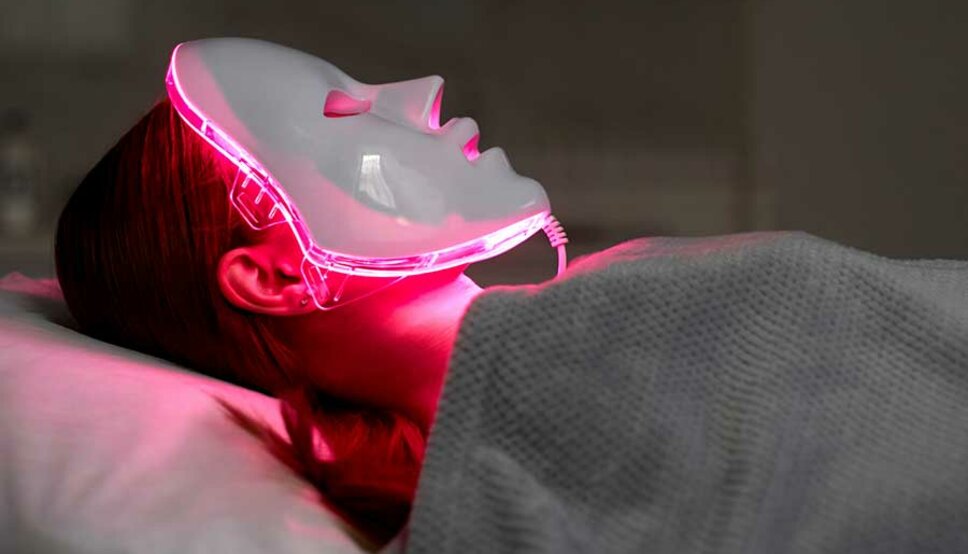
A red light therapy face mask works through a process called photobiomodulation. It uses low-power red light and, in some devices, near-infrared light. These wavelengths reach the skin without causing the heat or burns linked with stronger medical lasers.
The light may interact with structures inside skin cells called mitochondria. Mitochondria help cells make energy. Researchers believe red and near-infrared light may support this process, which can help skin cells perform repair and maintenance tasks.
Think of the mask as a gentle signal, not a forceful treatment. It does not “feed” collagen into your face. Instead, repeated light exposure may encourage fibroblasts and other skin cells to support collagen production and reduce some signs of inflammation.
Most red light therapy face masks use light in these ranges:
• Red light: Often about red 620 to 660 nanometers, mainly aimed at the surface layers of skin.
• Near-infrared light: Often about 810 to 850 nanometers, which may reach deeper tissue.
The exact effect depends on wavelength, light strength, treatment time, distance, and regular use. A mask with attractive lights may still perform poorly if its dose is too low or its design spreads the light unevenly.
What happens to the skin during treatment?
When a red light therapy face mask touches or sits close to the face, its light reaches the skin. Some light reflects away, while some enters the tissue. The skin does not absorb every wavelength in the same way.
The light may influence cell signals linked with:
• Cellular energy production
• Blood flow in small vessels
• Inflammatory activity
• Tissue repair
• Collagen and elastin support
• Oxidative stress control
These changes are gradual. A single session may make the skin look fresh because of temporary circulation changes, but lasting results usually require repeated use. This is similar to exercise. One workout can feel good, but strength comes from a steady routine.
Clinical research supports red light therapy for some skin goals, but results vary. Small studies have reported improvements in fine lines, skin texture, redness, and wound healing. However, home masks often use less power than professional devices, and product quality differs widely.
What are the potential benefits of a red light therapy face mask?
The most common reason people buy a red light therapy face mask is to improve the look and feel of aging skin. Red light may support fibroblast activity, which is important because fibroblasts help produce collagen. Collagen gives skin much of its firmness and structure.
Possible benefits include:
• Softer-looking fine lines
• More even skin texture
• A mild improvement in firmness
• Less visible redness from irritation
• Support for skin recovery
• A brighter, more rested appearance
• Possible help with mild inflammatory acne
Red light is not the same as ultraviolet light. UV light can damage skin cell DNA and increase skin cancer risk. Proper red light therapy uses non-UV wavelengths, so it does not create a tan.
Some devices also use blue light. Blue light targets acne-related bacteria and may help mild to moderate inflammatory acne. It is a different treatment from red light, and it can be more irritating for some users. Always check which wavelengths your mask emits.
It is also important to keep expectations realistic. A red light therapy face mask may support gradual improvement, but it cannot replace sunscreen, prescription acne care, surgery, fillers, or treatment for serious skin disease.
Can red light therapy help acne?
Red light may help calm some inflammation linked with acne. It may also support healing after a blemish becomes irritated. However, red light alone may not control clogged pores or acne bacteria as well as proven acne treatments.
Masks that include blue light may offer more direct acne support. Still, acne has many causes, including oil, dead skin cells, hormones, bacteria, and inflammation. One light setting cannot address every cause.
For acne-prone skin, consider these practical steps:
• Clean the face before treatment.
• Avoid placing the mask over thick makeup or sunscreen.
• Start with the shortest recommended session.
• Use a gentle moisturizer afterward.
• Stop if you develop lasting redness, swelling, itching, or pain.
• Ask a dermatologist about moderate or severe acne.
A helpful lesson from home skincare testing is that more time does not always mean better results. Using a mask for an hour when the instructions say 10 minutes may increase irritation without increasing benefits.

How does a red light therapy face mask compare with professional treatments?
A red light therapy face mask is designed for home use. It usually has lower energy output than a dermatologist’s light panel or clinical device. This makes it more convenient and often safer for routine use, but it can also mean slower or less noticeable results.
Professional treatments may offer:
• More accurate light output
• Larger treatment areas
• Better control of wavelength and dose
• Supervision from a trained provider
• A treatment plan based on your skin condition
Home masks offer their own advantages. They are private, reusable, and easy to fit into a routine. A person may use one while listening to a podcast or preparing for bed.
The key difference is control. A clinic can measure your skin and adjust treatment. At home, you must follow the manual and watch for reactions. If you have melasma, rosacea, active dermatitis, or a history of unusual skin reactions, professional guidance is wise.
How to use a red light therapy face mask correctly
Following the instructions matters more than chasing the longest session. Each mask has a different light output, fit, and treatment schedule.
Use this basic routine:
-
Read the manual before the first session.
-
Clean and dry your face.
-
Remove makeup, oils, and products that may block the light.
-
Put on the mask as directed.
-
Use the recommended treatment time.
-
Protect your eyes if the instructions require eye shields.
-
Apply a simple moisturizer after treatment.
-
Clean the mask according to the manufacturer’s directions.
Many devices suggest use three to five times each week. Some recommend daily sessions. Follow the device-specific schedule rather than copying a routine from another brand.
Take a photo before starting. Use the same room, lighting, and facial position each time. Skin changes are hard to judge from memory. A monthly photo can show subtle progress more clearly than a daily mirror check.
Do not use the mask over broken skin unless a medical professional tells you to. Also avoid combining it with strong exfoliating acids, retinoids, or irritating acne products during the first few sessions. These combinations may not be dangerous for everyone, but they can make sensitive skin more reactive.

How long does it take to see results?
Some people notice a temporary glow after several sessions. This may come from increased surface circulation or mild swelling that makes skin look fuller. It is not the same as a permanent change.
More meaningful results may take four to 12 weeks of consistent use. Fine lines and texture often change slowly because collagen remodeling takes time. Acne-related improvements may also require several weeks.
Results depend on:
• Your age and skin condition
• The mask’s wavelength and power
• How often you use it
• Whether the mask fits closely
• Your sun exposure
• Your skincare routine
• Your sleep, stress, and general health
If you stop using the device, any benefit may fade over time. Red light therapy is usually a maintenance treatment rather than a one-time fix.
Is a red light therapy face mask safe?
For most healthy adults, red light therapy appears to have a good safety record when used as directed. It does not use UV light, and most users feel little more than mild warmth.
Possible side effects include:
• Temporary redness
• Mild dryness
• Warmth
• Tightness
• Headache from bright light
• Eye discomfort
Serious problems are less common, but safety still depends on the device and the user. Do not assume every product sold online has strong quality testing. Look for clear information about wavelength, treatment time, eye protection, warranty, and electrical safety.
The term “FDA-cleared” does not mean a product is guaranteed to work for every person. It generally means the device met certain requirements for a specific use. It is different from FDA approval for a drug.
People who take light-sensitive medicines should speak with a health professional before use. These medicines may include some antibiotics, acne medicines, diuretics, and other prescriptions. People with light-sensitive conditions, eye disease, lupus, or a history of skin cancer should also seek medical advice.
Stop treatment and seek care if you develop blistering, severe swelling, intense pain, vision changes, or a rash that does not settle.

Who should avoid or limit red light therapy?
Red light therapy may not be suitable for everyone. A healthcare professional can help you decide if the treatment fits your skin and medical history.
Ask a doctor before using a red light therapy face mask if you:
• Take photosensitizing medicine
• Have lupus or another light-sensitive condition
• Have an active skin infection
• Have open wounds or severe dermatitis
• Have a history of eye disease
• Are receiving treatment for skin cancer
• Have unexplained changes in moles or skin color
• Are pregnant and feel unsure about cosmetic light devices
Pregnancy does not automatically mean red light therapy is harmful, but research on cosmetic home masks during pregnancy is limited. A cautious approach is reasonable.
Do not use a face mask to diagnose or treat a changing mole, persistent sore, or unusual rash. Light therapy is a cosmetic tool, not a substitute for a skin examination.
How to choose the best red light therapy face mask
The best red light therapy face mask is not always the most expensive one. Look for useful specifications and sensible safety features.
Check these points:
• Wavelength: The brand should state the red and near-infrared wavelengths.
• Treatment dose: Look for irradiance and session details, not only vague claims.
• Eye protection: The device should explain how it protects the eyes.
• Fit: Light should sit close to the face without causing pressure.
• Coverage: Check whether the mask reaches the forehead, cheeks, nose, chin, and jaw.
• Instructions: The manual should give clear timing and frequency advice.
• Testing: Look for electrical safety information and transparent product data.
• Return policy: A fair return period can help if the mask irritates your skin or does not fit.
Be cautious with claims such as “erases wrinkles,” “rebuilds skin overnight,” or “works for every skin problem.” Those promises go beyond what current evidence can support.
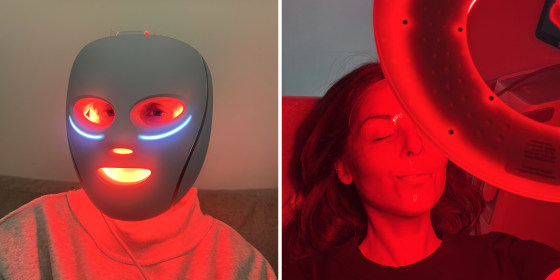
A practical mistake is buying a mask based only on color. Bright red LEDs may look powerful, but visible brightness does not tell you the actual dose reaching the skin.
What should you apply before and after treatment?
Clean, dry skin is usually the simplest option before using a red light therapy face mask. Heavy makeup, mineral sunscreen, and thick oils may reflect or scatter some light.
After treatment, use products that support the skin barrier. A plain moisturizer is often enough. If you use the mask during the day, finish with broad-spectrum sunscreen.
Avoid applying products that make your skin more sensitive to light unless your dermatologist approves the combination. This includes some retinoids, prescription acne medicines, and strong exfoliating acids.
A simple routine may look like this:
• Morning: Cleanser, moisturizer, and broad-spectrum SPF 30 or higher.
• Evening with the mask: Cleanser, red light therapy, moisturizer.
• Other evenings: Use your usual active products only if your skin tolerates them.
Red light cannot protect your skin from sun damage. Daily sunscreen remains one of the most reliable ways to prevent premature aging and dark spots.
How does a red light therapy face mask work with other skincare?
A red light therapy face mask can fit into a basic skincare routine, but it should not become an excuse to use too many active products. Healthy skin often responds better to a simple plan than to a crowded shelf.
You may combine red light therapy with:
• Gentle cleansers
• Moisturizers
• Hyaluronic acid
• Ceramides
• Broad-spectrum sunscreen
Be more careful with:
• Retinoids
• Benzoyl peroxide
• Strong vitamin C formulas
• Glycolic acid
• Salicylic acid
• At-home peels
The issue is not always a harmful chemical reaction. The bigger concern is cumulative irritation. When the skin barrier becomes dry and inflamed, it can be hard to tell which product caused the problem.
Introduce one change at a time. This makes it easier to identify what helps and what causes irritation.

Common mistakes to avoid
Using a red light therapy face mask safely is usually simple, but small errors can reduce comfort and results.
Avoid these mistakes:
• Using the device longer than recommended
• Treating dirty skin
• Ignoring eye protection
• Expecting results after one session
• Buying a device without wavelength details
• Applying irritating products before treatment
• Using a damaged or cracked mask
• Sharing the mask without cleaning it
• Treating a suspicious skin lesion at home
• Forgetting sunscreen
Another common mistake is changing several skincare products at once. If your skin improves or worsens, you will not know which change made the difference.
Keep a basic log. Record your session dates, treatment time, skin reaction, and any new products. This takes less than a minute and can reveal useful patterns.
Evidence and limitations
Research on photobiomodulation suggests that red and near-infrared light may influence cellular energy, inflammation, and tissue repair. Small clinical trials have reported benefits for skin texture and fine lines. Some research also supports light therapy for certain acne and wound-healing uses.
Still, the evidence has limits. Studies use different devices, wavelengths, doses, and treatment schedules. Many trials have small sample sizes and short follow-up periods. Results from a medical panel may not apply to a low-powered home mask.
There is also a risk of marketing bias. A company may highlight the best result from a study while leaving out details about the device, sample size, or comparison group.
The fairest answer to “How does a red light therapy face mask work?” is that it may support biological processes involved in skin repair, but it does not produce the same result for everyone. Treat it as a gradual, supportive tool rather than a guaranteed cure.

Frequently Asked Questions About How Does a Red Light Therapy Face Mask Work?
How does a red light therapy face mask work on wrinkles?
It sends low-level red or near-infrared light into the skin. This light may support cell activity and collagen production, which can gradually soften the look of fine lines.
Does a red light therapy face mask really work?
Research suggests that red light therapy can provide modest improvements in skin texture, fine lines, and redness for some users. Results depend on the device, dose, routine, and individual skin.
How often should you use a red light therapy face mask?
Many devices recommend three to five sessions per week, while others allow daily use. Follow the specific manual because treatment time and light strength vary between products.
Can you use skincare products with a red light therapy face mask?
Use the mask on clean, dry skin, then apply a gentle moisturizer. Be cautious with retinoids, strong acids, and other products that may irritate or increase sensitivity.
Is red light therapy safe for your eyes?
Some masks may expose the eyes to bright light, so use the eye protection recommended by the manufacturer. People with eye conditions or light sensitivity should ask an eye doctor or other qualified professional first.
Can red light therapy replace sunscreen?
No. Red light therapy does not block ultraviolet radiation or prevent sunburn. Broad-spectrum sunscreen and sun protection remain essential for preventing UV damage and premature skin aging.
How long does it take for a red light therapy face mask to work?
A temporary glow may appear after a few sessions, but visible changes in fine lines or texture often take four to 12 weeks. Consistent use matters more than long, irregular sessions.
Conclusion
So, how does a red light therapy face mask work? It uses specific red and near-infrared wavelengths to send gentle light into the skin. This may support cellular energy, calm inflammation, encourage collagen activity, and improve the look of fine lines or uneven texture over time.
The treatment is not magic, and it is not risk-free for every person. Choose a device with clear specifications, follow the instructions, protect your eyes, use sunscreen, and stop if your skin reacts badly.
With realistic expectations and steady use, a red light therapy face mask may become a useful part of a simple skincare routine. Compare device details carefully, speak with a dermatologist if you have a skin or medical condition, and share your experience or questions in the comments.