Many people wake up with joint pain and wonder if there is a simple way to feel better without strong medicine. You may hear about heating pads as a quick solution. But do they really help, or is it just a myth? If you or someone you care about struggles with pain in the knees, shoulders, or other joints, understanding how heat therapy works can make a real difference. This article will guide you through the science, practical tips, and real-life advice about using heating pads for joint pain.
Let’s look at how heat therapy affects the body, when it’s helpful, when to be careful, and how to use heating pads safely. We’ll also explore the types of heating pads, compare them, and answer common questions. By the end, you’ll know if heating pads are the right choice for your joint pain.
How Heat Therapy Works For Joints
Heat therapy is not a new idea. For thousands of years, people have used warm compresses or baths to ease pain and stiffness. But why does heat feel so good on sore joints?
When you put a heating pad on your skin, it increases blood flow in that area. Warmth opens up the small blood vessels, bringing more oxygen and nutrients to the tissue. This helps your body heal minor injuries and flush away waste products that build up in sore joints.
Heat also relaxes the muscles around a joint. Many people with arthritis or old injuries have muscle tension, which makes pain worse. Warmth calms the nerves, making them send fewer pain signals to the brain. That’s why many people feel looser and more comfortable after using a heating pad.
Scientific Evidence
Medical research supports the use of heat for some types of joint pain. A 2017 review in the journal *Pain Research and Management* found that heat therapy reduced pain and improved movement for people with osteoarthritis. Another study from 2020 showed that moist heat (like a warm towel) works even better than dry heat for joint stiffness.
However, it’s important to know that heat therapy does not cure joint diseases. It helps with symptoms—pain and stiffness—but it won’t fix the cause, like worn-out cartilage or inflammation from autoimmune disease.
When To Use Heating Pads For Joint Pain
Heating pads are not right for every kind of joint pain. Knowing when heat helps and when it might cause harm is important.
Best Situations For Heat
- Chronic pain: If you have long-term joint pain from arthritis or overuse, heat can make you feel better. It works well for morning stiffness and pain that gets worse in cold weather.
- Muscle tension: Many joint problems also cause tight muscles nearby. Heat can relax these muscles and reduce discomfort.
- Before exercise: Using a heating pad before gentle activity can warm up the joint, making movement easier and lowering the risk of injury.
- Old injuries: If you have an injury that happened weeks or months ago, heat may help with ongoing pain and stiffness.
When To Avoid Heat
- Acute injuries: If you just hurt your joint (swelling, redness, bruising), do not use heat. It can make inflammation worse.
- Open wounds or skin infections: Heat can spread infection.
- Poor sensation or circulation: Some people with diabetes or nerve problems can’t feel heat well and may burn their skin.
Doctors often say, “Ice for the first 48 hours, then heat. ” But if you’re unsure, always ask your healthcare provider before using a heating pad.

Types Of Heating Pads For Joint Pain
Not all heating pads are the same. There are several types, each with their pros and cons. Choosing the right one can affect how well you manage your joint pain.
| Type of Heating Pad | Main Features | Best For |
|---|---|---|
| Electric Heating Pad | Adjustable temperature, auto shut-off | Home use, long sessions |
| Microwavable Pad | Filled with gel, rice, or grains; moist heat | Quick relief, travel, moist heat lovers |
| Chemical Heat Patch | Single use, portable, air-activated | On-the-go, work, short-term relief |
| Infrared Heating Pad | Penetrates deeper, more expensive | Chronic, deep joint pain, advanced users |
Electric Heating Pads
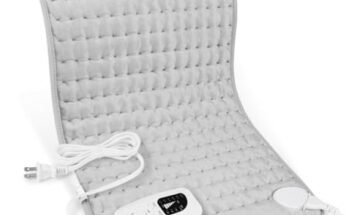
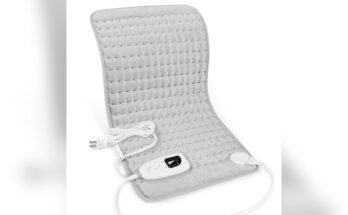
These are the most common. Plug them in, set your preferred temperature, and place them on your sore joint. Many models have timers and automatic shut-off for safety. They provide steady, dry heat and are good for at-home use.
Non-obvious tip: Electric pads can overheat if you fall asleep using them. Always use the timer function.
Microwavable Pads
These pads contain rice, gel, or natural grains. Heat them in the microwave for 1-3 minutes. They deliver moist heat, which some studies say penetrates deeper than dry heat. They cool off after 20-30 minutes, so they’re good for short sessions.
Non-obvious tip: Don’t overheat them—hot spots can burn the skin. Shake the pad to distribute heat evenly before use.
Chemical Heat Patches
Sold in drugstores, these thin patches activate when exposed to air. Stick them to your clothing (not bare skin) over the painful joint. Good for people who need pain relief at work or while moving around.
Non-obvious tip: If you have sensitive skin, check for irritation after a few hours. Some people react to the adhesive.
Infrared Heating Pads
These use special light waves to send heat deeper into the tissue, up to 2 inches below the skin. They’re often used in physical therapy clinics and are more expensive. Some users report better results for deep joint pain, like in the hip or spine.
Non-obvious tip: Infrared pads can heat up slowly. Be patient and start with short sessions to see how your body responds.
Comparing Heat Therapy With Other Treatments
How does using a heating pad stack up against other ways to manage joint pain, like ice packs or medicine? Here is a side-by-side look:
| Treatment | Main Benefit | Downside | When to Use |
|---|---|---|---|
| Heating Pad | Reduces stiffness, relaxes muscles | Not for new injuries or swelling | Chronic pain, before activity |
| Ice Pack | Reduces swelling and inflammation | Can make joints stiff | Right after injury, acute pain |
| Pain Medication | Quick pain relief | Side effects, not for long-term use | Severe pain, doctor’s advice |
| Physical Therapy | Improves movement and strength | Needs time and regular effort | Ongoing joint problems |
Practical advice: For many people with chronic joint pain, combining heat therapy with gentle exercise and other treatments works best. Don’t rely only on a heating pad for long-term joint health.
How To Use A Heating Pad Safely
Safety is key when using a heating pad for joint pain. Many people accidentally burn their skin or use heat the wrong way. Follow these guidelines:
- Start with low heat: Use the lowest setting that feels comfortable. High heat is not always better.
- Limit time: Use for 15–20 minutes at a time. Wait at least an hour before using again.
- Check your skin: If your skin turns red or feels burned, stop immediately.
- Never sleep with a heating pad: You could burn yourself without knowing.
- Don’t use on numb or damaged skin: If you can’t feel heat, you won’t notice a burn.
- Keep the pad on top of clothing: Never place directly on bare skin.
- Stay hydrated: Heat can draw fluid out of tissues, so drink water before and after.
Common mistake: People sometimes think “more heat, more relief.” But too much heat can damage skin and make pain worse. Always listen to your body.
Benefits Of Heating Pads For Joint Pain
When used correctly, heating pads offer several real benefits for people with joint pain:
- Eases stiffness: Especially in the morning or after sitting for a long time.
- Relaxes muscles: Tense muscles around a sore joint often cause more pain.
- Improves movement: Warmth makes it easier to stretch or do gentle exercises.
- Drug-free relief: Good for people who can’t take pain pills or want fewer side effects.
- Convenient: Easy to use at home or work.
Non-obvious Insights
- Mood boost: Warmth can help you feel less stressed and anxious about your pain. This small mental lift makes it easier to stay active.
- Habit formation: Using heat before exercise can help you stick to a joint-friendly routine, making long-term improvement more likely.
Drawbacks And Precautions
While heating pads are safe for most people, there are some risks and downsides to know about.
- Burn risk: Especially for older adults or people with diabetes.
- Not for everyone: Some joint pain, like from infections or gout flare-ups, can get worse with heat.
- Temporary relief: Heating pads help symptoms, but don’t fix the root problem.
- Cost: Some high-tech heating pads can be expensive.
- Mess: Moist heat pads can drip or stain clothing.
Who Should Be Extra Careful?
- People with nerve problems: If you have diabetic neuropathy, you may not feel heat properly.
- Children and elderly: Sensitive skin and slower reactions can increase burn risk.
- Those with circulation problems: Heat can cause swelling in people with heart or vein issues.
If you have a medical condition, always ask your doctor if heat therapy is safe for you.
Choosing The Right Heating Pad
With so many choices, how do you pick the best heating pad for your needs? Here’s what matters most:
| Feature | Why It Matters | Tip |
|---|---|---|
| Size and Shape | Fits the joint you want to treat | For knees/elbows, choose wrap-style pads |
| Heat Type | Dry or moist heat | Moist heat often works better for deep pain |
| Adjustable Temperature | Prevents burns, personal comfort | Look for pads with at least 3 heat settings |
| Automatic Shut-off | Safety feature | Important if you use the pad while resting |
| Portability | Use at work or travel | Choose chemical or battery-powered pads for travel |
| Price | Fits your budget | Basic electric pads are usually enough for most needs |
Common buyer mistake: Don’t buy a very large pad for a small joint. Oversized pads waste energy and don’t target pain well.

Combining Heat With Other Strategies
Using a heating pad is just one part of managing joint pain. Here are other proven ways to get better results:
- Gentle exercise: Warm up with heat, then do range-of-motion or strengthening exercises.
- Stretching: After using a heating pad, your muscles are looser. Stretch slowly for better flexibility.
- Pain diary: Track when your pain is better or worse with heat. This can help you find patterns and improve your routine.
- Healthy weight: Less stress on joints means less pain.
- Medication (if needed): Work with your doctor to find the safest options.
Experience-based tip: Many people find the best relief when they use a heating pad before exercise and ice after, especially if swelling is a problem.
Myths And Facts About Heating Pads
There are several myths about heat therapy. Let’s clear up the most common ones.
- Myth: “The hotter, the better.”
Fact: High heat can damage your skin. Low to medium heat is safer and just as effective.
- Myth: “Heating pads cure arthritis.”
Fact: Heat only helps symptoms. It does not fix the underlying joint damage.
- Myth: “You can use heat anytime.”
Fact: Never use heat right after an injury or if a joint is swollen and red.
- Myth: “All heating pads are the same.”
Fact: Some deliver moist heat, others dry. Some have timers, and some don’t. Pick one that fits your needs.
- Myth: “You can sleep with a heating pad.”
Fact: This is dangerous. Falling asleep with heat on your skin can cause burns.
Real-life Example: Using A Heating Pad For Knee Pain
Maria, a 60-year-old office worker, had knee osteoarthritis. Every morning, her knees felt stiff, and climbing stairs was hard. Her doctor suggested using a microwavable heating pad for 20 minutes before she got dressed.
After two weeks, Maria noticed her knees felt looser, and she could start her day with less pain. She also began gentle stretching after heat therapy. While the heating pad didn’t cure her arthritis, it helped her feel more active and positive.
Insight: Many people benefit most when they combine heat therapy with lifestyle changes, not just heat alone.
What If A Heating Pad Doesn’t Help?
Heating pads don’t work for everyone. If you try heat therapy for two weeks and feel no improvement, consider other options:
- Try ice packs: Especially if your pain is linked to inflammation or swelling.
- See your doctor: You may need a different treatment, like physical therapy, injections, or medication.
- Check your heating pad: Make sure it’s reaching the right temperature and fits the painful area.
- Experiment with moist vs. dry heat: Some people get better results from moist heat.
Don’t ignore ongoing joint pain. If your pain is severe, comes with fever or swelling, or doesn’t get better, get professional advice.
When To See A Doctor
While heating pads are safe for most people, sometimes joint pain is a sign of a serious problem. See your doctor if:
- Pain is severe or sudden
- The joint is very swollen, red, or hot
- You can’t move the joint
- You have a fever or feel very sick
- Pain lasts more than a few weeks without improvement
A doctor can help you find the best treatment and check for problems like infection, gout, or torn ligaments.
Frequently Asked Questions
Can I Use A Heating Pad Every Day For Joint Pain?
Yes, most people can use a heating pad daily if they follow safety rules. Limit each session to 15–20 minutes and always check your skin for redness or burns. If you have a medical condition like diabetes or poor circulation, ask your doctor first.
Which Type Of Heating Pad Is Best For Arthritis?
For arthritis, many people prefer microwavable pads with moist heat or electric pads with adjustable settings. Moist heat often penetrates deeper, which can be helpful for stiff joints. Infrared heating pads are another option for deep or stubborn pain.
Is Heat Or Ice Better For Joint Pain?
It depends on the cause. Use ice for new injuries, swelling, or redness. Use heat for chronic pain, stiffness, or old injuries. Sometimes, alternating between heat and ice gives the best results. If unsure, ask a healthcare provider.
Can Heating Pads Be Dangerous?
Heating pads can burn your skin if used too long or at high temperatures. Never sleep with a heating pad, and avoid using it on numb or damaged skin. Always follow manufacturer instructions for safety.
Where Can I Find More Information About Heat Therapy?
You can read more about heat therapy and joint pain from trusted medical sources, such as the Arthritis Foundation.

Final Thoughts
Heating pads can be a simple, effective way to manage joint pain for many people. They help reduce stiffness, relax muscles, and improve movement—especially when used as part of a healthy routine with exercise and stretching. While heat therapy is safe for most, always use caution and follow best practices. Remember: heating pads do not cure joint problems but offer comfort and relief from daily pain.
If you’re struggling with joint pain, try adding a heating pad to your self-care toolkit. Listen to your body, and don’t hesitate to reach out to your doctor for advice. With the right approach, you can move better, hurt less, and enjoy more of life’s moments.