Are you looking for the perfect reflexology tool to ease your tired feet? Choosing the right tool can make a big difference in how effective and relaxing your foot massage feels.
Whether you want to relieve pain, reduce stress, or simply pamper yourself, the right reflexology tool can unlock powerful benefits. You’ll discover which type of reflexology tool suits your feet best, helping you get the most out of every session.
Keep reading to find the tool that matches your needs and brings soothing relief right to your doorstep.
Benefits Of Foot Reflexology
Foot reflexology offers many health benefits by applying pressure to specific points on the feet. These points connect to different parts of the body and help improve overall wellness. Regular foot reflexology can reduce stress and promote relaxation.
It also supports better circulation and eases tension in the muscles. Many people find relief from pain and discomfort through this practice. Using the right reflexology tool enhances these benefits by targeting precise areas on the feet.
Improves Blood Circulation
Foot reflexology helps increase blood flow in the body. Better circulation brings more oxygen and nutrients to tissues. This process supports healing and boosts energy levels. Using a reflexology tool can reach deep areas to improve circulation effectively.
Reduces Stress And Anxiety
Pressing reflex points calms the nervous system. This action lowers stress hormones and promotes relaxation. Regular sessions can reduce feelings of anxiety and improve mood. Reflexology tools offer controlled pressure, making relaxation easier to achieve.
Relieves Pain And Discomfort
Foot reflexology targets areas linked to pain in the body. It can reduce headaches, back pain, and joint discomfort. Using a tool ensures consistent pressure to help ease these symptoms. Many people use reflexology as a natural pain relief method.
Enhances Sleep Quality
Stimulating reflex points supports better sleep patterns. It helps the body relax and prepares it for rest. People with sleep problems may find relief through regular foot reflexology. Tools help deliver gentle, steady pressure to encourage deeper sleep.
Boosts Immune Function
Foot reflexology may strengthen the immune system by reducing stress. Less stress allows the body to fight illness more effectively. Reflexology tools help activate key points to support immune health. This natural method can contribute to overall wellness.

Common Reflexology Tools
Reflexology tools help apply pressure to specific points on the feet. These tools make it easier to target areas precisely. They come in different shapes and materials to suit personal needs. Choosing the right tool can improve comfort and effectiveness during sessions.
Wooden Sticks
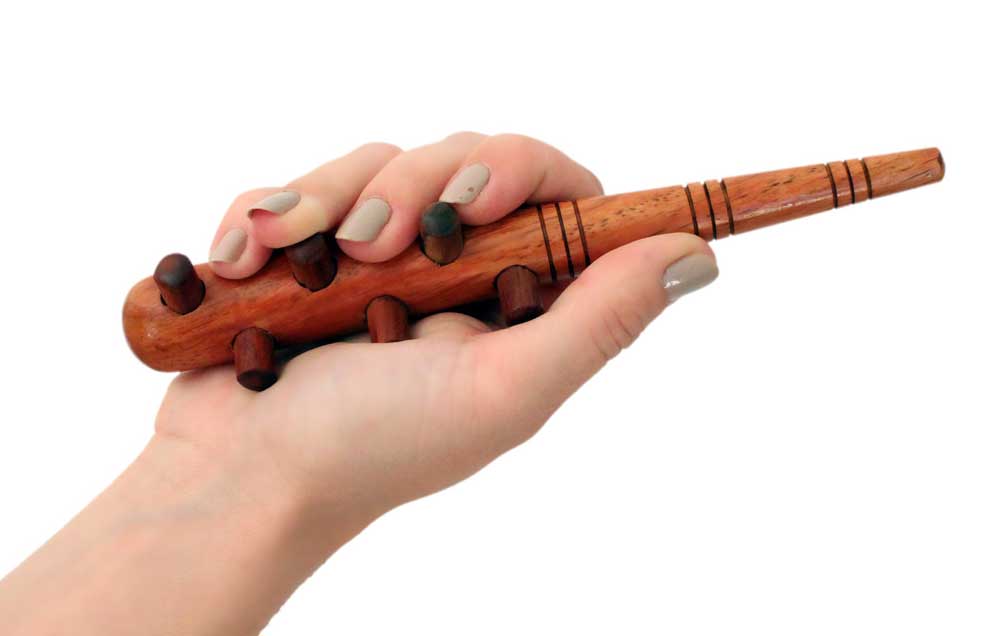
Wooden sticks are popular for foot reflexology. They are light and easy to hold. The smooth tip applies firm pressure without hurting the skin. These sticks help reach small, tight spots on the feet. Many therapists prefer wooden sticks for their natural feel.
Rubber Balls
Rubber balls offer a soft yet firm touch. They roll smoothly under the foot, relieving tension. The balls come in different sizes and textures. Using rubber balls can improve blood flow and reduce pain. They are simple tools for home use and quick relief.
Massage Rollers
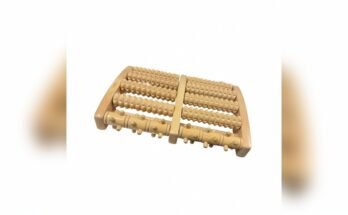
Massage rollers have multiple small wheels or bumps. These rollers move easily across the foot surface. They stimulate many points at once, boosting relaxation. Rollers are ideal for people who want gentle and continuous pressure. Using them regularly can help ease foot soreness.
Electric Massagers
Electric massagers provide vibration or kneading motions. They require less effort than manual tools. Many models have adjustable settings for speed and intensity. Electric massagers can quickly reduce foot fatigue and stress. They are suitable for those who prefer automated reflexology.
Materials And Durability
Choosing the right material for a foot reflexology tool affects its comfort and lifespan. Some materials feel better on the skin. Others last longer and resist damage. Durability matters if you want a tool that stays useful for many sessions. The material also shapes how the tool feels during use. Here, we explore wood, plastic, rubber, and metal options. Each has unique qualities for foot reflexology.
Wood Vs Plastic
Wood tools offer a natural, warm touch. They often feel smooth and gentle on feet. Good quality wood resists cracking and can last a long time. Plastic tools are lighter and easy to clean. They may feel harder than wood. Some plastics may break or wear down faster. Wood feels more natural, while plastic is often more affordable.
Rubber Quality
Rubber reflexology tools provide soft pressure. They adapt well to foot shapes. High-quality rubber is flexible and strong. It does not tear easily. Low-quality rubber can wear out fast and lose shape. Rubber tools give a comfortable massage without sharp edges. They are gentle for sensitive feet.
Metal Tools
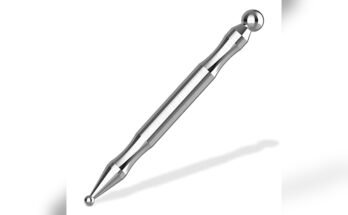
Metal tools are very durable and long-lasting. They deliver firm, precise pressure. Some metals can feel cold on the skin. Stainless steel is popular because it resists rust and damage. Metal tools need careful handling to avoid discomfort. They work well for deep tissue massage on feet.

Choosing Tools For Different Needs
Choosing the right reflexology tool depends on your specific needs. Each tool suits different skill levels and foot types. Using the correct tool improves comfort and results. Consider your experience and foot sensitivity before selecting one.
For Beginners
Beginners benefit from simple tools that are easy to use. Wooden sticks with smooth tips work well. They provide gentle pressure without causing pain. Soft rubber balls also help beginners feel the right spots. These tools allow learning without much risk.
For Professionals
Professionals need durable tools for precise work. Metal or hard wood tools offer firm pressure. Tools with different shapes target exact reflex points. Professionals often use sets with varied sizes. This variety helps treat all foot areas effectively.
For Sensitive Feet
People with sensitive feet require soft, gentle tools. Silicone or gel-based tools reduce discomfort. They apply light pressure and adapt to foot curves. Soft massage rollers can soothe tender spots. These tools avoid irritation and promote relaxation.
Using Reflexology Tools Safely
Using reflexology tools safely is important to get the best results. These tools help apply pressure to specific points on the feet. Using them the right way prevents pain and injury. This section explains how to use reflexology tools carefully for safe and effective foot care.
Proper Techniques
Hold the tool firmly but gently. Apply slow, steady pressure to the foot. Move the tool in small circles or back and forth. Avoid pressing too hard on sensitive areas. Start with light pressure and increase slowly. Focus on comfort, not force. Use the tool only on clean, dry skin.
Avoiding Injuries
Stop if you feel sharp pain or discomfort. Do not use tools on cuts, blisters, or swollen areas. Keep tools away from broken skin. Avoid overusing the tool in one spot. Limit sessions to 10-15 minutes per foot. Rest your feet between sessions. Check your feet for any redness or bruises after use.
Cleaning And Maintenance
Clean tools after every use to prevent germs. Use warm water and mild soap to wash them. Dry tools completely before storing. Store tools in a dry, cool place. Inspect tools regularly for cracks or damage. Replace tools that show wear to keep them safe. Proper care helps tools last longer and stay hygienic.
Top Reflexology Tools In The Market
Reflexology tools help improve foot health and relaxation. They target pressure points and relieve tension. Choosing the right tool can make your sessions more effective and enjoyable. Many options suit different needs and budgets. Below are some top reflexology tools on the market today.
Best Budget Picks
Affordable tools still offer great relief and quality. Wooden foot rollers are popular for their durability and ease of use. They provide deep massage and stimulate foot pressure points well. Silicone foot massagers also work for gentle stimulation and are easy to clean. These budget picks fit anyone wanting basic reflexology benefits without high costs.
Premium Options
High-end tools bring advanced features and comfort. Electric foot massagers with heat and vibration provide a soothing experience. Some include multiple settings to adjust intensity. Jade or stone reflexology tools offer natural cooling effects and smooth pressure. These premium options suit people who want a spa-like reflexology session at home.
User Favorites
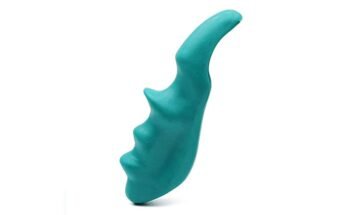
Tools loved by users combine comfort, quality, and results. Acupressure mats with foot spikes help increase blood flow and reduce pain. Handheld reflexology sticks offer precise control over pressure points. Many find these tools easy to use daily. User favorites balance effectiveness and convenience for lasting foot care.
Diy Reflexology Tools
DIY reflexology tools offer a simple way to practice foot reflexology at home. They are affordable and easy to find or make. Using these tools can help relieve stress and improve foot health without visiting a professional.
Homemade Options
Many household items work well as reflexology tools. A tennis ball can massage the soles of your feet. Rolling it under your foot helps ease tension. A wooden spoon or a smooth stone also works well. These items target specific pressure points. You can control the pressure and area easily.
When To Use Diy Tools
Use DIY tools for quick relief after a long day. They are perfect for regular foot care routines. Avoid using too much pressure to prevent discomfort. If you feel pain, stop and try a gentler tool. DIY tools fit well for light massages and relaxation. They are not a substitute for professional reflexology in serious cases.
Frequently Asked Questions
What Is The Best Reflexology Tool For Foot Pain?
The best reflexology tool for foot pain is a wooden or silicone foot roller. These tools target pressure points effectively, improving circulation and reducing discomfort. They are easy to use and provide consistent pressure, making them ideal for relieving foot pain.
How To Choose A Reflexology Tool For Feet?
Choose a reflexology tool based on comfort, material, and effectiveness. Wooden rollers offer firm pressure, while silicone tools provide gentler stimulation. Consider your foot sensitivity and specific needs to select the most suitable reflexology tool for optimal results.
Are Foot Rollers Better Than Reflexology Sticks?
Foot rollers cover larger areas and offer soothing massage, while reflexology sticks provide precise pressure on specific points. Both are effective, but rollers are better for overall relaxation, and sticks target specific reflex points for deeper therapy.
Can Reflexology Tools Improve Foot Circulation?
Yes, reflexology tools stimulate pressure points that enhance blood flow. Improved circulation reduces swelling and promotes healing. Regular use of these tools can help maintain healthy feet and reduce discomfort caused by poor circulation.
Conclusion
Choosing the right reflexology tool depends on your needs and comfort. Some prefer wooden sticks for firm pressure. Others like rubber balls for gentle massage. Simple tools can relieve foot pain and stress. Regular use helps improve blood flow and relaxation.
Try different tools to see what feels best. Your feet deserve care and attention every day. Reflexology can support overall well-being in a natural way. Start small, feel the difference, and enjoy healthier feet.