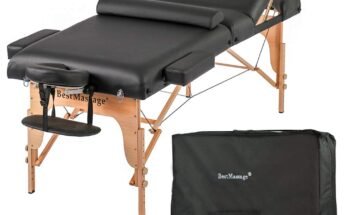
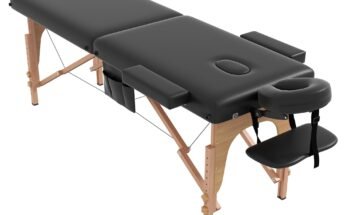
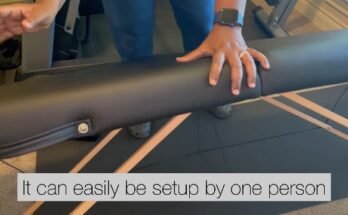
Choose a 30–32 inch wide, 73–76 inch long table for most therapists and home use.
I have worked with dozens of tables and taught therapists how to pick gear. I will walk you through what size massage table should I buy, step by step. You will learn the common widths, lengths, height ranges, and how to match a table to your clients and practice. I mix research, clear rules of thumb, and real-life tips so you make a confident choice.
Why size matters for massage tables
Table size changes comfort for your client and ease for you. A table that is too narrow squeezes larger clients and limits side-by-side techniques. A table that is too wide can force you into awkward body mechanics and lead to therapist fatigue.
Think of the table as your main tool. The right dimensions support posture, reach, and treatment quality. I have felt the difference between a narrow and a wide table during long shifts. Picking the correct size reduces strain and improves results.
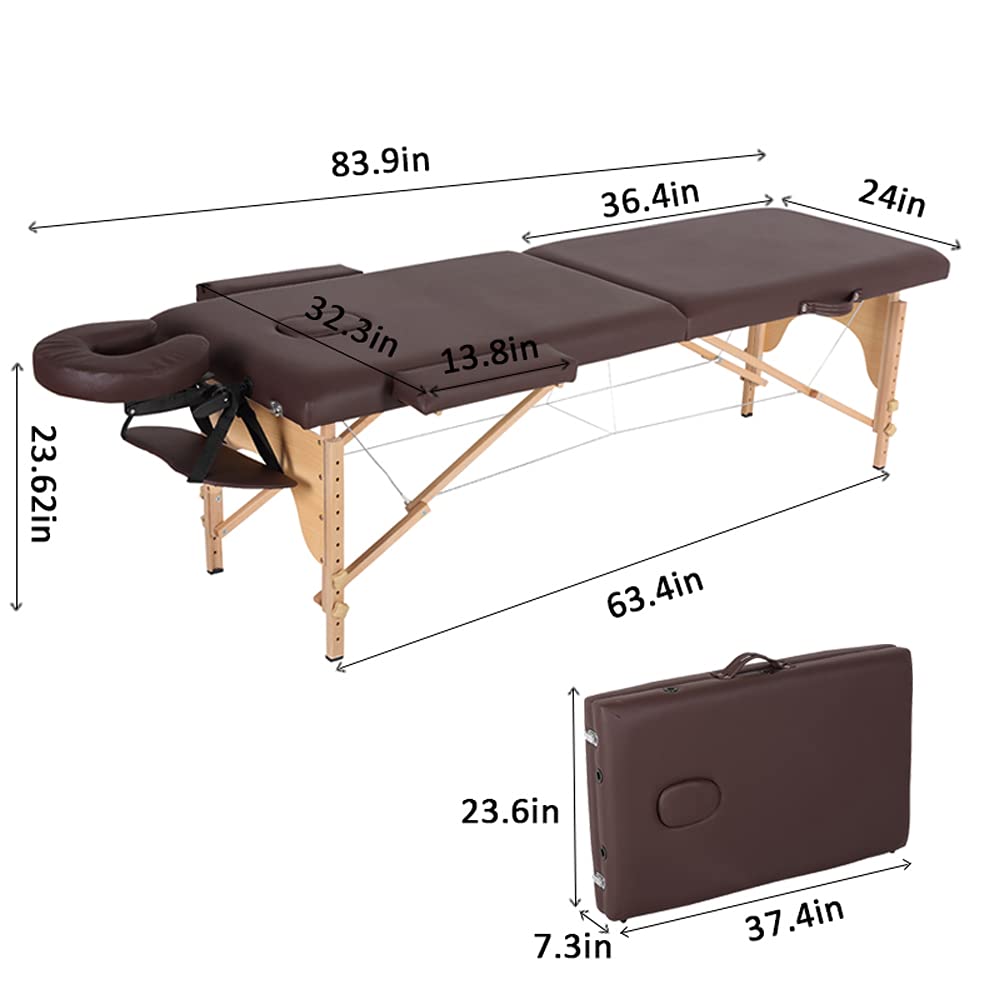
What size massage table should I buy — standard sizes and dimensions
Most portable tables come in standard widths and lengths. Use these figures as a starting point when asking what size massage table should I buy.
-
Standard widths
- 28 inches — Best for travel and small therapists. Lightweight and narrow.
- 30 inches — The most common choice. Good balance of space and reach.
- 31–32 inches — Better for larger clients or therapists who prefer more surface.
- 36 inches and up — Specialty or stationary tables for bariatric clients or spa couples.
-
Standard lengths
- 73–75 inches — Common portable table length. Fits most adults.
- 76–84 inches — Better for tall clients. Stationary tables often reach these lengths.
-
Height range
- Adjustable 24–34 inches is typical. Choose one that reaches your ideal working height. Taller therapists need higher max height for proper body mechanics.
-
Padding and surface
- 2.5–3 inches of high-density foam is common. Thicker foam may be needed for comfort, but very soft foam lowers stability.
When deciding what size massage table should I buy, start with these standards and then tailor by client mix and travel needs.
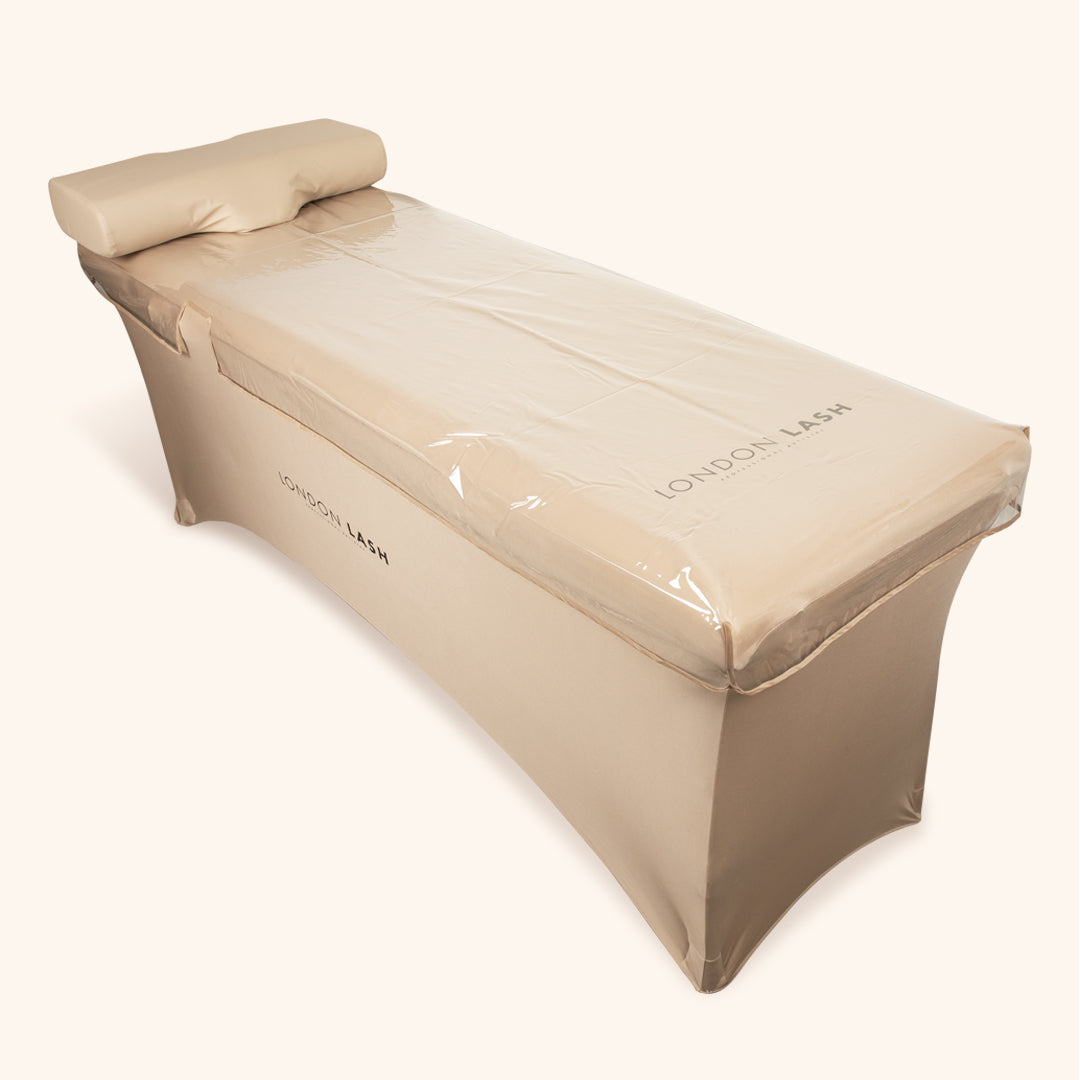
How to choose size by practice type and client profile
Match the table to your main work. This helps answer the practical side of what size massage table should I buy.
-
Mobile therapist
- Pick 28–30 inches wide and light weight. Look for aluminum frames and easy lift weight. Portability and setup speed matter.
-
Spa or clinic owner
- Choose 30–32 inches wide and a stable frame. Stationary or heavy-duty portable tables work well. Comfort and durability are priorities.
-
Deep-tissue or sports massage
- Prefer 31–32 inches wide to allow elbow work and extra padding. A strong frame with high weight capacity is key.
-
Pregnancy and prenatal massage
- Consider wider tables or pregnancy cushions and cutouts. A 32–36 inch table gives more comfort for side-lying positions.
-
Bariatric clients
- Choose 36 inches or wider with a high weight rating. Reinforced frames and thick padding ensure safety.
For each scenario, ask yourself: who are my clients and where will I work? That answer guides what size massage table should I buy.
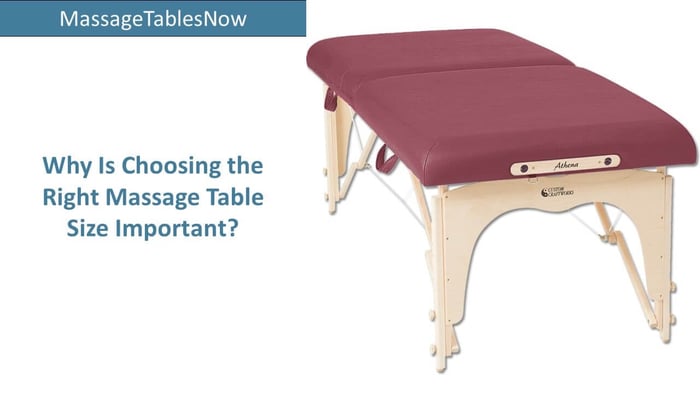
Other size-related features to consider
Size is more than width and length. Several related specs affect how well a table performs.
-
Weight capacity
- Look for at least 450–600 lb capacity for general use. Heavy-duty tables can support 800+ lb for bariatric needs.
-
Frame material
- Aluminum is light and portable. Hardwood is quieter and often more stable. Both can be sturdy if well-built.
-
Top width where head cradle sits
- Consider the head cradle and face hole width. A table that narrows at the head can reduce functional width.
-
Table edges and stability
- Wider edges give more usable surface. Check for leg braces and spreaders that lock securely.
-
Adjustability and accessories
- Removable armrests, bolsters, and face cradles change how you use space. An adjustable table can suit multiple work styles.
When you ask what size massage table should I buy, also weigh these features. They change real-world usability more than a single inch difference.

Personal tips, mistakes to avoid, and a simple buying checklist
I have tested many models. I made choices I would change if I had to do it again. Here are clear tips to avoid the same mistakes.
Common mistakes I made
- Choosing the narrowest portable table to save weight. It felt cramped for many clients.
- Buying a low-capacity table to save money. It creaked under larger clients and needed replacement.
Practical tips I learned
- Try before you buy. Lie on the table and practice common therapist moves if possible.
- Match table width to your dominant techniques. Wider tables help elbows and forearm work.
- Check the real lift weight and total weight of the table. A 30" good-quality hardwood table may be much heavier than expected.
- Choose a neutral color and durable vinyl for busy clinics.
Simple buying checklist
- Confirm width and length fit your client base.
- Check height range and the highest comfortable working height.
- Verify weight capacity meets your needs plus a safety margin.
- Inspect frame and leg support for stability.
- Test padding firmness and upholstery quality.
If you wonder what size massage table should I buy, use this checklist as your quick filter. It will save time and money.
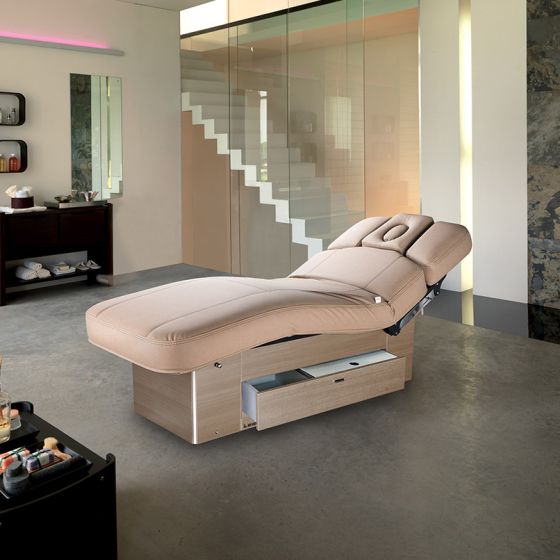
How to measure your space and transport needs
Measure the room and consider access routes. A table must fit through doors and around furniture.
- Room clearance
- Allow 30–36 inches of walking space around the table for good movement.
- Door and elevator checks
- Measure narrowest door width and hallway turns. A 32–36 inch table may not fit some entries when angled.
- Vehicle transport
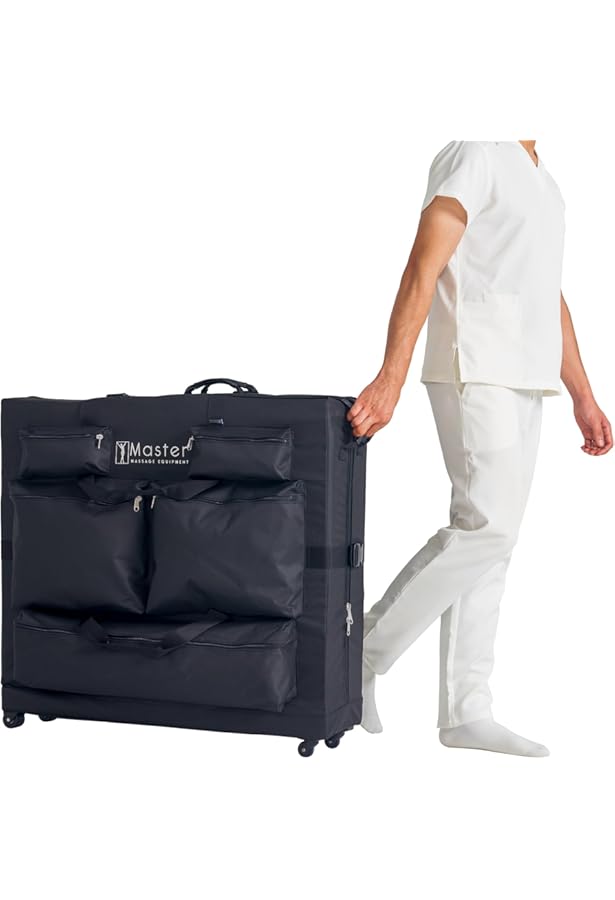
- Check trunk or van dimensions. Account for case or carrying bag height.
A common rule: measure first, buy second. This avoids surprises and answers what size massage table should I buy in your real setting.

Where to buy and final thoughts
Buy from sellers with clear return policies and good warranties. Try local dealers, trade shows, or trusted online retailers.
Think of your table as an investment. The right size improves client comfort and protects your body. If you still ask what size massage table should I buy, choose a mid-range width (30–32 inches) and standard length (73–76 inches) for the most flexibility. This choice fits most clients and styles.
Frequently Asked Questions of What size massage table should I buy
What width is best for a mobile therapist?
A mobile therapist usually chooses 28–30 inches for lighter weight and easier transport. This size balances comfort and portability.
Is a wider table always better?
Not always. Wider tables add client space but can push your posture into awkward positions. Pick a width that fits your techniques and body height.
How long should a massage table be for tall clients?
Choose 76–84 inches if you often see tall clients. A longer table prevents feet from hanging off and improves comfort.
What height range should a table have?
Look for a table that adjusts roughly 24–34 inches. Taller therapists often need a higher max height for ergonomic work.
Do I need a heavy-duty table for sports massage?
Yes. Sports and deep-tissue work benefit from higher weight capacity and sturdier frames. Aim for 600+ lb capacity for safety.
Can I use a stationary table at home instead of a portable one?
Yes. Stationary tables are more stable and luxurious. They are ideal if you don’t need to move the table frequently.
How thick should the padding be?
2.5–3 inches of high-density foam is common. Choose firmer foam if you do deep work; softer foam for relaxation work.
Should I prioritize width or weight capacity?
Prioritize both based on client needs. If you serve larger clients, weight capacity and width should come first.
Is 30 inches a safe default choice?
Yes. A 30-inch table is a safe default for most therapists. It fits many clients and keeps you within comfortable reach during work.
How important is frame material when picking size?
Frame material affects weight and durability but not exact size. Aluminum helps portability; hardwood adds stability. Choose the material that fits your travel and practice needs.
Conclusion
Choosing the right size transforms your work and your client’s comfort. Use the 30–32 inch width and 73–76 inch length as a flexible starting point, then adjust for your client mix, mobility needs, and room space. Test tables, check weight ratings, and follow the checklist to avoid common mistakes. Take action today: measure your space, list your client needs, and try tables in person if possible. Leave a comment with your practice type and I will help you narrow down the best size.