
Have you ever wondered why heat and vibration feel so different, even though both involve energy? Understanding the difference between heat and vibration modes can change the way you see everyday things—from how your phone works to why certain materials behave the way they do.
You’ll discover clear, simple explanations that break down these concepts step by step. By the end, you’ll not only grasp what sets heat and vibration apart but also how this knowledge can impact your daily life. Keep reading to unlock insights that most people overlook!
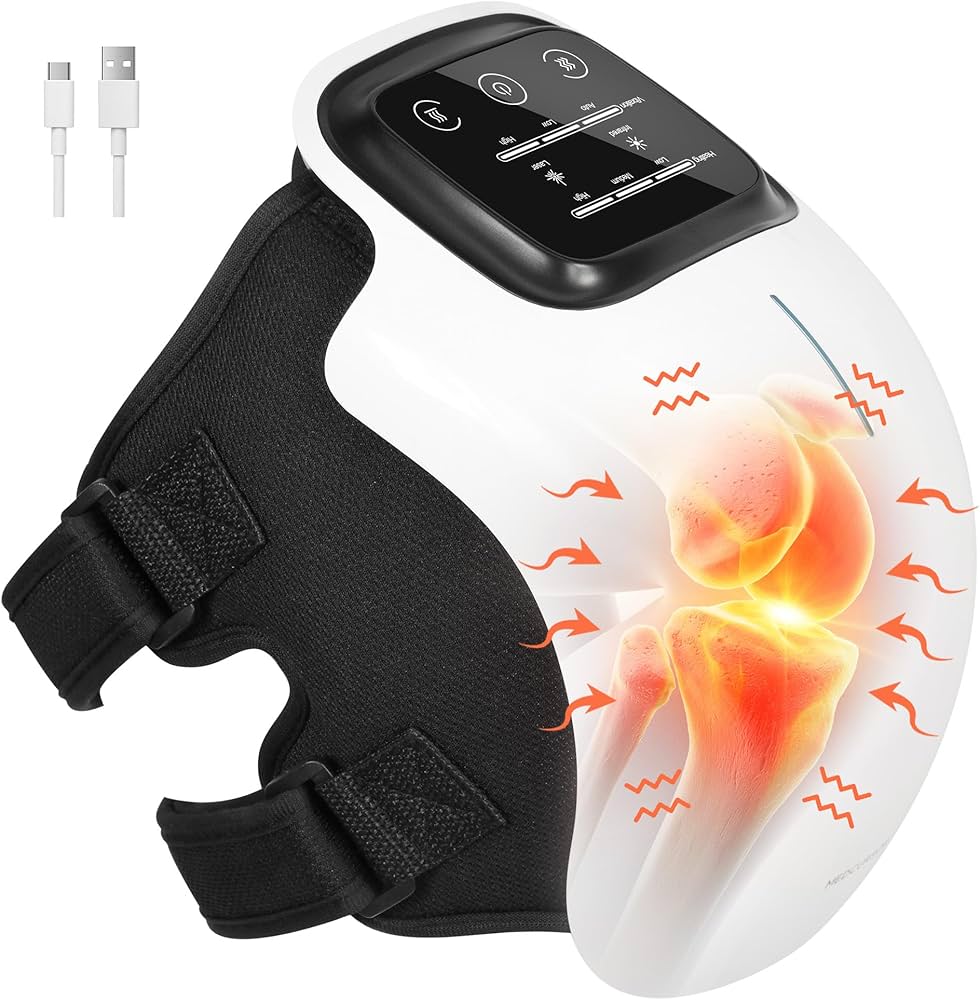
Heat Modes
Heat modes explain how heat moves from one place to another. Heat transfer happens in different ways. Understanding these ways helps us see how energy flows in nature and machines.
Nature Of Heat Transfer
Heat transfer is the movement of thermal energy. It flows from hot objects to cold ones. This movement continues until temperatures equalize. Heat transfer happens in solids, liquids, and gases. It does not require a medium in all cases.
Types Of Heat Modes
There are three main heat transfer modes. Conduction occurs through direct contact. Convection moves heat by fluid motion. Radiation transfers heat via electromagnetic waves. Each mode works in unique ways.
Examples Of Heat Transfer
Touching a hot pan shows conduction. Warm air rising near a heater is convection. Feeling the sun’s warmth is radiation. These examples show heat modes in everyday life.
Vibration Modes
Vibration modes explain how objects move when they vibrate. These modes show the patterns of movement inside a structure. Understanding vibration modes helps in many fields like engineering and physics. It shows where parts move the most or stay still.
Studying vibration modes helps to prevent damage and improve designs. It allows engineers to make machines safer and stronger. Below are key points about vibration modes.
Basics Of Vibrations
Vibrations are back-and-forth movements of objects. They happen when energy moves through materials. Every object has natural frequencies where it vibrates easily. These are called resonance frequencies. Vibrations can be small or large depending on the force.
Understanding these basics helps explain vibration modes. Each mode shows a unique pattern of motion. Some parts move a lot, while others stay still. These patterns repeat over time and give insight into object behavior.
Types Of Vibration Modes
There are several types of vibration modes. The main types are bending, torsional, and axial modes. Bending mode shows how objects bend during vibration. Torsional mode shows twisting movements. Axial mode shows stretching or compressing along the length.
Each mode affects the object differently. Complex objects may show many vibration modes at once. Knowing the types helps engineers analyze and fix problems early.
Applications Of Vibration Analysis
Vibration analysis has many uses in industry. It helps find faults in machines before they break. Engineers use it to design quieter cars and airplanes. It is also important in building bridges and tall structures.
In medicine, vibration modes help study bones and tissues. This analysis saves money and improves safety. Many fields rely on vibration modes for better results.
Key Differences
The key differences between heat and vibration modes lie in how they operate and affect materials. Understanding these differences helps in choosing the right method for various applications. Both modes involve energy but use it in unique ways. Their effects on materials also vary greatly.
Mechanism Comparison
Heat mode works by raising the temperature of a material. It causes atoms to move faster and spread heat evenly. Vibration mode moves parts back and forth quickly. This movement creates mechanical energy that can loosen or compact materials. Heat changes the state of materials by energy increase. Vibration changes material structure by physical motion.
Energy Transfer Methods
Heat transfers energy through conduction, convection, or radiation. It spreads energy in the form of thermal waves. Vibration transfers energy through oscillations and pulses. It moves energy mechanically through the material’s particles. Heat energy causes molecules to vibrate internally. Vibration energy causes the whole object to move externally.
Impact On Materials
Heat mode can soften, melt, or cure materials by raising temperature. It can also cause expansion or chemical changes. Vibration mode can improve material strength by aligning particles. It can remove impurities or assist in mixing. Heat may weaken materials if too high. Vibration may cause fatigue or wear if too intense.

Practical Implications
Understanding the practical implications of heat and vibration modes helps engineers and designers build better systems. These modes affect how materials behave and perform under different conditions. Knowing the differences aids in making safer, more efficient products.
Heat Modes In Engineering
Heat modes describe how heat moves through materials. Engineers study these modes to manage temperature changes. Proper heat control prevents damage and improves performance. For example, heat modes are key in designing engines and electronics. They help avoid overheating and extend product life.
Vibration Modes In Design
Vibration modes show how objects move or shake. Designers use this knowledge to reduce noise and wear. Understanding vibration modes improves comfort and durability. Bridges, cars, and buildings are designed with these modes in mind. It helps prevent structural failure and costly repairs.
Safety Considerations
Heat and vibration modes both impact safety. Excess heat can cause fires or material failure. Strong vibrations may lead to cracks or collapse. Monitoring these modes helps detect problems early. This protects users and extends the life of structures and machines.

Frequently Asked Questions
What Defines Heat Modes In Physical Systems?
Heat modes refer to patterns of temperature distribution and thermal energy transfer within a system. They describe how heat propagates and dissipates through materials over time, influencing thermal stability and efficiency in engineering and scientific applications.
How Do Vibration Modes Differ From Heat Modes?
Vibration modes involve oscillations and mechanical waves in structures, causing displacement and stress. Unlike heat modes, vibration modes focus on dynamic motion and resonance, affecting structural integrity and noise generation in mechanical systems.
Why Is Understanding Heat And Vibration Modes Important?
Understanding both modes helps optimize system design for safety, performance, and durability. It aids in predicting thermal behavior and mechanical response, ensuring efficient energy use and preventing structural failures.
Can Heat And Vibration Modes Occur Simultaneously?
Yes, heat and vibration modes can coexist, especially in machinery and electronics. Thermal effects may influence vibrations, and vibrations can generate heat, impacting overall system behavior and lifespan.
Conclusion
Heat and vibration modes differ in how energy moves in materials. Heat mode involves the flow of thermal energy, making things warmer. Vibration mode is about particles moving back and forth quickly. Both affect materials but in unique ways. Knowing these differences helps in many fields like engineering and science.
Understanding heat and vibration modes improves how we use materials daily. Simple concepts, big impact.