When you hear about dry heat and moist heat, it might seem like small details, but these two methods can change everything—from how you cook your food to how you sterilize medical tools. Many people use these terms in cooking and science, but not everyone knows the real differences between them. Understanding how each method works, their effects, and when to use them can make a big difference, whether you’re in the kitchen or working in a lab.
Let’s explore the world of dry and moist heat, look at their unique features, compare their uses, and clear up common misunderstandings. By the end, you’ll know how to choose the right method for your needs and understand why these differences matter in daily life.
What Is Dry Heat?
Dry heat means using heat without any water, steam, or other liquids. In simple words, it’s heat that comes from hot air, metal, or direct flame. This method does not involve moisture. In both cooking and sterilization, dry heat changes things in a special way.
How Dry Heat Works
Dry heat transfers energy through conduction (direct contact) or convection (air movement). For example, when you bake bread, the hot air in the oven cooks the dough. When you roast coffee beans, the beans touch a hot pan or are surrounded by hot air, which removes water inside and causes chemical changes that create flavor.
Common Examples Of Dry Heat
- Baking (bread, cakes, cookies)
- Roasting (meat, vegetables, coffee beans)
- Grilling (meat, fish, vegetables)
- Toasting (bread, nuts)
- Broiling (meat, fish under direct heat)
- Dry heat sterilization (using ovens to sterilize metal tools)
Key Features Of Dry Heat
- No water or steam is used.
- Heat moves more slowly than with moist heat.
- Temperatures are usually higher (often 160°C to 180°C for sterilization).
- Surface becomes brown and crispy due to Maillard reaction (a chemical change between amino acids and sugars).
Where Dry Heat Is Used
Dry heat is common in kitchens, bakeries, and some factories. It’s also used in hospitals and labs to sterilize glassware, powders, and metal objects that can’t get wet.
What Is Moist Heat?
Moist heat uses water or steam to transfer heat. This method is very different from dry heat because it cooks or sterilizes with moisture, which changes how things react to heat.
How Moist Heat Works
Moist heat uses convection and condensation. For example, when you steam vegetables, hot steam touches the food, quickly heating it and making it soft. In sterilization, moist heat (steam under pressure) kills bacteria and viruses by breaking their proteins.
Common Examples Of Moist Heat
- Boiling (pasta, eggs, vegetables)
- Steaming (dumplings, fish, vegetables)
- Poaching (eggs, fish in hot water below boiling)
- Braising (meat cooked slowly in a little liquid)
- Stewing (meat and vegetables cooked in liquid)
- Moist heat sterilization (using autoclaves for surgical tools)
Key Features Of Moist Heat
- Uses water, steam, or other liquids.
- Heat transfer is faster due to steam’s high energy.
- Temperatures are usually lower than dry heat (100°C for boiling, 121°C for autoclaving).
- Food stays moist, with less browning.
Where Moist Heat Is Used
Moist heat is popular in home and restaurant kitchens, especially for delicate foods. It’s also the main method for sterilizing most medical and lab equipment, because it’s faster and more effective against microbes.
Dry Heat Vs. Moist Heat: Main Differences
The best way to understand these methods is to see them side by side. Here’s a clear comparison:
| Feature | Dry Heat | Moist Heat |
|---|---|---|
| Medium | Air, metal, flame (no water) | Water, steam, or other liquids |
| Heat Transfer | Slower | Faster |
| Temperature Range | 160–250°C (320–482°F) | 100–121°C (212–250°F) |
| Time Needed | Longer | Shorter |
| Effect on Texture | Crispy, brown exterior | Soft, moist texture |
| Common Uses | Baking, roasting, sterilizing glassware | Boiling, steaming, sterilizing tools |
This table helps show how each method works and what results you can expect.
How Heat Changes Food: Dry Vs. Moist Methods
Cooking is more than just making food hot. The type of heat changes taste, texture, and even nutrition. Here’s how:
Dry Heat In Cooking
Dry heat makes food brown and crispy. This is good for bread, cookies, roasted meat, or vegetables. The outside dries out and becomes crunchy. The inside stays tender. Dry heat can also bring out deep, rich flavors because of the Maillard reaction.
But there’s a catch: dry heat can dry out some foods if you’re not careful. Thin cuts of meat can become tough. Bread can burn if left too long.
Moist Heat In Cooking
Moist heat keeps food soft and juicy. Boiling, steaming, and poaching are good for delicate foods like fish, eggs, and vegetables. Moist heat is less likely to burn or dry out food, but it won’t make things crispy.
Slow methods like stewing or braising can make tough meat tender. The moisture breaks down fibers and lets flavors blend together.
Nutritional Impact
Moist heat can cause some vitamins (like vitamin C and some B vitamins) to leak out into cooking water. But, it also keeps fat content lower because you don’t need oil. Dry heat can preserve more vitamins inside the food but may add calories if you use oil or fat.

How Heat Kills Germs: Sterilization Differences
In hospitals and labs, choosing between dry and moist heat is serious business. The goal is to kill all bacteria, viruses, and spores.
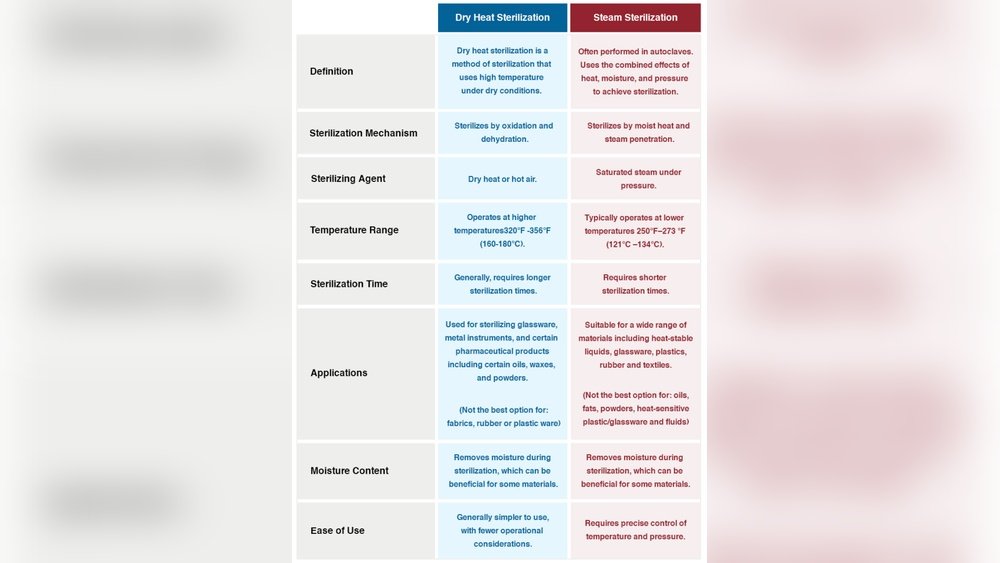
Dry Heat Sterilization
- Used for glassware, powders, oils, metal instruments.
- Needs higher temperatures (160°C for 2 hours or 170°C for 1 hour).
- Kills germs by oxidizing cell parts (burning them up).
- Not good for liquids, fabrics, or anything that melts.
Moist Heat Sterilization
- Used for surgical tools, media, dressings, rubber, plastics.
- Uses an autoclave (steam under pressure, 121°C for 15–30 minutes).
- Kills germs by denaturing proteins (breaking them apart).
- Faster and more reliable for most bacteria and spores.
Real-world Example
A hospital must sterilize both metal scissors and rubber tubing. Scissors go into the dry heat oven. Rubber tubing goes into the autoclave. If you put rubber in dry heat, it melts. If you put powders in moist heat, they clump or spoil.
Advantages And Disadvantages Of Each Method
No method is perfect for every job. Here’s a closer look:
Dry Heat: Advantages
- Makes food crispy and flavorful.
- Good for sterilizing items that can’t get wet.
- No risk of corrosion for metal tools.
- Safe for oils and powders.
Dry Heat: Disadvantages
- Takes longer to cook or sterilize.
- Can dry out or burn food.
- Not effective for all germs (some spores survive).
- Not suitable for liquids, fabrics, or plastics.
Moist Heat: Advantages
- Cooks and sterilizes quickly.
- Keeps food moist and tender.
- More effective against bacteria and spores.
- Can be used for many materials (except powders and oils).
Moist Heat: Disadvantages
- No browning or crispy texture.
- Some nutrients can be lost in water.
- Not for items that can rust or be damaged by moisture.
- Risk of burns from steam if not careful.
When To Use Dry Heat Vs. Moist Heat
Choosing the right method depends on your goal, the type of material or food, and the result you want.
In The Kitchen
- Use dry heat for bread, cakes, roasted meats, cookies, and crispy vegetables.
- Use moist heat for soups, stews, steamed vegetables, poached eggs, and tender meats.
In Medical And Lab Settings
- Use dry heat for glassware, metal tools, powders, and oils.
- Use moist heat (autoclave) for surgical instruments, dressings, media, and most lab equipment.
Non-obvious Insights
- Many people think all germs die at high heat, but some bacterial spores survive dry heat at temperatures that would kill them with moist heat. This is why autoclaves are used for most sterilization jobs.
- In cooking, the Maillard reaction (browning) only happens with dry heat or very little moisture. If you want golden-brown bread or meat, you must use dry heat. Moist heat cannot create this effect.
Scientific Explanation: Why Moist Heat Works Faster
There’s a reason moist heat cooks and sterilizes faster. Water and steam transfer heat more efficiently than air. For example, steam at 100°C carries much more energy than air at 100°C. When steam touches a surface, it gives up its energy quickly, heating the object faster.
This is why you can steam a vegetable in a few minutes, but roasting it takes much longer—even at higher oven temperatures. The same idea applies in autoclaving: pressurized steam penetrates every tiny space, killing germs quickly.
Dry And Moist Heat In Everyday Life
Let’s see how these methods show up in daily life.
- Home cooking: Baking pizza (dry heat) vs. boiling pasta (moist heat)
- Medical clinics: Sterilizing scalpels (dry heat) vs. syringes (moist heat)
- Industry: Roasting coffee beans (dry heat) vs. pasteurizing milk (moist heat)
- Household cleaning: Using a hot oven to clean metal parts (dry heat) vs. using steam cleaners on floors (moist heat)
These examples show that both methods are useful—knowing the difference helps you get better results.
Comparing Cooking Methods: What Happens To Food
Here’s a quick look at how popular foods react to each method:
| Food | Dry Heat Result | Moist Heat Result |
|---|---|---|
| Chicken | Crispy skin, juicy inside (roasted) | Tender, moist, no browning (boiled or steamed) |
| Bread | Golden crust, fluffy inside (baked) | Soft, pale (steamed buns) |
| Potatoes | Crunchy outside, soft inside (roasted) | Very soft, no crispiness (boiled or steamed) |
| Fish | Dry, flaky (baked or grilled) | Moist, delicate (poached or steamed) |
Common Mistakes And How To Avoid Them
Understanding when to use dry or moist heat helps you avoid mistakes.
- Using dry heat for delicate foods: Thin fish fillets or eggs can dry out or burn. Use moist heat instead.
- Using moist heat for crispy results: Steaming or boiling won’t brown meat or bread. Use dry heat for a crunchy texture.
- Sterilizing the wrong items: Some people try to sterilize rubber or plastic in dry heat—these will melt or burn. Always check the material first.
- Overcooking with either method: Both can ruin food or tools if left too long. Use timers and follow guidelines.
The Role Of Pressure In Moist Heat
Most people know about boiling and steaming, but pressure changes everything. In an autoclave, steam is kept under pressure (usually 15 psi), raising the temperature to 121°C. This kills even tough bacterial spores in a short time. Without pressure, regular boiling (100°C) can’t kill all germs.
In the kitchen, pressure cookers use the same idea. They cook beans or tough meat much faster than boiling alone, saving time and energy.

Environmental And Safety Considerations
Each method has safety and environmental issues.
- Dry heat ovens use more electricity or gas because they run longer and at higher temperatures.
- Moist heat methods (like steaming or pressure cooking) use less energy and often produce less air pollution.
- Autoclaves use a lot of water and electricity, but they are safer for medical staff because they don’t create toxic fumes.
Always follow safety guidelines: ovens can cause burns, and steam can scald skin instantly.
Which Method Is Healthier?
There is no simple answer. Both have pros and cons:
- Dry heat can add calories if you use oil, but it keeps nutrients inside food.
- Moist heat lowers fat content and is good for gentle cooking, but some vitamins can be lost in water.
The healthiest option depends on the food, your health needs, and how you cook. For example, roasting vegetables with little oil is healthy. Steaming fish keeps it moist and low in fat.

Cultural Differences In Cooking
Different cultures use these methods in unique ways:
- Western cuisines often use baking and roasting (dry heat).
- Asian cuisines use more steaming, boiling, and braising (moist heat).
- Middle Eastern and African cuisines often mix both, using dry heat for bread and moist heat for stews.
Understanding these methods can help you try recipes from around the world.
Energy Use: Which Is More Efficient?
Moist heat methods, like boiling or steaming, are usually more energy efficient. They use lower temperatures and cook faster. Dry heat ovens take longer to heat up and can lose heat into the kitchen. This means higher energy bills and more heat in your home.
Pressure cookers and autoclaves are especially efficient because they use high pressure to cook or sterilize quickly.
Innovations And Modern Uses
New technology blends both methods. For example, combi ovens can switch between dry heat (like baking) and moist heat (like steaming) for perfect results. These are popular in restaurants and hotels.
Microwaves are another example. They use moist heat (steam) inside food, which is why bread doesn’t get crispy in a microwave. Air fryers use hot air (dry heat) to make food crispy with less oil.
Summary Table: Dry Vs. Moist Heat
Here’s a simple summary to help you remember:
| Aspect | Dry Heat | Moist Heat |
|---|---|---|
| How it works | Hot air or surface | Steam, water, liquid |
| Results | Crispy, brown, dry | Soft, juicy, moist |
| Best for | Baking, roasting, sterilizing glass/metal | Boiling, steaming, sterilizing fabrics/tools |
| Downsides | Dries out food, slow, can burn | No browning, can lose nutrients in water |
| Energy use | Higher, slower | Lower, faster |
Final Thoughts
Knowing the difference between dry heat and moist heat is more than a science lesson—it helps you cook better, keep things safe, and avoid mistakes. Dry heat is perfect when you want crispiness, browning, or need to sterilize items that must stay dry. Moist heat is best for gentle cooking, quick sterilization, and materials that can’t handle high, dry temperatures.
Both methods have their place. The key is to match the method to the result you want. Whether you’re baking bread, steaming fish, or sterilizing lab equipment, this knowledge helps you get it right every time.
For more details on sterilization methods, you can check the Wikipedia: Sterilization (microbiology) page.
Frequently Asked Questions
What Is The Main Difference Between Dry Heat And Moist Heat?
The main difference is dry heat uses air or hot surfaces without moisture, while moist heat uses water, steam, or other liquids. Dry heat makes food crispy and browns the surface, while moist heat keeps food soft and juicy.
Which Method Is Better For Killing Bacteria?
Moist heat is usually better for killing bacteria, viruses, and spores. Steam under pressure (in an autoclave) kills germs faster and at lower temperatures than dry heat, which needs higher temperatures and more time.
Can You Use Dry Heat For All Foods?
No. Some foods dry out, burn, or don’t cook evenly with dry heat. Delicate foods like fish, eggs, and some vegetables do better with moist heat methods like steaming or poaching.
Is Dry Heat Or Moist Heat Healthier?
Both can be healthy, depending on the food and how you cook it. Dry heat keeps more vitamins inside food but can add calories if you use oil. Moist heat keeps food low in fat but may lose water-soluble vitamins into the cooking liquid.
Why Does Dry Heat Make Food Brown?
Dry heat causes the Maillard reaction, a chemical process between amino acids and sugars that creates brown color and rich flavors. Moist heat can’t reach high enough temperatures for this reaction, so food stays pale and soft.