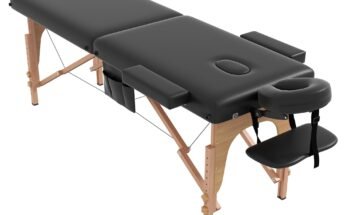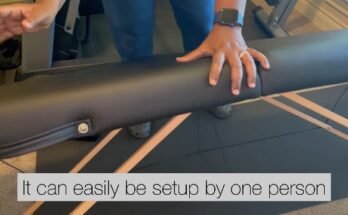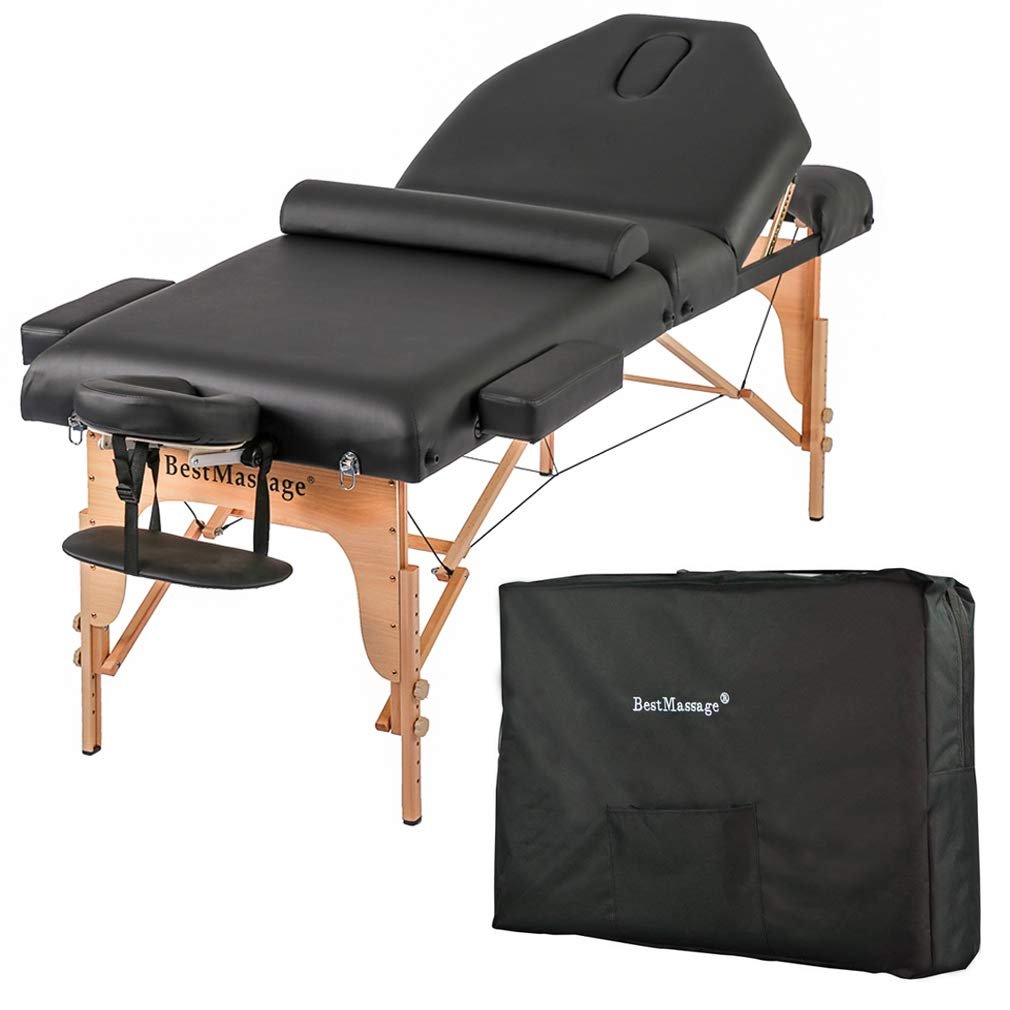
The best massage table for beginners is a lightweight, sturdy portable table with 2.5–3" padding and a solid face cradle.
I’ve worked with dozens of massage tables and taught new therapists how to pick gear that lasts. This guide breaks down what makes the best massage table for beginners, step by step, so you can buy with confidence, avoid common mistakes, and start giving great sessions right away. Read on for practical tips, real-world experience, and simple rules that help you choose the right table for your needs.

Why choosing the right table matters
A good table shapes the client’s comfort and the therapist’s body mechanics. The best massage table for beginners supports safe posture and reduces fatigue. It also protects your early investment by being durable and easy to maintain.
Pick a table that fits your work style. If you plan to work at home, a stationary table might be fine. If you plan to go mobile or teach, a portable table is usually smarter. A great beginner table makes learning techniques easier and keeps clients coming back.

Key features every beginner should prioritize
Focus on a short list of features. These matter most for early success.
- Comfort and padding
- Look for 2.5–3 inches of high-density foam. It balances comfort with support and prevents sinking.
- Width and length
- Standard widths run 28–31 inches; wider tables suit larger clients and allow easier reach. Standard length is ~73 inches; add a headrest for extra length.
- Frame material and weight capacity
- Solid hardwood frames feel sturdy. Aluminum frames are lighter and easier to carry. Aim for a weight capacity of at least 450–600 pounds.
- Portability and weight
- A foldable table under 40 pounds is easier to carry. Check the case and handle for comfort.
- Height adjustability
- A height range from about 24 to 34 inches is useful. Easy-to-turn knobs help you change heights quickly.
- Face cradle and arm supports
- A comfortable, adjustable face cradle is essential. Removable armrests and bolsters add client comfort.
- Upholstery and cleaning
- PU vinyl is common and wipes clean. Check for water resistance and antimicrobial finishes.
- Warranty and support
- At least a one-year warranty is ideal. Good customer support reduces stress if parts need replacing.
Putting these pieces together helps you spot the best massage table for beginners without getting distracted by gimmicks.
Types of tables and which is right for you
Understanding table types makes buying easy. Each type fits different needs.
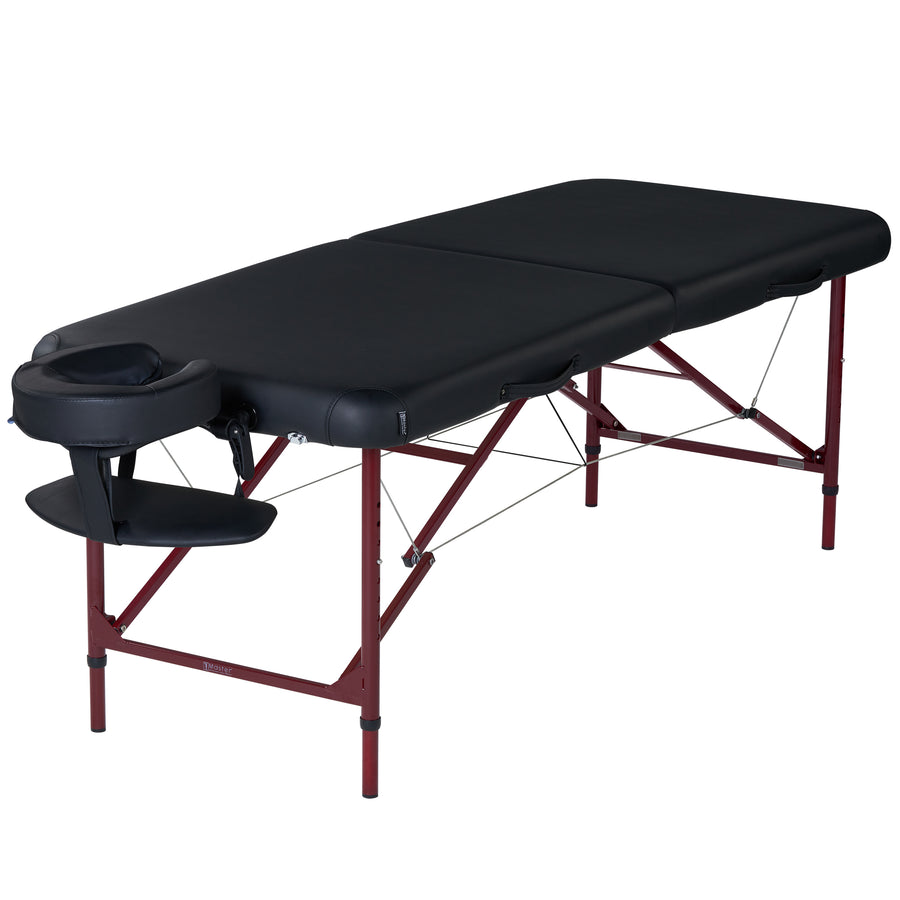
- Portable folding tables
- Best for therapists on the move. They fold in half, come with a case, and balance weight with durability.
- Stationary tables
- Often heavier and more stable. Good for a home studio or spa where you won’t move the table.
- Adjustable or electric tables
- Offer smooth height changes and lift features. They cost more and suit therapists who want less physical strain.
- Hybrid or therapist tables
- Combine extra features like bolsters, shelves, or increased width. They work well when you want professional features without a huge budget.
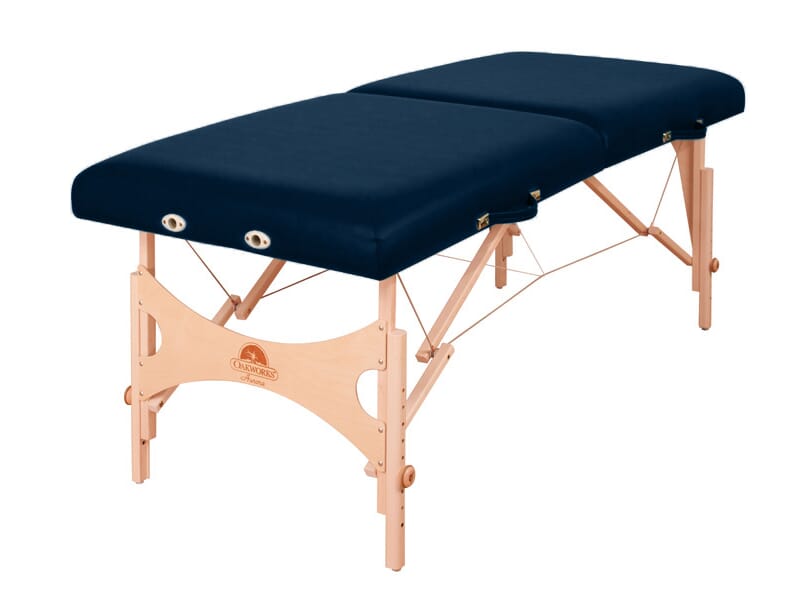
For most new therapists, the portable folding table is the best massage table for beginners. It is affordable, easy to learn on, and flexible for different work settings.

How to choose the best massage table for beginners — step-by-step
Follow this simple plan to decide.
- Decide where you will work most
- If you go to clients, choose a portable table under 40 pounds. If you work from a fixed studio, a stationary table is fine.
- Set a budget
- Beginner-friendly quality usually starts in the mid-price range. Don’t buy the cheapest model; comfort and durability matter.
- Check weight capacity and frame
- Aim for 450–600 pound capacity and a reliable frame. Test the sturdiness before you buy.
- Test padding and upholstery
- Sit and lie on the table if possible. Look for high-density foam and easy-clean vinyl.
- Inspect accessories and ergonomics
- Confirm a comfortable face cradle, armrest options, and easy height adjustments.
- Review warranty and return policy
- Ensure you can return within a trial period and that parts are available.
Using this checklist helped me pick my first table. I learned to avoid ultra-thin padding and unstable legs, which saved my back and kept clients comfortable.

Practical tips, mistakes to avoid, and real-life lessons
I’ll share what I learned so you don’t repeat my early errors.
- Tip: Try before you buy
- Sit, lie, and adjust at a showroom or practice session. Feel the foam and test the knobs.
- Mistake: Choosing style over function
- Fancy colors are tempting, but a sturdy frame and good padding matter more.
- Tip: Think long term
- A slightly heavier table with a solid frame often lasts longer than a very light, fragile model.
- Mistake: Ignoring case and handles
- A poor-quality case or thin handle makes transport miserable. Check seams and straps.
- Tip: Buy extra accessories later
- Start with a good table and add bolsters, face coverings, and a high-quality cover as needed.
These practical lessons will keep your early investment sensible and useful as you build skill and clients.

Care, setup, and maintenance for beginners
Maintaining your table prolongs its life and keeps clients safe.
- Daily cleaning
- Wipe down vinyl with mild soap or a recommended cleaner after each client.
- Avoid harsh chemicals
- Bleach and alcohol can degrade upholstery. Use products the manufacturer approves.
- Regular checks
- Inspect knobs, hinges, and straps monthly. Tighten loose hardware and replace worn parts.
- Storage and transport
- Store a portable table in a dry place. Use a padded case and carry with two hands when possible.
These steps are simple. They protect your table and your reputation as a professional.
Cost, warranty, and value considerations
Budget smart. Cost matters, but value matters more.
- Budget range
- Entry-level quality begins at a modest price, mid-range tables give better foams and frames, and pro tables cost more but last longer.
- Warranty
- Look for at least a one-year warranty and available replacement parts.
- Value factors
- Consider long-term cost per year of use. A slightly more expensive table that lasts five years is often cheaper in the long run.
Choosing the best massage table for beginners means balancing price with durability and comfort. Think long term, not just the sticker price.

Frequently Asked Questions of What is the best massage table for beginners
What should beginners look for first when buying a massage table?
Beginners should prioritize padding, frame strength, and portability. These three features directly affect comfort, durability, and ease of use.
Is a heavier table always better for stability?
Not always. Heavier hardwood tables can be more stable, but good aluminum frames can also be sturdy and much easier to carry. Balance weight with your mobility needs.
How thick should the foam be for a beginner’s table?
Aim for 2.5–3 inches of high-density foam for the best blend of comfort and support. Thinner foam can cause client discomfort and therapist strain.
Do beginners need a professional-grade table right away?
Not necessarily. A quality mid-range table often meets early needs while you learn techniques and grow your client base. Upgrade when you need pro features.
Are electric tables worth it for someone new to massage?
Electric tables reduce physical strain and save time, but they are expensive. They make sense if you have clients with mobility issues or plan to work full time.
Summary and next steps
Choosing the best massage table for beginners comes down to comfort, frame quality, portability, and sensible budgeting. Focus on a portable table with 2.5–3 inches of foam, a reliable frame, and easy height adjustment to start strong. Test a few models, follow the care tips here, and avoid buying the cheapest option just to save money.
Take action: try a table in person if you can, use the checklist above, and invest in a mid-range model that supports your growth. If you found this guide helpful, leave a comment with your needs or subscribe for more gear and technique tips.