Many people search for simple, effective ways to manage pain, stress, and discomfort. One solution stands out for its ease and quick results: the heating pad. While this tool is common in homes, few people understand all the ways heating pads can improve daily life and health. From easing sore muscles to helping with menstrual cramps, the benefits reach far beyond simple warmth. This article explores how heating pads work, their many advantages, and practical tips to get the most from them. Whether you’re seeking relief from chronic pain, an athlete recovering from a workout, or just want cozy comfort on a cold night, you’ll discover fresh insights and science-backed reasons to add a heating pad to your routine.
How Heating Pads Work
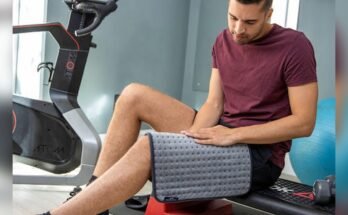
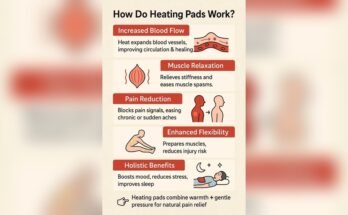
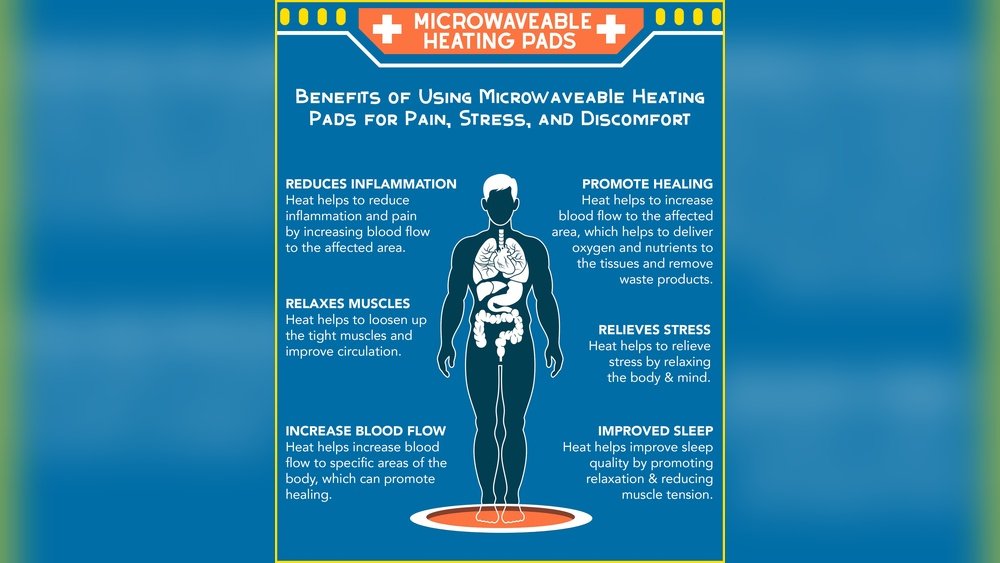
Heating pads are simple devices, but their effects are powerful. They deliver thermotherapy, which means using heat to treat pain and stiffness. When you place a heating pad on your body, it warms up the skin and tissues below. This heat makes your blood vessels widen, increasing blood flow to the area. As more blood moves through, it brings extra oxygen and nutrients, helping your body heal faster.
There are several types of heating pads:
- Electric heating pads plug into an outlet and offer adjustable heat.
- Microwaveable pads are filled with grains or gel and heated in a microwave.
- Chemical heat packs use a reaction to generate heat.
- Infrared heating pads use light energy to produce deeper warmth.
Each type offers unique features, but all share the same goal: delivering soothing, targeted heat.
Main Benefits Of Heating Pads
Heating pads are more than just a comfort item. Here’s a breakdown of the top benefits you can expect.
1. Relieves Muscle Pain And Soreness
Muscle aches are common after a long day, exercise, or even poor posture. Heating pads help relax tight muscles by improving blood circulation. The warmth reduces tension, making it easier for muscle fibers to stretch and heal. Studies show that heat therapy can decrease pain and stiffness in muscles by up to 50% compared to no treatment. Many athletes use heating pads before or after workouts to speed up recovery.
2. Eases Joint Stiffness And Arthritis
For people with arthritis or stiff joints, mornings can feel especially tough. A heating pad softens the tissues around joints, allowing for easier movement. Research confirms that heat therapy can increase joint flexibility and lower pain for people with both rheumatoid and osteoarthritis. Applying heat for 15–30 minutes in the morning often results in better mobility throughout the day.
3. Reduces Menstrual Cramps
Menstrual pain can be intense and distracting. Many women find that placing a heating pad on their lower abdomen brings quick relief. The heat blocks pain signals and relaxes the muscles of the uterus. In fact, a clinical study found that using a heating pad at 104°F (40°C) was as effective as ibuprofen for mild menstrual pain.
4. Supports Back Pain Relief
Back pain is a leading cause of missed work and poor sleep. Heating pads deliver targeted relief to the lower or upper back, soothing tense muscles and reducing spasms. Heat therapy is often recommended alongside stretching and gentle movement for people with chronic or sudden back pain.
Unlike medications, heating pads offer a drug-free option with no side effects.
5. Improves Blood Circulation
Applying heat to the body widens blood vessels, a process called vasodilation. Better circulation helps deliver nutrients and remove waste products from tissues more quickly. This effect is especially helpful for people with poor circulation from diabetes, Raynaud’s disease, or after injuries.
6. Speeds Up Healing
Heat encourages faster cell repair by sending more oxygen-rich blood to the area. After injuries like sprains, strains, or bruises (once initial swelling has gone down), heating pads can help tissues rebuild and recover. This speeds up the timeline for getting back to normal activity.
7. Promotes Relaxation And Stress Relief
The gentle warmth from a heating pad encourages the body and mind to relax. It helps reduce levels of cortisol, the stress hormone, and signals your nervous system to slow down. Using a heating pad before bed can improve sleep quality and make it easier to fall asleep, especially for those with anxiety or insomnia.
8. Helps With Stomach And Digestive Problems
Heat is a traditional remedy for stomach aches and cramps. By relaxing the abdominal muscles and boosting blood flow, heating pads can ease discomfort from indigestion, irritable bowel syndrome (IBS), or mild constipation. The warmth also helps reduce nausea and feelings of bloating.
9. Alleviates Headaches And Migraines
While cold packs are popular for migraines, some people find that heat works better, especially for tension headaches. Placing a heating pad on the neck or shoulders can relax tight muscles that trigger headaches. This is particularly effective when headaches are caused by stress or poor posture.
10. Increases Flexibility Before Exercise
Warming up muscles before physical activity is key to preventing injuries. Using a heating pad before stretching or workouts helps muscles become more elastic, lowering the risk of strains or pulls. This is especially useful for older adults or people with chronic stiffness.
11. Supports Chronic Pain Management
People with conditions like fibromyalgia, endometriosis, or chronic low back pain often use heating pads as part of their daily routine. Regular heat therapy can make pain more manageable, reduce the need for medications, and improve overall quality of life.
12. Offers Comfort In Cold Weather
During winter, heating pads provide instant warmth and comfort. They can be used in bed, on the sofa, or even in the office. For people sensitive to cold or with conditions like hypothyroidism, this added warmth can be a real relief.
13. Drug-free Pain Relief
One major advantage of heating pads is that they offer pain relief without medication. This reduces the risk of side effects or dependency, especially for people who cannot take painkillers due to allergies or other medical reasons.
14. Easy To Use And Affordable
Heating pads are simple to operate and widely available. Most models offer adjustable temperature settings and timers for safety. Compared to other pain management tools, heating pads are inexpensive and last for years with proper care.
15. Versatile For Many Body Parts
Heating pads come in many shapes and sizes. Some are designed for the neck, others for the back, knees, or abdomen. There are even wearable wraps for hands or feet. This versatility means you can target nearly any sore spot with ease.
16. Safe For Most People
When used correctly, heating pads have a strong safety record. There are no chemicals or invasive procedures involved. Many models include automatic shut-off features to prevent overheating.
17. Reduces Spasms And Cramps
Heat helps to reduce muscle spasms and involuntary cramps by calming nerves and increasing blood flow. This is especially useful for people with muscle injuries, neurological disorders, or those recovering from surgery.
18. Supports Better Sleep
Chronic pain or stress can make falling asleep hard. Using a heating pad before bed can relax your body, making it easier to drift off. Some people find that a warm pad under their feet or lower back improves sleep quality.
19. Portable And Convenient
Modern heating pads are lightweight and easy to carry. Microwaveable or battery-powered pads can be used at work, when traveling, or even in the car. This makes it simple to get relief wherever you need it.
20. Can Be Used Alongside Other Therapies
Heating pads work well with other pain relief methods, such as stretching, massage, physical therapy, or medication. This combination can boost overall results and improve recovery.
Scientific Evidence: What Research Shows
The benefits of heating pads are not just traditional wisdom—they are backed by research. For example, a 2012 study in the *Journal of Clinical Medicine* found that applying local heat for 8 hours reduced lower back pain by 30% more than painkillers alone.
The American College of Rheumatology recommends heat as a safe, effective treatment for osteoarthritis and soft tissue injuries.
In another study, women with menstrual cramps who used heating pads reported less pain and improved mood compared to those who used a placebo. These findings confirm that heat therapy is a real, measurable solution—not just a placebo effect.
Comparing Heating Pads With Other Pain Relief Methods
People often wonder if heating pads are better than ice packs, pain medications, or other remedies. Here is a side-by-side look at common pain relief options:
| Method | Best For | Key Advantage | Main Limitation |
|---|---|---|---|
| Heating Pad | Chronic pain, stiffness, cramps | Soothes, improves blood flow | Not for acute injuries with swelling |
| Ice Pack | Fresh injuries, swelling | Reduces inflammation quickly | Can worsen stiffness if overused |
| Pain Medication | Severe or widespread pain | Fast, whole-body relief | Side effects, risk of dependency |
| Physical Therapy | Rehabilitation, chronic conditions | Improves strength and mobility | Requires regular appointments, cost |
Common Types Of Heating Pads: Pros And Cons
Not all heating pads are the same. Here’s how the main types compare:
| Type | How It Works | Pros | Cons |
|---|---|---|---|
| Electric | Heats with electricity, adjustable settings | Consistent heat, timer features | Needs power source, not for wet areas |
| Microwaveable | Heated in microwave, usually grains or gel inside | Portable, no cords | Heat fades after 20–30 minutes |
| Chemical | Activates with a chemical reaction | Great for travel, single-use | Not reusable, limited heat duration |
| Infrared | Uses light energy to heat deeper tissues | Deep penetration, may help chronic pain | Expensive, needs careful use |
When To Avoid Heating Pads
Heating pads are safe for most people, but there are times when you should not use them. Avoid using a heating pad if:
- You have an acute injury less than 48 hours old (like a sprain or bruise with swelling).
- You have reduced sensation (nerve damage, diabetes, or numbness), as you may not feel if the skin gets too hot.
- There is an open wound or skin irritation in the area.
- You are using heat on infants, very elderly people, or those unable to move the pad themselves.
If you are unsure, check with a doctor before applying heat.
How To Use A Heating Pad Safely
To get the most benefit while avoiding burns or injury, follow these safety tips:
- Start with the lowest heat setting and increase if needed.
- Use a cloth cover to avoid direct skin contact.
- Limit sessions to 15–30 minutes at a time.
- Do not sleep with an electric heating pad on.
- Check your skin for redness or irritation during use.
- Keep away from water to prevent electric shock.
If you feel discomfort or see redness, stop right away.
Tips For Maximizing Heating Pad Benefits
Here are some expert tips for better results:
- Combine with gentle movement: After using heat, try light stretching to boost flexibility.
- Stay hydrated: Heat can draw fluid from tissues, so drink water before and after.
- Layer clothing: If the heat feels too strong, add an extra layer between your skin and the pad.
- Use for post-workout recovery: Apply heat after exercise to relax muscles and reduce soreness.
A less obvious trick: alternate heat with cold therapy (contrast therapy) for stubborn injuries—just avoid this on new injuries or where you have poor circulation.
Real-life Examples
Many people rely on heating pads for relief in daily life. For example, a teacher who stands all day might use a heating pad each evening to ease foot and back pain. Athletes often keep a microwaveable pad in their gym bags for quick muscle recovery after training.
Office workers with stiff necks and shoulders can place a small heating pad during breaks to improve comfort and productivity.
One less obvious use: some parents warm a child’s bed with a heating pad before bedtime (then remove it), making it easier for kids to sleep during cold winters.
Environmental And Economic Impact
Heating pads are an energy-efficient way to stay warm compared to heating an entire room. Microwaveable and reusable pads create less waste than single-use chemical packs. Over time, investing in a good-quality heating pad can reduce spending on pain medications and doctor visits.

Myths And Misunderstandings
Some people think using a heating pad will cure all pain, but it works best for certain conditions, like muscle or joint pain—not fresh injuries. Another myth is that “hotter is better. ” In reality, very high temperatures can burn the skin or damage nerves.
Always use a comfortable, not intense, heat.
A less-known fact: heating pads can also help with mild anxiety by calming the nervous system, not just physical pain.
How To Choose The Best Heating Pad
When buying a heating pad, consider these factors:
- Size and shape: Choose one that fits the area you want to treat.
- Heat settings: Adjustable controls let you find the right comfort level.
- Automatic shut-off: This feature boosts safety.
- Material: Soft, washable covers add comfort and hygiene.
- Portability: If you travel often, a cordless or microwaveable model may work best.
Mistakes to avoid: buying a pad that’s too small, skipping the warranty, or ignoring safety features.
For more on the science of heat therapy, visit this research summary from the National Institutes of Health.
Frequently Asked Questions
What Conditions Benefit Most From Heating Pads?
Heating pads are most helpful for muscle pain, menstrual cramps, stiff joints, and chronic back pain. They are also useful for old injuries, stress relief, and mild digestive discomfort. They are not recommended for new injuries with swelling.
How Long Should I Use A Heating Pad At One Time?
Sessions of 15 to 30 minutes are usually enough. Longer use can risk burns or irritation. Always check your skin and never fall asleep with an active pad.
Can Children Use Heating Pads?
Children can use heating pads with adult supervision and on a low setting. Never leave a child alone with an electric pad, and use extra layers to avoid burns.
Are Heating Pads Safe During Pregnancy?
Many pregnant women use heating pads for back or hip pain. Use them on a low setting and avoid placing heat directly on the belly. Check with your doctor before use.
Do Heating Pads Help With Anxiety Or Stress?
Yes, the warmth from a heating pad can relax muscles and lower stress hormone levels, helping you feel calmer. Use during meditation or before sleep for extra benefits.
Heating pads are a simple but powerful tool for managing pain, stress, and daily aches. With smart use and proper safety, they offer a drug-free, affordable way to improve comfort and quality of life.