Have you ever wondered how simple tools can unlock deep relaxation and healing in your body? Reflexology tools are designed to do just that—they help you target specific pressure points on your hands and feet to relieve stress, ease pain, and boost your overall well-being.
If you’re curious about how these small, easy-to-use tools can make a big difference in your health, keep reading. By the end, you’ll understand exactly what reflexology tools are used for and how they can benefit you every day.

Reflexology Basics
Reflexology is a natural therapy that focuses on applying pressure to specific points on the feet, hands, or ears. These points connect to different parts of the body. The goal is to improve health and reduce stress by stimulating these areas. Reflexology tools help practitioners work more precisely and comfortably.
Key Principles
Reflexology is based on the idea that reflex points correspond to organs and systems. Applying pressure to these points can clear energy blockages. This helps the body heal itself. It also promotes relaxation and balance. The practice views the body as a whole, not separate parts.
Practitioners believe that stress and tension cause many health problems. Reflexology aims to reduce these issues by improving circulation. It also supports the nervous system. The treatment encourages the body to restore its natural state.
Common Techniques
Reflexologists use different methods to stimulate reflex points. Thumb and finger pressure is the most common technique. This method allows control over the amount of pressure applied. Some use special tools to reach deeper areas or to avoid hand fatigue.
Techniques include thumb walking, finger walking, and rotating movements. Each technique targets specific reflex zones. Practitioners vary pressure depending on the client’s needs. Tools like wooden sticks or rollers help deliver consistent pressure. This enhances the overall experience and results.
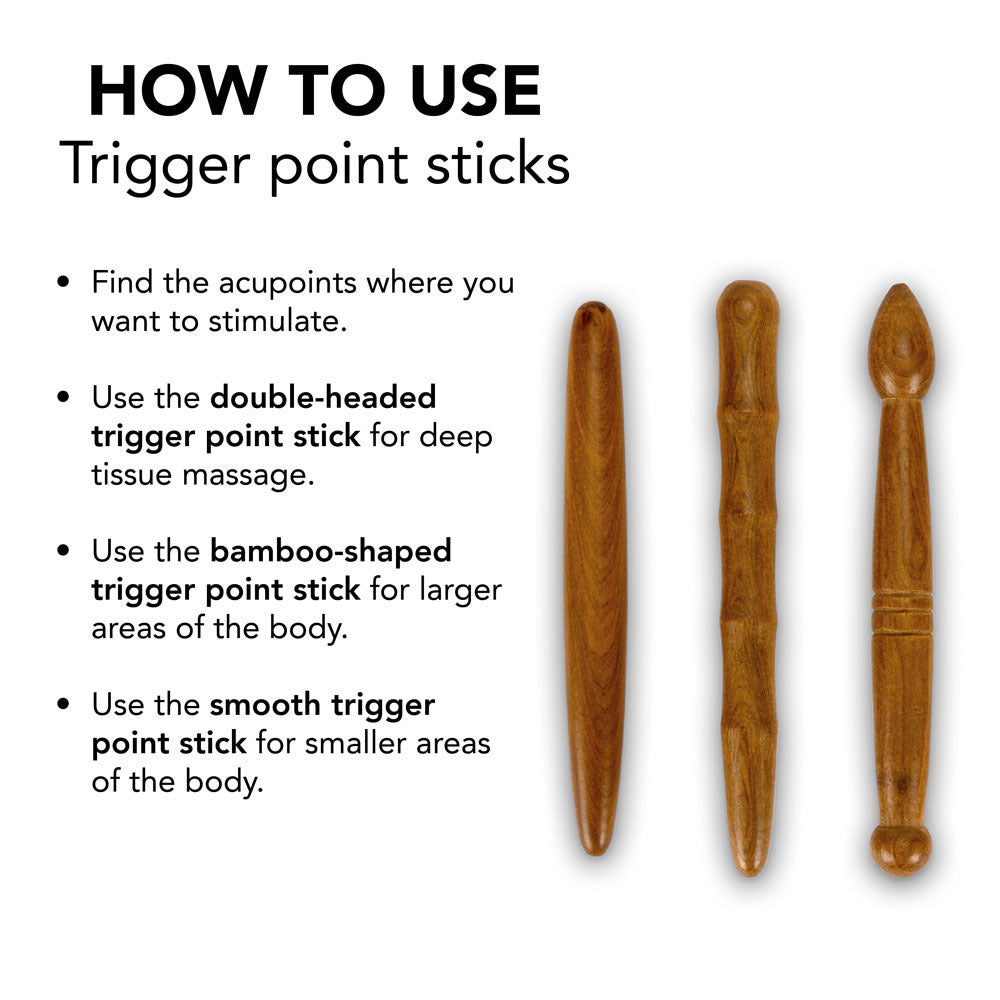
Popular Reflexology Tools
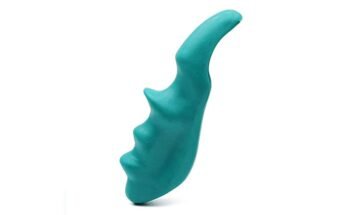
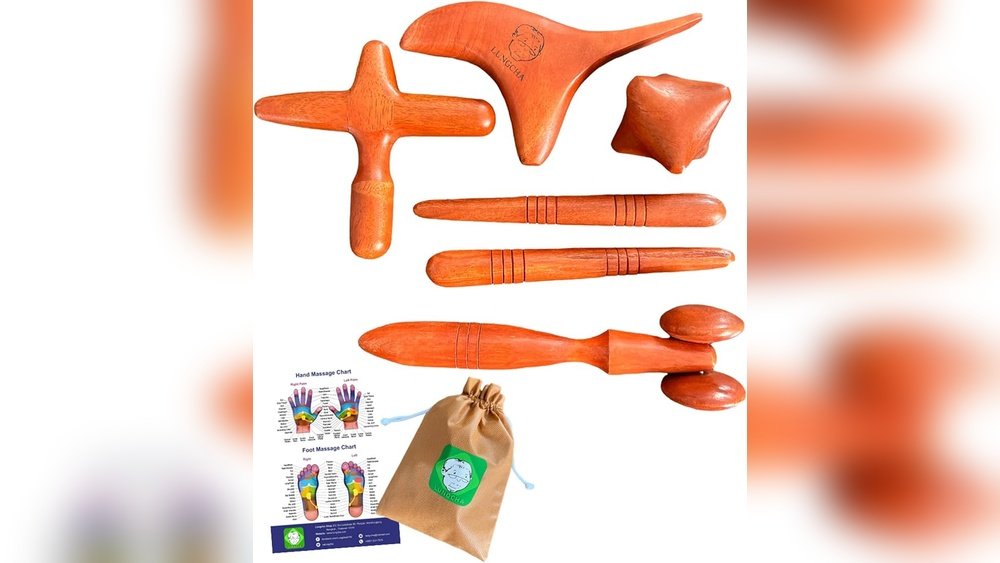
Reflexology tools help apply pressure to specific points on the feet and hands. They make the reflexology process easier and more effective. Many tools are simple to use and offer great results. Popular tools include wooden sticks, massage balls, rollers, and foot spikes. Each tool targets different areas and pressure levels.
Wooden Sticks
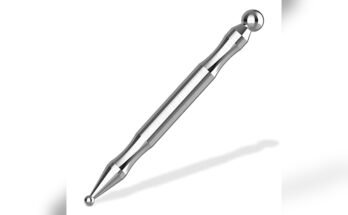
Wooden sticks are common in reflexology. They have smooth tips to press specific points. These sticks help therapists reach hard-to-touch spots. They provide precise and controlled pressure. Wooden sticks are lightweight and easy to handle. They suit both beginners and professionals.
Massage Balls
Massage balls come in various sizes and textures. They roll over the foot to stimulate nerves and muscles. These balls improve blood flow and relieve tension. Soft or firm balls offer different pressure levels. They are portable and perfect for home use. Massage balls also help relax tired feet.
Rollers
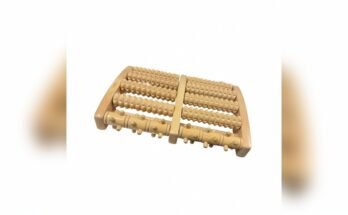
Rollers have multiple ridges or bumps on a cylindrical shape. They move smoothly under the foot to massage reflex points. Rollers enhance circulation and reduce foot pain. They come in wooden or plastic materials. Easy to use, rollers are great for self-care routines. They also increase energy and reduce stress.
Foot Spikes
Foot spikes are small tools with pointed tips. They provide deep, targeted pressure on reflex zones. These spikes activate nerve endings and improve healing. Often made from wood or plastic, they are durable. Foot spikes help relieve chronic pain and muscle stiffness. They require careful use to avoid discomfort.
How Tools Enhance Reflexology
Reflexology tools make the practice more effective and precise. They help therapists apply pressure exactly where it is needed. Tools allow for deeper stimulation without causing discomfort.
Using tools can improve the overall experience. They support the hands and reduce strain during long sessions. Tools also help reach small or hard-to-access points on the feet or hands.
Targeted Pressure Application
Reflexology tools focus pressure on specific reflex points. This precision helps activate the body’s natural healing. Tools guide pressure evenly and avoid applying too much force.
Small tools fit into tight areas, like between toes. They make it easier to treat sensitive or stubborn spots. This targeted approach improves the therapy’s effectiveness.
Improved Circulation
Tools help boost blood flow by massaging reflex points deeply. Better circulation promotes healing and reduces swelling. Tools create smooth, consistent movements that stimulate vessels.
Using tools gently warms the tissue. This warming effect helps oxygen and nutrients reach cells faster. Improved circulation supports overall body wellness.
Pain Relief
Reflexology tools reduce muscle tension and soothe aches. They press on nerves and release natural painkillers called endorphins. Tools allow steady pressure, easing discomfort without irritation.
Applying pressure with tools can calm nerve endings. This calming effect lowers pain signals sent to the brain. Regular use of tools in reflexology supports long-term pain management.
Choosing The Right Tool
Choosing the right reflexology tool can make a big difference in your practice. The right tool helps target pressure points accurately. It also ensures comfort for both the user and the receiver. Picking a suitable tool depends on several factors. These include the material, size, shape, and the user’s skill level. Understanding these can help you find a tool that fits your needs perfectly.
Material Considerations
Reflexology tools come in many materials like wood, stone, and plastic. Wooden tools feel warm and natural in your hand. Stone tools offer firmness and a smooth surface. Plastic tools are lightweight and easy to clean. Each material gives a different sensation on the skin. Choose one that feels good and lasts long.
Tool Size And Shape
Tools come in various sizes and shapes to fit different needs. Small tools work well for precise pressure on tiny areas. Larger tools cover more surface and reduce hand fatigue. Shapes like curved or pointed help reach different reflex points. Pick a size and shape that suit your hand and the area you treat.
User Skill Level
Beginners should start with simple tools that are easy to control. Basic shapes with smooth edges prevent discomfort. Experienced users can try complex tools for deeper pressure. Skill level affects how well you use the tool. Choose one that matches your experience for best results.
Using Reflexology Tools Safely
Using reflexology tools safely helps you get the best results. These tools apply pressure to specific points on your feet or hands. This can ease stress and improve circulation. Safe use reduces the risk of pain or injury. Follow clear steps for proper use and care.
Proper Technique
Hold the tool firmly but gently. Apply steady pressure, not too hard. Move the tool slowly over reflex points. Use smooth, small motions. Avoid pressing directly on bones or joints. Always start with light pressure and increase as comfortable. Keep hands clean before use.
Avoiding Common Mistakes
Do not press too hard or too fast. Avoid using tools on broken or irritated skin. Do not use tools if you feel sharp pain. Avoid using the same tool on different people without cleaning. Never ignore discomfort during use. Stop if you feel numbness or tingling. Use tools only as directed.
When To Consult A Professional
Seek advice if you have health issues like diabetes or nerve problems. Consult a reflexologist for persistent pain or discomfort. Professionals can guide you on correct tool use. They provide treatments tailored to your needs. Avoid self-treatment for serious conditions. Professional help ensures safe and effective care.
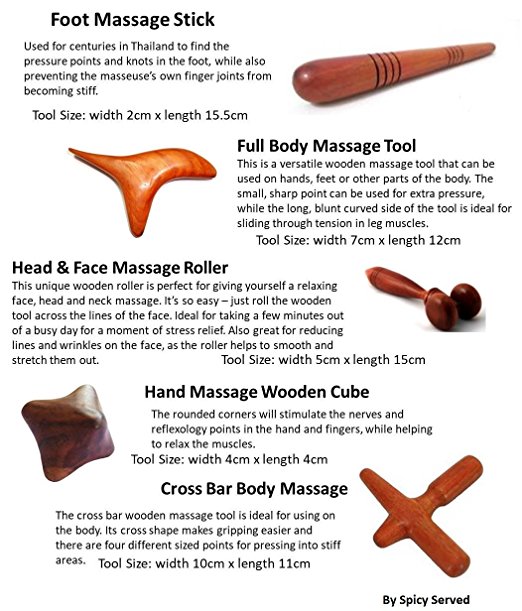
Diy Reflexology At Home
DIY reflexology at home offers a simple way to relax and care for your body. Reflexology tools help you target specific points on your feet and hands. These points link to different body parts and organs. Using tools can make the process easier and more effective.
Simple Tool-based Exercises
Start with small, easy exercises using common reflexology tools. A wooden stick or roller works well for foot massage. Roll it gently over the sole, focusing on areas that feel tense. Use a thumb or finger to press softly on reflex points. Repeat these moves daily for better results.
Creating A Relaxing Environment
Set a calm space for your reflexology sessions. Dim the lights and play soft music. Use a comfortable chair or cushion to sit on. Keep your tools and a warm towel nearby. This setup helps your body and mind relax fully.
Routine Tips
Make reflexology a part of your daily routine. Pick a time that suits your schedule best. Spend 10 to 15 minutes on your feet or hands. Focus on slow, gentle movements with your tools. Stay consistent to feel steady improvements over time.
Scientific Insights
Reflexology tools have gained interest in the scientific community. Researchers explore their effects on the body. These tools apply pressure to specific points on the feet or hands. Scientists study how this pressure influences health and well-being. This section looks at research and health benefits linked to these tools.
Research On Tool Effectiveness
Several studies test reflexology tools for pain relief and relaxation. Some show reduced stress and lower anxiety levels. Tools help reach pressure points more precisely than fingers alone. Research finds mixed results, but many report positive outcomes. More studies are needed to confirm how well these tools work.
Health Benefits Reported
Users often say reflexology tools ease muscle tension. They mention better sleep and less headache pain. Some report improved blood circulation and energy flow. Tools can help people relax and reduce fatigue. These benefits make reflexology tools popular for home use.
Frequently Asked Questions
What Are The Main Types Of Reflexology Tools?
Reflexology tools include wooden sticks, rollers, and massage balls. These tools help apply targeted pressure to reflex points. They enhance precision and reduce hand fatigue during sessions. Each tool serves a specific purpose in stimulating nerve endings effectively.
How Do Reflexology Tools Improve Treatment Results?
Reflexology tools provide consistent pressure, improving stimulation accuracy. They help reach difficult reflex points on feet and hands. Using tools can increase therapy effectiveness and client comfort. This leads to better relaxation and pain relief outcomes.
Can Beginners Use Reflexology Tools Safely?
Yes, beginners can use reflexology tools with proper guidance. Tools simplify pressure application and reduce hand strain. Starting with basic tools like wooden sticks is recommended. Always follow instructions to avoid over-pressuring sensitive areas.
Are Reflexology Tools Necessary For Effective Therapy?
While not essential, tools enhance precision and ease during therapy. Hands alone can perform reflexology, but tools improve consistency. They also help practitioners work longer without fatigue. Tools are valuable for both professionals and home users.
Conclusion
Reflexology tools help target specific pressure points on the feet and hands. They make treatments easier and more precise. These tools support relaxation and can ease tension in the body. Using them regularly may improve overall well-being. Many people find reflexology tools simple and effective.
Try different tools to see what feels best for you. Small tools, big benefits. Taking care of your body starts with small steps like these.