Do you ever feel that sharp, nagging pain in your shins after a run or workout? Shin splints can be a real bother, interrupting your exercise routine and daily activities.
You might have heard that applying heat can help soothe those aching muscles, but is it really effective for shin splints? Understanding the best treatment options can be the key to getting back on your feet faster and preventing future discomfort.
Imagine finally being able to enjoy your runs without the fear of pain holding you back. We’ll dive into whether heat is truly beneficial for shin splints and provide you with practical tips to help you make informed decisions about your recovery. Your journey to pain-free exercise starts here!
Understanding Shin Splints
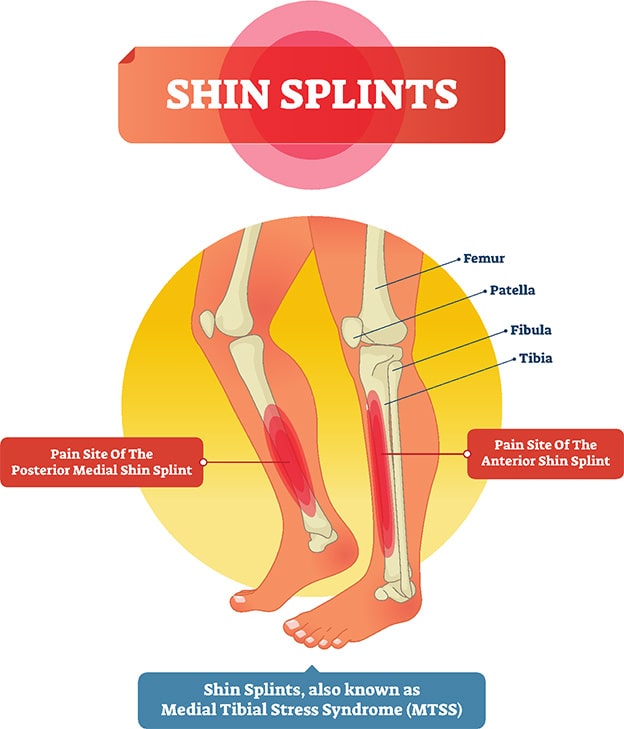
Understanding shin splints can be crucial if you’re an avid runner or someone who exercises regularly. Shin splints are not just a mere annoyance; they can derail your workout routine and affect your mobility. If you’ve ever felt that sharp pain along your shin bone, you might wonder, is heat good for shin splints? Before we dive into treatments, let’s first break down what shin splints are.
Causes Of Shin Splints
Shin splints often occur from repetitive stress on the shin bone and surrounding tissues. This stress is usually a result of high-impact activities like running, jumping, or even walking on hard surfaces. Wearing worn-out shoes or suddenly increasing your workout intensity can also lead to shin splints. Have you ever noticed pain after switching to a new exercise regime? That’s your body telling you to ease into new routines.
Symptoms To Recognize
Recognizing shin splints early can prevent further damage. The most common symptom is a dull ache on the front part of your lower leg. This pain may intensify during physical activity and subside when you rest. You might also feel tenderness or soreness along the inner part of the shin. Does bending your foot or ankle cause discomfort? Pay attention to these signs—they’re your body’s way of saying something’s not right.
Understanding these causes and symptoms can help you address shin splints effectively. Are you listening to your body’s signals? Knowing when to apply heat or when to rest can make all the difference in your recovery journey.
Traditional Treatments
Applying heat to shin splints can relax muscles and increase blood flow, potentially easing discomfort. Warm compresses or heating pads might help reduce pain and stiffness. Always consult a healthcare professional for personalized advice.
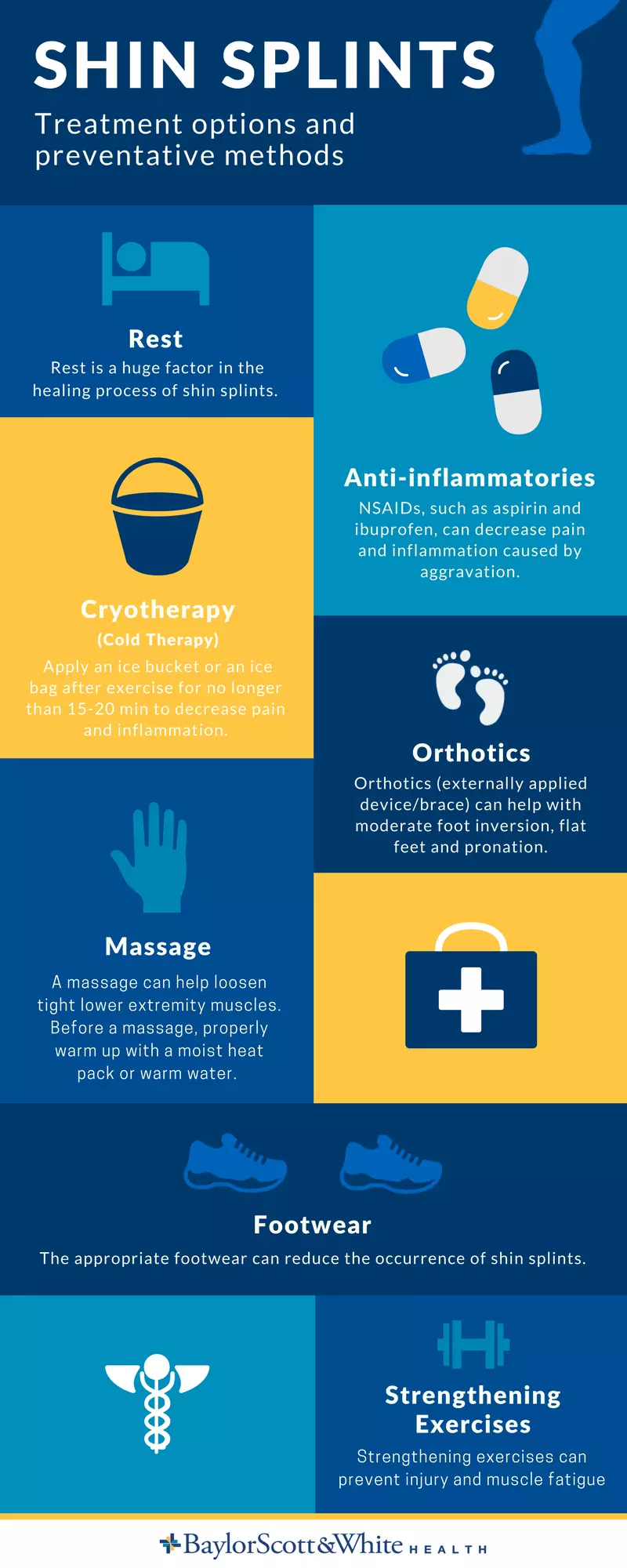
Dealing with shin splints can be frustrating. The pain can disrupt your daily routine and make even simple tasks uncomfortable. Traditional treatments have been around for ages and are often the go-to options for many. Let’s explore some of these tried-and-true methods to help you find relief.Rest And Recovery
Rest is crucial. Giving your shins a break can significantly speed up recovery. Think of it as a well-deserved timeout for your legs. When I first experienced shin splints, I underestimated the power of rest. Pushing through the pain only made things worse. Taking a few days off allowed my body to heal naturally. Ask yourself, are you giving your body enough time to recover?Cold Therapy
Cold therapy is another traditional treatment. It helps reduce inflammation and numb the painful area. Applying an ice pack to your shins for 15-20 minutes can work wonders. I remember icing my shins after a long run. The cooling effect was immediate, soothing the soreness almost instantly. It’s an easy, effective method you can do at home. Have you tried using cold therapy as part of your recovery routine? These methods may seem basic, but they are effective. They offer a simple, cost-free way to ease the discomfort of shin splints.Heat Therapy Insights
Heat therapy provides relief for various muscle and joint issues. It is a popular method for easing pain and discomfort. This therapy helps improve blood circulation and relax tense muscles. But how does it work for shin splints? Let’s explore its benefits.
How Heat Affects Muscles
Heat increases blood flow to affected areas. It helps deliver oxygen and nutrients to muscles. This process aids in healing and reduces muscle stiffness. Warmth relaxes muscle fibers, reducing tension and spasms. Heat therapy is simple yet effective for muscle soreness.
Benefits Of Heat For Shin Splints
Shin splints cause pain along the shinbone. Heat can ease this pain by loosening tight muscles. It reduces inflammation and promotes healing. Applying heat before exercise can prevent further injury. It prepares the muscles for activity by improving flexibility. Heat therapy is a valuable tool for managing shin splints.

Comparing Heat And Cold Therapy
Shin splints cause discomfort in the lower leg. Applying heat can help relax tight muscles and ease pain. Cold therapy reduces swelling and numbs the area. Each method offers different benefits for shin splints.
Comparing Heat and Cold Therapy When it comes to treating shin splints, the debate between using heat or cold therapy is common. Each method has its own benefits, and knowing when to apply each can make all the difference in your recovery. Let’s break down when to use heat and when to use cold for shin splints.When To Use Heat
Heat therapy can be a game-changer for chronic pain management. If your shin splints have been lingering for a while, applying heat can help relax your muscles and increase blood flow. This improved circulation can promote healing and reduce stiffness, especially before a workout or physical therapy session. Imagine you’re preparing for a run, but your shins are feeling tight. Applying a warm compress or using a heating pad for 15-20 minutes can loosen things up. It’s like giving your muscles a warm-up before they hit the track. However, heat should be used cautiously. It’s not ideal for fresh injuries. Applying heat to a new injury can increase swelling and prolong recovery. Always listen to your body and consult with a healthcare professional when in doubt.When To Use Cold
Cold therapy is your best friend in the acute stages of shin splints. If you’ve just started feeling that familiar pain after a run, reaching for an ice pack is your first line of defense. The cold reduces blood flow, which can significantly decrease swelling and numb the sharp pain. Think about the last time you bumped your knee—how quickly did you reach for ice? The same principle applies here. Apply ice for 15-20 minutes every couple of hours during the first 48 hours of pain onset. Remember, using cold therapy for too long can damage your skin and nerves. Always use a barrier like a towel between the ice pack and your skin. And don’t overdo it; moderation is key. In the battle of heat versus cold, timing is everything. Are you using heat or cold therapy for your shin splints? What results have you seen? Share your experiences in the comments.Methods Of Applying Heat
Shin splints can be incredibly painful and frustrating for those who suffer from them. Applying heat to the affected area is one way to find relief. Heat helps increase blood flow and relax muscles. This can soothe the pain and aid in recovery. There are several methods to apply heat effectively.
Heating Pads
Heating pads are a popular choice for applying heat to shin splints. They are convenient and easy to use. Simply plug in and adjust the temperature to your comfort level. Place the pad on the affected area for 15 to 20 minutes. Make sure to cover the pad with a cloth to prevent burns. Heating pads can be used several times a day.
Warm Baths
Warm baths offer a relaxing way to ease shin splint pain. Fill your bathtub with warm water, not too hot. Soak your legs for about 20 minutes. The heat helps soothe sore muscles and reduces tension. Adding Epsom salts can enhance the effect. They have magnesium which aids in muscle relaxation. Enjoy this method in the evening for a better sleep.
Precautions With Heat Therapy
Heat therapy can ease shin splint pain by relaxing muscles and improving blood flow. Use a warm cloth or heating pad. Avoid applying heat for long periods to prevent burns.
When considering heat therapy for shin splints, it’s essential to take some precautions to ensure safety and effectiveness. Heat can be a soothing remedy, but misuse may lead to further discomfort or injury. Knowing how to use heat properly can enhance your recovery while preventing any unwanted side effects.Avoiding Burns
Applying heat directly to your skin can cause burns if not done carefully. Always use a barrier between the heat source and your skin, such as a cloth or a towel. Keep the heat source at a comfortable temperature; if it feels too hot, reduce the heat immediately. Avoid prolonged exposure to the heat source. Limit each session to 15-20 minutes. This helps in preventing skin damage and allows your muscles to relax without risk.Monitoring Pain Levels
While heat can ease muscle tension, it’s crucial to monitor how your body responds. If you notice increased pain or discomfort, discontinue use immediately. Not all pain responds well to heat; sometimes, ice might be more appropriate. Listen to your body. If heat therapy doesn’t bring relief or worsens your symptoms, consult a healthcare professional. They can provide personalized advice and might suggest alternative treatments. Have you ever used heat therapy for shin splints and found it ineffective or even harmful? Understanding how your body reacts is key. Always prioritize your comfort and safety when using any therapy method.Combining Therapies For Optimal Relief
Applying heat can offer relief for shin splints by increasing blood flow and relaxing muscles. Combining heat with other therapies, like stretching and massage, may enhance recovery. Consistent treatment ensures better results and helps maintain leg health.
Combining various therapies can significantly enhance relief from shin splints. While heat therapy is beneficial, pairing it with other treatments can optimize recovery. Integrating multiple approaches provides a more comprehensive treatment plan, addressing different aspects of pain and healing.Integrating Heat With Other Treatments
Applying heat to shin splints can increase blood flow and relax muscles. This method is particularly effective post-exercise, helping to soothe soreness. However, have you thought about combining heat with other therapies? For instance, alternating heat with cold therapy can reduce inflammation and accelerate healing. Ice packs can be used immediately after activity, while heat is great for recovery sessions. This dual approach can be more effective than relying on heat alone. Another option is to pair heat therapy with stretching exercises. Warm muscles are more flexible, reducing the risk of further injury. Gentle stretches can be performed after applying heat, enhancing mobility and reducing tension.Personalizing Recovery Plans
Every individual’s body responds differently. What works for one person may not work for another. So, how do you find the best combination for your recovery? Start by paying attention to your body’s signals. If heat provides relief but doesn’t fully address the pain, try adding other treatments. Experiment with different combinations, such as massage or foam rolling, alongside heat therapy. Consider consulting with a physical therapist. They can help tailor a recovery plan suited to your needs, ensuring a balanced approach. With professional guidance, you can make adjustments based on your progress and setbacks. Shin splints can be tricky, but personalizing your treatment plan can make a real difference. What unique combination of therapies have you found most effective? Share your experiences and see how they compare to others on a similar journey.Frequently Asked Questions
Does Heat Help Alleviate Shin Splints?
Heat can soothe shin splints by relaxing tight muscles and improving circulation. It may reduce pain and stiffness temporarily. However, it is most effective when combined with rest, stretching, and strengthening exercises. Always consult a healthcare professional before using heat therapy for shin splints.
When Should You Use Heat For Shin Splints?
Use heat therapy during the recovery phase, not immediately after injury. Heat is beneficial for soothing tight muscles and improving blood flow. Avoid using heat when swelling is present, as it may exacerbate inflammation. Always consult a professional for personalized treatment advice.
Can Heat Worsen Shin Splints Pain?
Heat may worsen shin splints if used too soon after injury. It can increase inflammation and swelling, causing more pain. Always ensure there’s no acute swelling before applying heat. Consult a healthcare professional to determine the best treatment approach for your shin splints.
Is Ice Better Than Heat For Shin Splints?
Ice is generally more effective for shin splints in the initial phase. It helps reduce swelling and inflammation after injury. Heat is beneficial later for relaxing muscles and improving circulation. Use both therapies appropriately for the best recovery. Seek professional advice for tailored treatment plans.
Conclusion
Heat can offer relief for shin splints. It relaxes muscles and boosts circulation. This can reduce pain and stiffness. But, it’s not a cure-all solution. Combine heat with rest and stretching for best results. Listen to your body. If pain persists, consult a professional.
Always ensure heat is applied safely to prevent burns. Balancing heat therapy with other treatments can enhance recovery. Stay mindful of your body’s needs. This approach promotes effective healing. Remember, proper care leads to healthier, pain-free legs.