If you’re struggling with sharp pain in your heel or the bottom of your foot, you’re not alone. Plantar fasciitis can make every step uncomfortable and slow you down.
But what if you could find relief using something simple and affordable? Massage balls might be the secret weapon your feet need. You’ll discover how to use massage balls to ease your plantar fasciitis pain, improve your foot’s flexibility, and get back to moving comfortably.
Keep reading—you’re just minutes away from a soothing routine that could change the way your feet feel every day.
Causes Of Plantar Fasciitis
Plantar fasciitis causes pain in the heel and foot bottom. It happens when the plantar fascia, a thick band of tissue, becomes inflamed. Understanding the causes helps in managing and preventing this condition. Many factors strain the plantar fascia and lead to pain.
Overuse And Repetitive Stress
Walking or standing for long hours puts stress on the plantar fascia. Athletes and workers who stay on their feet face this risk. Repeated pressure causes tiny tears, leading to inflammation and pain.
Poor Footwear Choices
Shoes without proper support can cause plantar fasciitis. High heels, flat shoes, and worn-out sneakers increase strain. Good arch support and cushioning reduce pressure on the foot.
Foot Structure And Biomechanics
Flat feet or high arches affect how weight spreads on the foot. This uneven load stresses the plantar fascia. Abnormal walking patterns also contribute to the problem.
Age And Weight Factors
People aged 40 to 60 often develop plantar fasciitis. Extra body weight adds pressure on the feet. This extra load increases the chance of inflammation and pain.
Sudden Activity Changes
Increasing exercise intensity too fast can harm the plantar fascia. New workouts or more running cause strain. The tissue needs time to adjust to new stress.
Benefits Of Massage Balls
Massage balls offer many benefits for people with plantar fasciitis. They help reduce pain and improve foot health. Using massage balls regularly can speed up recovery and make walking easier.
These small tools target tight spots in the foot. They work deep into muscles and tissues. This helps release tension and increase blood flow.
Relieves Foot Pain
Massage balls apply pressure to sore areas. This eases pain caused by plantar fasciitis. They help relax the plantar fascia and nearby muscles.
Improves Circulation
Rolling the foot on a massage ball boosts blood flow. Better circulation brings oxygen and nutrients to damaged tissues. This supports faster healing and reduces stiffness.
Enhances Flexibility
Massage balls stretch tight muscles and fascia. This improves foot flexibility and range of motion. Flexible feet can better absorb shock during walking.
Reduces Muscle Tension
Using massage balls loosens tight muscles in the foot and calf. Less tension lowers the risk of further injury. Relaxed muscles also reduce overall discomfort.
Easy And Affordable
Massage balls are simple to use at home. They cost less than many other treatments. This makes foot care more accessible and convenient.
Choosing The Right Massage Ball
Choosing the right massage ball is key for treating plantar fasciitis. The right ball helps relieve foot pain and improves recovery. It also makes the massage more comfortable and effective. Two main factors to consider are size and firmness, and the materials used.
Size And Firmness
Pick a massage ball that fits well under your foot. Smaller balls reach tight areas better. Larger balls cover more surface but may miss deep spots. Firmness affects how much pressure you feel. Softer balls are gentle and good for sensitive feet. Firmer balls provide stronger pressure to break up knots. Choose firmness based on your pain level and comfort.
Materials And Durability
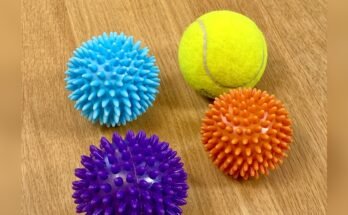
Massage balls come in many materials like rubber, silicone, and plastic. Rubber balls offer good grip and moderate firmness. Silicone balls feel smooth and last long. Hard plastic balls are very firm but may slip. Durable materials save money over time. Avoid balls that easily lose shape or crack. Pick a ball that stays firm and holds up with regular use.
Preparation Before Massage
Preparing your feet before using massage balls for plantar fasciitis helps improve results. It reduces pain and makes the massage more effective. Warm-up and safety checks are important steps to follow first.
Warm-up Techniques
Start by gently warming your feet. Sit down and soak them in warm water for 5 to 10 minutes. This relaxes muscles and softens the plantar fascia. After soaking, try simple foot stretches. Point and flex your toes slowly. Roll your foot from heel to toes on a soft surface. These movements prepare tissues for deeper massage.
Safety Precautions
Check the massage ball for any damage before use. Choose a ball with a firm but comfortable texture. Avoid using very hard balls that cause pain. Begin with short sessions, around 1 to 2 minutes per foot. Stop immediately if pain increases or sharp discomfort occurs. Avoid massaging directly on open wounds or swollen areas. Consult a doctor if you have diabetes or poor circulation before starting massage therapy.
Massage Techniques For Plantar Fasciitis
Using massage balls can help relieve pain and stiffness in the foot caused by plantar fasciitis. Applying the right techniques improves blood flow and eases tension in the plantar fascia. These massage methods target specific areas to bring comfort and support healing.
Try these simple techniques with your massage ball to reduce discomfort and improve foot flexibility.
Rolling Method
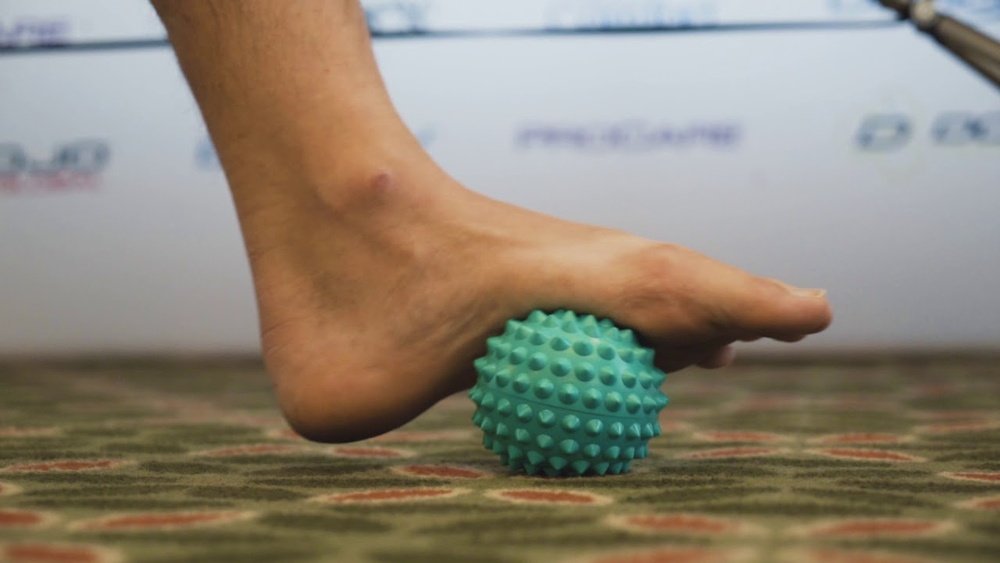
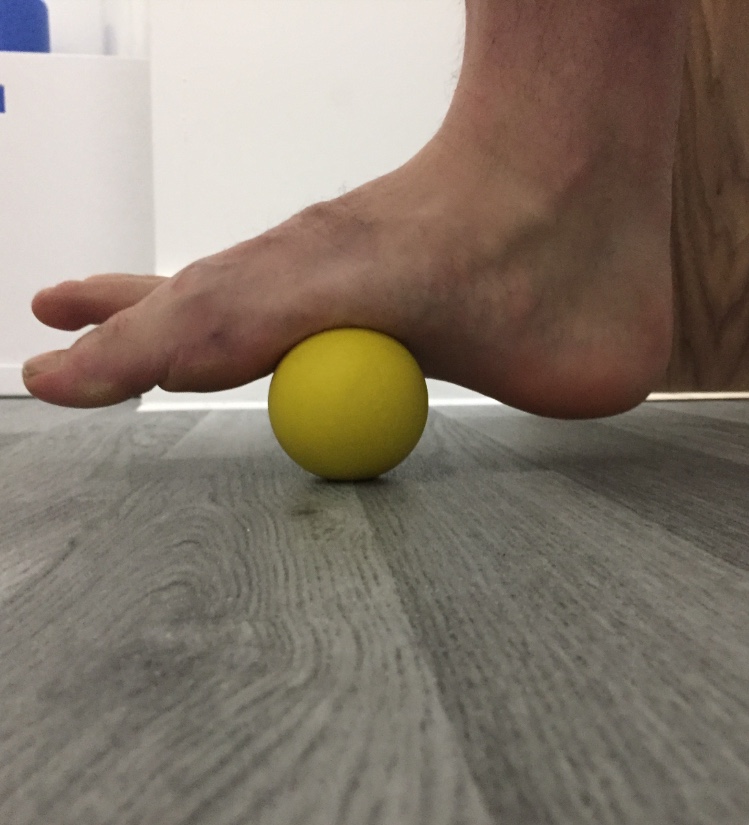
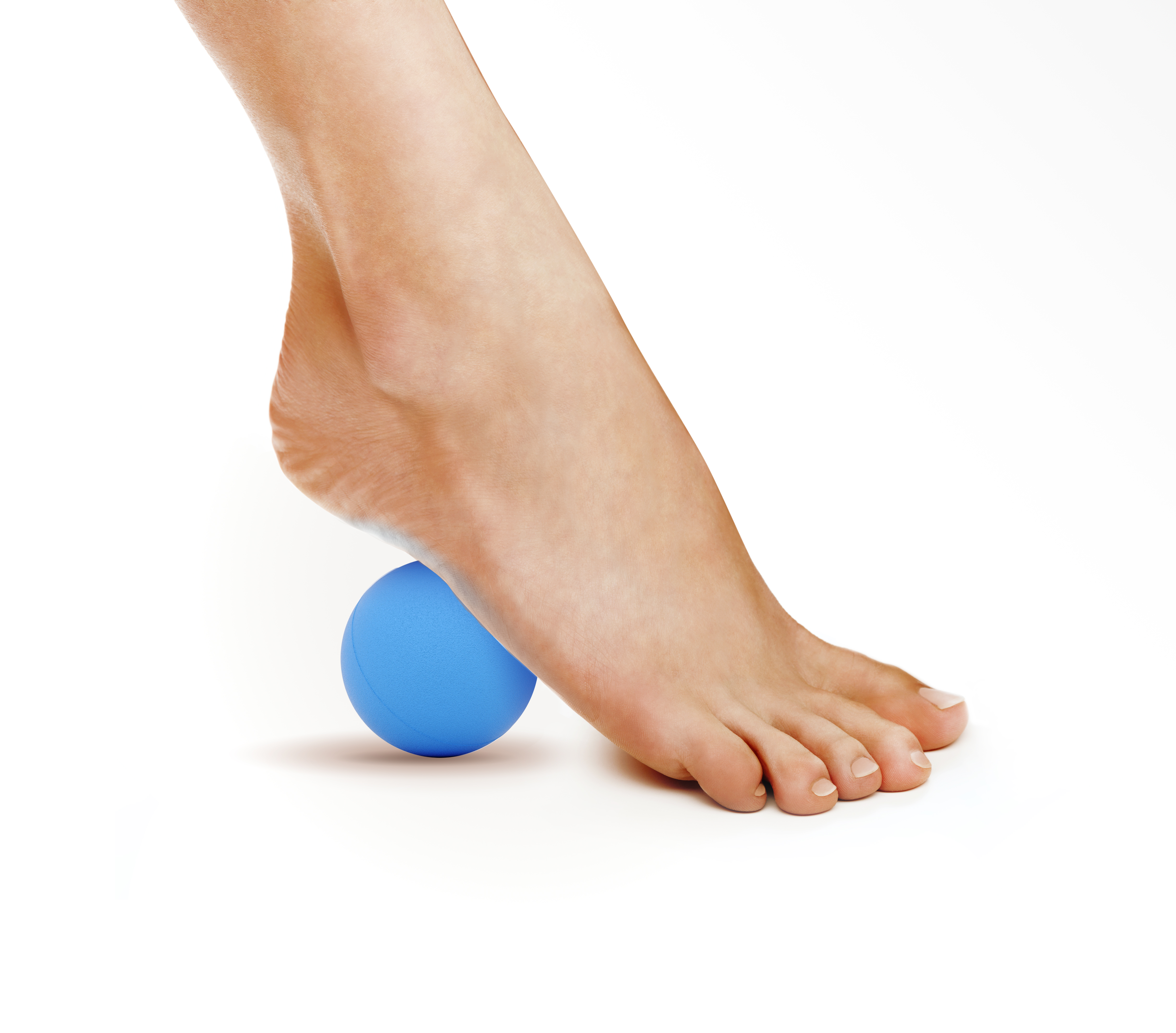
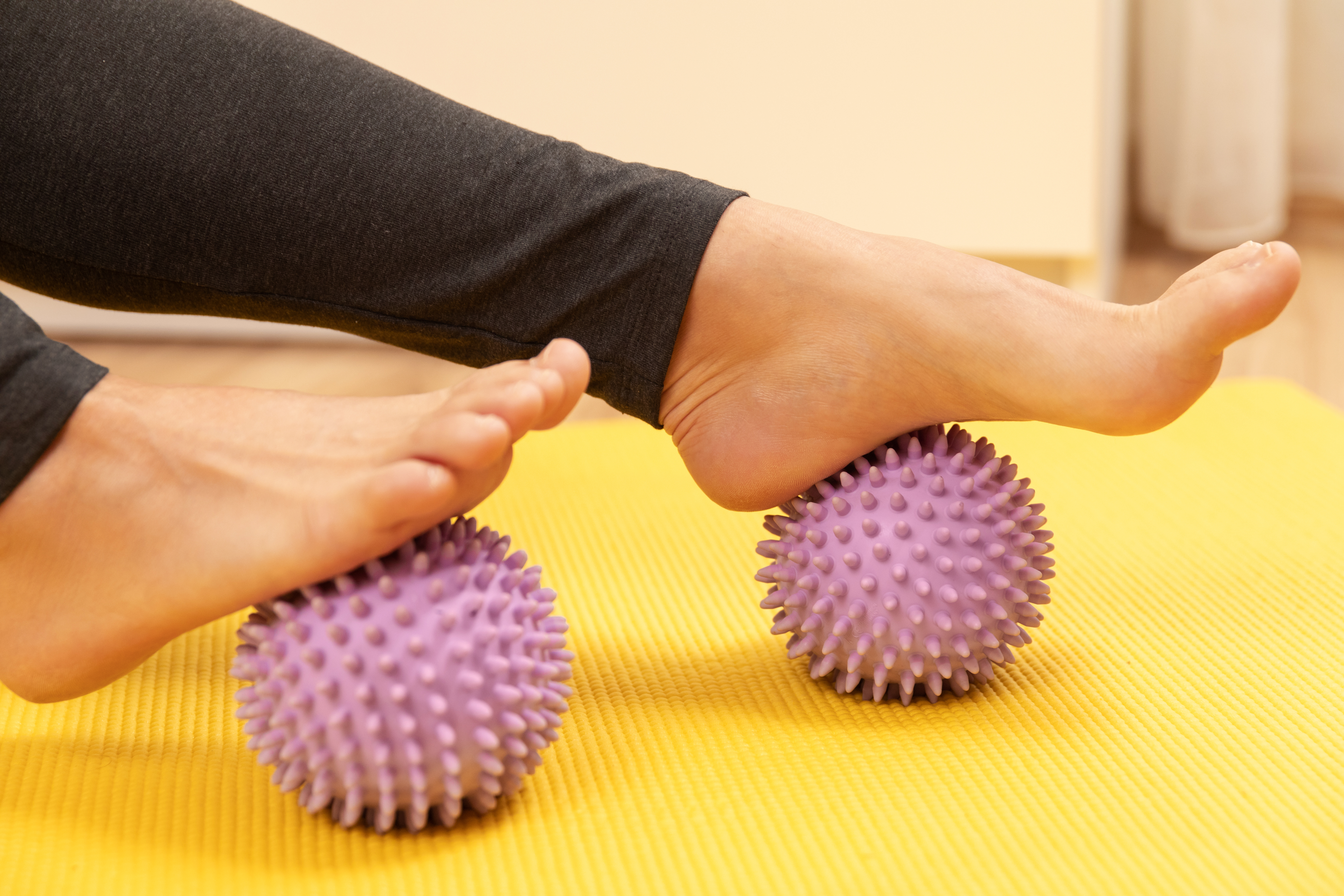
Place the massage ball under your foot. Roll it gently from the heel to the toes. Keep your foot relaxed and control the pressure. Roll for one to two minutes on each foot. This motion helps loosen tight muscles and reduces pain.
Targeting Trigger Points
Find spots on your foot that feel tender or sore. Hold the massage ball on these points. Apply steady pressure for 20 to 30 seconds. This action helps release knots and eases muscle tightness. Repeat on different areas as needed.
Pressure Application Tips
Start with light pressure to avoid pain. Gradually increase pressure as your foot adjusts. Use your body weight to control the force. Avoid pressing too hard, which can cause more pain. Consistent, gentle pressure works best for healing.
Incorporating Massage Balls Into Daily Routine
Incorporating massage balls into your daily routine helps ease plantar fasciitis pain. These small tools target tight spots and improve blood flow in your feet. Using them regularly can reduce discomfort and speed up healing. Setting a simple routine makes it easier to stay consistent. You do not need special skills or lots of time. Just a few minutes each day can bring relief and support foot health.
Recommended Frequency And Duration
Use massage balls once or twice a day for best results. Spend about 5 to 10 minutes on each foot. Start gently and increase pressure as your feet get used to it. Avoid overdoing it to prevent soreness. Consistency beats intensity. Daily use helps keep your plantar fascia flexible and less painful.
Combining With Stretching Exercises
Massage balls work well with foot stretches. After rolling your foot, stretch your calf and arch muscles. Simple stretches improve flexibility and reduce strain. This combination helps ease tightness and supports healing. Try toe stretches or calf raises for a few minutes daily. Together, massage and stretching create a balanced approach to managing plantar fasciitis.
Signs To Stop And Seek Medical Advice
Using massage balls can help ease plantar fasciitis pain. Yet, it is vital to know when to stop and seek medical advice. Ignoring warning signs can worsen your condition. Pay close attention to your body’s signals during self-treatment.
Sharp Or Intense Pain
Massage balls should not cause sharp pain. If you feel sudden, strong pain, stop immediately. Sharp pain may indicate injury or worsening of plantar fasciitis. Consult a healthcare provider to avoid damage.
Swelling Or Redness
Swelling or redness around your foot needs attention. These signs may show inflammation or infection. Using massage balls on inflamed areas can increase discomfort. Seek medical advice if swelling or redness appears.
Numbness Or Tingling
Numbness or tingling sensations are warning signs. These may indicate nerve issues or poor circulation. Stop using massage balls if you notice these symptoms. A doctor can assess and provide proper care.
Persistent Pain After Massage
Pain lasting hours or days after massage is not normal. Mild soreness is common, but ongoing pain is a concern. It suggests that massage balls may be harming your tissue. See a medical professional for evaluation.
Difficulty Walking Or Bearing Weight
If walking becomes hard or painful, pause treatment. Struggling to put weight on your foot needs urgent attention. Continuing massage can worsen your injury. Medical guidance will help prevent further damage.
Additional Tips For Foot Health
Taking care of your feet goes beyond using massage balls for plantar fasciitis. Good foot health needs a combination of smart choices and habits. These tips help you protect your feet and reduce pain over time.
Proper Footwear Choices
Wear shoes that offer good arch support. Avoid flat shoes or high heels. Choose shoes with cushioned soles to absorb shock. Replace worn-out shoes quickly. Use orthotic inserts if needed for extra support. Proper shoes reduce strain on the plantar fascia. They help prevent flare-ups and promote healing.
Lifestyle Adjustments
Keep a healthy weight to lessen pressure on your feet. Limit standing or walking for long hours. Take breaks and elevate your feet when possible. Stretch your calves and feet daily. Stay active with low-impact exercises like swimming or cycling. These habits support foot health and reduce pain.
Frequently Asked Questions
What Is The Best Way To Use Massage Balls For Plantar Fasciitis?
Roll the massage ball under your foot gently for 1-2 minutes daily. Focus on the arch and heel areas to relieve tension.
How Often Should I Use Massage Balls For Plantar Fasciitis Relief?
Use massage balls once or twice a day. Regular sessions help reduce pain and improve foot flexibility effectively.
Can Massage Balls Worsen Plantar Fasciitis Pain?
If used too aggressively, massage balls can irritate the tissue. Always apply gentle pressure and stop if pain increases.
Which Type Of Massage Ball Works Best For Plantar Fasciitis?
A firm but slightly soft ball, like a lacrosse or rubber ball, provides effective deep tissue relief without discomfort.
Conclusion
Using massage balls can ease plantar fasciitis pain effectively. Roll the ball gently under your foot for relief. Consistency matters; do this daily for best results. Start slow to avoid discomfort. Combine with stretching and proper footwear for better healing.
Listen to your body and stop if pain worsens. Small steps lead to big improvements over time. Keep your feet healthy and pain-free with these simple techniques.