Are you thinking about using an infrared heat lamp for your child but wondering if it’s truly safe? When it comes to your little one’s health, nothing is more important.
Infrared heat lamps promise warmth and comfort, but you might be asking yourself—could they cause harm? Understanding how these lamps work and what precautions you should take can protect your child and give you peace of mind. Keep reading to discover the facts, risks, and safety tips you need to know before bringing infrared heat lamps into your home.
Your child’s safety starts with the right information.

Infrared Heat Lamps Basics
Infrared heat lamps are common devices used in homes and clinics. They provide warmth using special light. Parents often wonder if these lamps are safe for children. Understanding how these lamps work helps answer this question.
This section covers the basics of infrared heat lamps. Learn what they are, how they work, and their common uses around children.
What Are Infrared Heat Lamps
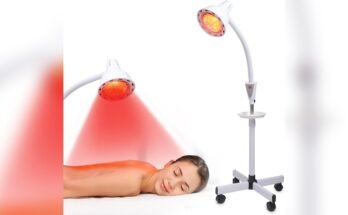
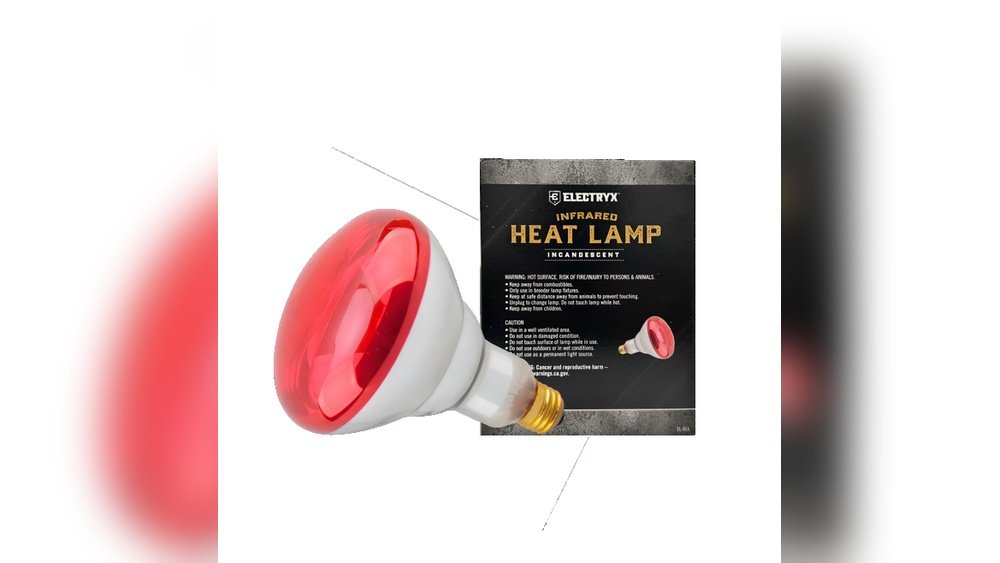
Infrared heat lamps are bulbs that emit infrared light. This light is invisible but feels warm on the skin. They look like regular light bulbs but produce heat instead of bright light. These lamps come in various sizes and power levels.
How Infrared Lamps Work
Infrared lamps send out infrared radiation. This radiation heats objects and skin directly. The heat is gentle and does not warm the air. The warmth can soothe muscles and improve blood flow. The lamp should stay at a safe distance to avoid burns.
Common Uses Around Children
Infrared heat lamps are used to keep babies warm, especially in hospitals. They help with muscle pain and colds in children at home. Some parents use them during bath time to prevent chills. Always monitor children closely when using these lamps.
Safety Concerns For Kids
Safety is the top concern when using infrared heat lamps around children. Kids have delicate skin and sensitive eyes. This makes it important to know the risks before using these lamps. Understanding safety helps protect children from harm.
Potential Risks And Hazards
Infrared heat lamps produce strong heat. This heat can cause burns if the lamp is too close. Children may not move away fast enough. Lamps can also overheat and cause fire risks. Always keep lamps out of reach and never leave them unattended.
Skin Sensitivity In Children
Children’s skin is thinner and more sensitive than adults’. Infrared heat can dry out or irritate their skin. Prolonged exposure may cause redness or burns. Limit the time children spend near the lamp. Use lower heat settings to reduce the risk.
Eye Exposure And Protection
Infrared lamps emit light that can harm children’s eyes. Their eyes are still developing and are more vulnerable. Direct exposure can cause eye discomfort or damage. Avoid shining the lamp directly on their face. Use protective eyewear if needed for added safety.
Health Benefits And Risks
Infrared heat lamps are used for their warmth and healing effects. Parents often wonder if they are safe for children. Understanding both benefits and risks helps make better choices. This section explains how infrared heat can help and what to watch out for with kids.
Therapeutic Effects Of Infrared Heat
Infrared heat can soothe sore muscles and joints. It helps improve blood flow and reduce stiffness. Children with muscle pain or colds may find relief using these lamps. The warmth from infrared rays can calm body aches. It also supports faster healing of minor injuries.
Possible Side Effects
Too much heat may cause skin burns or irritation. Children’s skin is more sensitive than adults’. Prolonged exposure can lead to dryness or redness. Overuse might cause dehydration or overheating. It is important to use lamps with care and limit time near them.
When To Avoid Infrared Lamps
Avoid using infrared lamps on babies under six months. Children with skin conditions should not use these lamps. Do not use on areas with open wounds or infections. Avoid use if the child has a fever or heat sensitivity. Always consult a doctor before starting infrared heat therapy for kids.
Safe Usage Guidelines
Infrared heat lamps can be safe for children when used correctly. Following safe usage guidelines reduces risks. It helps protect children from burns and overheating. Parents should learn how to use these lamps safely at home. Understanding proper distance, timing, and supervision is key. Also, choosing the right lamp makes a big difference.
These rules keep children comfortable and avoid any harm. Safety starts with knowing the right way to use infrared heat lamps.
Proper Distance And Timing
Keep the lamp at a safe distance from the child’s skin. Usually, 12 to 18 inches works well. Too close can cause burns. Not close enough reduces the heat effect. Limit the usage time to 10-15 minutes per session. Longer sessions increase the risk of overheating. Always follow the lamp manufacturer’s instructions for distance and timing.
Supervision And Monitoring
Never leave children alone with an infrared heat lamp. Adults should watch for signs of discomfort or redness. Stop using the lamp immediately if the child feels hot or itchy. Check the lamp regularly to ensure it works properly. Supervision helps avoid accidents and keeps children safe.
Choosing The Right Lamp
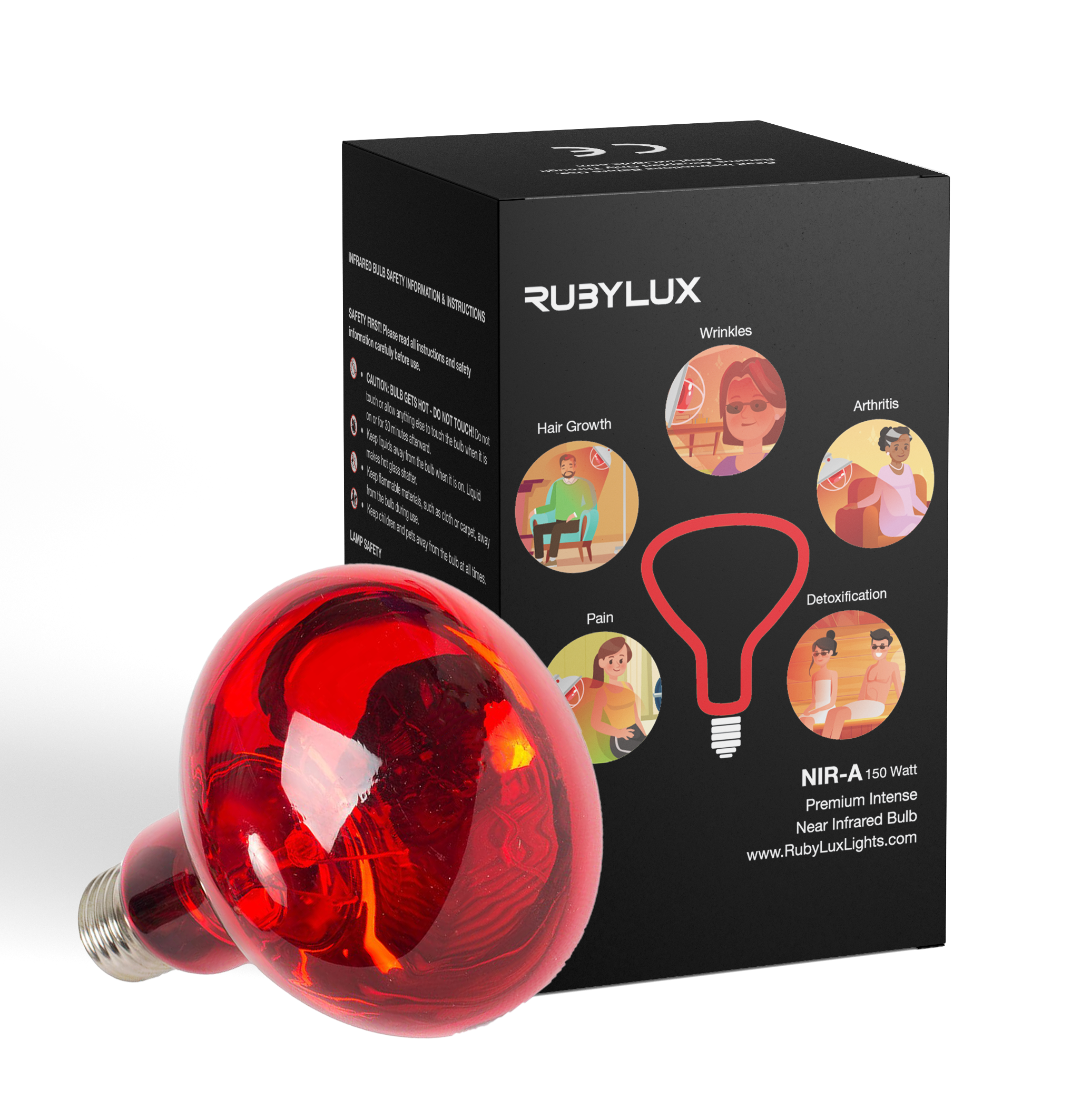
Select lamps designed for home use with safety features. Look for lamps with automatic shut-off timers. Avoid high wattage lamps that produce too much heat. Choose lamps with protective covers to prevent direct contact. A safe lamp reduces the risk of burns and accidents.
Alternatives To Infrared Heat Lamps
Infrared heat lamps provide warmth but may not always be the safest choice for children. Exploring other options helps ensure kids stay cozy without risks. Several alternatives offer gentle heat and comfort, suitable for young ones. These choices focus on safety, ease of use, and maintaining a warm environment.
Other Safe Heating Methods
Electric space heaters with safety features work well for children’s rooms. Look for models with automatic shut-off and cool-touch surfaces. Radiant heaters spread heat evenly and avoid hot spots. Oil-filled heaters keep warmth steady without blowing dry air. Heating pads designed for kids offer localized warmth with low risk. Always supervise children around any heating device to prevent accidents.
Natural Ways To Keep Kids Warm
Layering clothes helps trap body heat effectively. Soft blankets and warm pajamas add comfort and warmth. Encourage physical activity to boost natural body heat. Drinking warm fluids like milk or mild tea also warms the body. Keep rooms well insulated to maintain temperature. Place rugs on cold floors to prevent heat loss through feet.

Frequently Asked Questions
Are Infrared Heat Lamps Safe For Children’s Skin?
Infrared heat lamps are generally safe if used properly. Avoid direct prolonged exposure to prevent burns or skin irritation. Always follow manufacturer guidelines and supervise children during use to ensure safety.
Can Infrared Heat Lamps Cause Burns In Children?
Yes, infrared heat lamps can cause burns if used incorrectly. Maintain a safe distance and limit exposure time. Use protective barriers and never leave children unattended near the lamp.
What Precautions Should Parents Take With Heat Lamps?
Parents should keep lamps out of children’s reach and avoid direct contact. Use timers to control exposure and check the lamp’s temperature regularly. Ensure the lamp is certified and follow all safety instructions.
How Do Infrared Heat Lamps Affect Children’s Health?
When used correctly, infrared lamps can aid muscle relaxation and improve circulation. However, excessive exposure may cause skin damage or dehydration. Always monitor usage and consult a pediatrician if unsure.
Conclusion
Infrared heat lamps can be safe for children with care. Always keep lamps at a safe distance from skin. Never leave children alone near the lamps. Use lamps with safety features like timers and covers. Watch for any signs of discomfort or redness.
Follow all instructions from the lamp’s maker. Safety depends on how you use the lamp. Stay alert and protect your child’s skin. With proper use, these lamps can help without harm. Safety first, always.