Many people reach for a heating pad when they feel muscle pain, joint stiffness, or cramps. It’s a common tool in homes, clinics, and physical therapy centers. But one question often comes up: How long should you use a heating pad? The answer is not simple. The right time depends on your health, the type of pain, and even the kind of heating pad you choose. Using a heating pad the wrong way can bring risks instead of relief. Some people even make their pain worse without knowing it. This article will give you clear, practical advice so you can use a heating pad safely and get the best results for your body.
Why Use A Heating Pad?
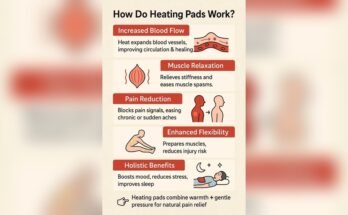
A heating pad provides heat therapy, also called thermotherapy. When you put heat on your body, it helps blood flow into the area. This can relax tight muscles, reduce stiffness, and sometimes help with pain. Here are common reasons people use heating pads:
- Muscle soreness: After exercise or a long day.
- Cramps: Especially for menstrual pain.
- Joint pain: Like knee, shoulder, or back pain.
- Chronic conditions: Such as arthritis or fibromyalgia.
- Injuries: Sometimes used after the initial swelling phase.
Heat therapy is an old treatment, but it’s supported by modern science. Studies show that heat can help reduce pain and improve movement in many conditions, especially when the pain is not from a new injury.
Types Of Heating Pads
There are several kinds of heating pads, and each works a bit differently. Knowing the type helps you decide how long to use it and how to use it safely.
| Type | How It Works | Common Use Time |
|---|---|---|
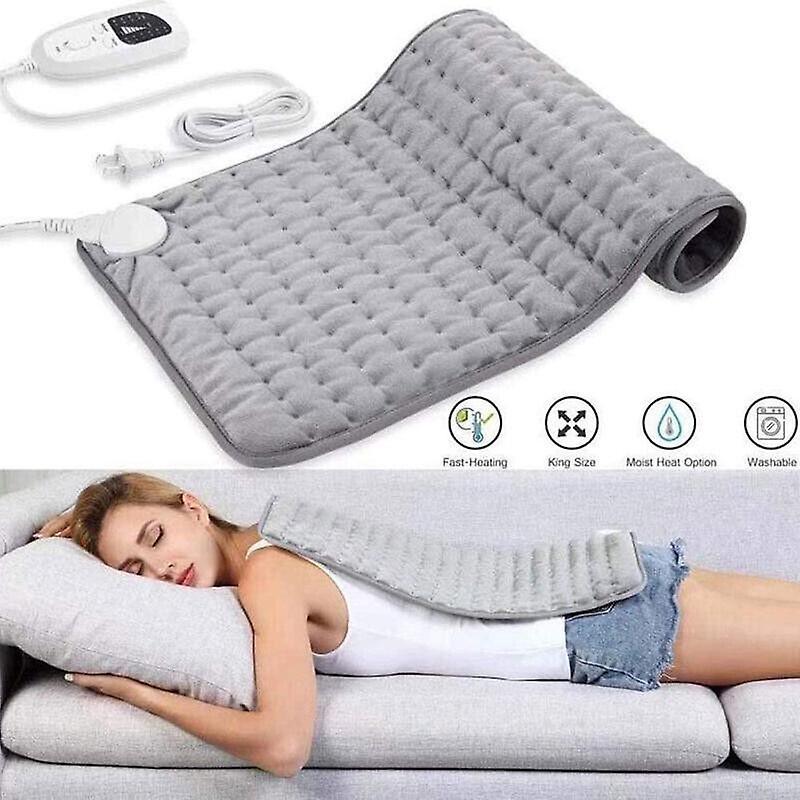
| Electric heating pad | Plugs into power; adjustable heat | 15–30 minutes/session |
| Microwaveable pad | Heated in microwave; cools as used | 20–30 minutes/session |
| Chemical/instant heat pack | Single-use; activated by squeezing/bending | 15–30 minutes/session |
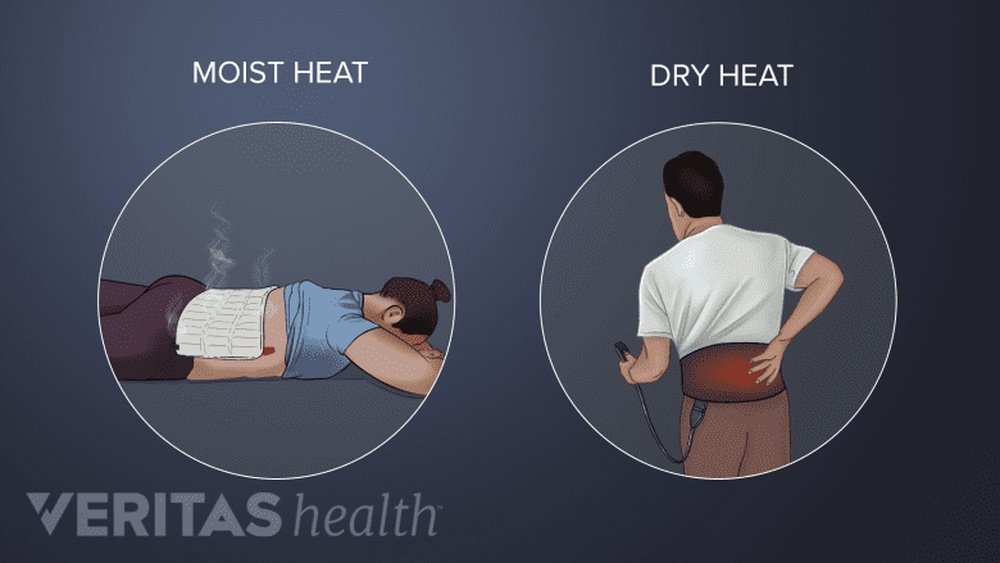
| Moist heating pad | Adds moisture for deeper heat | 15–20 minutes/session |
Each heating pad type comes with its own safety instructions. Always follow the manufacturer’s guidelines for your product.
How Long Should You Use A Heating Pad?
The main rule for heating pads is short sessions. For most adults, 15 to 30 minutes at a time is ideal. Here’s why:
- Longer use can damage your skin or nerves.
- You might not notice a burn until it’s too late, especially at higher heat.
- Short, repeated sessions are usually more effective than one long session.
General Guidelines
- Start with 15-20 minutes: This is safe for most people. If you’re new to heat therapy, try the lower end first.
- Check your skin often: Remove the pad if your skin gets very red or uncomfortable.
- Wait at least an hour before doing another session on the same area.
- Never sleep with a heating pad on: This is a common mistake and can cause serious burns.
Factors That Change How Long To Use
- Age: Older adults and young children have thinner skin and are at higher risk for burns.
- Skin condition: Broken or sensitive skin needs more caution.
- Medical conditions: Diabetes, poor circulation, or nerve problems mean you should use heat for less time.
- Type of pain: For chronic pain, shorter, regular sessions are better. For muscle relaxation, you may need a bit longer but still under 30 minutes.
How Heat Therapy Works On The Body
When you put heat on an area, blood vessels open up, increasing blood flow. This brings nutrients and oxygen, which help tissues heal and relax. Heat also blocks pain signals to the brain for a while.
But too much heat is not better. Prolonged heat can cause:
- Skin burns or blisters
- Increased inflammation (if used too soon after an injury)
- Nerve damage in rare cases
This is why knowing the correct duration is important.
When To Use A Heating Pad
Timing matters. Heat therapy is best for:
- Chronic pain: Such as back pain or arthritis.
- Stiff muscles: Before activity to loosen joints.
- Muscle spasms: Heat can relax cramps.
- After the first 48–72 hours of an injury: Only after swelling has gone down.
Do not use heat right after an acute injury (like a sprain or bruise), as it can make swelling worse. For new injuries, ice is usually better.
How Often Can You Use A Heating Pad In One Day?
Most experts say two to three times per day is safe, with at least one hour between sessions. This lets your skin cool down and reduces the chance of burns.
If you need to use heat more often, talk to your doctor or physiotherapist. They might suggest a different treatment or check for underlying problems.
Comparing Heat Therapy To Cold Therapy
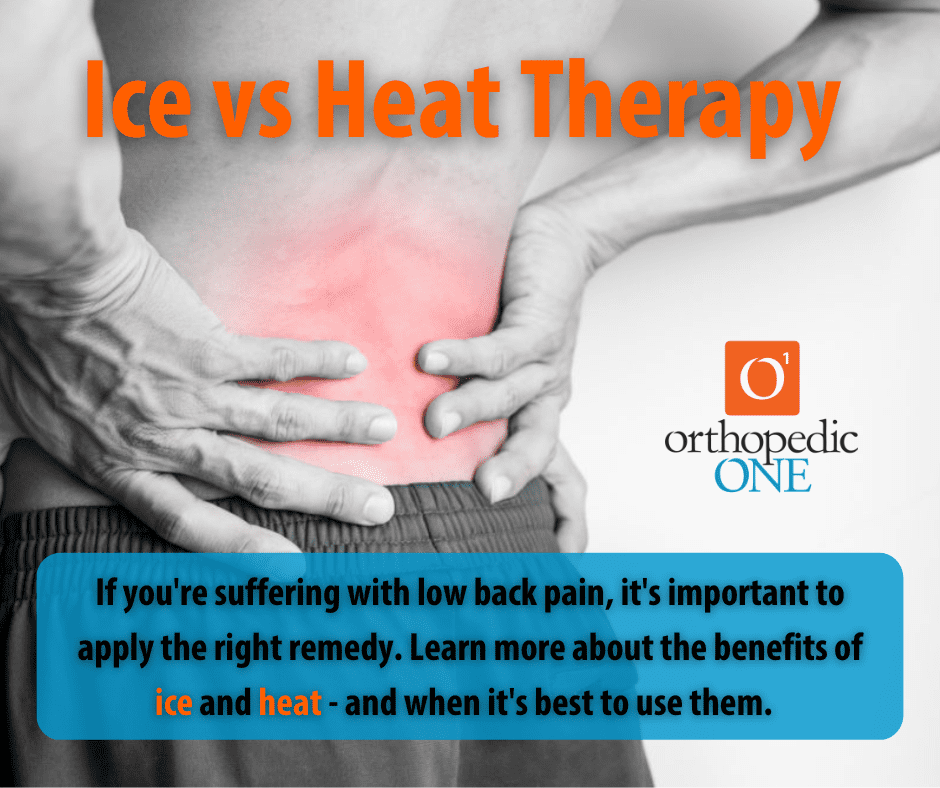
Sometimes people confuse heat and cold therapy. They work in different ways and are used for different reasons.
| Heat Therapy | Cold Therapy |
|---|---|
| Relaxes muscles Increases blood flow Good for chronic pain |
Reduces swelling Decreases blood flow Good for fresh injuries |
| Used after swelling phase | Used immediately after injury |
| 15–30 minutes/session | 10–20 minutes/session |
If you’re not sure which one to use, remember: cold for swelling, heat for stiffness.
Who Should Not Use A Heating Pad?
Some people should be very careful or avoid heating pads completely:
- People with diabetes: Nerve damage can reduce feeling, so you might not notice a burn.
- People with poor circulation: Heat can make problems worse.
- Children and elderly: Their skin is thinner and burns more easily.
- If you have an infection: Heat can spread bacteria.
- If you’re pregnant: Ask your doctor before using a heating pad on your abdomen or back.
If you’re unsure, always check with your healthcare provider first.
Common Mistakes When Using A Heating Pad
Even experienced users make errors with heating pads. Watch out for these:
- Falling asleep with the pad on: This is the number one cause of burns.
- Using maximum heat settings: More heat is not always better and can cause burns.
- Putting the pad directly on skin: Always use a cloth or cover to protect your skin.
- Ignoring skin color changes: Red or white patches mean you should stop.
- Using heat on new injuries: This can make swelling or bleeding worse.
These mistakes are easy to avoid if you pay attention to how your body feels.
How To Use A Heating Pad Safely
Follow these steps to use your heating pad correctly:
- Read the instructions: Each pad is different.
- Set a timer: Use your phone or a kitchen timer to keep track.
- Place a towel between your skin and the pad: This prevents burns.
- Check your skin every few minutes: Remove the pad if your skin feels too hot.
- Unplug when not in use: For electric pads, always unplug to avoid accidents.
- Let your skin rest: Wait at least 60 minutes before using heat again on the same spot.
If you use a chemical or microwaveable pad, let it cool completely before reheating.
Special Tips For Different Body Areas
Some body parts are more sensitive than others. Here’s what to remember:
Neck And Shoulders
- Use lower heat settings
- Limit use to 15–20 minutes
- Support your head and neck to avoid strain
Back
- You can use a slightly larger pad
- 20–30 minutes is usually safe
- Avoid lying on top of the pad
Joints (knees, Elbows)
- Smaller pads work best
- Wrap with a cloth for comfort
- 15–20 minutes per session
Abdomen (menstrual Cramps)
- Use mild heat
- Limit to 15–20 minutes
- Never sleep with the pad on your stomach
Signs You Are Using A Heating Pad Too Long
It’s not always easy to tell if you’ve used a heating pad too long. Here are warning signs:
- Skin is bright red or blistered
- Numbness or tingling in the area
- Pain gets worse instead of better
- Burn marks appear
If any of these happen, stop using heat right away and see a doctor if needed.

Alternatives To Heating Pads
Not everyone can or should use a heating pad. Here are other ways to get similar benefits:
- Warm bath or shower: Helps relax the whole body
- Warm towels: Soak a towel in hot water, wring it out, and apply (be careful with temperature)
- Heated wraps or clothing: Some products are designed to provide gentle heat
- Topical creams: Some creams create a warm sensation, but they are not true heat
Always check the temperature before applying anything hot to your skin.
How To Choose The Right Heating Pad
There are many heating pads available. Here’s what matters most:
| Feature | Why It Matters | Good For |
|---|---|---|
| Size and shape | Fits the area you want to treat | Back, neck, joints |
| Adjustable heat settings | More control for safety | People with sensitive skin |
| Auto shut-off | Prevents burns if you fall asleep | Everyone |
| Moist vs. dry heat | Moist heat goes deeper but can be hotter | Muscle pain |
| Portability | Easy to travel with | Busy lifestyles |
Choose a pad with safety features like auto shut-off. Make sure it’s the right size for the body part you want to treat.
Non-obvious Tips For Better Results
Most people know the basics, but here are two key tips many beginners miss:
- Don’t use heat after exercise if you have swelling: Heat can make swelling worse. Use cold packs first, then switch to heat after 48–72 hours if needed.
- Combine heat with gentle movement: After using a heating pad, try gentle stretching. The heat relaxes muscles, and movement helps keep them loose. This combination often gives better, longer-lasting relief.
Another insight: Consistency matters. Using a heating pad for short, regular sessions gives better results than one long session. For chronic pain, daily use (with rest periods) is more effective than random, long sessions.
When To See A Doctor
A heating pad is helpful for mild to moderate pain, but it’s not a cure for serious problems. See your doctor if:
- Pain lasts more than a week
- You have severe swelling, bruising, or numbness
- The pain is sudden and intense
- You see signs of infection (redness, heat, pus)
Sometimes pain means something more serious is wrong, like a torn muscle, infection, or nerve problem. Don’t rely only on heat if things are not improving.
Trusted Medical Guidance
For more details on safe use and the science behind heat therapy, you can visit the Mayo Clinic.
Frequently Asked Questions
How Long Is Too Long To Use A Heating Pad?
More than 30 minutes at a time is usually too long for most people. Prolonged use increases the risk of burns and nerve damage. Always follow the 15–30 minute guideline and check your skin often.
Is It Safe To Sleep With A Heating Pad On?
No, it is not safe. You can get severe burns without feeling them, especially if you move in your sleep or the pad shifts position. Always turn off and remove the heating pad before you fall asleep.
Can I Use A Heating Pad Every Day?
Yes, you can use a heating pad daily, but only for short sessions (15–30 minutes). Give your skin time to rest between uses. If you need heat more often, talk to your doctor.
What Temperature Should My Heating Pad Be?
Most heating pads work best at mild to moderate heat—usually between 104°F and 113°F (40°C to 45°C). Avoid high settings, especially if you have sensitive skin or nerve problems.
Should I Use A Heating Pad Or Ice Pack For Back Pain?
For chronic back pain or stiffness, a heating pad is usually better. For new injuries with swelling, use an ice pack for the first 48–72 hours, then switch to heat if needed.
Getting the most from your heating pad is about using it safely and wisely. Short, regular sessions are much better than long, risky ones. Pay attention to your body, follow safety tips, and don’t ignore warning signs. If you use a heating pad as part of a larger pain management plan—and with advice from your doctor—you can enjoy real relief and fewer risks.