Many people have felt the soothing relief of a warm heating pad after a long day or during muscle pain. But have you ever wondered what happens inside that simple pad to create heat? Or why does placing it on your body help with pain, cramps, or stiffness?
Understanding how a heating pad works is more than a science lesson—it’s also the key to using it safely and getting the best results. This article breaks down the science, types, uses, and safety tips of heating pads in clear language, so anyone can benefit.
Let’s explore the world of heating pads, from what’s happening inside to how they help your body heal.
What Is A Heating Pad?
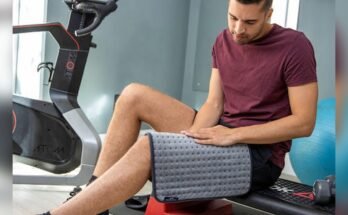
A heating pad is a device that produces heat, which you can place on parts of your body for pain relief or comfort. Most heating pads are flat and flexible, so you can wrap or lay them on your back, neck, or other areas. The main idea is simple: apply heat to relieve pain, relax muscles, or warm up on cold days.
Heating pads come in different sizes and shapes. Some are small for the neck or joints, while others are large enough for your whole back. They can be used at home, at work, or even while traveling.
Many people use heating pads for:
- Back pain
- Menstrual cramps
- Joint pain (like knees or shoulders)
- Muscle tension
- Chronic pain (such as arthritis)
The Science Behind Heat Therapy
To understand how a heating pad works, you need to know why heat helps your body. This is called heat therapy or thermotherapy.
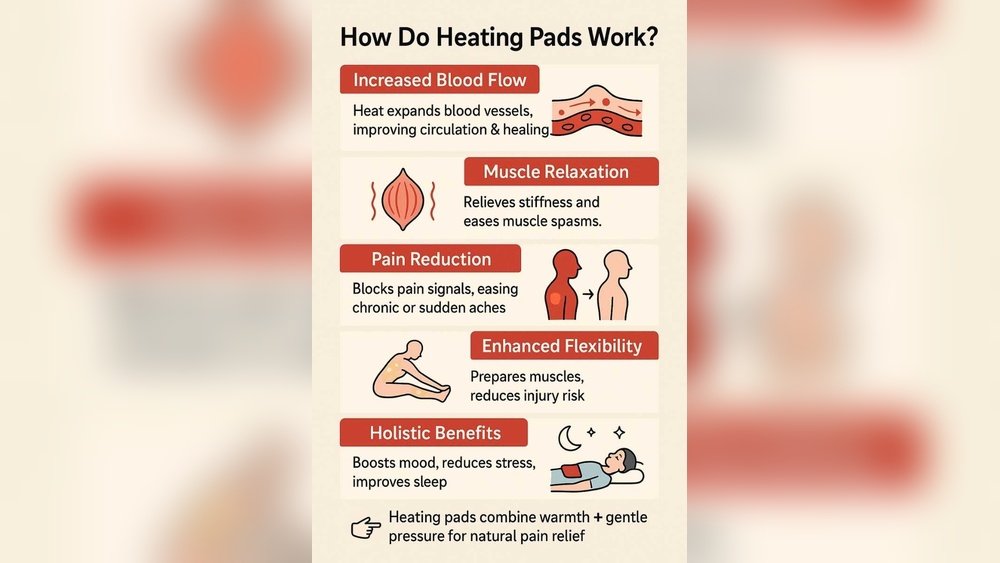
When you apply heat to your body, several things happen:
- Blood vessels widen (this is called vasodilation). More blood flows to the heated area, bringing oxygen and nutrients that help healing.
- Muscles relax. Heat reduces muscle stiffness and makes tight or sore muscles feel better.
- Nerve signals change. Heat can decrease the pain messages sent to your brain, so you feel less discomfort.
- Tissues become more flexible. Heat makes tendons and ligaments stretch easier, reducing injury risk during movement.
This is why people use heating pads for both sudden injuries (after 48 hours) and long-term pain. But it’s important to know that cold therapy (like ice packs) is sometimes better for fresh injuries. Heat works best for muscle pain, cramps, and stiffness.
How Does A Heating Pad Produce Heat?
There are a few main ways heating pads create heat. The inside technology is simple, but each type has its own method.
1. Electric Heating Pads
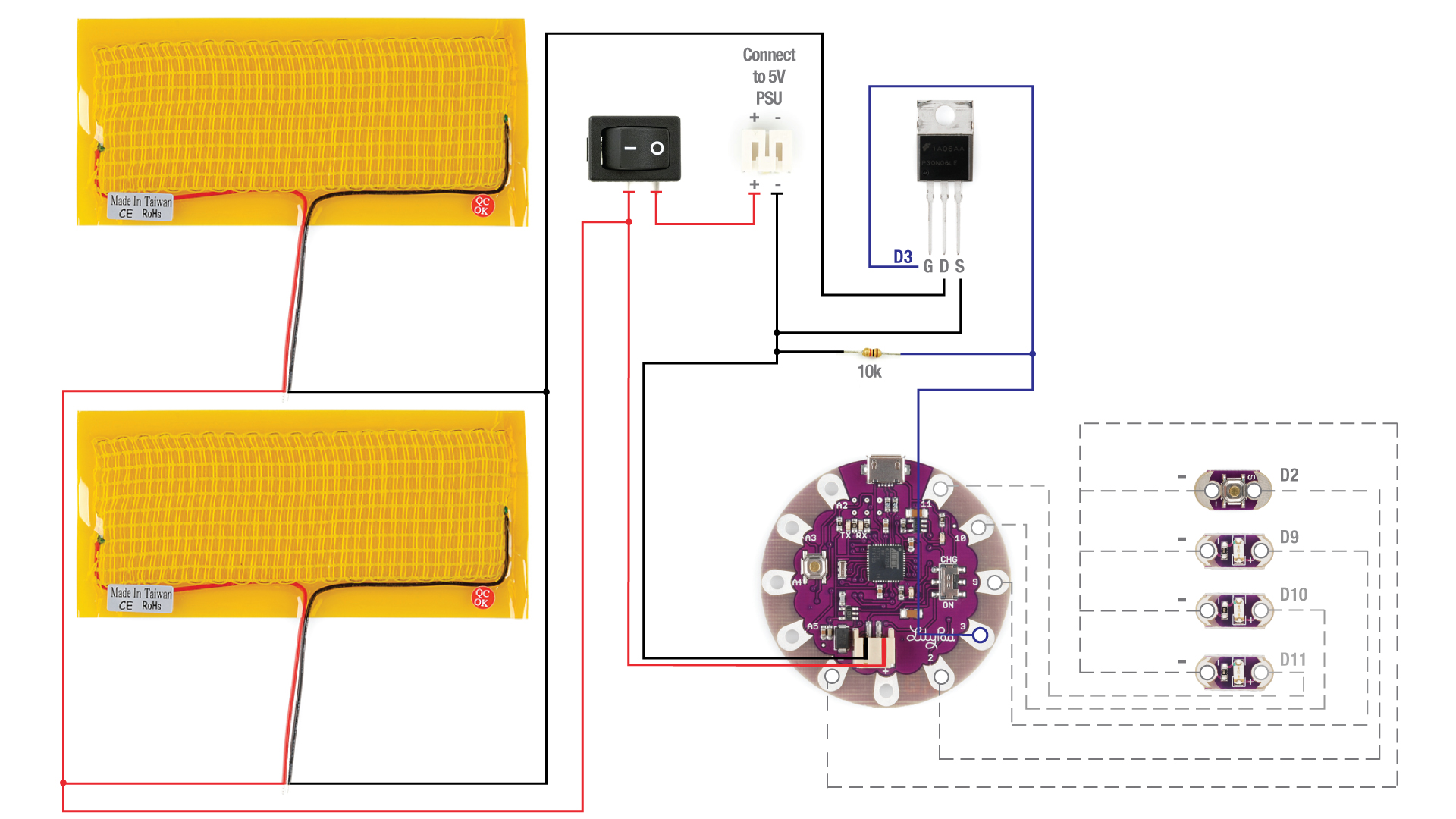
Electric heating pads are the most common. They plug into a wall outlet and use electricity to make heat.
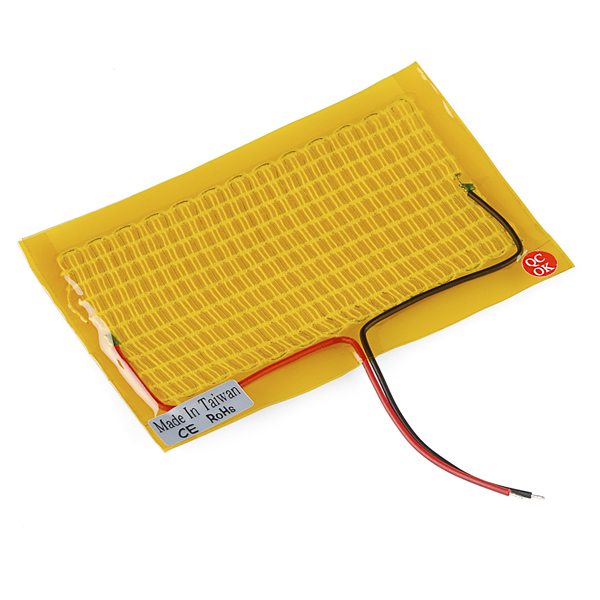
- Inside, there are wires (usually made of metal) arranged in a pattern.
- When you turn the pad on, electricity flows through the wires.
- The wires resist the electrical flow, which produces heat (this is called resistance heating).
- The heat spreads through the pad’s soft outer cover and into your body.
Most electric pads have a temperature control—a switch or button that lets you pick how warm you want it. Some also have timers for safety, turning off automatically after a set time.
2. Chemical Heating Pads
Chemical heating pads use a chemical reaction to produce heat. There are two main types:
- Single-use pads: These have chemicals (like iron powder, salt, and water) sealed inside. When you open or shake the pad, the chemicals mix and start an exothermic reaction (a reaction that releases heat).
- Reusable sodium acetate pads: These have a liquid (sodium acetate solution) and a small metal disk. When you click or bend the disk, crystals form, and the liquid hardens—releasing heat. You can “reset” the pad by boiling it, which turns the crystals back into liquid.
Chemical pads don’t need electricity, so they’re great for travel or emergencies.
3. Microwavable Heating Pads
Microwavable pads are filled with materials like rice, wheat, or gel. You heat them in the microwave for a few minutes.
- The filling absorbs the heat and holds it.
- When you place the pad on your body, the heat slowly transfers to your skin.
These pads are popular because they’re simple and can be made at home. But you must be careful not to overheat them, as they can burn or catch fire.
4. Infrared Heating Pads
Infrared heating pads use special materials (like carbon fiber) to make infrared rays when they’re powered on.
- Infrared rays are a type of energy that goes deeper into your body than regular heat.
- This deep heat can reach muscles and tissues under the skin, not just the surface.
Some users find infrared pads more effective for chronic pain or deep muscle tension.
Comparing Heating Pad Types
Different heating pads suit different needs. Here’s a quick comparison:
| Type | Heat Source | Reusable? | Best For |
|---|---|---|---|
| Electric | Electricity | Yes | Home use, adjustable heat |
| Chemical | Chemical reaction | Some single-use, some reusable | Travel, emergencies |
| Microwavable | Heated in microwave | Yes | Quick relief, home or office |
| Infrared | Infrared energy | Yes | Deep tissue pain, chronic pain |
How Does Heat Affect The Body?
It’s easy to feel the warmth of a heating pad, but what is it really doing inside your body?
Muscle Relaxation
Heat helps muscles let go of tension. Imagine a stiff rubber band—when you warm it, it becomes easier to stretch. Muscles are similar. Warmth increases blood flow to the area, which brings more oxygen and helps take away waste products like lactic acid. This is why heat is great for muscle spasms or soreness after exercise.
Pain Relief
Heat can block pain signals. Your nerves send messages to your brain when you feel pain. Warmth from a heating pad can slow down or interrupt these signals. This makes you feel more comfortable, even if the injury is still there.
Improved Flexibility
Warm muscles and joints move better. If you’re stiff in the morning, a heating pad can loosen up your back or neck. This is helpful before stretching or physical therapy.
Increased Healing
Better blood flow means your body can repair itself faster. More nutrients and oxygen reach the area, which helps damaged tissues heal.
Calming Effect
Heat therapy is soothing. It can lower stress, help you relax, and even make it easier to sleep if pain is keeping you awake.
Common Uses Of Heating Pads
People use heating pads for many reasons. Here are some of the most common:
- Back pain: Probably the number one reason people reach for a heating pad. It helps with both lower and upper back pain, whether from muscle strain, poor posture, or chronic problems.
- Menstrual cramps: Heat relaxes the muscles of the uterus, which can ease period pain.
- Arthritis: For people with osteoarthritis or rheumatoid arthritis, heat can make stiff joints feel better.
- Neck and shoulder pain: Desk jobs, stress, or sleeping the wrong way can cause tightness here. Heat helps muscles unwind.
- Sports injuries: After the first 48 hours (when swelling goes down), heat can help muscles and tendons recover.
- Chronic pain: Conditions like fibromyalgia, endometriosis, or sciatica may improve with regular heat therapy.
- Warming up: Some people use heating pads just to get warm on cold nights or mornings.
Safety And Proper Use
Heating pads are safe when used correctly, but accidents can happen. Here’s how to use them the right way.
How To Use A Heating Pad Safely
- Read instructions: Every pad is different. Check the manual for your model.
- Test the temperature: Always check the heat with your hand before putting it on your body. It should feel warm, not hot.
- Protect your skin: Place a thin cloth or towel between the pad and your skin. Never put a pad directly on bare skin, especially if you have poor sensation.
- Limit time: Don’t use for more than 20–30 minutes at a time unless your doctor says it’s okay.
- Don’t fall asleep with it on: This is a common way people get burns.
- Check for damage: Old or broken pads can cause electric shock or fire.
- Don’t use near water: Never use electric heating pads in the bathroom or near water.
People Who Should Be Extra Careful
Some people have a higher risk of burns or injury from heating pads:
- Children and elderly: Skin is often thinner or more sensitive.
- People with diabetes: Nerve damage can make it hard to feel heat.
- People with poor circulation: The area may not get enough blood flow, increasing burn risk.
- Pregnant women: Talk to your doctor before using heat on your belly or back.
Signs You’re Using It Wrong
If your skin gets red, blistered, or you feel a burning sensation, stop using the pad right away. If you feel dizzy, nauseous, or weak, remove the pad and check with a doctor.
How To Choose The Right Heating Pad
Not all heating pads are the same. Picking the right one depends on your needs, budget, and where you’ll use it.
Factors To Consider
- Size and shape: Large pads are good for the back or legs. Small, flexible pads work better for joints or the neck.
- Heat settings: Adjustable temperature is helpful for sensitive skin or different pain levels.
- Automatic shut-off: A timer makes the pad safer, especially if you might fall asleep.
- Washable cover: This keeps the pad clean and easy to use for years.
- Cord length: A long cord gives more freedom if you want to move or use it on the sofa.
- Portable vs. plug-in: For travel or outdoor use, chemical or microwavable pads work best.
- Price: Electric pads are usually more expensive but last longer. Chemical pads are cheaper for one-time use.
Comparing Features
Here’s a quick look at the features you might find:
| Feature | Electric Pad | Chemical Pad | Microwavable Pad |
|---|---|---|---|
| Adjustable heat | Yes | No | No |
| Reusable | Yes | Some | Yes |
| Portable | No | Yes | Yes |
| Needs electricity | Yes | No | No |
| Risk of burns | Medium | Low | Medium |
How To Get The Most From Your Heating Pad
A heating pad is simple, but you can use it more effectively with some practical tips.
Placement
- Put the pad right on the area you want to treat.
- For back pain, place it flat against your lower or upper back while sitting or lying down.
- For cramps, lay it gently over your stomach.
Timing
- Use heat for 15–30 minutes at a time.
- Take breaks between sessions to avoid overheating your skin.
- For chronic pain, use heat therapy at the same time each day for best results.
Combine With Other Methods
- Gentle stretching after heat can help muscles recover.
- Over-the-counter pain creams or medications may work better with heat, but always ask a doctor first.
- Drinking water before and after heat therapy helps your body handle temperature changes.
Cleaning And Maintenance
- Wash the cover regularly if it’s removable.
- Store electric pads flat, not folded, to avoid damaging the wires.
- For microwavable pads, keep them dry and check for mold or leaks.
Non-obvious Insights About Heating Pads
Even if you use heating pads often, there are a few important things most people don’t know:
- Moist heat works faster than dry heat. Some heating pads let you add a damp cloth or have a built-in moisture feature. Moist heat goes deeper into tissues and can relieve pain more quickly. But it also increases burn risk if used too long.
- Heating pads can mask serious problems. If you keep using heat but pain gets worse, it might be more than just muscle pain. Heat can hide symptoms of infections, blood clots, or other medical issues. Always see a doctor if pain is severe, lasts more than a week, or comes with fever or swelling.
- Newer pads use smart technology. Some modern heating pads have sensors that adjust the temperature based on your skin’s warmth, making them safer and more comfortable.
- Not all pads are safe for pets. People sometimes use heating pads for cats or dogs, but many pads get too hot for animals. There are special pet-safe pads with lower temperatures.
The History Of Heating Pads
The idea of using heat for pain relief is ancient. People have used hot stones, warm water bottles, and heated cloths for thousands of years. The first electric heating pads appeared in the early 20th century, after electricity became common in homes.
Since then, technology has improved, making pads safer, more effective, and easier to use.
Today, millions of people use heating pads around the world for everything from sports injuries to chronic pain, proving that the basic idea—heat helps heal—never goes out of style.
When Not To Use A Heating Pad
Heating pads are great for many types of pain, but sometimes they can do more harm than good.
- Don’t use on new injuries. For the first 24–48 hours after a sprain or strain, use cold packs to reduce swelling.
- Avoid open wounds or infections. Heat can make infections worse or slow healing.
- Not for some medical conditions. Certain circulatory problems, skin diseases, or sensitivity issues mean you should avoid heating pads. Always ask your doctor if you’re not sure.
Environmental Impact And Sustainability
Heating pads use energy and materials, so there is some environmental impact. Electric pads use electricity, which adds to your carbon footprint. Single-use chemical pads create waste. To reduce impact:
- Choose reusable pads when possible.
- Turn off electric pads when not in use.
- Recycle or properly dispose of old pads.
- Consider eco-friendly options, like natural-fiber microwavable pads.
Comparing Heating Pads To Other Pain Relief Methods
How does a heating pad compare to other ways to relieve pain?
| Method | How It Works | Best For | Risks |
|---|---|---|---|
| Heating pad | Applies local heat | Muscle pain, cramps, stiffness | Burns, misuse |
| Ice pack | Reduces swelling | New injuries, inflammation | Frostbite, numbness |
| Pain medication | Blocks pain signals chemically | Moderate to severe pain | Side effects, addiction |
| Physical therapy | Strengthens, stretches | Recovery, prevention | Requires time, effort |
Frequently Asked Questions
How Long Should I Use A Heating Pad At One Time?
Most experts suggest using a heating pad for 15 to 30 minutes at a time. Longer sessions can increase the risk of burns or skin irritation. If you need more relief, wait at least 1 hour before using it again. Always follow the instructions for your specific pad.
Can I Sleep With A Heating Pad On?
It’s not safe to sleep with a heating pad on, especially electric ones. You might not notice if the pad gets too hot, which can lead to serious burns. If you need heat at night, look for pads with automatic shut-off or use a warm blanket instead.
Are Heating Pads Safe During Pregnancy?
Heating pads are safe for short periods and at a low temperature. Avoid placing heat directly on your belly. Always talk to your doctor before using a heating pad during pregnancy, especially for back or abdominal pain.
What’s The Difference Between Moist And Dry Heat?
Moist heat (like a damp towel or steam pad) penetrates deeper and often works faster for pain relief. Dry heat (standard electric pads) is easier to use and less messy. Some people with sensitive skin prefer dry heat to avoid irritation.
Can A Heating Pad Help With Arthritis?
Yes, heating pads can help relieve arthritis pain by increasing blood flow, relaxing stiff joints, and making movement easier. They work best for chronic joint pain, not for sudden swelling or inflammation.
Heating pads are a simple but powerful tool for pain relief, muscle relaxation, and comfort. By understanding how they work and using them wisely, you can safely enjoy their benefits. If you want more details on heat therapy, visit the Wikipedia page on heating pads. Always put safety first, listen to your body, and consult a healthcare professional for persistent or severe pain.