Choosing the best heating pad can feel confusing. There are so many types, brands, and claims. You may want relief from pain, better sleep, or just a cozy way to stay warm. But with all the choices, how do you know what works best for you?
Some heating pads are great for back pain, others fit well on your neck, and some are good for your whole body. The key is to understand your needs, know what features make a real difference, and avoid common mistakes.
In this guide, you’ll learn how to choose the best heating pad for your situation. You’ll get expert advice on important features, learn which mistakes to avoid, and see how heating pads compare. Whether you want a simple solution for cramps or a high-tech pad with timers and safety features, this article covers everything in detail.
You’ll even find answers to the most common questions at the end.
Understanding Heating Pads
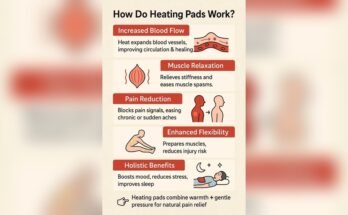
Before you buy a heating pad, it’s important to know how they work and what types are available. Heating pads use heat therapy, which increases blood flow and relaxes muscles. This helps ease pain, reduce stiffness, and improve comfort.
Types Of Heating Pads
There are three main types of heating pads:
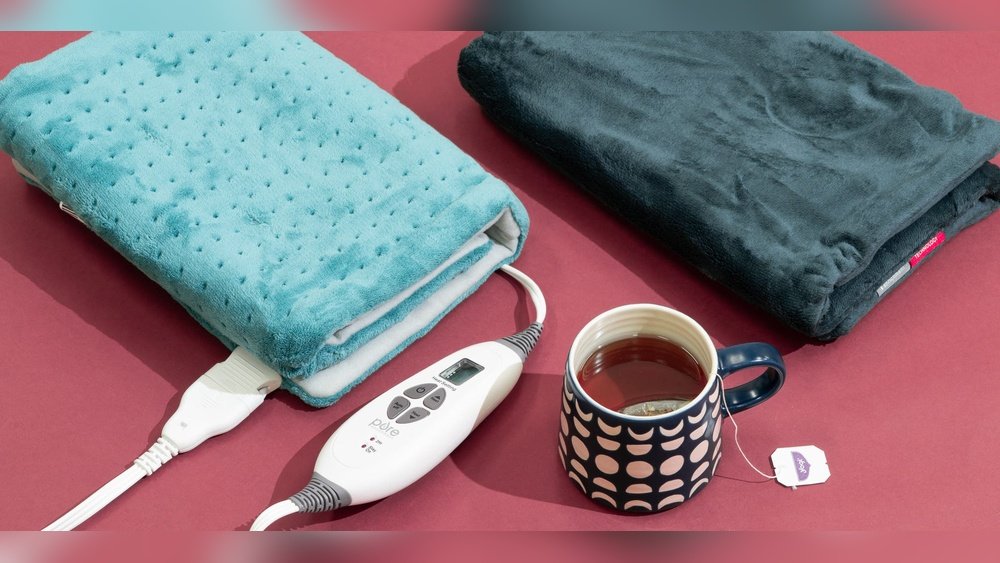
- Electric heating pads – Use electricity to produce heat. They’re common for home use and come with adjustable settings.
- Microwaveable heating pads – Filled with materials like rice or gel, you warm them in a microwave.
- Chemical/instant heating pads – Use a chemical reaction to create heat, often for travel or emergencies.
Each type has its own benefits and drawbacks. Some are better for long-term use, while others are more portable.
Key Factors To Consider
Not all heating pads are created equal. Let’s break down the most important factors to consider when choosing the best heating pad for your needs.
1. Purpose: Why Do You Need It?
First, be clear about your main reason for buying a heating pad. Is it for back pain, muscle cramps, arthritis, or just to stay warm? Different uses may require different sizes, shapes, and features.
- For back or shoulder pain, a larger pad or one shaped to fit your body may work best.
- For menstrual cramps, a smaller, flexible pad is usually easier to use.
- For general warmth, a basic pad with steady heat often works.
2. Size And Shape
Heating pads come in many shapes and sizes. The right choice depends on the area you want to treat.
- Small pads (6×8 inches): Good for local pain (like neck or joints).
- Medium pads (12×15 inches): Best for lower back or abdomen.
- Large pads (up to 24×24 inches): Cover bigger areas like the back or legs.
- Specialty shapes: Wrap-around or contoured pads fit specific body parts.
A common mistake is buying a pad that’s too small for your needs. If you want to treat your whole back but get a tiny pad, you won’t get full relief.
3. Type Of Heat
- Moist heat: These pads use water vapor to deliver heat. Moist heat is often more effective for deep pain because it penetrates muscles better.
- Dry heat: Standard electric pads usually provide dry heat, which is more convenient and less messy.
Some electric pads can switch between moist and dry heat, giving you more flexibility.
4. Temperature Settings
A good heating pad should let you control the temperature. Look for models with at least three heat settings: low, medium, and high. Some advanced pads offer more precise digital controls.
- Low heat is good for long sessions or sensitive skin.
- High heat gives faster pain relief but should be used with caution.
One mistake beginners make is using high heat for too long, which can cause burns or irritation. Always start with the lowest setting and increase slowly.
5. Safety Features
Safety is critical, especially with electric heating pads. Look for these features:
- Automatic shut-off: Turns the pad off after 30-120 minutes to prevent overheating.
- Overheat protection: Stops the pad from getting dangerously hot.
- UL or ETL certification: Shows the pad has passed safety tests.
Never buy a heating pad without these basic protections, especially if you plan to use it while sleeping or if older adults will use it.
6. Material And Comfort
The best heating pads use soft, skin-friendly fabric that feels comfortable even during long sessions. Removable, washable covers are a big plus. Some pads use plush materials, while others are more basic.
If you have sensitive skin, avoid rough or synthetic materials. Allergies can also be an issue—check the fabric if you react to certain fibers.
7. Power Source
- Corded (plug-in): Most electric pads plug into a wall outlet. They give steady heat but limit movement.
- Battery-powered: Good for travel or when you need to move around.
- Microwaveable: No cords but need a microwave to heat.
- Chemical/instant: Completely portable, single-use or reusable for a few times.
Think about where you’ll use the pad most. If you want freedom to move, cord length or battery power matters.
8. Ease Of Use
Look for simple controls, clear instructions, and easy cleaning. Complicated settings can be confusing, especially for older adults.
Some pads come with remote controls or large buttons, making them easier to use if you have arthritis or limited hand strength.
9. Price And Warranty
Heating pads range from $10 for basic microwaveable models to over $100 for advanced electric versions. More expensive doesn’t always mean better, but very cheap pads often lack safety features.
Check the warranty. A good heating pad should have at least a one-year warranty. This shows the company stands behind its product.
10. Extra Features
Some heating pads offer extra features, such as:
- Massage or vibration: Adds another layer of pain relief.
- Weighted design: Helps the pad stay in place and gives a comforting feel.
- Memory function: Remembers your favorite settings.
While not essential, these can add comfort and convenience if they fit your budget.
Comparing Popular Types Of Heating Pads
Here’s a quick comparison of the most common types to help you see the differences at a glance.
| Type | Heat Source | Reusable? | Best For | Limitations |
|---|---|---|---|---|
| Electric | Plug-in electricity | Yes | Home, long sessions | Not portable, needs outlet |
| Microwaveable | Heated in microwave | Yes | Travel, short use | Cools quickly, needs microwave |
| Chemical/Instant | Chemical reaction | Single-use or limited | Emergency, outdoor | Short heat time, waste |
Common Mistakes To Avoid
Choosing the wrong heating pad can waste money and even be unsafe. Here are some mistakes many people make:
- Ignoring safety features: Never buy pads without automatic shut-off or overheat protection.
- Choosing the wrong size: A small pad won’t cover your back, and a large pad is awkward for your neck.
- Using high heat for too long: This can cause burns, especially in people with diabetes or nerve problems.
- Not checking the warranty: Cheap pads often break quickly and have no support.
- Picking the wrong type: For example, buying a microwaveable pad without access to a microwave.
Understanding these mistakes helps you make a smarter choice.
How Heating Pads Compare To Other Pain Relief Methods
You might wonder how heating pads stack up against other pain relief methods like ice packs, painkillers, or physical therapy.
| Method | Best For | How It Works | Drawbacks |
|---|---|---|---|
| Heating Pad | Muscle pain, cramps | Increases blood flow, relaxes muscles | Risk of burns, not for swelling |
| Ice Pack | Swelling, injuries | Reduces inflammation | Not good for muscle stiffness |
| Painkillers | General pain | Blocks pain signals | Side effects, dependency |
| Physical Therapy | Chronic pain, rehab | Strengthens muscles, improves movement | Needs time, cost, effort |
A key insight: Heat therapy is not for recent injuries with swelling. For those, ice works better. Use heating pads for chronic pain, stiffness, or muscle soreness.
Real-world Examples
Let’s look at how different people choose the best heating pad for their needs:
- Maria, age 32, office worker: She gets lower back pain after sitting all day. Maria chooses a large electric heating pad with three heat settings and a soft cover. She uses it at home after work and loves the automatic shut-off feature.
- John, age 55, arthritis sufferer: John has hand pain. He uses small microwaveable pads that fit over his hands. They’re easy to heat and use at work.
- Sara, age 25, athlete: After running, Sara gets sore calves. She picks a flexible, weighted pad that wraps around her legs. The pad combines moist and dry heat, so she can adjust based on her needs.
These examples show that the best heating pad depends on your body, pain type, and lifestyle.

How To Use A Heating Pad Safely
Even the best heating pad can be dangerous if used incorrectly. Follow these safety tips:
- Start low: Always begin with the lowest heat setting.
- Limit sessions: Use for 15-30 minutes at a time unless your doctor says longer is safe.
- Check your skin: If your skin gets red or painful, stop using the pad.
- Don’t sleep with it on: Even with auto shut-off, it’s safer to turn off the pad before sleeping.
- Keep away from water: Never use electric pads on wet skin or in damp areas.
- Supervise children and older adults: They may not feel burns quickly.
If you have health issues like diabetes, ask your doctor before using a heating pad.
Latest Trends In Heating Pads
Today’s heating pads are more advanced than ever. Here are some trends:
- Smart heating pads: Some connect to your phone, letting you control heat through an app.
- Eco-friendly pads: These use natural fillers or sustainable materials.
- Far-infrared technology: Newer pads use infrared heat, which may go deeper into muscles.
- Rechargeable pads: No more replacing batteries—just recharge like a phone.
While these features sound exciting, always check for proven benefits and safety certifications.

Quick Guide To Choosing The Right Heating Pad
If you’re in a hurry, follow these steps:
- Identify the body part you need to treat.
- Decide on heat type: Moist, dry, or both?
- Choose the size and shape that fits your needs.
- Check for safety features: Auto shut-off, certifications.
- Pick your power source: Plug-in, battery, microwaveable.
- Look for comfort features: Soft cover, washable, flexible.
- Set your budget and check the warranty.
This checklist helps you avoid wasting money or picking the wrong pad.
Frequently Asked Questions
What Is The Best Heating Pad For Back Pain?
The best heating pad for back pain is usually a large electric pad with adjustable heat settings and an automatic shut-off feature. Look for pads that cover the entire lower or upper back and have a soft, washable cover for comfort. Some people prefer pads that deliver moist heat for deeper pain relief.
Are Heating Pads Safe To Use Every Day?
Yes, heating pads are generally safe to use daily if you follow safety guidelines. Limit each session to 15-30 minutes, start with the lowest setting, and never sleep with the pad on. If you have nerve issues or diabetes, check with your doctor first.
Can I Use A Heating Pad While Pregnant?
Using a heating pad during pregnancy is usually safe for short periods and on small areas like the back or hips. Always use a low setting and avoid heating your abdomen directly. If you’re unsure, talk to your healthcare provider.
Which Is Better: Moist Or Dry Heat?
Both moist and dry heat can help with pain. Moist heat often penetrates deeper and works well for muscle cramps or stiffness. Dry heat is more convenient and less messy. Some pads let you use both, so you can try each method and see what works best for you.
Where Can I Find More Information About Heat Therapy?
For more in-depth research and medical advice about heat therapy and its benefits, visit this resource: Mayo Clinic.
Final Thoughts
Choosing the best heating pad isn’t just about picking the most expensive or popular brand. It’s about knowing your needs, checking for important features, and using the pad safely. Think about the area you want to treat, your lifestyle, and your budget.
Don’t skip safety features, and always start with the lowest heat setting. With the right heating pad, you can ease pain, relax your muscles, and enjoy more comfort in your daily life.
If you take the time to compare your options and avoid common mistakes, you’ll find a heating pad that works well for you—now and for years to come.