Are you tired of dealing with nagging muscle pain that won’t go away? Imagine having a simple tool that can help ease that discomfort anytime you need it.
Massage balls might be exactly what you’re looking for. But how do they actually work to relieve muscle pain? Understanding this can help you use them more effectively and get faster relief. Keep reading to discover how massage balls target your sore spots and why they could become your new favorite way to relax and heal.
Benefits Of Massage Balls
Massage balls offer many benefits for muscle pain and tension. They provide a simple way to ease soreness and improve muscle health. Using massage balls regularly helps muscles feel better and work well. Below are some key benefits that explain why massage balls are effective.
Targeted Muscle Relief
Massage balls focus pressure on specific muscle areas. This helps release knots and tight spots. You can reach muscles that are hard to massage by hand. The deep pressure reduces pain and stiffness quickly. Targeted relief helps muscles recover faster after exercise.
Improved Blood Circulation
Rolling a massage ball on muscles boosts blood flow. Better circulation brings more oxygen and nutrients to tissues. This speeds up healing and reduces swelling. Good blood flow also helps remove waste products from muscles. Regular use supports overall muscle health.
Enhanced Flexibility
Massage balls help loosen tight muscles and fascia. This increases muscle elasticity and joint movement. More flexibility lowers the risk of injury during activity. It also improves posture and movement quality. Using massage balls regularly supports better flexibility over time.
Types Of Massage Balls
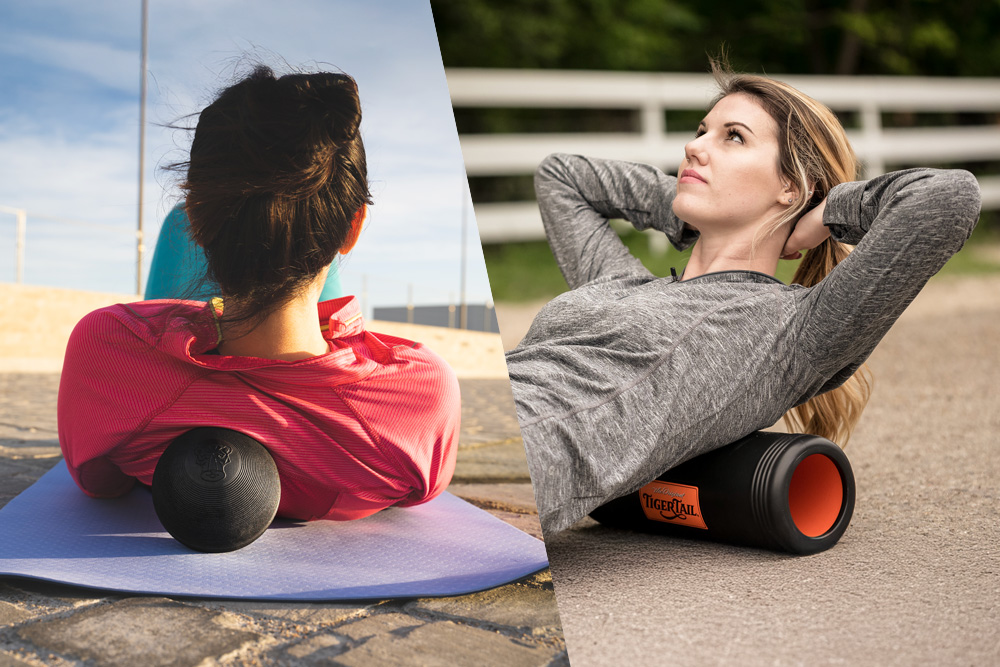
Massage balls come in different types and materials. Each type targets muscle pain in a unique way. Choosing the right ball depends on your needs and comfort. Here are the most common types of massage balls used for muscle pain relief.
Lacrosse Balls
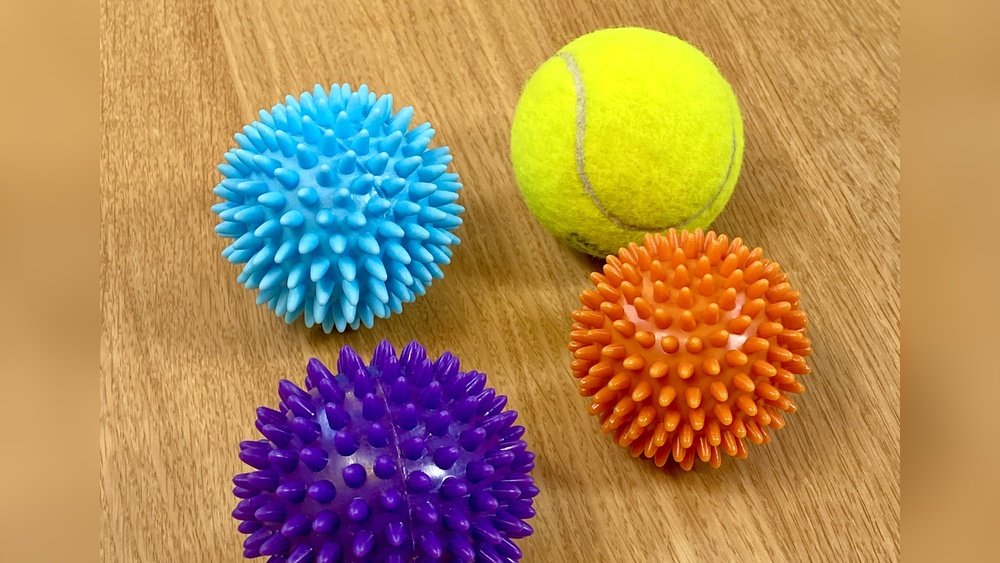
Lacrosse balls are small and firm. They provide deep pressure to tight muscles. These balls work well for trigger points and knots. Their hard surface helps break up muscle tension. Many people use them for back and shoulder pain.
Spiky Massage Balls
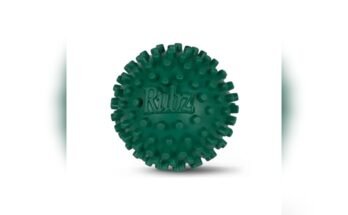
Spiky massage balls have small, raised bumps. These bumps stimulate blood flow and nerve endings. They offer a gentle, yet effective massage. Spiky balls are good for sensitive areas and feet. They improve circulation and reduce muscle stiffness.
Foam Massage Balls
Foam massage balls are soft and lightweight. They are less intense than lacrosse or spiky balls. Foam balls are ideal for beginners or sore muscles. They help relax muscles and ease mild pain. Their gentle touch suits large muscle groups.
How Massage Balls Alleviate Muscle Pain
Massage balls help relieve muscle pain by targeting tight and sore areas. They work by applying pressure to specific spots, which helps muscles relax and heal. Using massage balls is a simple way to ease discomfort and improve muscle function.
These tools are small but powerful. They reach deep into the muscle layers to provide relief. The pressure from massage balls improves blood flow and reduces stiffness. This helps muscles feel softer and less painful.
Trigger Point Therapy
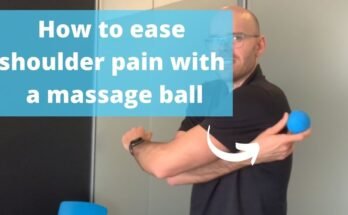
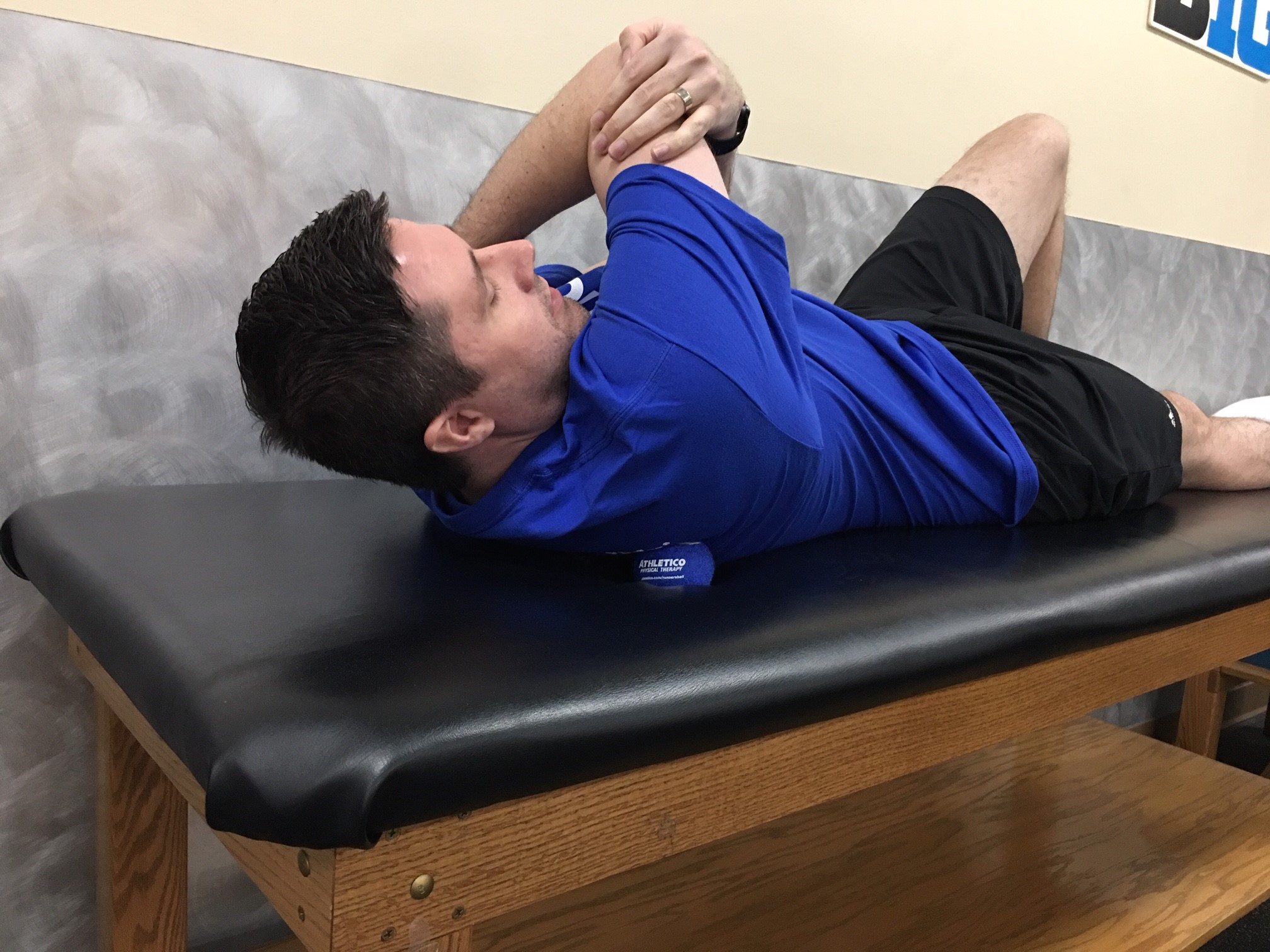
Massage balls apply pressure on trigger points, which are tight knots in muscles. These knots cause pain and limit movement. Pressing on trigger points helps release the tension. It also reduces pain signals sent to the brain. This therapy allows muscles to relax and recover faster.
Myofascial Release
Myofascial release targets the fascia, the thin layer covering muscles. Tight fascia can cause pain and stiffness. Massage balls gently stretch and loosen this tissue. This improves flexibility and eases muscle tightness. It helps restore normal muscle movement and comfort.
Reducing Muscle Tension
Massage balls reduce muscle tension by applying steady pressure. This pressure helps muscles unwind and relax. It lowers muscle tightness that causes pain and discomfort. Less tension means better muscle function and less risk of injury. Regular use keeps muscles loose and healthy.
Using Massage Balls Safely
Using massage balls safely is key to easing muscle pain without causing harm. These tools help relax tight muscles and improve blood flow. Yet, using them the right way protects your body and boosts results. Follow simple safety tips for the best experience.
Correct Pressure Application
Apply gentle pressure when using a massage ball. Start with light touch to avoid pain. Gradually increase pressure if comfortable. Too much force can cause bruises or soreness. Listen to your body and stop if pain sharpens.
Avoiding Sensitive Areas
Keep massage balls away from bones and joints. Avoid areas with cuts, swelling, or skin problems. Do not press on the spine or neck directly. These places can get hurt easily. Focus on muscle tissue for safe relief.
Duration And Frequency
Use massage balls for short times, about 1 to 2 minutes per spot. Longer sessions may irritate muscles. Repeat sessions 2 to 3 times a week. Rest days help muscles recover and prevent overuse. Consistency with care works best.
Massage Ball Techniques
Massage balls help relieve muscle pain by applying pressure and movement to tight areas. Different techniques target muscles in unique ways. These methods improve blood flow and reduce tension. Understanding these techniques can help you use massage balls effectively.
Rolling Method
The rolling method involves moving the massage ball over sore muscles. Roll the ball slowly along the muscle’s length. This motion relaxes tight spots and increases circulation. It works well on large muscle groups like the back and thighs. Use gentle pressure to avoid discomfort.
Static Pressure
Static pressure means holding the ball on one sore spot without moving it. Apply steady pressure for 20 to 30 seconds. This helps release deep muscle knots. Breathe deeply while holding the pressure to relax the muscle further. This method targets stubborn tightness in small areas.
Targeted Spot Treatment
Targeted spot treatment focuses on very specific painful points called trigger points. Place the ball directly on the trigger point. Use small, slow movements or hold still to reduce pain. This technique can reduce muscle stiffness and improve mobility. It requires patience and careful pressure control.
Combining Massage Balls With Other Therapies
Combining massage balls with other therapies can improve muscle pain relief. Using several methods together targets muscles in different ways. This approach helps reduce stiffness and speed up recovery. It also makes your routine more effective and balanced.
Stretching Exercises
Stretching loosens tight muscles and improves flexibility. After using massage balls, gentle stretches help lengthen the muscle fibers. This reduces soreness and prevents injuries. Stretching also increases blood flow, which supports healing. Simple stretches for the affected area work best.
Heat And Cold Therapy
Heat therapy relaxes muscles and eases stiffness. Apply a warm pack before using massage balls to prepare muscles. Cold therapy reduces inflammation and numbs pain. Use ice packs after massage ball sessions to calm irritated tissues. Alternating heat and cold helps balance muscle recovery.
Professional Massage
Professional massages reach deeper muscle layers than massage balls. A therapist can target specific problem areas with expert techniques. Combining professional massage with massage balls extends pain relief. It also teaches correct self-massage methods for home care. Regular sessions support long-term muscle health.
Choosing The Right Massage Ball
Choosing the right massage ball helps target muscle pain effectively. The right ball eases tension and improves blood flow. Different balls suit different needs and body parts. Knowing what to consider saves time and ensures comfort.
Size And Firmness
Size matters for reaching specific muscles. Small balls work well for feet and hands. Larger balls cover bigger areas like the back. Firmness affects pressure and comfort. Hard balls give deep, strong massage. Softer balls offer gentle relief for sensitive areas.
Material Considerations
Materials affect feel and durability. Rubber balls provide good grip and bounce. Foam balls are soft and absorb pressure. Plastic balls are firm and last long. Some materials resist sweat and moisture, staying clean. Choose materials that suit your skin and use.
Portability And Durability
Portability lets you carry the ball anywhere. Lightweight and compact balls fit in bags easily. Durable balls hold shape and resist wear. Durable materials prevent cracks and breaks. A strong ball lasts longer and saves money.
Common Mistakes To Avoid
Massage balls can help ease muscle pain and tension. Using them correctly makes a big difference. Avoiding common mistakes keeps your muscles safe and helps you get better results. Here are some key errors to watch out for.
Overusing Massage Balls
Too much pressure or time can harm muscles. Overusing massage balls may cause bruises or soreness. Start slow and give muscles time to recover. Limit sessions to a few minutes per muscle group. Rest days help muscles heal and stay strong.
Ignoring Pain Signals
Muscle pain is a warning, not a challenge. Sharp or intense pain means stop immediately. Gentle discomfort is okay, but pain is not. Listen to your body’s signals to avoid injury. Ease off pressure if pain grows or lasts long.
Improper Technique
Wrong use lowers benefits and can cause damage. Apply steady, controlled pressure, not sudden or hard pushes. Roll slowly and avoid bones or joints. Focus on tight spots, not just random areas. Learning the right way improves muscle relief and safety.

Frequently Asked Questions
How Do Massage Balls Relieve Muscle Pain?
Massage balls apply targeted pressure to tight muscles, improving blood flow. This helps break up knots and reduces tension, leading to pain relief and faster recovery.
Can Massage Balls Improve Muscle Flexibility?
Yes, massage balls help release muscle tightness and increase mobility. Regular use loosens stiff muscles, enhancing overall flexibility and range of motion.
Are Massage Balls Safe For All Muscle Types?
Massage balls are generally safe for most muscles when used correctly. Avoid applying excessive pressure on sensitive areas or injuries to prevent harm.
How Often Should I Use Massage Balls For Pain Relief?
Using massage balls 3-4 times a week helps maintain muscle health. Short sessions of 5-10 minutes can effectively reduce pain and stiffness.
Conclusion
Massage balls help relieve muscle pain by targeting tight spots. They apply pressure to knots, improving blood flow. This reduces stiffness and speeds up healing. Using them regularly can ease tension and improve movement. You can use massage balls at home or after exercise.
They are small, easy to carry, and simple to use. Remember to start gently and listen to your body. Consistent use often leads to better muscle health and less pain. Try massage balls as a natural way to support muscle recovery.