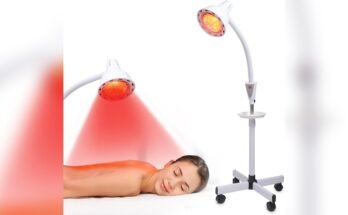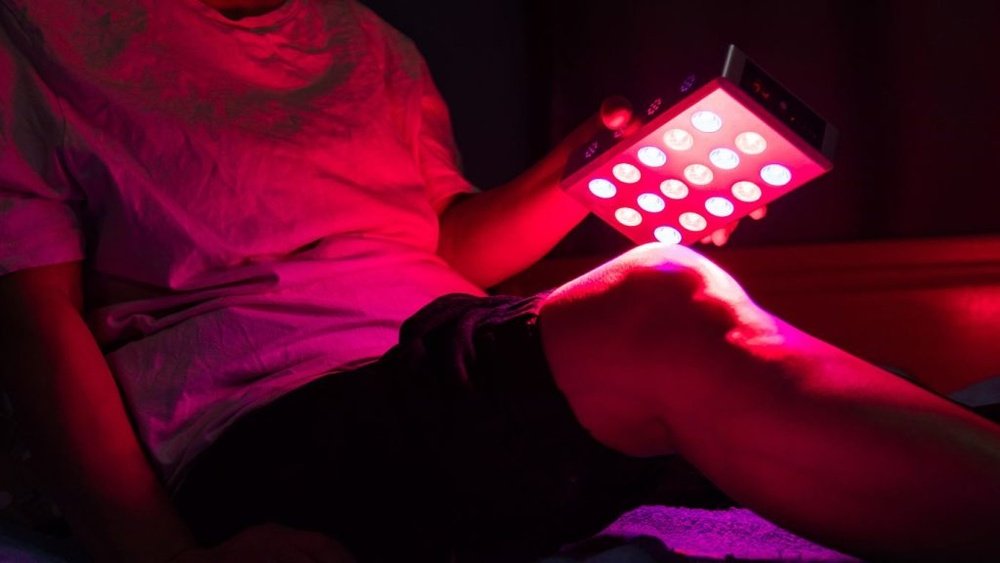
Are you tired of constant knee pain and swelling that hold you back from doing the things you love? You might have heard about infrared heat lamps as a possible solution, but do they really help with inflammation in knees?
Understanding how these lamps work and whether they can ease your discomfort is key to finding relief. Keep reading to discover the truth about infrared heat lamps and how they might change the way you manage knee inflammation for good.

How Infrared Heat Lamps Work
Infrared heat lamps use a special type of light to warm your body. This warmth can help reduce pain and swelling in your knees. The lamps send out infrared light, which you cannot see but can feel as heat. This heat helps improve blood flow and relax muscles around the knee.
The way these lamps work is different from regular heating pads. Infrared light can reach deeper into your skin and tissues. This deep heat effect can help soothe inflammation and support healing.
Infrared Light And Heat
Infrared light is a type of energy that travels in waves. It produces heat when it touches your skin. This heat feels gentle and comfortable. It helps increase circulation in the knee area. Better blood flow means more oxygen and nutrients reach injured tissues. This speeds up recovery and reduces pain.
The light from infrared lamps is safe and does not burn the skin. It works by warming the tissues below the surface, not just the skin itself. This makes it useful for treating deeper inflammation and stiffness.
Penetration Depth In Tissues
Infrared light can go deeper than normal heat sources. It penetrates through the skin and reaches muscles and joints. This depth allows it to affect cells inside the knee. The heat helps cells repair faster and reduces swelling.
The deeper heat also helps relax tight muscles around the knee. This reduces pressure and improves movement. The more the heat reaches inside, the better it can ease inflammation and pain.
Inflammation In Knees Explained
Knee inflammation happens when tissues in the knee become swollen and painful. This swelling is the body’s way of protecting and healing itself. It can affect movement and cause discomfort. Understanding the causes and symptoms can help manage the problem better.
Inflammation may last a short time or become a long-term issue. It can affect people of all ages and activity levels. Knowing more about knee inflammation helps in choosing the right treatment.
Common Causes
Injuries like sprains or tears often cause knee inflammation. Overuse from activities such as running or jumping adds stress to the knee. Arthritis, especially osteoarthritis, leads to chronic inflammation. Infections can also cause swelling and pain in the knee joint. Sometimes, poor posture or weak muscles contribute to the problem.
Symptoms And Effects
Swelling around the knee is a clear sign of inflammation. The area may feel warm and look red. Pain increases with movement or pressure. Stiffness can limit bending or straightening the knee. Some people hear popping or grinding sounds during movement. These symptoms can reduce daily activities and lower quality of life.
Effects Of Infrared Heat On Inflammation
Infrared heat therapy uses light waves to warm the skin and tissues. This warmth helps reduce inflammation in the knees. The heat penetrates deep, reaching muscles and joints. This can lower swelling and improve blood flow. Better circulation helps the body heal faster.
Reducing Swelling
Infrared heat causes blood vessels to expand. This process is called vasodilation. It helps move fluids away from swollen areas. Less fluid means less swelling in the knee. The warmth also relaxes tissues, making movement easier. Reduced swelling helps improve knee function.
Pain Relief Mechanisms
Heat from infrared lamps affects nerve endings. It lowers pain signals sent to the brain. The warmth also triggers the release of endorphins. These natural chemicals reduce pain sensations. Heat improves muscle flexibility and reduces stiffness. This combination eases knee pain and discomfort.
Scientific Studies And Evidence
Scientific studies provide important insights into the use of infrared heat lamps for knee inflammation. Research helps us understand how these lamps affect pain and swelling. This section reviews key clinical trials and expert opinions on the topic.
Clinical Trials Results
Several clinical trials have tested infrared heat lamps on knee inflammation. Many studies show a reduction in pain after regular use. Participants often report less stiffness and improved movement. Some trials found infrared heat helps reduce swelling too. Results vary, but most show positive effects. The warmth from the lamp may increase blood flow. This helps the body heal faster and lowers inflammation. Trials usually last a few weeks to measure lasting benefits.
Expert Opinions
Doctors and therapists often recommend infrared heat for knee inflammation. Experts say the heat relaxes muscles and eases joint pain. They note it is a safe, non-invasive option. Some experts suggest combining heat therapy with exercise. They warn that heat lamps should not replace medical treatment. Experts agree more research is needed to fully understand long-term effects. Still, many support using infrared lamps as part of pain management.
Proper Use Of Infrared Heat Lamps
Using infrared heat lamps correctly boosts their effect on knee inflammation. Proper use helps reduce pain and supports healing. Understanding the right way to apply heat and follow safety steps ensures the best results.
Application Techniques
Place the lamp about 12 to 18 inches from your knee. Keep the light focused directly on the inflamed area. Use the lamp for 15 to 20 minutes per session. Avoid using it more than twice a day. Keep your skin clean and dry before starting. Move the lamp slowly if you feel too much heat. Never touch the lamp while it is on. Let your knee rest after each session to absorb the benefits.
Safety Precautions
Do not use infrared lamps on broken skin or wounds. Avoid using the lamp if you have poor skin sensation. Protect your eyes by not staring into the light. Always use the lamp in a well-ventilated room. Check the device for damage before each use. Stop using the lamp if you feel burning or pain. Keep children and pets away during sessions. Consult a doctor if you have health conditions or are pregnant.
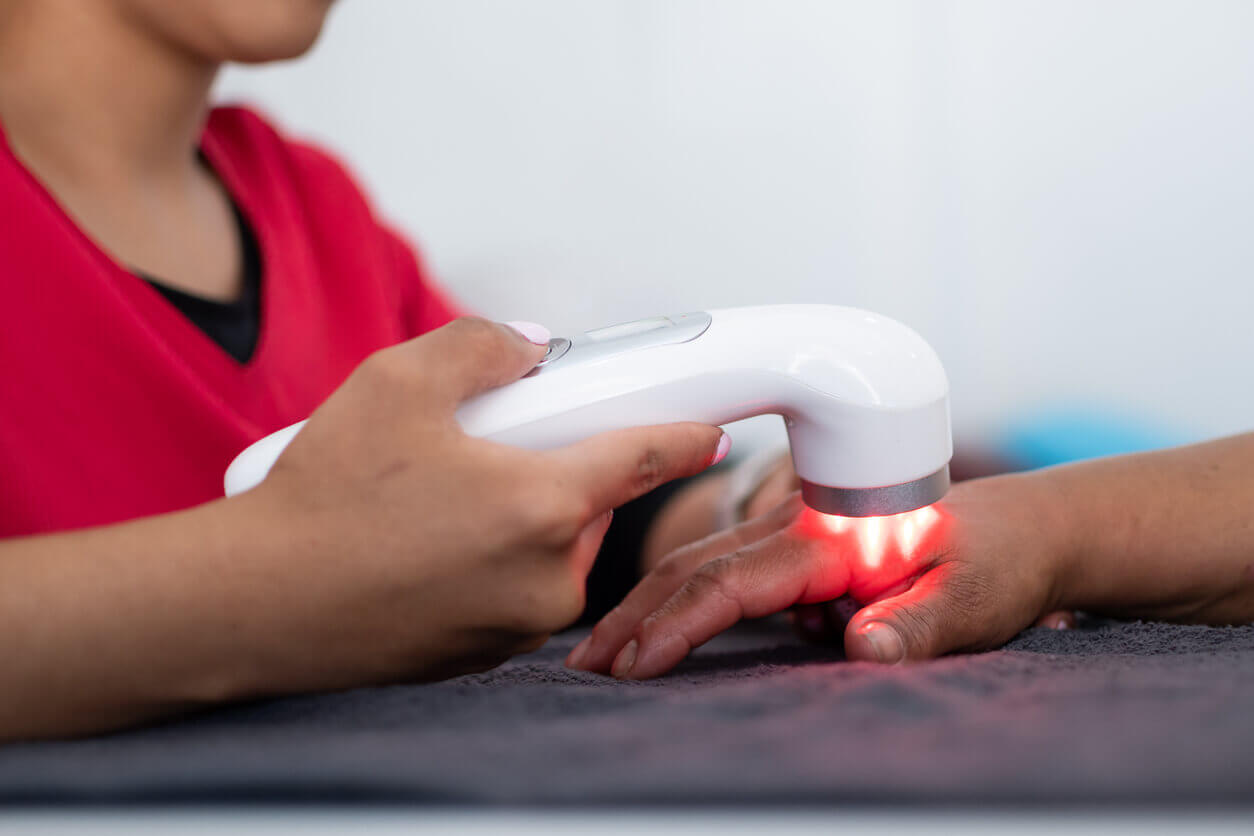
Comparing Infrared Heat To Other Treatments
Infrared heat lamps are one option to ease knee inflammation. Comparing them to other treatments helps understand their benefits and limits. Each treatment works differently. Some focus on pain relief, others on healing or reducing swelling. Knowing these differences guides better choices for knee health.
Physical Therapy
Physical therapy uses exercises to improve knee strength and movement. Therapists teach ways to reduce pain and swelling. Exercise boosts blood flow and helps repair tissues. It also improves flexibility, which supports the knee. Infrared heat warms the area, which can relax muscles before therapy. Both methods together may offer better results than alone.
Medications And Supplements
Medications like pain relievers and anti-inflammatory drugs reduce knee pain fast. They can control swelling but may cause side effects. Supplements such as turmeric or omega-3s claim to lower inflammation naturally. These take longer to show effects. Infrared heat does not involve chemicals or pills. It helps by increasing blood flow and reducing stiffness.
User Experiences And Testimonials
Many people with knee inflammation have tried infrared heat lamps. Their stories show real results and honest opinions. Reading these experiences helps understand how effective the lamps can be.
Some users notice less pain after a few sessions. Others say their knees feel more flexible and less stiff. These reports give hope to those seeking relief without medicine.
User Reviews On Pain Relief
Several users mention a drop in knee pain after using infrared lamps. They describe the warmth as soothing and calming. Pain from swelling seems to decrease, making daily tasks easier.
User Feedback On Mobility Improvement
Many people report better movement in their knees. The heat appears to loosen tight joints and muscles. This improvement lets them walk and bend with less trouble.
Comments On Treatment Duration And Frequency
Users share different routines for using the lamps. Some use them daily for 10 to 15 minutes. Others prefer every other day or a few times a week. Consistency seems important for good results.
Suggestions From Users For Best Results
Some suggest combining lamp use with light exercise. Others recommend staying hydrated and resting the knee after treatment. These tips help maximize the benefits of infrared heat therapy.

Potential Risks And Limitations
Infrared heat lamps are popular for easing knee inflammation. They use heat to improve blood flow and reduce pain. Despite these benefits, some risks and limits exist. It is important to know what they are before using these lamps.
Skin Burns And Irritation
Infrared lamps produce strong heat that can harm your skin. Keeping the lamp too close or using it too long may cause burns. Sensitive skin types face higher risks of irritation. Always follow the recommended distance and time.
Not Suitable For All Conditions
Infrared heat lamps do not treat all knee problems. They may not work well for deep joint damage or severe inflammation. Some knee conditions need medical treatment or therapy. Using lamps alone might delay proper care.
Possible Eye Damage
Direct exposure to infrared light can hurt your eyes. Avoid looking directly at the lamp during use. Use protective eyewear if recommended. This helps prevent long-term eye problems.
Lack Of Long-term Research
Studies on long-term effects of infrared heat on knees are limited. More research is needed to prove safety and effectiveness. Relying solely on these lamps may not give lasting relief.
Interaction With Medical Devices
Infrared heat may affect some implanted devices. People with pacemakers or metal implants should be careful. Consult a doctor before using heat lamps near medical devices.
Frequently Asked Questions
Do Infrared Heat Lamps Reduce Knee Inflammation Effectively?
Infrared heat lamps penetrate deep into knee tissues, increasing blood flow and reducing inflammation. They help relax muscles and ease pain, promoting faster healing. Regular use can improve joint mobility and reduce stiffness in inflamed knees.
How Long Should I Use Infrared Heat Lamps For Knees?
Use infrared heat lamps on your knees for about 15-20 minutes per session. Limit sessions to 2-3 times a day for best results. Avoid overuse to prevent skin irritation or burns.
Are Infrared Heat Lamps Safe For Knee Inflammation Treatment?
Infrared heat lamps are generally safe when used correctly. Avoid direct exposure to broken skin or open wounds. Consult a healthcare provider if you have skin conditions or circulatory issues before using heat therapy.
Can Infrared Heat Lamps Replace Medication For Knee Inflammation?
Infrared heat lamps complement, but do not replace, medication. They provide natural pain relief and reduce swelling. Always follow your doctor’s advice regarding medication and therapy for knee inflammation.
Conclusion
Infrared heat lamps may help reduce knee inflammation by improving blood flow. Many people find relief from pain and stiffness using them. They work by warming deep tissues gently and safely. Still, results can vary from person to person. Combining heat therapy with rest and exercise often works best.
Always talk to a doctor before starting any new treatment. Small steps can lead to better knee health over time. Give your knees the care they deserve.