Many people experience muscle stiffness at some point in life. It can happen after a long workout, sitting for hours, or just waking up in the morning. Muscle stiffness can make simple tasks harder and sometimes even painful. In search of relief, many turn to heating pads. But do heating pads really help with muscle stiffness? Let’s explore the science, benefits, risks, and practical tips for using heating pads for sore or stiff muscles.
What Causes Muscle Stiffness?
Muscle stiffness is a common problem. It happens when your muscles feel tight, difficult to move, or uncomfortable. Often, you may also feel pain, swelling, or a limited range of motion.
There are several causes of muscle stiffness:
- Overuse or exercise: Doing a new or intense activity can strain your muscles.
- Injury or trauma: Falls or bumps can lead to muscle tightness.
- Poor posture: Sitting or standing in one position too long.
- Cold weather: Muscles tend to contract and feel tighter in the cold.
- Medical conditions: Problems like arthritis, fibromyalgia, or infections.
Most muscle stiffness is temporary. But if it lasts more than a few days, or if it comes with other symptoms like fever or severe pain, it’s important to see a doctor.
How Do Heating Pads Work?
Heating pads are one of the most popular ways to ease muscle stiffness. But how do they help?
Heating pads provide heat therapy (also called thermotherapy). This means you apply gentle warmth directly to the sore area. The heat can come from electricity, microwavable gel packs, hot water bottles, or chemical pads.
What Happens When You Apply Heat?
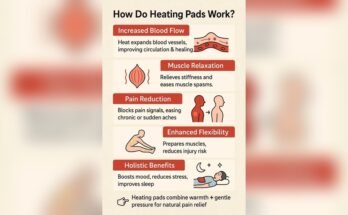
When you place a heating pad on your muscles, several things happen:
- Blood vessels widen (vasodilation): This brings more blood, oxygen, and nutrients to the area, which helps healing.
- Muscle fibers relax: Heat reduces muscle spasms and stiffness by making the tissues softer and more flexible.
- Pain signals slow down: Warmth can block pain messages from reaching your brain, which reduces the feeling of pain.
- Metabolic rate increases: Local cell activity speeds up, which helps clear out waste and speed up repair.
All these effects combine to make muscles feel less stiff and sore.
Scientific Evidence For Heating Pads And Muscle Stiffness
Is there real proof that heating pads help? Over the years, many studies have looked at heat therapy for muscle pain and stiffness.
A study in the Archives of Physical Medicine and Rehabilitation found that using a heating pad for just 30 minutes after exercise reduced muscle soreness and improved flexibility. Another research paper in the Journal of Clinical Medicine showed that low-level heat wrap therapy helped people with lower back pain feel better and move more easily.
The American College of Rheumatology also recommends heat therapy for conditions like arthritis, where muscle stiffness is common. The reason is simple: heat is safe, easy to use, and often effective for short-term relief.
However, it’s important to know that heat therapy is not a cure. It helps with symptoms, not the root cause. For ongoing or serious muscle problems, you still need to address the underlying issue.
Types Of Heating Pads
Not all heating pads are the same. Let’s look at the main types, their pros, and cons.
| Type of Heating Pad | How It Works | Best Use Case | Pros | Cons |
|---|---|---|---|---|
| Electric Heating Pad | Uses electricity to generate heat | Home use, adjustable heat | Easy to control, reusable | Needs power outlet, risk of overheating |
| Microwavable Pad | Heated in microwave, often filled with rice/gel | Quick relief, portable | No cords, easy to use | Heat fades, can be too hot |
| Chemical Heat Pack | Uses chemical reaction when activated | On the go, travel | Portable, single use | Not adjustable, wasteful |
| Hot Water Bottle | Filled with hot water | Gentle warmth, home use | Cheap, reusable | Bulky, risk of leaks |
Each type offers different benefits. Choose one that fits your needs, lifestyle, and safety preferences.
Benefits Of Using Heating Pads For Muscle Stiffness
Using a heating pad is not just about comfort. There are real health benefits when used correctly:
1. Relief From Stiffness And Spasms
Heat helps muscles relax, reducing tightness and making it easier to move.
2. Pain Reduction
By increasing blood flow and blocking pain signals, heat therapy can ease discomfort.
3. Improved Flexibility
Warm muscles stretch better, which helps with range of motion and daily activities.
4. Faster Recovery
More blood and oxygen mean your body can repair muscle damage faster.
5. Safe And Non-invasive
For most people, using a heating pad is safer than taking medicine or getting injections.
6. Easy To Use At Home
Heating pads are simple, affordable, and do not require a prescription.
Some people notice relief in just a few minutes. For others, it may take regular use over several days.
When To Use A Heating Pad For Muscle Stiffness
Knowing when to use heat is just as important as knowing how. Here are the best times to use a heating pad:
- After exercise or activity: Soothe tired or overworked muscles.
- In the morning: For people with arthritis or chronic conditions, morning heat can loosen stiff muscles.
- Before stretching or physical therapy: Warm muscles stretch more easily, reducing injury risk.
- During cold weather: Muscles are naturally tighter in the cold.
But heat is not for every situation. If you have a fresh injury (less than 48 hours old), swelling, or bruising, cold therapy is usually better at first. After the swelling goes down, switch to heat.

How To Use A Heating Pad Safely
While heating pads are generally safe, improper use can cause burns or other problems. Follow these safety tips:
1. Limit Sessions
Use for 15-30 minutes at a time. Too much heat can damage skin or nerves.
2. Check Temperature
Always start at the lowest setting. The pad should feel warm, not hot.
3. Protect Your Skin
Place a towel or cloth between the pad and your skin. Never use directly on bare skin.
4. Never Sleep With A Heating Pad On
Falling asleep can cause burns if the pad stays in one place too long.
5. Avoid Use On Numb Areas
If you have nerve damage or poor sensation, do not use heat. You may not feel burns.
6. Supervise Children And Elderly
These groups have more sensitive skin and higher risk of injury.
7. Check For Leaks Or Damage
If your pad is old, check for cracks, leaks, or exposed wires.
Following these steps keeps heat therapy safe and effective.
Heat Vs. Cold Therapy: What’s Better?
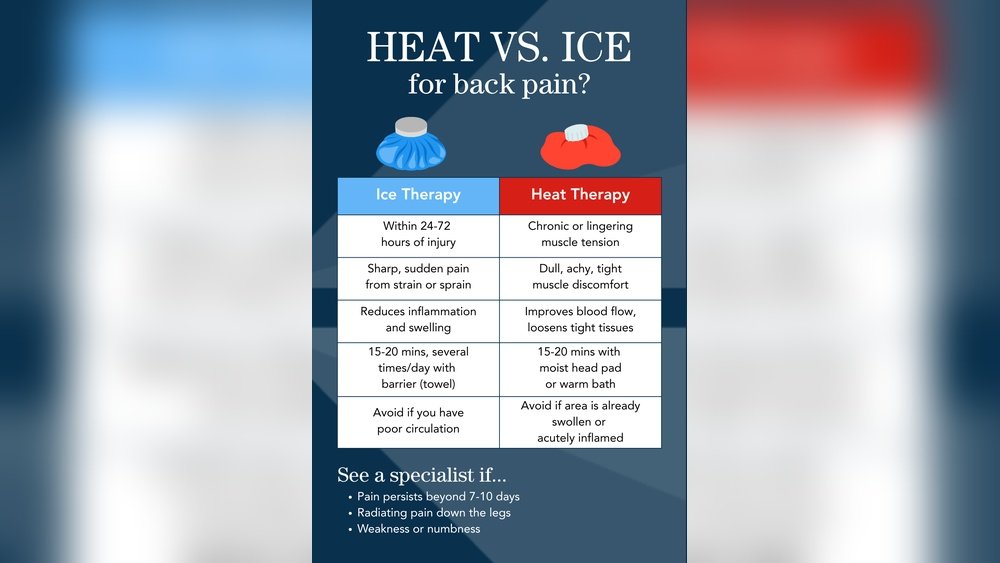
Many people wonder when to use heat and when to use cold for muscle stiffness. Here’s a quick comparison:
| Therapy Type | Best For | How It Works | When to Use |
|---|---|---|---|
| Heat | Muscle stiffness, chronic pain, old injuries | Increases blood flow, relaxes muscles | After inflammation goes down, for ongoing stiffness |
| Cold | Swelling, fresh injuries, inflammation | Reduces blood flow, numbs pain, limits swelling | Within first 24-48 hours after injury |
Key tip: For muscle stiffness without swelling, heat is usually best. If the area is red, swollen, or hot to the touch, start with cold.
Common Mistakes When Using Heating Pads
Even though heating pads are simple, people make mistakes that reduce their benefits or even cause harm:
1. Using Heat On Fresh Injuries
Heat can worsen swelling or bleeding if used too soon after injury.
2. Applying Too Much Heat
High settings or long sessions can burn your skin.
3. Sleeping With A Heating Pad
This is a common cause of burns, especially in older adults.
4. Ignoring Skin Changes
If your skin turns red, blisters, or feels numb, stop use immediately.
5. Using Heat On Poor Circulation Areas
People with diabetes or vascular problems should be very careful.
6. Not Using A Barrier
Always place a towel or cloth between the pad and your skin.
Avoiding these mistakes keeps treatment safe and more effective.
Who Should Not Use Heating Pads?
While heat therapy is safe for most, some people should be cautious:
- People with diabetes: Nerve damage (neuropathy) means you might not feel burns.
- People with vascular disease: Poor blood flow can increase risk of burns.
- People with skin conditions or open wounds: Heat can worsen some skin problems.
- Infants and elderly: Their skin is thinner and more sensitive.
- Pregnant women: Avoid using heat on the belly or lower back unless your doctor says it’s safe.
If you have heart disease, cancer, or are unsure, ask your doctor before using heat therapy.
Non-obvious Insights About Heating Pads And Muscle Stiffness
Many people know the basics, but here are two practical tips that beginners often miss:
1. Heat Works Best When Combined With Gentle Movement
Applying heat, then doing slow stretches or light activity, helps the muscle return to normal faster. Don’t just sit still with the heating pad—try gentle movements afterward.
2. Moist Heat Can Be More Effective Than Dry Heat
Moist heat (like a damp towel warmed in the microwave or a steamed cloth) penetrates deeper and relieves stiffness better for some people. It also feels more soothing for chronic pain.
Practical Tips For Maximizing Results
If you want the best results from your heating pad, try these steps:
- Hydrate: Drink water before and after using heat. Muscles recover faster when you’re well-hydrated.
- Stretch after warming: Gentle stretching right after heating increases flexibility.
- Pair with massage: Using a heating pad before massage can loosen tissues and make massage more effective.
- Consistency matters: For chronic stiffness, use the pad once or twice a day, not just when pain is strong.
- Track your results: Notice if your symptoms improve with heat. If not, try adjusting the time, temperature, or method.

When To See A Doctor
Muscle stiffness is usually harmless, but sometimes it signals a bigger problem. See a doctor if:
- Stiffness lasts more than a week
- The area is swollen, red, or very painful
- You have fever, chills, or weakness
- You can’t move a joint or limb
- You have a history of chronic illness
Doctors can check for more serious causes, like infections, arthritis, or nerve problems.
Alternatives To Heating Pads
If you don’t have a heating pad, you can try other home methods:
- Warm bath or shower: Relaxes the whole body and soothes multiple muscles.
- Homemade warm compress: Wet a towel with hot water, wring out, and apply.
- Heated rice sock: Fill a clean sock with uncooked rice, tie it, and heat in microwave for 1-2 minutes.
- Thermal wraps or patches: These stick to your skin and deliver low-level heat for hours.
For those looking for more advanced options, some physical therapy clinics offer infrared therapy or ultrasound heat, which can reach deeper tissues.
Real-world Examples And Success Stories
Let’s look at a few examples:
- Anna, age 45, office worker: Anna often gets a stiff neck from working at a computer. She uses an electric heating pad for 20 minutes in the evening, combined with gentle neck stretches. After two weeks, her stiffness and headaches improved.
- Sam, age 30, athlete: Sam uses a microwavable pad after soccer games. He finds that using heat before stretching helps prevent next-day soreness.
- Linda, age 55, arthritis patient: Linda has morning stiffness in her hands. She keeps a small chemical heat pack by her bed and uses it when she wakes up. It helps her grip objects and start her day more comfortably.
These examples show how heating pads can fit into daily routines and offer real relief.
Comparing Heating Pads With Other Remedies
Many people ask how heating pads compare to other treatments for muscle stiffness. Here’s a quick look:
| Remedy | How It Works | Best For | Drawbacks |
|---|---|---|---|
| Heating Pad | Increases blood flow, relaxes muscle | Stiffness, chronic pain, mild soreness | Can cause burns if misused |
| Cold Pack | Reduces swelling and pain | New injuries, swelling, inflammation | Not good for stiffness alone |
| Pain Medication | Blocks pain signals | Severe pain | Side effects, not for long-term use |
| Massage | Loosens tight muscle fibers | Knots, tension, stress relief | May be costly, not always available |
| Physical Therapy | Restores movement and strength | Injury recovery, chronic conditions | Takes time, may need supervision |
Heating pads are best for mild to moderate stiffness. For severe or ongoing pain, combining treatments often works best.
The Bottom Line: Do Heating Pads Help With Muscle Stiffness?
After looking at the science, expert guidelines, and real-life examples, the answer is clear: heating pads can help with muscle stiffness for most people. They offer gentle, safe, and often quick relief by relaxing muscles, improving blood flow, and reducing pain. They work best for chronic stiffness, after exercise, or for conditions like arthritis.
However, heating pads are not a cure-all. They do not fix serious injuries or underlying diseases. Using heat the right way—at the right time, temperature, and for the right duration—is key to getting the best results.
If you are unsure or have special health concerns, always talk with your doctor before starting heat therapy.
For more details on the science of heat therapy, see this Wikipedia article.
Frequently Asked Questions
How Long Should I Use A Heating Pad For Muscle Stiffness?
Most experts recommend using a heating pad for 15 to 30 minutes at a time. Do not use it for more than 1 hour in a session. Always check your skin to avoid burns.
Can I Use A Heating Pad Every Day?
Yes, you can use a heating pad daily for muscle stiffness as long as you follow safety tips—keep sessions short, use a barrier, and avoid sleeping with it.
Is Moist Or Dry Heat Better For Stiff Muscles?
Moist heat (like a warm damp towel or steamed pad) often works better for deeper muscle relief because it penetrates tissues more effectively. However, both types can help.
When Should I Avoid Using A Heating Pad?
Avoid using heat if you have a fresh injury, swelling, poor circulation, numb skin, or open wounds. Also, people with diabetes or vascular issues should be extra careful.
Are Heating Pads Safe For Children And Elderly?
Heating pads can be safe if used with supervision, low heat settings, and always with a cloth between the pad and skin. Never let children or elderly people use heating pads unsupervised.
Muscle stiffness is a common challenge, but with the right knowledge and careful use of heating pads, you can find relief and return to daily life with less discomfort.