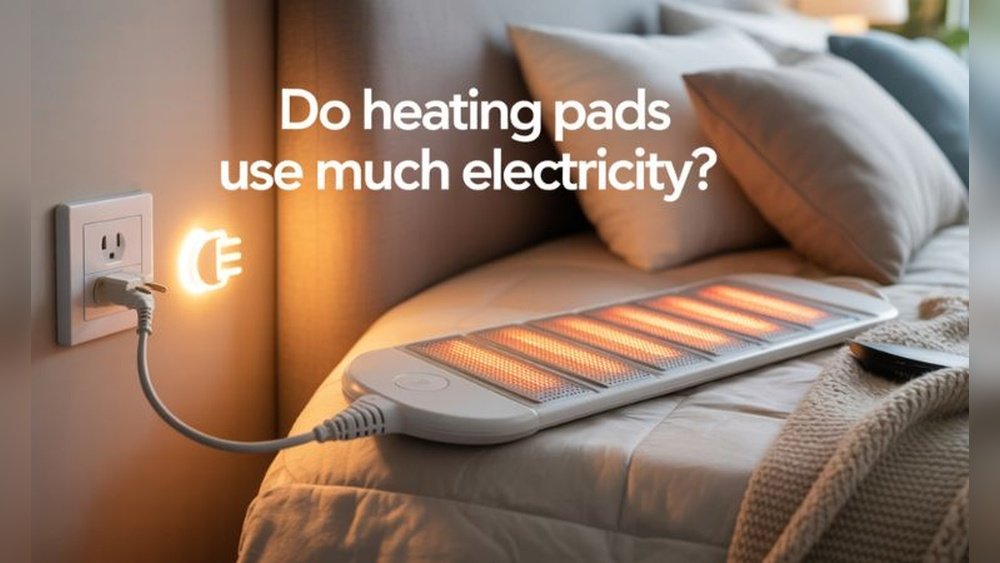
Many people use heating pads for pain relief, muscle relaxation, or simply to stay warm. But as energy costs rise and more people pay attention to their electricity bills, a common question appears: Do heating pads consume a lot of electricity? The answer is not as simple as “yes” or “no.” Understanding how much electricity heating pads use depends on several factors—such as size, wattage, usage habits, and the type of pad. This article will give you a clear, practical look at how heating pads impact your energy bill, what affects their power usage, and how you can use them efficiently without worrying about unexpected costs.
Let’s explore the facts, bust some common myths, and give you practical tips for using your heating pad wisely.
How Heating Pads Work
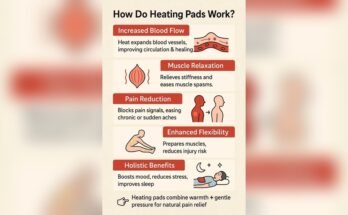
Heating pads are simple devices. They use electricity to produce heat, which is then transferred to your body. Most electric heating pads contain a metal wire or heating element inside a fabric cover. When you plug in the pad and turn it on, electricity flows through the wire, which heats up.
The pad then releases this heat slowly over its surface.
Some heating pads offer adjustable temperature settings. Others have automatic shut-off timers for safety. There are also infrared heating pads, which use a different method to emit heat, and microwaveable pads, which do not use electricity while in use. For this article, we focus on traditional plug-in electric heating pads since these are the most common.
How Much Electricity Does A Heating Pad Use?
The power consumption of a heating pad is measured in watts. Most home electric heating pads use between 20 and 75 watts. This is much less than large appliances, like heaters or air conditioners, but more than small devices like phone chargers.
To estimate usage, let’s look at a typical example:
- A standard medium-sized heating pad may use 50 watts.
- If you use it for one hour, it will consume 50 watt-hours (Wh).
- If you use it for 4 hours a day, you use 200 Wh or 0.2 kilowatt-hours (kWh) per day.
If your electricity costs $0.15 per kWh, using the pad for 4 hours a day would cost:
- 0.2 kWh x $0.15 = $0.03 per day
- Over a month (30 days): $0.03 x 30 = $0.90 per month
This is a very low cost compared to most other household appliances.
Comparing Heating Pads To Other Appliances
It’s easier to understand heating pad power usage when you compare it with other common devices.
| Appliance | Average Power (Watts) | Hours Used Daily | Daily Energy Use (kWh) |
|---|---|---|---|
| Heating Pad | 50 | 4 | 0.2 |
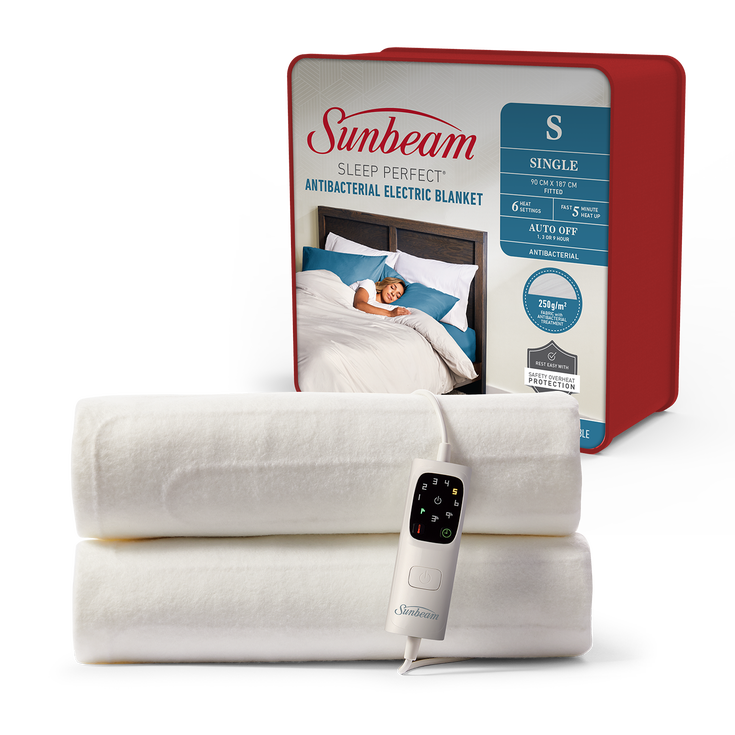
| Electric Blanket | 100 | 8 | 0.8 |
| Space Heater | 1500 | 4 | 6.0 |
| Hair Dryer | 1200 | 0.25 | 0.3 |
| Refrigerator | 150 | 24 | 3.6 |
From the table, you can see that heating pads use much less electricity than space heaters or refrigerators. Even an electric blanket, used for longer hours, will consume more energy than a small heating pad.
What Affects A Heating Pad’s Electricity Use?
Not all heating pads are the same. Several factors influence how much power your heating pad will consume.
1. Wattage
The most important factor is wattage. A pad rated at 20 watts will use less power than a 75-watt pad. Always check the label or the manual for the pad’s wattage.
2. Size
Larger pads cover more area and usually require more power to heat up. Small pads for the neck or joints use less energy.
3. Temperature Settings
Higher settings use more electricity. If you use the “high” setting all the time, you’ll use more energy than if you keep it on “low” or “medium. ”
4. Duration Of Use
The longer you leave the pad on, the more energy it uses. Falling asleep with the pad on for 8 hours instead of 20 minutes makes a big difference.
5. Auto Shut-off Feature
Many modern pads have an automatic shut-off (often after 30, 60, or 120 minutes). This can save electricity, especially if you forget to turn it off.
6. Type Of Heating Pad
- Infrared heating pads use a different method and can be more efficient for deep tissue heating.
- Microwaveable pads use zero electricity while in use but do require a microwave to heat.
7. Power Source
Pads plugged into a standard wall outlet may use more power than USB-powered heating pads, which are lower wattage and designed for portability.
Real-world Examples: Heating Pad Power Use
Let’s look at a few real-life examples to see how actual usage works out.
Example 1: Basic Small Heating Pad
- Wattage: 20W
- Used for 1 hour per day
- 20W x 1 hour = 20Wh = 0.02 kWh per day
- Monthly cost (at $0.15 per kWh): 0.02 kWh x 30 = 0.6 kWh x $0.15 = $0.09 per month
Example 2: Large Heating Pad For Back Pain
- Wattage: 60W
- Used for 2 hours per day
- 60W x 2 hours = 120Wh = 0.12 kWh per day
- Monthly cost: 0.12 kWh x 30 = 3.6 kWh x $0.15 = $0.54 per month
Example 3: Heating Pad Without Auto Shut-off
- Wattage: 50W
- Accidentally left on for 24 hours
- 50W x 24 hours = 1200Wh = 1.2 kWh
- Cost for one day: 1.2 kWh x $0.15 = $0.18
Even if you forget and leave the pad on for a whole day, the cost is still less than using a space heater for just one hour.
Do Heating Pads Increase Your Electricity Bill Significantly?
For most households, the answer is no. Heating pads are low-power devices. If you use them for a few hours a day, the impact on your monthly bill is very small—less than $1 in most cases.
However, if you use multiple pads, leave them on for long periods, or use them instead of more efficient heating methods, the cost can add up. Still, compared to heating an entire room, a heating pad is usually the cheaper option.
Common Myths About Heating Pad Power Usage
There are a few misunderstandings about heating pads and electricity.
1. Myth: Heating Pads Are Expensive To Run.
Fact: Most cost less than $1 per month if used for a few hours a day.
- Myth: Leaving a heating pad on overnight will double your bill.
Fact: Even if left on for 8 hours every night, the cost is still far less than running a space heater or electric blanket.
3. Myth: Higher Heat Means Much Higher Bills.
Fact: The “high” setting does use more power, but the difference is small because the wattage range is low to begin with.
4. Myth: All Heating Pads Use The Same Energy.
Fact: Wattage, pad size, and features make a real difference.
How To Find Out Your Heating Pad’s Power Consumption
If you want to know exactly how much electricity your heating pad uses, check the label on the pad or the packaging. You’ll usually see something like “Power: 50W” or “Input: 120V, 50W.”
To calculate your cost:
- Multiply the pad’s wattage by the hours you use it each day.
- Divide by 1000 to get kWh.
- Multiply by your local electricity rate (in dollars per kWh).
Example:
Pad = 40w, Used 3 Hours Per Day
40w X 3 = 120wh = 0.12 Kwh
If your rate is $0.15/kWh: 0.12 x $0.15 = $0.018 per day
You can also use a plug-in electricity usage monitor to measure real power use. These devices are cheap and easy to use. Just plug the pad into the monitor, and the monitor into the wall. It will show you the actual power drawn.
Energy-saving Tips For Heating Pad Users
Even though heating pads are efficient, you can save even more with some simple habits.
1. Use The Lowest Comfortable Setting.
The lower the heat, the less electricity you use.
2. Set A Timer Or Use Auto Shut-off.
Don’t let the pad run when it’s not needed.
3. Preheat, Then Turn Off.
Heat the pad for a few minutes, then unplug and use the stored warmth for short sessions.
4. Choose The Right Size.
Don’t use an extra-large pad for a small area.
5. Check The Pad’s Insulation.
A pad with a thicker cover may keep heat longer, so you don’t need to use it as long.
6. Try Microwaveable Or Chemical Heat Pads.
These don’t use electricity during use, but may not offer the same consistent heat.
7. Avoid Using Multiple Pads At Once.
If you need more coverage, consider an electric blanket, which is designed for larger areas and may be more efficient.
When Does A Heating Pad Use Too Much Electricity?
Although most heating pads use little power, there are situations where usage could be considered “a lot”:
- Commercial or clinical settings:
If used for hours every day on multiple patients, total power use adds up.
- Old or faulty pads:
Older models without auto shut-off or with damaged wiring may be less efficient.
- High-wattage specialty pads:
Large, high-heat pads for professional therapy can use 100W or more.
- Constant, overnight use:
Leaving a pad on all night, every night, increases total monthly energy use.
But even in these cases, compared to heating a room, a heating pad is usually more energy-efficient.
Heating Pad Types And Their Power Use
Not all heating pads are the same. Here’s a quick look at the main types and their typical energy use:
| Type | Power Range (Watts) | Typical Usage |
|---|---|---|
| Standard Electric | 20–75 | Muscle aches, cramps |
| Large Electric (Back/Shoulder) | 50–120 | Back pain, large muscle groups |
| Infrared | 30–60 | Deep tissue heating |
| USB-Powered | 5–10 | Portability, travel |
| Microwaveable | 0 during use | Short-term heat, no cord |
Standard electric pads are the most common, and their power use is usually low. Infrared and USB pads are even more efficient for certain uses. Microwaveable pads use no electricity while you use them, but you need a microwave to heat them up.
Comparing Heating Pads To Room Heaters
Sometimes people use heating pads instead of turning up the heat in their home. How do the costs compare?
Let’s see an example.
- Space heater: 1500W, used 2 hours = 3 kWh
- Heating pad: 50W, used 2 hours = 0.1 kWh
If electricity is $0.15/kWh:
- Space heater: 3 x $0.15 = $0.45
- Heating pad: 0.1 x $0.15 = $0.015
So, using a heating pad is much cheaper if you only need to warm a small area or relieve pain, rather than heating the whole room.
Hidden Factors Beginners Miss
Many beginners overlook two important things:
1. Standby Power Draw:
Some heating pads, especially those with digital controls, use a small amount of power even when “off” but still plugged in. This is called phantom load. Unplug the pad when not in use to avoid this.
2. Cumulative Usage:
If you use a pad for short sessions, it feels cheap. But if you (or your family) use several pads every day, the costs add up. Always check total hours and devices in use.
Safety And Efficiency
Always follow safety guidelines for your heating pad. Using a pad safely helps save energy and prevents accidents.
- Never use a pad that is damaged, frayed, or overheats.
- Don’t tuck the pad under heavy blankets or pillows, which can trap heat and increase fire risk.
- Use pads with auto shut-off for safer and more efficient use.
- If you use a pad daily for medical reasons, check with your doctor for best practices.
Are Heating Pads A Good Solution For Staying Warm?
For spot treatment or keeping one part of your body warm, heating pads are efficient and effective. They let you avoid turning up the thermostat, which heats the whole room or house. If you want to save money in winter, try combining a heating pad with warm clothes and blankets instead of using a large space heater.
But remember, heating pads are not meant to replace central heating or for heating a whole room. They are best for localized warmth.
Environmental Impact
Because heating pads use so little electricity, their environmental impact is small compared to larger heating devices. Using a pad for spot heating is more eco-friendly than heating your entire home with central heat or a space heater. For those who care about the environment, using a low-power heating pad for pain relief is a smart choice.
If you want more on energy use and efficient appliances, you can check this guide from the U.S. Department of Energy.
Frequently Asked Questions
How Much Does It Cost To Run A Heating Pad For 1 Hour?
A standard heating pad (50W) costs about $0. 0075 (less than one cent) per hour if your electricity is $0. 15 per kWh. Costs may vary depending on your local rate and pad wattage.
Can I Leave My Heating Pad On All Night?
Most modern pads have an auto shut-off for safety. While power use is low, it is not recommended to leave a pad on all night without auto shut-off due to fire risk and possible overheating.
Is A Heating Pad Cheaper Than A Space Heater?
Yes, using a heating pad is much cheaper for localized heating. A space heater uses 20–30 times more electricity than a heating pad for the same amount of time.
Do Heating Pads Use Electricity When Turned Off?
Some pads with digital controls may use a tiny amount of power when plugged in but switched off (standby or phantom load). Unplug the pad to eliminate this.
What’s Better For Saving Energy: Electric Blanket Or Heating Pad?
A heating pad is best for small areas (like your back or joints). An electric blanket uses more power but is more efficient for heating your whole body in bed. Use each for its intended purpose to save the most energy.
Final Thoughts
Heating pads are a simple, low-cost way to get relief from pain or stay warm. They use much less electricity than most people think—often less than $1 per month for regular use. By choosing the right pad, using it smartly, and following safety tips, you can enjoy comfort without worrying about your electricity bill. Remember: for spot heating and therapy, heating pads are one of the most energy-efficient tools you can use at home.