Can You Sleep With A Heating Pad On?
Feeling sore or cold at night can make sleep difficult. Many people use heating pads for comfort, pain relief, or just to feel warm. But is it safe to sleep with a heating pad on your body all night? There’s more to this question than a simple yes or no.
Understanding the risks, benefits, and best practices can help you make a smart choice about using a heating pad while you sleep.
This article takes a close look at sleeping with a heating pad. You’ll learn about how heating pads work, their health effects, important safety tips, real risks, and how to use them wisely. We’ll also explore special cases, such as for children, older adults, and people with certain health conditions.
By the end, you’ll have all the information you need to stay safe and get the comfort you want.
How Heating Pads Work
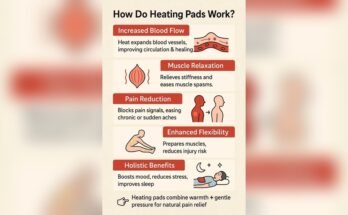
Heating pads are simple devices that create heat and deliver it to your body. They come in different types, including electric, chemical, and microwavable models. The heat helps relax muscles, increase blood flow, and reduce stiffness or pain.
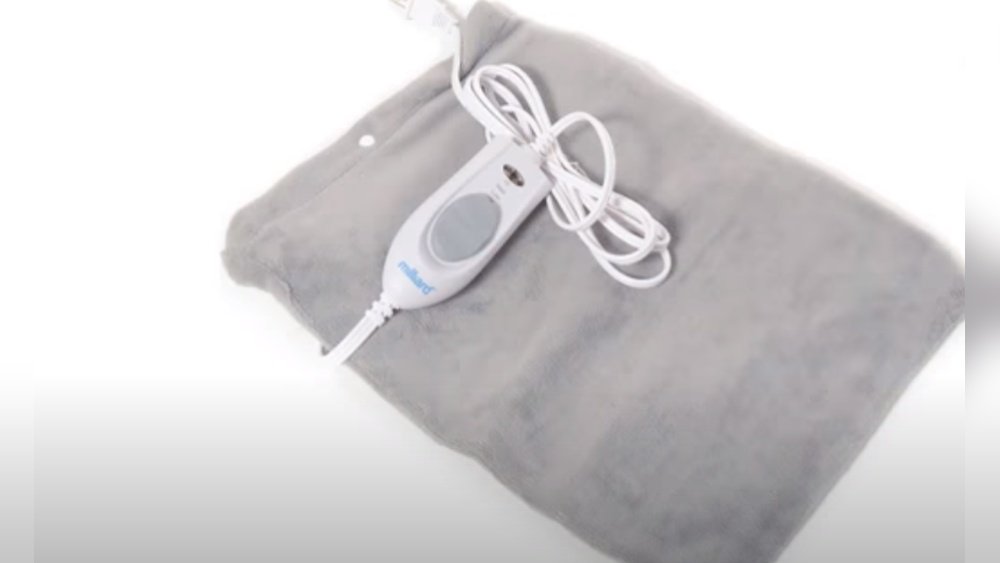
Electric heating pads plug into the wall and have adjustable heat settings. Some have timers or auto shut-off features for safety. Chemical heat packs use a chemical reaction to create warmth and are usually single-use. Microwavable pads contain materials like rice or gel that hold heat after warming in a microwave.
All types work by applying gentle, steady heat to a small area. This can be very soothing, especially if you have muscle aches, cramps, or arthritis.
Benefits Of Using A Heating Pad
Heating pads are popular for a reason. They offer several real benefits:
- Pain relief: Heat can help reduce pain from sore muscles, backaches, menstrual cramps, or stiff joints.
- Muscle relaxation: Warmth encourages muscles to relax, which can ease tension and improve comfort.
- Improved blood flow: Heat expands blood vessels, which brings more oxygen and nutrients to the area.
- Better sleep: Some people find that gentle heat helps them fall asleep faster or sleep more deeply, especially in cold weather.
However, these benefits are usually greatest when the heating pad is used for a limited time—about 15 to 30 minutes—not all night long.
Risks Of Sleeping With A Heating Pad
It’s important to know that sleeping with a heating pad on your body all night is not recommended by most health experts. Here are the main risks:
Burns And Skin Damage
The most serious danger is skin burns. Even at low settings, a heating pad can cause mild to severe burns if left on your skin for hours. This is especially true if you fall asleep and don’t notice the heat becoming uncomfortable.
People with reduced sensation (like those with diabetes, nerve problems, or older adults) are at higher risk, because they may not feel the heat increasing.
Fire Hazard
Electric heating pads are an electrical device. Leaving them on while sleeping increases the risk of overheating or electrical short circuits. Old or damaged heating pads can even start a fire, especially if they are covered by heavy blankets.
Dehydration And Overheating
Long exposure to heat can cause your body to lose moisture, leading to dehydration. There is also a risk of your body temperature rising, which can make you sweat, feel dizzy, or even cause heat exhaustion in rare cases.
Worsening Certain Conditions
People with circulatory problems, open wounds, or certain skin conditions should not use heating pads without medical advice. Heat can make some problems worse, instead of better.
Reduced Effectiveness
Continuous heat for hours may actually make muscle pain worse over time. Muscles can become too relaxed and lose tone, or the skin can become irritated.
Common Myths About Heating Pads And Sleep
Let’s clear up a few common misunderstandings:
1. “low Heat Is Always Safe.”
Even low settings can cause burns or dry out your skin if used for too long.
2. “heating Pads Help Everyone Sleep Better.”
Some people actually sleep worse with extra heat, especially if they get hot easily.
- “You can use a heating pad all night if you put it over your clothes.”
Clothing may help, but it does not remove the risk of burns, especially if the pad moves.
4. “newer Heating Pads Are 100% Safe.”
While modern pads often have safety features, no device is completely risk-free.
Who Should Never Sleep With A Heating Pad?
There are certain groups of people who should be extra careful or avoid sleeping with heating pads altogether:
- Children: Their skin is more sensitive and they may not remove the pad if it feels too hot.
- Older adults: They may have reduced sensation and thinner skin.
- People with diabetes: Nerve damage can make it hard to feel heat, increasing burn risk.
- Anyone with poor circulation: Heat can worsen some circulation problems.
- People taking sleep medications or sedatives: They may not wake up if the pad gets too hot.
If you are in any of these groups, it’s best to use a heating pad only when awake and alert.
Safe Ways To Use A Heating Pad At Night
If you want the comfort of a heating pad at bedtime, but worry about safety, here are some tips to use them wisely:
1. Use Before Bed, Not During Sleep
Apply the heating pad for 15-30 minutes before you sleep. This relaxes your muscles and warms your bed, but you can remove the pad before actually falling asleep.
2. Choose A Pad With Auto Shut-off
Many modern electric heating pads come with automatic shut-off features. This means the pad will turn off after a set time, usually 20 to 60 minutes. This helps prevent burns and fire risks.
3. Always Place Over Clothing Or A Towel
Never put a heating pad directly on bare skin. Use a thin cloth barrier to reduce the risk of burns.
4. Check The Pad’s Condition
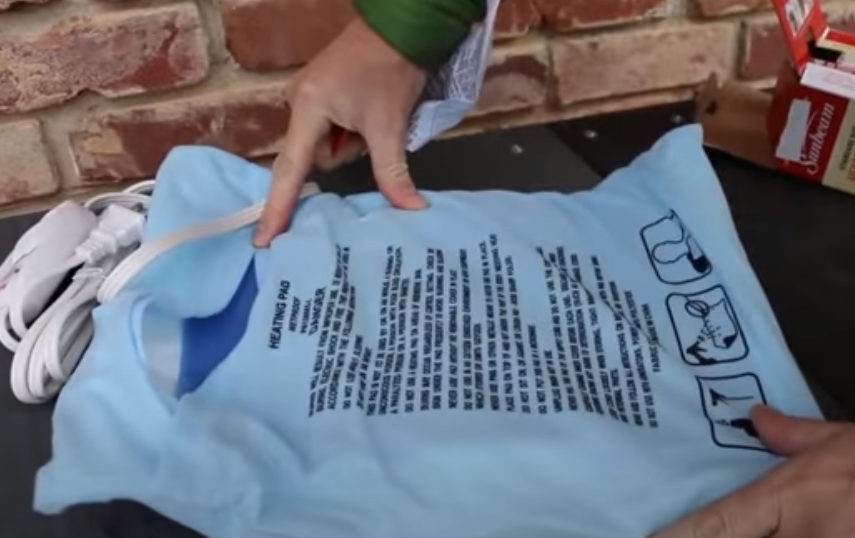
Inspect your pad for any cracks, worn wires, or damage before each use. Old or broken pads are much more dangerous.
5. Never Use While Wet
Water and electricity are a dangerous mix. Never use a heating pad if you’ve just bathed, are sweating heavily, or if the pad is wet.
6. Set A Timer
If your pad does not have auto shut-off, set a phone or alarm clock timer to remind you to remove it.
7. Avoid Sleeping Pills Or Alcohol
These substances can make you less likely to wake up if the pad overheats.
8. Keep The Cord Uncovered
Don’t run the heating pad cord under your mattress or pillows. This can cause overheating.
9. Store Properly
Roll up your heating pad gently when not in use. Avoid folding or wrapping the cord tightly, as this can damage the wires.
10. Consult Your Doctor
If you have a health condition, ask your doctor for advice before using a heating pad, especially overnight.
Comparing Heating Pads To Other Heat Sources
How does a heating pad stack up against other ways to keep warm at night? Here’s a comparison of common options:
| Heat Source | Safety for Sleep | Burn Risk | Reusable? |
|---|---|---|---|
| Electric Heating Pad | Low (if left on all night) | Moderate to High | Yes |
| Microwavable Pad | Medium | Medium | Yes |
| Hot Water Bottle | Medium | Low to Medium | Yes |
| Extra Blanket | High | Low | Yes |
| Electric Blanket | Medium | Medium | Yes |
As you can see, simple options like extra blankets or hot water bottles are often safer for overnight warmth.
Signs Of Heating Pad Burns And What To Do
If you ever use a heating pad and notice:
- Redness or dark patches
- Blisters
- Pain or numbness where the pad was
- Peeling skin
You may have a heating pad burn. Burns can be serious, even if they don’t hurt at first. Here’s what to do:
- Remove the pad right away.
- Cool the area with cool (not cold) water for 10-20 minutes.
- Do not apply ice, creams, or oils.
- Cover with a clean, dry cloth.
- Watch for signs of infection: Redness, swelling, pus, or pain.
- Seek medical help if the burn is large, deep, or does not improve.
Special Considerations For Certain Health Conditions
Some people should be extra careful with heating pads, especially at night:
Diabetes
People with diabetes often have nerve damage (neuropathy). They may not feel burns or heat damage. Even a short period of heat can cause a serious injury, which may not heal well.
Poor Circulation
Conditions like Raynaud’s disease, heart problems, or vascular disease can make heat therapy risky. Heat may cause swelling, tissue damage, or worsen circulation.
Pregnancy
Pregnant women should avoid using heating pads on the abdomen or lower back without a doctor’s advice. It’s safer to use them on other areas, and only for short periods.
Open Wounds Or Skin Problems
Never use a heating pad on broken skin, rashes, or open wounds. Heat can slow healing and increase infection risk.
Real-world Stories: What Can Go Wrong
Burn centers and hospitals see many cases of heating pad injuries each year. For example:
- An elderly woman with arthritis fell asleep on her heating pad and woke up with severe burns that needed hospital treatment.
- A man with diabetic neuropathy did not feel the heat and suffered deep tissue burns, requiring surgery.
- Children have been treated for burns after crawling into bed with an electric pad left on by their parents.
These cases are not rare. They show why caution is so important.
Practical Alternatives For Safe Nighttime Warmth
If you want to stay warm at night but avoid the risks of heating pads, consider these safer options:
- Layered blankets: Add or remove layers for the right warmth.
- Wear warm pajamas: Soft, breathable fabrics keep you cozy.
- Heated mattress pad with timer: Safer than loose heating pads, but still needs auto shut-off.
- Hot water bottle: Fill with hot (not boiling) water, wrap in a towel, and place near your feet.
- Bed socks: Keeping your feet warm can help your whole body feel comfortable.
- Room heater with thermostat: Set to a safe, low temperature.
How To Choose The Right Heating Pad
If you decide to buy a heating pad, here are the most important features to look for:
| Feature | Why It Matters | What to Look For |
|---|---|---|
| Auto Shut-Off | Reduces burn and fire risk | Turns off after 20-60 minutes |
| Adjustable Heat Settings | Prevents overheating | At least 2-3 heat levels |
| Soft, Washable Cover | Protects your skin | Removable and machine-washable |
| UL or Safety Certification | Proves device meets safety standards | UL, ETL, or other certified marks |
| Warranty | Protects your purchase | At least 1-year warranty |
Pro tip: Don’t buy old or second-hand heating pads. Newer models are much safer due to stricter safety rules and technology.

Non-obvious Insights Most People Miss
Many people overlook these important facts:
- Heated mattress pads are often safer than loose heating pads. They are designed to go under your body and usually have better safety features, like overheat sensors and timers. Still, you must follow the manufacturer’s instructions carefully.
- Skin can burn at lower temperatures than you think. Prolonged exposure to heat at just 43°C (109°F) can cause burns after a few hours—even if it doesn’t feel “hot.”
What Experts And Research Say
Medical studies and fire safety organizations agree: do not sleep with a heating pad on your body. The U.S. Food and Drug Administration (FDA) and National Fire Protection Association (NFPA) both warn against overnight use.
Research published in the journal “Burns” shows that heating pads cause thousands of emergency room visits each year, mostly due to burns. Most incidents happen when people fall asleep on a heating pad, or use them for longer than recommended.
For more detailed safety guidelines, you can visit the NFPA’s official home heating safety page.

Frequently Asked Questions
Can I Sleep With A Heating Pad On My Back?
It is not safe to sleep with a heating pad on your back all night. If you need relief, use the heating pad for 15–30 minutes before bed, then remove it. Leaving it on while you sleep increases your risk of burns and fire.
What Is The Safest Way To Use A Heating Pad At Night?
The safest way is to use the pad before you sleep, never while you are sleeping. Choose a pad with auto shut-off, always place it over clothing or a towel, and never use it on bare skin or with a damaged cord.
Are There Any Heating Pads Safe For Overnight Use?
There are no heating pads completely safe for overnight use on your body. Heated mattress pads with timers or auto shut-off are safer, but you must follow instructions and never use them with infants, people with reduced sensation, or those unable to move easily.
Can Heating Pads Cause Dehydration?
Yes, using a heating pad for long periods can cause your skin to lose moisture, leading to mild dehydration or dry skin. This is more likely if you sweat during use or if the room is very warm.
What Should I Do If I Get Burned By A Heating Pad?
Remove the pad immediately, cool the area with cool water, and cover with a clean cloth. Watch for signs of infection or serious injury. Seek medical help for burns that are large, deep, or do not improve in a few days.
Final Thoughts
Heating pads can be a real comfort and offer pain relief, but using them while you sleep is not safe for most people. The risks of burns, fire, and other health problems are real. If you want warmth or muscle relief, use your heating pad before bed, not during sleep.
Always choose modern pads with safety features, and follow all the guidelines shared here. For overnight warmth, explore safer options like blankets, warm pajamas, or a hot water bottle. Your safety is more important than a little extra heat, especially when you’re not awake to notice a problem.