Are you struggling to fall asleep or stay asleep through the night? You’re not alone, and the frustration of restless nights can affect every part of your day.
What if there was a simple, natural way to ease your sleep problems without medication? Reflexology tools might be the answer you’ve been looking for. By targeting specific points on your feet or hands, these tools could help relax your body and calm your mind, making it easier for you to drift off peacefully.
Keep reading to discover how reflexology tools work and whether they could be the key to better sleep for you.
Sleep Problems And Their Impact
Sleep problems affect many people worldwide. They make daily life harder and reduce energy. Understanding these issues helps in finding better solutions. Reflexology tools may offer relief by targeting pressure points linked to sleep.
Common Causes Of Sleep Issues
Stress and anxiety often keep people awake at night. Poor sleep habits, like irregular bedtimes, also cause trouble. Medical conditions such as sleep apnea or restless leg syndrome disrupt rest. Caffeine and screen use before bed make falling asleep harder. Noise and light in the bedroom can disturb deep sleep.
Consequences Of Poor Sleep
When sleep is poor, focus and memory suffer. Mood swings and irritability become common. The immune system weakens, increasing illness risk. Chronic sleep loss can lead to serious health problems. Daily tasks become more difficult, lowering quality of life.
Basics Of Reflexology
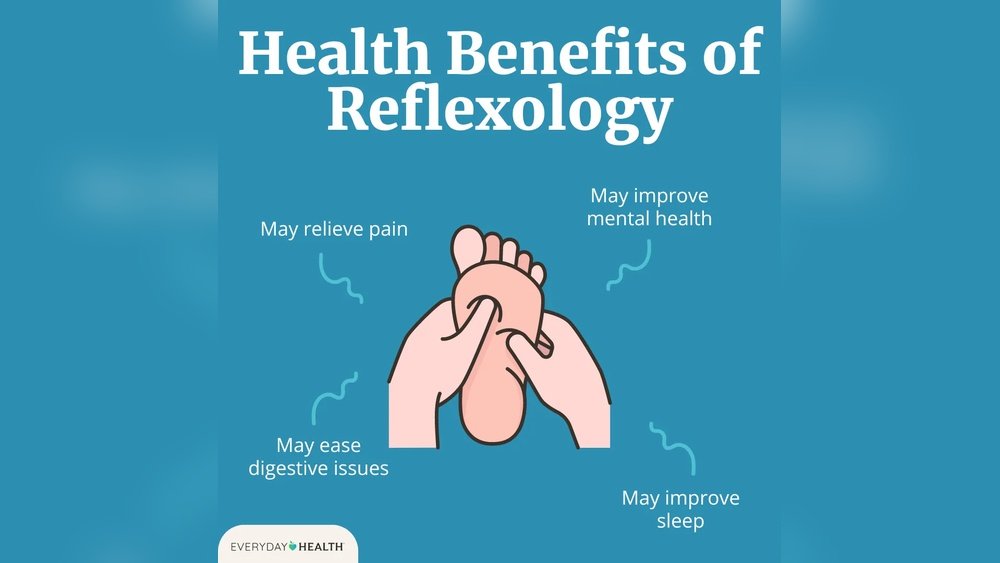
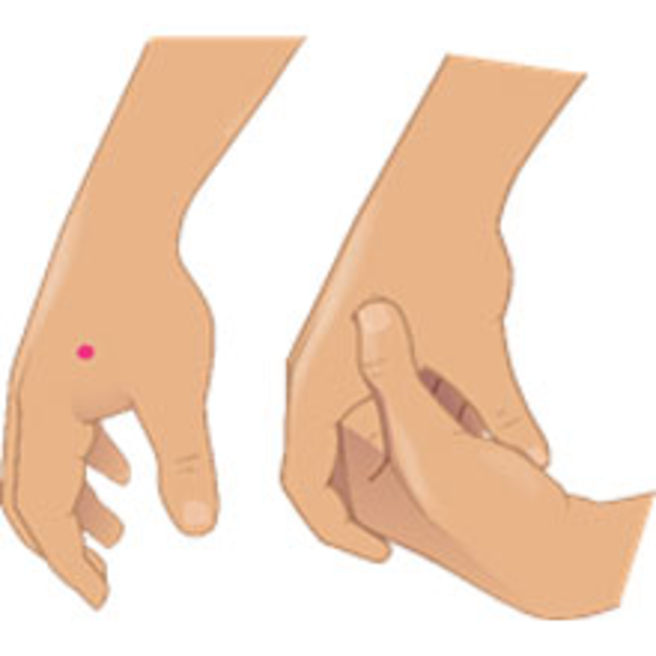
Reflexology is an old practice that focuses on pressure points on the feet, hands, and ears. It aims to improve health by stimulating these points. Many people use reflexology to ease stress and promote relaxation. This can help with sleep problems by calming the body and mind. Understanding the basics of reflexology can show how it might support better sleep.
Reflexology uses tools or hands to press specific spots. These spots connect to different body parts. Stimulating them can improve energy flow and balance. The gentle pressure helps to release tension and promote calmness. This makes it easier to fall asleep and stay asleep.
How Reflexology Works
Reflexology works by applying pressure to certain points. These points are linked to organs and systems in the body. Pressing these points sends signals to the nervous system. This may reduce stress and improve circulation. Relaxed muscles and better blood flow support restful sleep. Reflexology tools help apply steady, even pressure. This can increase the benefits of the practice.
Targeted Reflex Points For Sleep
Some reflex points are known to help with sleep. The big toe, for example, connects to the brain and head. Pressing it can calm the mind. The inner edge of the foot links to the spine and nervous system. Massaging this area may reduce tension. The heel connects to the lower back and pelvis, easing discomfort that can disrupt sleep. Using reflexology tools on these points can improve relaxation and sleep quality.
Types Of Reflexology Tools
Reflexology tools come in many types. Each tool offers a unique way to stimulate pressure points. These tools help relax the body and may improve sleep quality. Choosing the right tool depends on personal comfort and needs.
Manual Tools
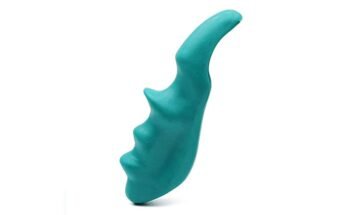
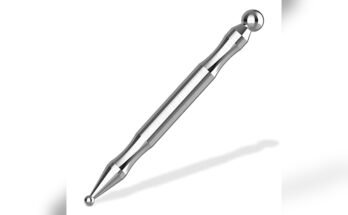
Manual reflexology tools are simple and easy to use. They often have small knobs or points for pressing specific areas. These tools allow focused pressure on sleep-related points. They do not need batteries or electricity. Many people find manual tools calming and effective.
Electronic Devices
Electronic reflexology devices use vibrations or pulses. These devices help increase blood flow and reduce tension. Some models offer adjustable settings for pressure and speed. They can target sleep-related pressure points with precision. Electronic tools are convenient for regular use at home.
Foot Massage Rollers
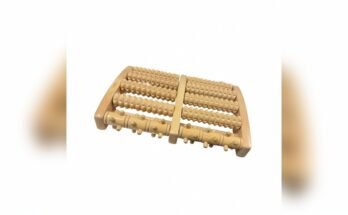
Foot massage rollers are popular for reflexology beginners. Rollers stimulate many points on the feet at once. They help relax muscles and relieve stress. Using a foot roller before bed can soothe the body. Rollers are affordable and easy to carry anywhere.

Effectiveness Of Reflexology Tools For Sleep
Reflexology tools target specific points on the feet and hands. These points connect to different parts of the body. Using these tools may help relax the body and mind. Relaxation often leads to better sleep. Many people turn to reflexology tools as a natural way to ease sleep problems. But how effective are these tools? Let’s explore the available evidence and user feedback.
Scientific Studies And Evidence
Some studies show reflexology can reduce stress and improve sleep quality. Stress is a common cause of sleep problems. By lowering stress, reflexology tools may help users fall asleep faster. Research on reflexology tools is limited but promising. Small trials often report better sleep after reflexology sessions. More large-scale studies are needed for clear proof. Still, early results suggest reflexology tools could support sleep health.
User Experiences And Testimonials
Many users share positive stories about reflexology tools. They say these tools help calm their minds before bed. Some report falling asleep more easily and waking less during the night. Users often mention a soothing feeling in their feet or hands. This comfort can create a peaceful bedtime routine. Not all experiences are the same, but many find reflexology tools helpful for sleep.
Using Reflexology Tools At Home
Using reflexology tools at home offers a simple way to ease sleep troubles. These tools help apply gentle pressure to specific points on the feet or hands. This process may calm the mind and body, preparing you for restful sleep.
Many people find reflexology tools easy to use. They require no special skills or long sessions. Just a few minutes before bed can make a difference in how well you rest.
Step-by-step Guide
Start by choosing a quiet, comfortable place to sit. Hold the reflexology tool in your hand. Begin with the foot or hand that feels tense or tired.
Press the tool gently against the reflex points. Move it in small circles or back and forth. Spend about 1-2 minutes on each foot or hand.
Focus on areas like the heel, arch, and the ball of the foot. These spots relate to relaxation and stress relief. Breathe deeply and stay calm during the process.
Finish by rubbing your feet or hands with your palms. This helps spread the calming effect across your body. Use the tool daily for better results.
Best Practices For Maximum Benefit
Use the reflexology tool regularly, ideally before bedtime. Consistency supports better sleep patterns over time. Avoid pressing too hard; gentle pressure works best.
Keep your feet and hands clean before using the tool. This prevents discomfort and helps the tool glide smoothly. Drink water after sessions to help your body relax.
Wear comfortable clothes to avoid distractions during reflexology. Sit in a relaxed position with good support. Listen to soft music or stay in silence to enhance calmness.
Stop using the tool if you feel pain or discomfort. Consult a healthcare provider for ongoing sleep problems. Reflexology tools can support sleep but do not replace medical advice.
Precautions And When To Seek Help
Using reflexology tools for sleep problems may offer relief. Still, it is important to take precautions. Some people might experience side effects. Knowing when to seek professional help ensures safe use. Below are key points to consider.
Possible Side Effects
Reflexology tools apply pressure to specific points on the feet or hands. This pressure can sometimes cause soreness or mild pain. Some users may feel redness or swelling in the treated areas. Rarely, reflexology can lead to dizziness or nausea. Stop using the tools if discomfort lasts more than a day. Avoid pressing too hard to reduce risks.
Consulting Healthcare Professionals
Consult a doctor before starting reflexology, especially if you have health issues. People with diabetes, nerve damage, or circulation problems should be cautious. Pregnant women should seek advice before using reflexology tools. A healthcare professional can guide safe use and rule out other sleep disorder causes. Reflexology should not replace medical treatment for serious sleep problems.
Complementary Techniques For Better Sleep
Sleep problems affect many people worldwide. Simple techniques can improve sleep quality. Complementary methods support the body’s natural ability to rest. These approaches often work well with reflexology tools. Combining techniques can create a peaceful bedtime routine.
Relaxation Methods
Relaxation techniques help calm the mind and body. Deep breathing slows the heart rate and eases tension. Gentle stretches release muscle tightness before sleep. Meditation clears racing thoughts and promotes calmness. Aromatherapy with lavender or chamomile soothes the senses. These methods prepare the body for restful sleep.
Sleep Hygiene Tips
Good sleep hygiene creates the right environment for rest. Keep a consistent sleep schedule every night. Avoid screens and bright lights before bedtime. Make the bedroom cool, dark, and quiet. Limit caffeine and heavy meals in the evening. These habits support natural sleep cycles and improve rest.

Frequently Asked Questions
Can Reflexology Tools Improve Sleep Quality Naturally?
Yes, reflexology tools stimulate pressure points linked to relaxation. This can reduce stress and promote better sleep patterns naturally.
How Do Reflexology Tools Target Sleep-related Pressure Points?
Reflexology tools apply gentle pressure to feet and hands. These points correspond to the nervous system, helping to calm the mind and body for sleep.
Are Reflexology Tools Effective For Chronic Insomnia Relief?
Reflexology tools can complement insomnia treatments by easing tension. However, they work best combined with lifestyle changes and professional advice for chronic cases.
How Often Should I Use Reflexology Tools For Better Sleep?
Using reflexology tools daily, especially before bedtime, can enhance sleep. Consistency helps maintain relaxation and supports a healthy sleep cycle over time.
Conclusion
Reflexology tools offer a gentle way to ease sleep troubles. They help relax your body and calm your mind before bed. Using these tools regularly may improve your sleep quality over time. Everyone’s experience can be different, so try what feels best for you.
Small steps can lead to better rest and a brighter day. Give reflexology tools a chance to support your sleep naturally.