Are you struggling with the constant itch and discomfort of eczema? You might have heard about paraffin wax bath machines as a soothing option, but does it really help with your skin condition?
Imagine a simple, warm treatment that could ease your dryness and irritation. You’ll discover how paraffin wax baths work, whether they’re safe for eczema, and how they might fit into your skincare routine. Keep reading to find out if this warm, comforting therapy could be the relief you’ve been searching for.
How Paraffin Wax Baths Work
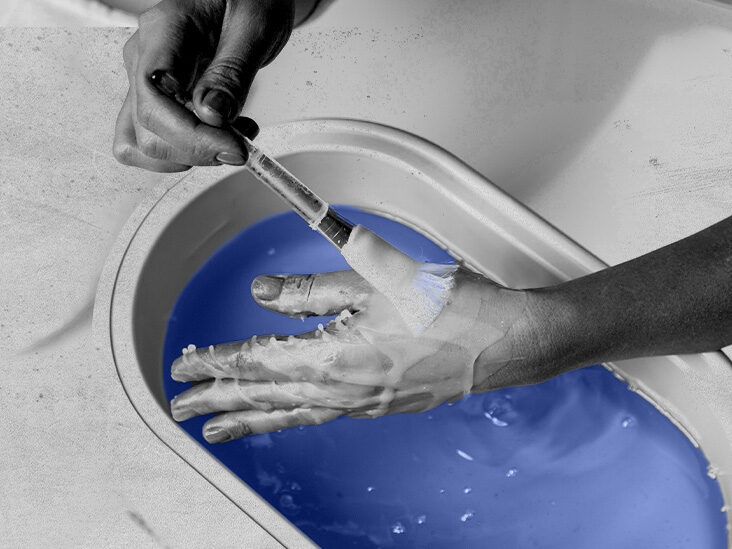
Paraffin wax baths use warm, melted wax to treat skin conditions like eczema. The wax melts at a low temperature, making it safe and soothing for sensitive skin. This method helps to soften and moisturize dry, itchy patches.
The wax creates a warm, protective layer on the skin. This layer holds moisture in and helps reduce irritation. It also increases blood flow to the treated area, which can speed up healing.
Heat And Moisture Benefits
The warm wax raises skin temperature gently. Heat helps relax muscles and opens pores. This allows the skin to absorb moisture better. Moist skin is less likely to crack or itch. The wax seals in moisture, improving skin softness. This is important for eczema, which causes dry skin.
Application Process
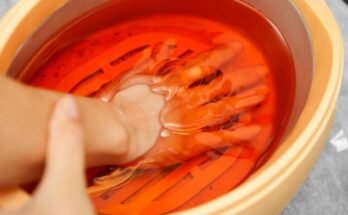
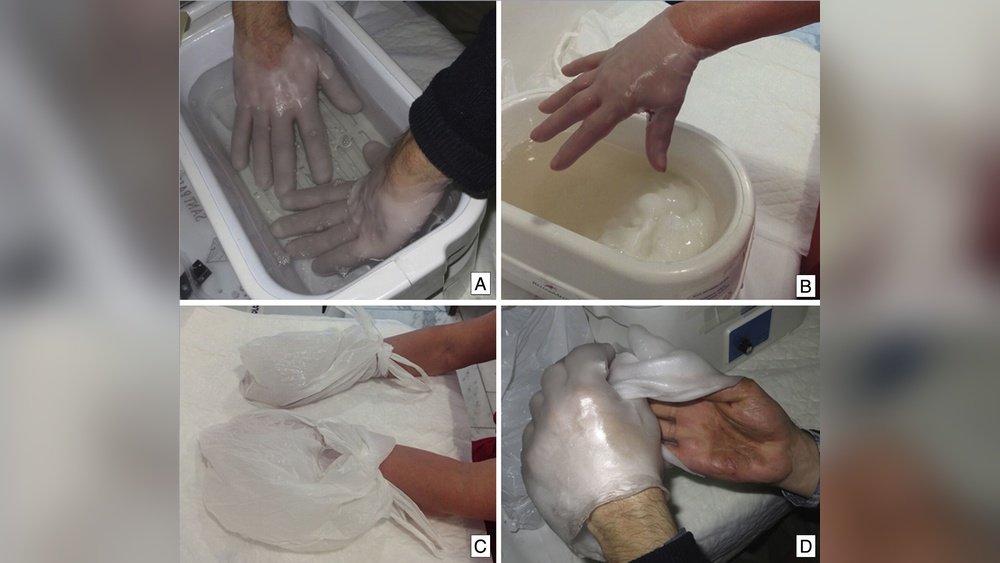
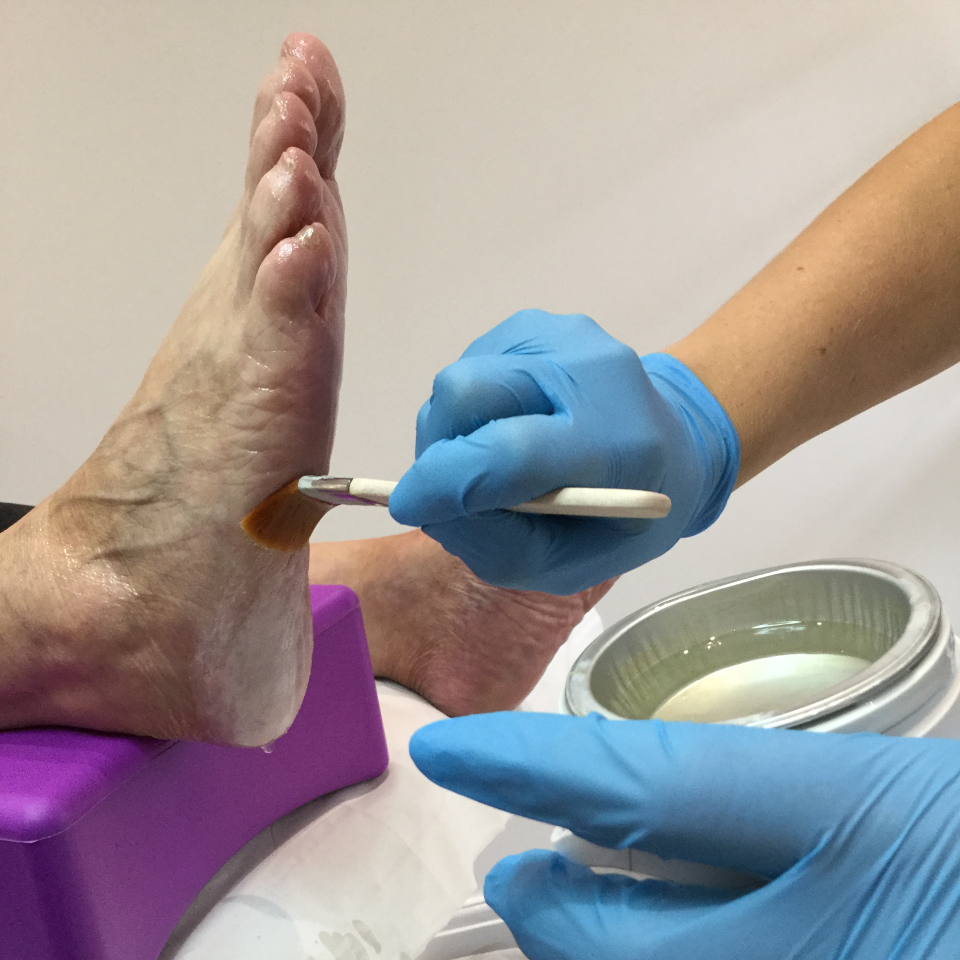
The skin is cleaned before applying wax. Then, hands or feet dip into melted wax several times. Each layer cools and hardens quickly. This builds a thick wax coating. After dipping, wrap the area in plastic. Cover with a towel for 15-20 minutes. The heat stays trapped, helping moisture soak in. Finally, peel off the wax gently.
Safety Measures
Use wax at the right temperature, about 125°F (51°C). Too hot wax can burn sensitive skin. Test wax on a small skin patch first. Avoid using wax on broken or infected skin. Clean the machine regularly to prevent bacteria. Always follow the manufacturer’s instructions. Consult a doctor before starting treatment for eczema.

Eczema Symptoms And Skin Needs
Eczema affects the skin in many ways. Understanding eczema symptoms and skin needs helps manage the condition better. The skin becomes dry, itchy, and sensitive. These changes cause discomfort and sometimes pain. Knowing what eczema looks like and what the skin needs is important for care.
Common Signs Of Eczema
Red or brownish patches appear on the skin. These patches often itch a lot. The skin may crack or bleed from scratching. Small, raised bumps can form and leak fluid. Thickened or scaly skin may develop over time. These signs can come and go, varying in severity.
Skin Sensitivity And Dryness
Eczema skin often feels very dry and rough. It loses moisture quickly and feels tight. The skin barrier weakens, letting irritants in. This causes more redness and itching. Sensitive skin reacts strongly to soaps and fabrics. Moisturizing regularly helps keep the skin soft and calm.
Triggers To Avoid
Certain triggers make eczema worse. Harsh soaps and detergents irritate the skin. Hot water strips away natural oils. Stress can cause flare-ups. Allergens like dust, pollen, or pet dander may trigger symptoms. Avoiding these triggers helps reduce eczema problems.
Paraffin Wax And Eczema Relief
Paraffin wax baths offer a warm, gentle treatment for dry and irritated skin. This method can help soothe eczema symptoms by creating a protective layer on the skin. The wax locks in moisture and softens rough patches, making skin feel smoother and less tight.
The heat from the wax also helps improve blood flow. This can reduce discomfort and promote healing in affected areas. Many people with eczema find relief by using paraffin wax baths regularly.
Moisturizing Effects
Paraffin wax is rich in oils that deeply hydrate the skin. When the warm wax covers the skin, it seals in moisture. This reduces dryness and prevents skin from cracking. Moist skin is less likely to itch and flare up.
Reducing Itch And Inflammation
The heat from the wax bath can calm irritated skin. This warmth lowers inflammation and eases itching. It gives temporary relief from the discomfort eczema causes. Regular use may help keep flare-ups under control.
Potential Soothing Properties
Paraffin wax baths create a soothing feeling on the skin. The gentle warmth relaxes tense muscles and nerves. This can reduce the urge to scratch and improve overall skin comfort. Many users report feeling calmer after treatment.
Scientific Research And Evidence
Scientific research plays a vital role in understanding how paraffin wax baths affect eczema. It helps clarify whether these treatments offer real benefits or not. This section explores current studies, highlights limitations, and shares expert opinions on paraffin wax for eczema relief.
Studies On Paraffin Wax For Skin Conditions
Several studies have tested paraffin wax on dry and irritated skin. Results often show improved skin softness and moisture. Some research suggests paraffin wax can reduce itching and inflammation. These effects may help soothe eczema symptoms. Yet, most studies focus on general skin conditions, not eczema specifically.
One small study reported that paraffin wax baths helped reduce skin cracks and discomfort. Another study found that wax treatments increased skin hydration. This is important since dry skin worsens eczema. Still, large-scale research on eczema and paraffin wax is limited.
Limitations And Gaps
Many studies have small sample sizes and short treatment periods. This limits the strength of their conclusions. Few studies compare paraffin wax baths directly to other eczema treatments. Researchers also note variability in wax temperature and application methods. These factors may affect outcomes. More controlled studies are needed to confirm benefits for eczema patients.
There is little evidence about long-term effects of paraffin wax on eczema. Risks such as skin irritation or burns need further study. The lack of standard guidelines for using paraffin wax in eczema care creates uncertainty.
Expert Opinions
Dermatologists often see paraffin wax baths as a supportive skin care tool. They recommend it mainly for moisturizing dry, cracked skin. Experts caution that paraffin wax should not replace prescribed eczema treatments. Many advise using wax baths alongside moisturizers and medications.
Some specialists highlight potential benefits in easing discomfort and improving skin texture. Others urge caution, especially for people with sensitive or broken skin. Overall, experts agree more research is necessary to fully understand paraffin wax’s role in eczema care.
Choosing The Right Paraffin Wax Bath Machine
Choosing the right paraffin wax bath machine is important for safe and effective use. This device helps soften skin and may ease eczema symptoms by adding moisture. A good machine heats wax evenly and keeps the temperature safe. Understanding key features helps pick a machine that fits your needs and budget.
Features To Look For
Check if the machine melts wax quickly and keeps it warm. Adjustable temperature settings are important to avoid burns. A large wax container helps cover hands or feet fully. Look for a device with a timer to control soaking time. Easy cleaning parts make regular use simpler.
User-friendly Designs
Choose a machine that is easy to operate. Clear controls and simple buttons reduce confusion. Lightweight models are easier to move and store. Some machines have lids to keep wax clean and warm. Comfortable hand or foot inserts improve the experience.
Price And Quality Considerations
Compare prices to find a machine that fits your budget. Avoid very cheap options that may break or heat unevenly. Mid-range machines often offer the best balance of price and quality. Read reviews from other users to learn about durability. Investing in a reliable machine ensures better results over time.
Usage Tips For Eczema Patients
Using a paraffin wax bath machine can soothe eczema symptoms. It softens dry skin and reduces itching. Proper use helps avoid irritation and improves comfort. Follow these tips to get the best results safely.
Preparation Before Treatment
Clean your skin gently with mild soap. Dry your hands or feet completely. Avoid using lotions or creams before dipping. Set the wax temperature to a warm, not hot, level. Test a small skin area for sensitivity first.
Frequency And Duration
Limit treatments to two or three times a week. Keep each session short, about 10 to 15 minutes. Long exposure may cause dryness or redness. Watch how your skin reacts and adjust accordingly. Stop use if irritation appears.
Post-treatment Skin Care
Remove wax carefully, without pulling on the skin. Apply a gentle moisturizer right after the bath. Use products made for sensitive or eczema-prone skin. Avoid harsh soaps or scrubbing for several hours. Keep skin hydrated to maintain softness.
Precautions And When To Avoid
Paraffin wax bath machines can offer relief, but they require care. Knowing the precautions helps avoid problems. Some people should avoid using these machines. Understanding risks and consulting experts is important for safe use.
Possible Side Effects
Paraffin wax may cause skin irritation or redness. Some users feel itching or burning after use. Allergic reactions can happen but are rare. Overheating the wax can cause burns. Use caution to keep the temperature safe.
When Paraffin Wax Is Not Recommended
Do not use paraffin wax baths on broken or infected skin. Avoid if you have severe eczema flare-ups. People with poor blood flow should skip paraffin treatments. Diabetics need extra care to prevent skin damage. Avoid use if you have nerve damage or sensitivity issues.
Consulting Healthcare Providers
Talk to a doctor before starting paraffin wax therapy. A healthcare provider can check if it suits your skin condition. They can suggest safer ways to use the machine. Follow medical advice to prevent worsening eczema. Professional guidance helps achieve the best results safely.
Frequently Asked Questions
Can Paraffin Wax Baths Soothe Eczema Symptoms?
Paraffin wax baths can help soothe eczema by moisturizing dry skin. The warm wax opens pores and improves skin hydration. It may reduce itching and inflammation temporarily. However, it should be used alongside prescribed treatments for best results.
How Often Should I Use Paraffin Wax For Eczema?
Using a paraffin wax bath 2-3 times a week is generally safe. Avoid daily use to prevent skin irritation. Always consult a dermatologist before starting regular treatments, especially if eczema is severe or infected.
Are Paraffin Wax Baths Safe For Sensitive Eczema Skin?
Paraffin wax baths can be safe if the wax is clean and temperature controlled. Test a small skin area first to check for reactions. Avoid if you have open wounds or severe eczema flare-ups to prevent irritation.
Can Paraffin Wax Baths Replace Eczema Medication?
Paraffin wax baths should not replace prescribed eczema medications. They provide temporary relief but do not treat underlying causes. Always follow your healthcare provider’s advice for managing eczema effectively.
Conclusion
Paraffin wax bath machines may soothe eczema symptoms by moisturizing skin. They help reduce dryness and ease itching for some people. Always test a small skin area first to avoid irritation. Using the machine regularly might improve skin softness and comfort.
Still, it does not replace medical advice or treatment. Consult a doctor before starting any new skin care routine. Try it carefully, and see if it works for your eczema. Simple steps can bring gentle relief and better skin health.