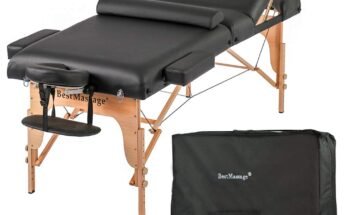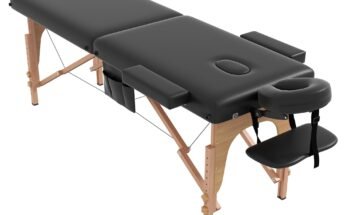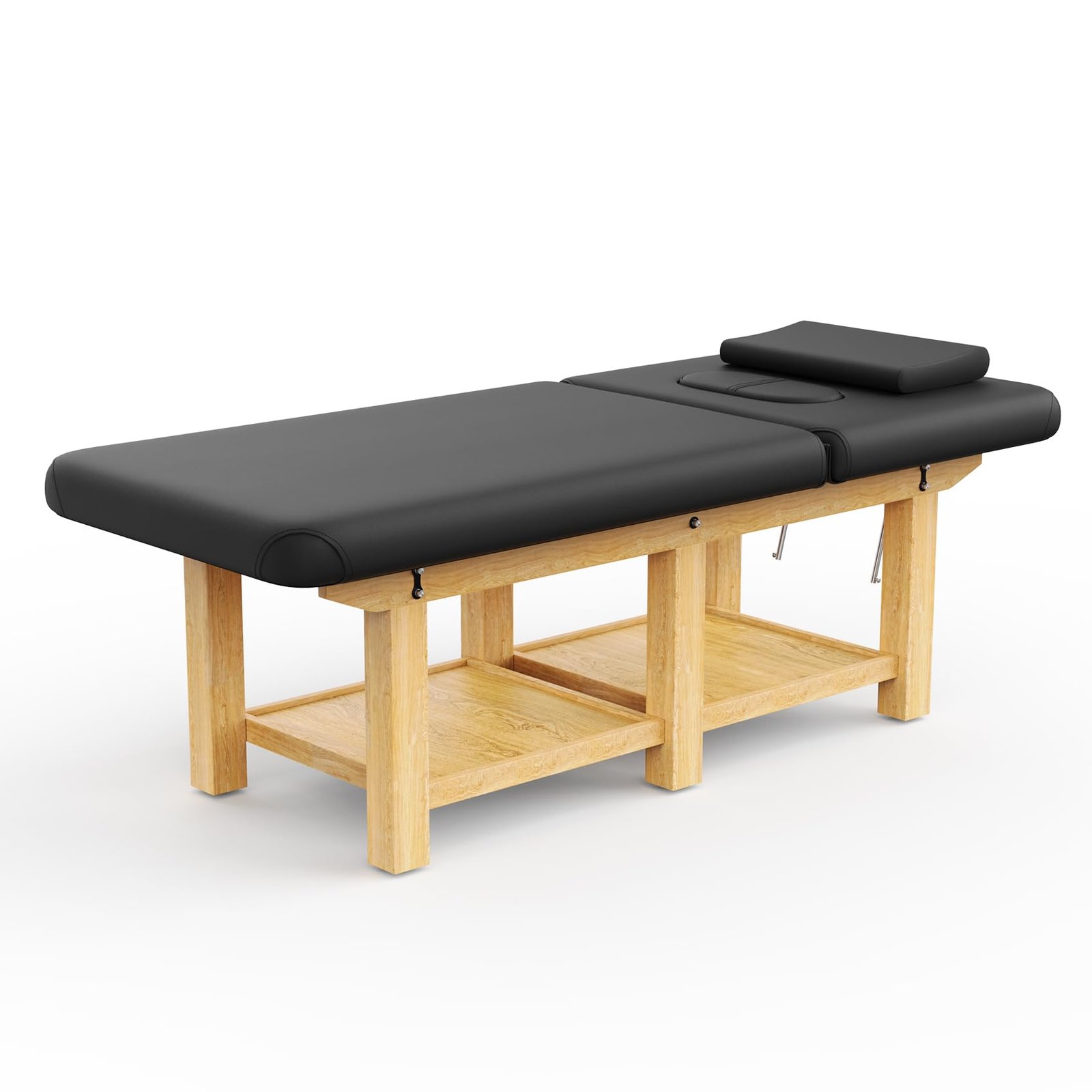
Yes — many massage tables can be used for physical therapy when chosen and adjusted correctly.
I have worked with clinicians, clinic owners, and equipment makers for years, testing tables and treating patients in clinics and home visits. This article explains whether Can massage tables be used for physical therapy, when they work well, what limits them, and how to pick or adapt a table to meet clinical needs. Read on for clear, practical advice based on hands-on experience and industry best practices.
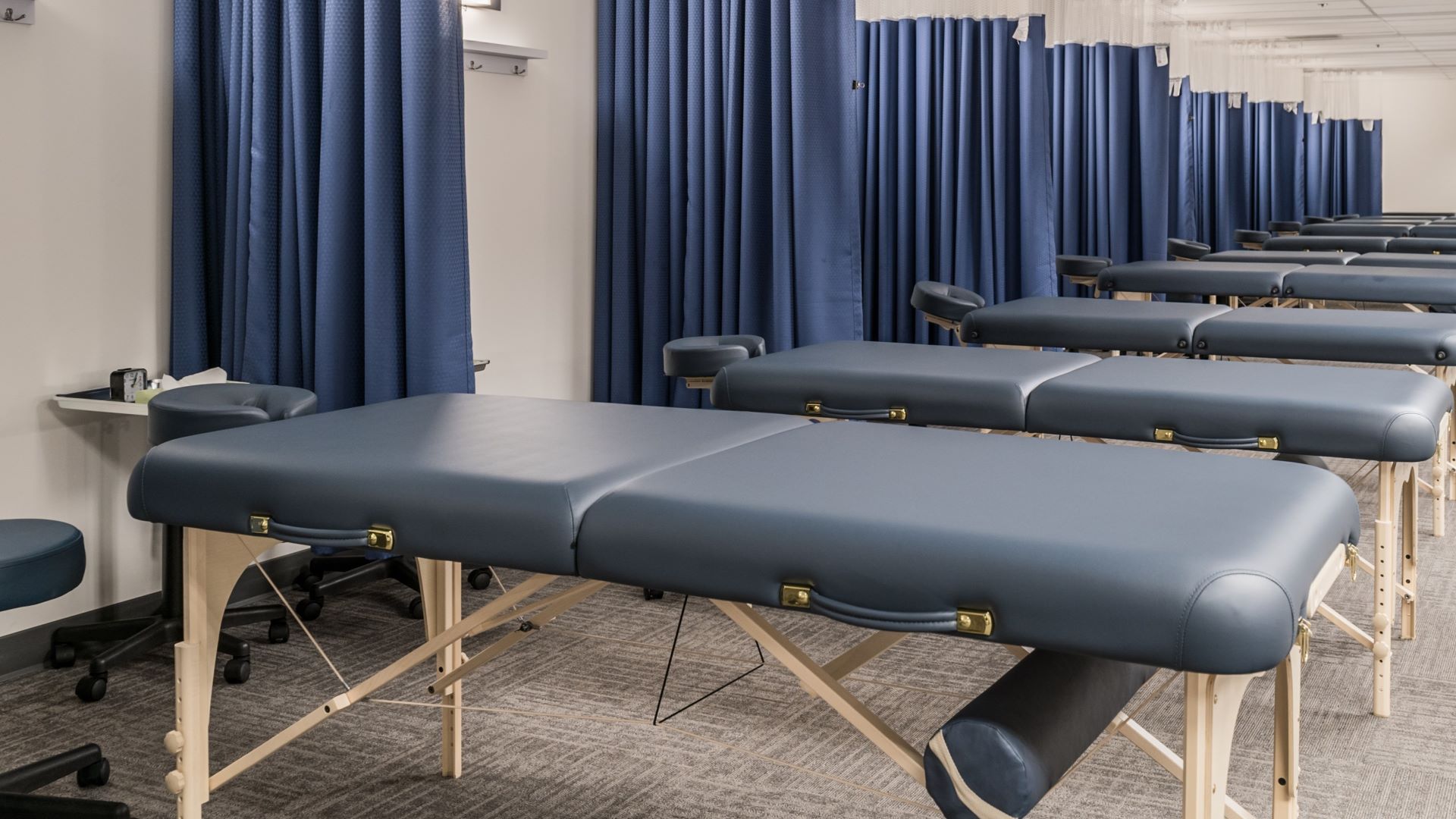
How massage tables compare to physical therapy tables
Many therapists ask, "Can massage tables be used for physical therapy?" The short, practical answer is yes, in many cases. A massage table can support manual therapy, soft-tissue work, and basic exercise sessions.
Massage tables are often lighter and less feature-rich than dedicated physical therapy tables. Physical therapy tables tend to be sturdier, have electric height adjustment, and offer sections that tilt or drop for specific treatments. Can massage tables be used for physical therapy if you need lifting, traction, or complex positioning? Not always, but they can be a safe, cost-effective option for a large share of common treatments.
- Key differences to know
- Stability and load capacity: Physical therapy tables usually support heavier loads and dynamic movement.
- Adjustability: PT tables often have electric or hydraulic height adjustment and multi-section tops.
- Accessories: PT tables come with straps, tilt features, and more durable upholstery.

Benefits of using massage tables for physical therapy
Can massage tables be used for physical therapy and still deliver good results? Yes, and here’s why many clinicians choose them. Massage tables are portable, affordable, and versatile. For home visits, sports fields, and small clinics, massage tables make therapy accessible and mobile.
I have used portable massage tables for dozens of treatment sessions. Patients responded well to manual therapy and mobilization on these tables when proper height and padding were set. They are especially useful for soft tissue work, PROM (passive range of motion), and manual stretching.
- Advantages
- Portability makes visits and events easier.
- Lower cost helps small clinics and solo therapists start practice.
- Simpler design reduces maintenance and repair costs.
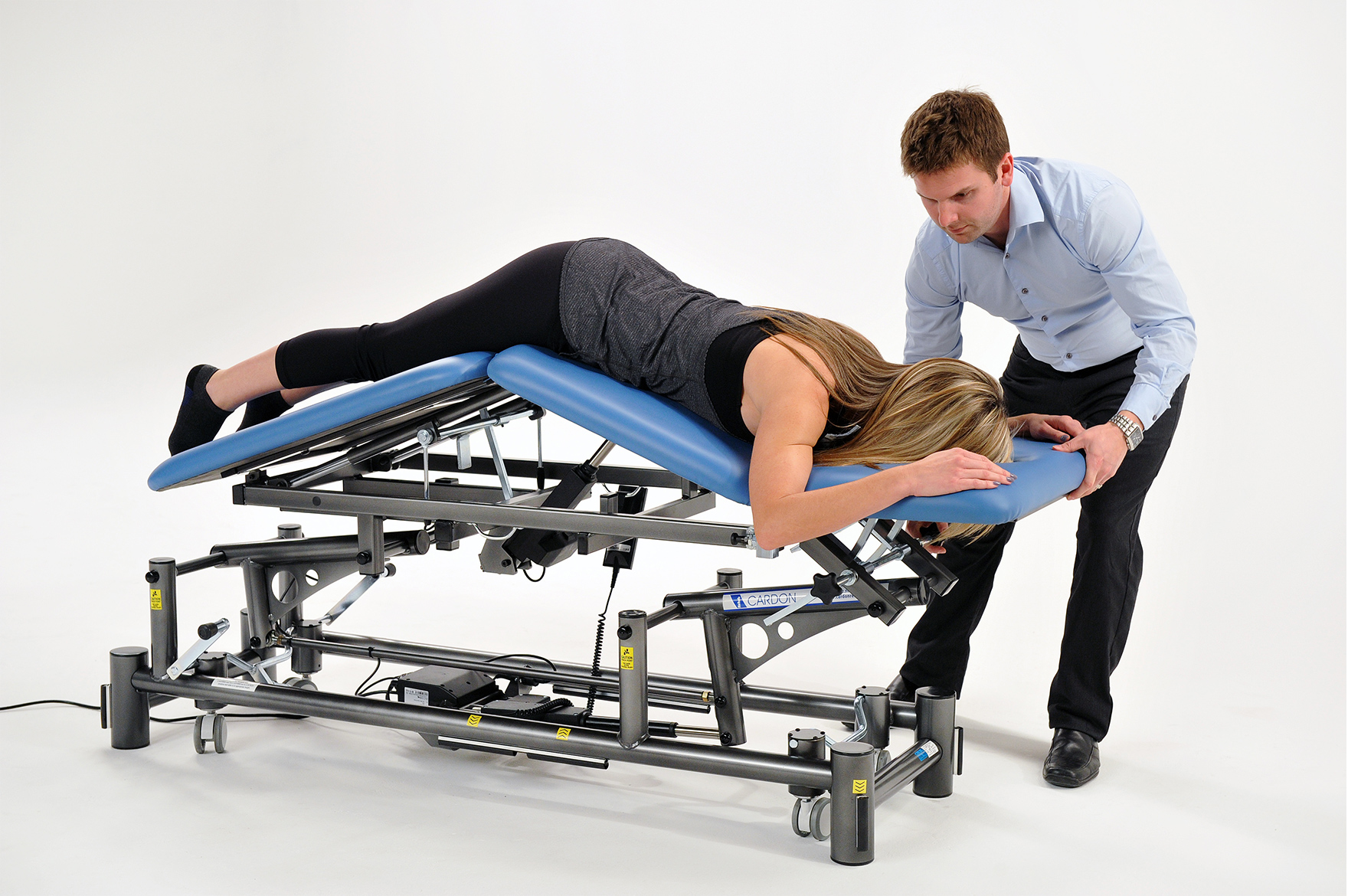
When massage tables are not ideal for physical therapy
Can massage tables be used for physical therapy in every case? No. There are clear limits. If treatment needs involve heavy patients, vigorous resisted exercises, traction, or frequent patient transfers, a massage table may be unsafe or impractical.
Certain patient populations need equipment that meets medical guidelines for weight capacity, stability, and fall prevention. For example, bariatric patients, patients with severe balance problems, or those requiring hoists typically need a clinical-grade physical therapy table. If you plan to perform mechanical traction, deep joint mobilizations with body weight, or repeated patient lifts, choose a PT table.
- When to avoid a massage table
- High patient weight or sudden forceful techniques
- Frequent transfers requiring rails or motorized lifts
- Treatments requiring sustained tilt or traction

Key features to look for when using a massage table for physical therapy
If you decide that massage tables can be used for physical therapy in your work, pick one with the right features. Not all massage tables are equal. Focus on stability, height range, padding, and accessories that improve clinical safety and comfort.
- Recommended features
- High weight capacity (at least 600 lbs working load if possible)
- Wide height range with secure locking or hydraulic lift
- Firm, dense padding that supports joints without bottoming out
- Strong frame materials like reinforced aluminum or hardwood
- Face cradle or headpiece that can be removed or adjusted
Also consider add-ons like bolster sets, side arms, and hip-drop sections, which can extend the table’s usefulness for therapy. Can massage tables be used for physical therapy with these upgrades? Yes — and the upgrades often bridge the gap to clinical function.

Safety, legal, and insurance considerations
Can massage tables be used for physical therapy from a legal and safety standpoint? You must follow local regulations, clinic policies, and professional guidelines. Insurance reimbursement and liability can hinge on whether your equipment meets professional standards.
Documenting that your table meets safety specs and your choice is clinically appropriate helps reduce risk. Ask your professional association or insurer about minimum equipment standards. If you work in a multidisciplinary clinic, coordinate with occupational health and facilities to ensure compliance.
- Safety checklist
- Weight rating exceeds your heaviest patient plus clinician force
- No wobble or loose hardware when loaded
- Non-slip feet and easy-to-clean upholstery
- Regular inspection and maintenance logs

Practical tips and modifications for making massage tables work for therapy
From my clinic work, a few simple changes make massage tables much more therapy-friendly. These tweaks are affordable and raise safety and comfort. Can massage tables be used for physical therapy more effectively with small mods? Absolutely.
- Practical upgrades
- Add a firmer top or an overlayer foam for support during mobilizations.
- Use a mobile step or platform for safer patient entry and exit.
- Attach adjustable side supports or straps for stability during resisted work.
- Use a wedge or bolster system to create limb positioning and pelvic tilt.
When I added a reinforced plywood layer under the padding and used a heavy-duty step, sessions with active rehab and eccentric loading felt safer and more stable. These fixes are low-cost but require careful testing before clinical use.
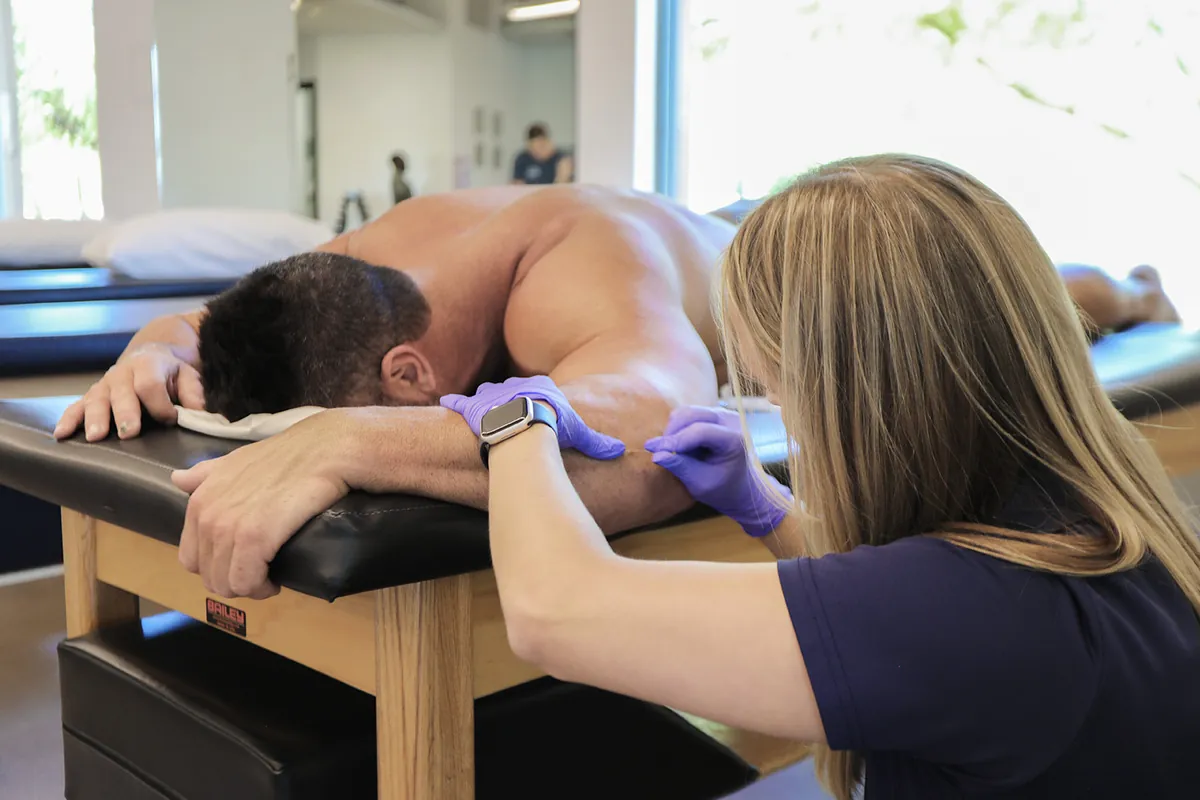
How to choose between a massage table and a physical therapy table
Can massage tables be used for physical therapy in your case? Ask these questions to decide. Match the table to your patient types, treatment techniques, practice setting, and budget.
- Decision checklist
- Who are your patients? (Bariatric, geriatric, sports athletes)
- What techniques do you use? (Manual therapy, traction, exercise)
- Where will you work? (Clinic, home visits, events)
- What is your budget for initial purchase and long-term maintenance?
If you treat a wide range of patients in-clinic and perform lifts or use traction, invest in a PT table. If you do mobile care, soft tissue work, and short-term rehab, a high-quality massage table can be enough. Can massage tables be used for physical therapy in a mobile or budget-limited practice? Yes — with careful selection.

Personal experience and lessons learned
Over years of practice, I tested many tables and learned what works and what doesn’t. I once started with a low-cost portable table and upgraded after two years when my patient mix changed. The upgrade reduced strain on my back and improved patient confidence.
Key lessons I learned:
- Never skimp on stability; a wobbly table undermines trust and safety.
- Test a table with actual patients before full deployment.
- Keep maintenance logs. Loose bolts and worn padding cause incidents.
I share these tips because they saved time and prevented injuries in my practice. Can massage tables be used for physical therapy safely? Yes — when you apply these lessons.

Buying and maintenance guide
Choosing the right table is only part of the job. Regular care keeps a massage table safe and functional for physical therapy use. Follow a simple maintenance routine and replace worn parts promptly.
-
Buying tips
- Try before you buy if possible.
- Verify the weight capacity and warranty.
- Ask about replacement parts and upholstery options.
-
Maintenance routine
- Inspect frame and fasteners monthly.
- Clean upholstery after each patient with recommended cleaners.
- Replace padding or covers when they compress or crack.
Can massage tables be used for physical therapy long-term? Yes — with routine care and timely upgrades.
Frequently Asked Questions of Can massage tables be used for physical therapy
Can massage tables be used for physical therapy safely?
Yes. With the right table, weight capacity, and setup, massage tables can safely support many physical therapy treatments.
Are massage tables suitable for heavy or bariatric patients?
Not always. For bariatric patients, select a table with a very high load rating or choose a clinical bariatric table designed for safety.
Can I perform exercise-based rehab on a massage table?
You can perform some exercise and loaded movements, but high-resistance or dynamic exercises are safer on a dedicated PT bench or floor.
Do portable massage tables meet clinical hygiene standards?
Many do, if you use hospital-grade cleaners and keep covers intact. Check materials and manufacturer cleaning guidelines.
Is height adjustability important for therapists?
Yes. Proper height reduces clinician strain and improves technique. Tables with easy, reliable height adjustment are best.
Conclusion
Massage tables can be used for physical therapy in many settings when selected, modified, and maintained correctly. They work well for manual therapy, soft-tissue treatment, and many rehab tasks, especially for mobile or budget-focused clinicians. Be honest about limits: choose a sturdier physical therapy table when you need higher weight capacity, motorized adjustments, or specialized features.
Takeaway: match equipment to patients and techniques. Test tables in real sessions, invest in key upgrades, and keep safety logs. If this helped you decide, explore table options, try one in person, or leave a comment with your situation to get tailored advice.