Do you often wake up with stiff joints or feel discomfort after sitting for a long time? Joint stiffness can make simple daily tasks frustrating and slow you down.
What if there was a simple, natural way to ease that tightness and help you move more freely? Infrared heat lamps might be the solution you’ve been looking for. You’ll discover how these lamps work, why they could help your joints, and whether they’re worth trying.
Keep reading to find out how to take control of your joint stiffness and feel better every day.
How Infrared Heat Lamps Work
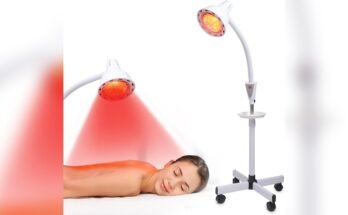
Infrared heat lamps use light waves to warm the body. These waves reach deep into the skin. This warmth helps relax muscles and joints. It can reduce stiffness and improve movement. People use these lamps to ease pain and improve comfort.
The heat comes from infrared radiation, a type of light we cannot see. This radiation creates gentle heat. The heat helps blood flow and eases tight muscles. Infrared heat lamps are simple but effective tools for joint care.
Types Of Infrared Heat Lamps
There are mainly three types of infrared heat lamps. Near-infrared lamps produce the shortest waves. They heat the skin surface and just below it. Mid-infrared lamps go a bit deeper, reaching muscles. Far-infrared lamps create the deepest heat. They can warm tissues under the skin. Each type has different uses for pain and stiffness relief.
Penetration Of Infrared Heat
Infrared waves pass through the skin. Near-infrared heat reaches about 1 to 2 millimeters deep. Mid-infrared heat goes deeper, around 2 to 5 millimeters. Far-infrared heat can reach up to 10 millimeters. This deep warmth helps improve blood flow. It also relaxes muscles and joints. The depth varies with lamp type and power.
Safety Considerations
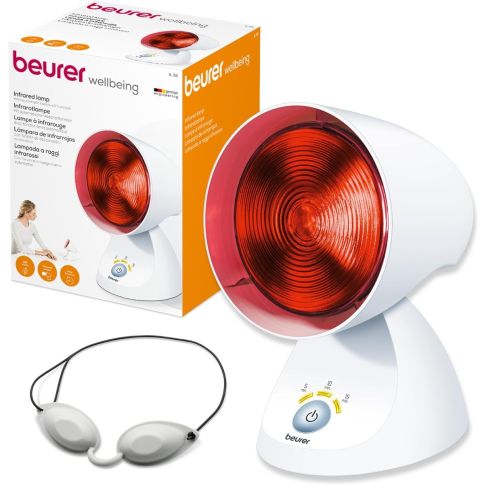
Infrared heat lamps are safe when used properly. Avoid direct eye exposure to prevent damage. Limit use time to avoid skin burns. Keep a safe distance between the lamp and skin. Follow the manufacturer’s instructions carefully. People with certain health conditions should consult a doctor first. Using lamps with care reduces risks and ensures benefits.

Causes Of Joint Stiffness
Joint stiffness can make daily activities hard and painful. Understanding what causes this stiffness helps in managing it better. Many factors can lead to joint stiffness. These include health conditions, inflammation, and blood flow problems. Each plays a key role in how joints feel and move.
Common Joint Conditions
Osteoarthritis is a common cause of joint stiffness. It happens when cartilage breaks down. This causes bones to rub together. Rheumatoid arthritis is another cause. It is an autoimmune disease that affects joints. Both conditions lead to pain and reduced movement. Injuries and overuse can also cause stiffness.
Impact Of Inflammation
Inflammation makes joints swell and hurt. It can come from injury or illness. Swollen joints lose their flexibility. This leads to stiffness, especially after rest. Chronic inflammation can damage joint tissues. Managing inflammation is important to reduce stiffness and pain.
Role Of Circulation
Poor blood flow can cause joint stiffness. Blood carries oxygen and nutrients to tissues. Without good circulation, joints may feel cold and stiff. Aging and some medical conditions reduce blood flow. Improving circulation helps joints stay flexible and healthy.
Benefits Of Infrared Heat For Joints
Infrared heat lamps offer a gentle and natural way to ease joint stiffness. This type of heat penetrates deep into the skin. It reaches muscles, joints, and tissues to provide soothing warmth. People with joint pain often find relief using infrared heat. The therapy supports healing and helps improve joint function over time.
Regular use of infrared heat can reduce discomfort and increase mobility. It also promotes better blood flow and relaxes tight muscles. These effects work together to ease stiffness and support joint health.
Pain Relief Mechanisms
Infrared heat helps reduce pain by calming nerve endings. It lowers inflammation in the affected joints. The warmth also triggers the release of endorphins, natural painkillers in the body. This process decreases pain signals sent to the brain. Many users report feeling less soreness and stiffness after treatment.
Improved Blood Flow
The heat from infrared lamps expands blood vessels. This expansion boosts circulation around joints and muscles. Better blood flow delivers more oxygen and nutrients to damaged tissues. It speeds up the healing process and removes waste products. Improved circulation also helps reduce swelling and stiffness.
Muscle Relaxation Effects
Infrared heat warms muscles deep beneath the skin. Warm muscles relax and become more flexible. This relaxation reduces tension that causes joint stiffness. Looser muscles support easier joint movement and reduce discomfort. Many users find their joints feel lighter and less tight after therapy.
Scientific Evidence And Studies
Scientific studies provide important insights about infrared heat lamps and joint stiffness. Researchers aim to find if this therapy can ease pain and improve movement. Various experiments and trials test its effects on joints and muscles. Understanding these results helps us see how useful infrared therapy might be.
Clinical Trials On Infrared Therapy
Several clinical trials explore infrared heat for joint stiffness. These studies often involve patients with arthritis or muscle pain. Many report reduced pain and better joint flexibility after treatment. Some trials use infrared lamps daily for weeks and track changes. Results show mild to moderate improvement in symptoms for many patients.
Researchers measure pain levels before and after treatment. They also check how well patients can move their joints. Infrared light may increase blood flow, which helps healing. Some studies note less inflammation in treated areas. This supports infrared therapy as a potential aid for stiffness.
Comparisons With Other Treatments
Infrared heat lamps are often compared to heat packs and ultrasound therapy. Each method aims to reduce pain and stiffness. Infrared therapy sometimes offers deeper tissue penetration than surface heat packs. Ultrasound uses sound waves to reach tissues, which differs from light energy.
Studies find infrared lamps can be as effective as other heat treatments. Some patients prefer infrared because it feels gentle and warm. Combining infrared with exercise or medication may improve results. Research suggests infrared therapy works best as part of a wider treatment plan.
Limitations Of Current Research
Many studies on infrared therapy have small sample sizes. This limits how much we can trust the results. Some trials lack control groups or use different treatment times. These differences make it hard to compare findings clearly. More large-scale studies are needed for stronger proof.
Researchers also note variations in lamp types and settings. This affects how infrared light reaches the skin and joints. Long-term effects are not well studied yet. More research can clarify the best ways to use infrared heat lamps for stiffness.
Using Infrared Heat Lamps Safely
Using infrared heat lamps safely is important for joint stiffness relief. These lamps produce warmth that penetrates deep into muscles and joints. This heat helps improve blood flow and reduce pain. Proper use avoids burns and other side effects. Understanding safe practices ensures the best results.
Recommended Treatment Duration
Limit sessions to 15-20 minutes per area. Use the lamp 1-2 times daily. Avoid overuse to prevent skin irritation. Short, regular treatments work better than long, infrequent ones. Always follow the device’s instructions for time limits.
Precautions And Contraindications
Do not use on broken or irritated skin. Avoid if you have poor blood circulation or certain medical conditions. Pregnant women should consult a doctor first. Keep the lamp at least 12 inches from the skin. Never fall asleep with the lamp on.
Combining With Other Therapies
Infrared heat lamps work well with gentle stretching. Use them before physical therapy or exercise to warm joints. Avoid combining with other heat sources at the same time. Cooling treatments can follow heat therapy to reduce swelling. Always discuss new treatments with your healthcare provider.
User Experiences And Testimonials
User experiences provide real insight into the effectiveness of infrared heat lamps for joint stiffness. People share their stories and challenges, helping others understand what to expect. These testimonials highlight both successes and common hurdles.
Success Stories
Many users report feeling less stiffness after using infrared heat lamps regularly. Some say their joints feel warmer and more flexible. A few mention reduced pain and better movement in days or weeks. These positive results encourage others to try infrared therapy for joint care.
Common Challenges
Some users find it hard to keep up with daily sessions. Others feel the heat is too strong or causes skin irritation. A few notice little improvement after the first week. These challenges show the need for patience and proper use to get benefits from infrared heat lamps.
Tips For Best Results
Use the lamp on clean, dry skin for about 15 to 20 minutes. Keep a safe distance to avoid overheating the skin. Consistency matters; try daily sessions for at least two weeks. Listen to your body and adjust the time or heat level if needed. Combining infrared heat with gentle stretching may improve joint flexibility faster.
Choosing The Right Infrared Heat Lamp
Choosing the right infrared heat lamp is important for easing joint stiffness. Not all lamps offer the same comfort or results. Picking a lamp with the right features can make your experience better and safer. This guide helps you find the best one for your needs.
Key Features To Look For
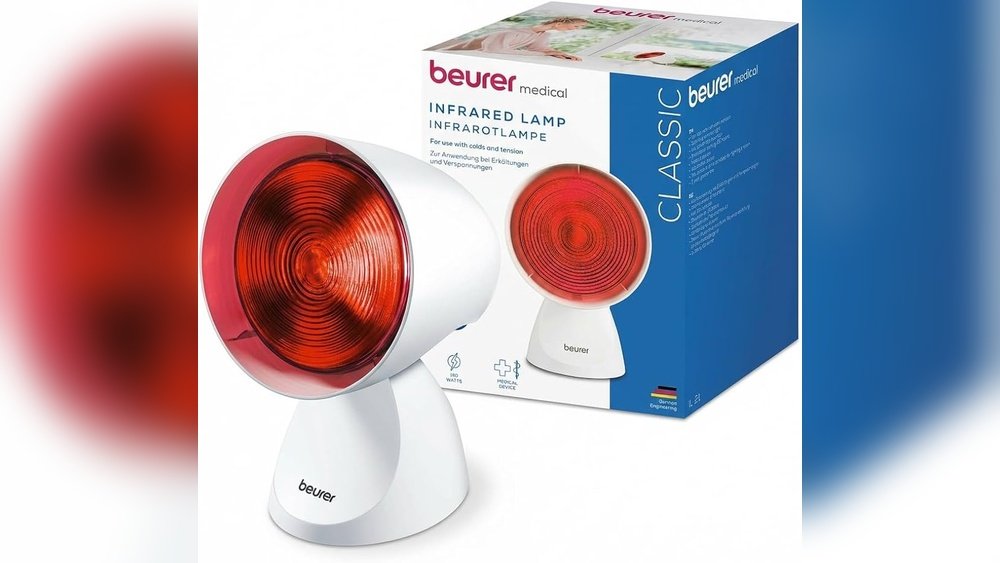
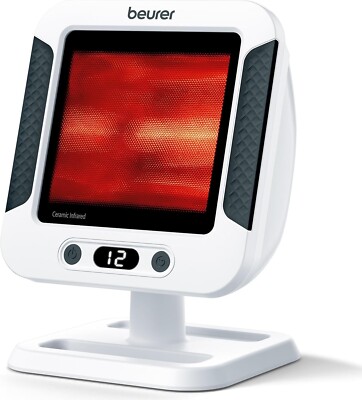
Check the lamp’s heat intensity. It should provide steady, gentle warmth. Adjustable heat settings allow you to control the temperature. A timer helps avoid overuse. Look for lamps with safety features like automatic shut-off. Size and design also matter. Choose a lamp that fits your treatment area.
Price Vs. Quality
Cheap lamps may not last long or heat well. High price does not always mean better quality. Find a balance between cost and durability. Spend on features that improve safety and comfort. Think of it as an investment in your joint health. Avoid very low-priced options that lack good reviews.
Popular Brands
Brands with good reputations often deliver reliable products. Look for those with positive customer feedback. Some known brands focus on health and wellness lamps. They usually offer warranties and good customer service. Choose a brand that stands behind its products. This ensures you get a quality infrared heat lamp.
Frequently Asked Questions
Can Infrared Heat Lamps Reduce Joint Stiffness Effectively?
Infrared heat lamps increase blood flow and relax muscles, which can reduce joint stiffness. They provide deep, soothing heat that eases discomfort and improves flexibility. Regular use may help maintain joint mobility, especially in cold or sedentary conditions.
How Long Should I Use An Infrared Heat Lamp Daily?
For joint stiffness, use an infrared heat lamp for 15 to 20 minutes daily. Avoid overuse to prevent skin irritation or burns. Consistent, moderate sessions provide optimal relief without adverse effects.
Are Infrared Heat Lamps Safe For All Joint Conditions?
Infrared heat lamps are generally safe but may not suit all conditions. Avoid use on open wounds, infections, or severe inflammation. Always consult a healthcare provider before starting infrared therapy for specific joint issues.
Can Infrared Heat Lamps Replace Traditional Joint Pain Treatments?
Infrared heat lamps complement but do not replace traditional treatments. They relieve stiffness and promote healing but should be used alongside medication or physical therapy. Consult your doctor for a combined treatment plan.
Conclusion
Infrared heat lamps may ease joint stiffness by improving blood flow. Warmth helps relax muscles and reduces pain in many cases. Some people find relief after regular use for a few minutes daily. Still, results can vary from person to person.
Always check with a doctor before starting new treatments. Simple methods like this might support your joint health. Small steps often make a big difference. Try and see if it works for you.