Many people reach for a heating pad when they feel pain in their back, neck, or joints. The warmth can feel soothing, and sometimes it even seems to help the pain melt away. But does this comforting heat actually reduce inflammation, or does it just mask the symptoms? This is a question that matters to anyone dealing with injuries, arthritis, or any condition where swelling is a problem. Understanding what heating pads really do—and what they cannot do—can help you make better choices for your health.
In this article, you’ll discover how heating pads work, what science says about heat and inflammation, and when to use heat or cold for best results. We’ll look at different types of inflammation, the role of blood flow, and common mistakes people make with heating pads.
You’ll also see what experts recommend, learn about risks, and get answers to common questions. By the end, you’ll know whether a heating pad can help with inflammation—or if you should look for other solutions.
What Is Inflammation?
Inflammation is your body’s natural response to injury or infection. When you hurt yourself or get sick, your immune system sends extra blood, fluid, and immune cells to the area. This causes redness, heat, swelling, and pain. The goal of inflammation is to protect your body and start the healing process.
There are two main types of inflammation:
- Acute inflammation: This is short-term and happens after an injury, like a sprained ankle. It usually lasts a few days to a week.
- Chronic inflammation: This is long-term and can last for months or years. It’s common in diseases like arthritis, autoimmune conditions, or even heart disease.
Inflammation is not always bad. In fact, it helps your body heal. But too much inflammation or inflammation in the wrong place can cause problems.
How Do Heating Pads Work?
Heating pads are simple devices that produce heat and deliver it to your skin and tissues. There are different types:
- Electric heating pads: Plug into the wall and let you control the temperature.
- Microwavable pads: Filled with gel, beads, or grains that hold heat after being warmed in a microwave.
- Chemical heat packs: Use a chemical reaction when you break or shake them.
When you put a heating pad on your body, the heat travels into your skin and underlying muscles. This causes blood vessels to widen (vasodilation), bringing more blood to the area. The result is often a relaxing, soothing feeling.
Here’s a quick comparison of common heating pad types:
| Type | How It Works | Pros | Cons |
|---|---|---|---|
| Electric | Plugs in, steady heat | Adjustable, reusable, consistent heat | Needs outlet, not portable |
| Microwavable | Heated in microwave | Portable, easy to use | Heat fades over time |
| Chemical | Activates by shaking/bending | Very portable, single-use | Not adjustable, disposable |
What Does Heat Do To The Body?
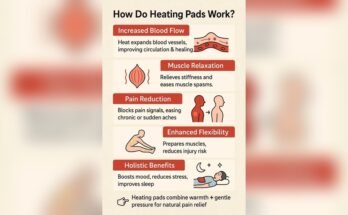
Heat from a pad or pack does several things:
- Increases blood flow: The warmth opens up blood vessels, letting more blood reach the area.
- Relaxes muscles: Heat can make stiff or tight muscles loosen up.
- Reduces pain signals: Warmth can block some pain messages going to your brain.
- Improves flexibility: Heated muscles and joints move more easily.
But heat does not always reduce inflammation. In fact, using heat at the wrong time can sometimes make swelling worse.
Heat Vs. Cold: When To Use Each
Many people mix up when to use heat and when to use cold. Here’s a simple way to remember:
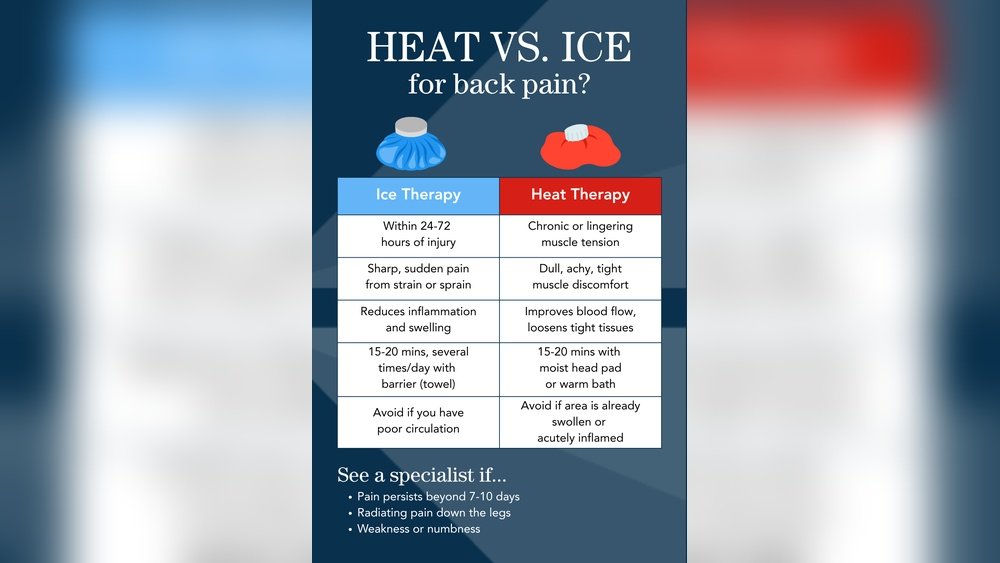
- Cold (ice) is best for new injuries, especially in the first 24-48 hours. It reduces blood flow, swelling, and numbs sharp pain.
- Heat is best for stiff muscles, chronic pain, or after the swelling phase. It relaxes, soothes, and increases flexibility.
Let’s compare the two:
| Therapy | When to Use | Main Effect |
|---|---|---|
| Cold/Ice | First 48 hours after injury | Decreases swelling, numbs pain |
| Heat | Muscle stiffness, chronic pain | Relaxes muscles, increases blood flow |
Key insight: Using heat too soon after an injury can make inflammation worse by bringing extra fluid to the area. Always use cold first for new injuries.
Can Heat Actually Reduce Inflammation?
This is the heart of the question. Let’s look at what research and medical experts say.
Acute Inflammation (new Injuries)
For new sprains, strains, or swelling, heat is not recommended. According to the American Academy of Orthopaedic Surgeons, ice is better in the first days after an injury. The goal is to slow blood flow, reduce swelling, and prevent more damage.
Heating pads can make inflammation worse if used too soon. The extra blood flow and warmth can increase swelling. This is why physical therapists and sports medicine doctors recommend ice first.
Chronic Inflammation (ongoing Conditions)
For long-term conditions like osteoarthritis or muscle tension, heat can be helpful. Chronic inflammation often goes with muscle tightness and joint stiffness. Heat relaxes muscles, increases movement, and may reduce pain.
However, even here, heat does not directly reduce inflammation. It does not remove the immune cells or chemicals that cause swelling. Instead, it helps with pain relief and muscle relaxation. This can make you feel better and move more, which might help healing in the long run.
Scientific Studies
A 2017 review in the “Journal of Clinical Medicine” found that heat therapy improved pain and stiffness in arthritis patients but did not significantly change inflammation markers in the blood. Other studies show similar results: heat helps you feel better, but it doesn’t “shrink” inflammation the way ice can.
So, to answer the main question: Heating pads are not effective at reducing inflammation itself. They help with symptoms—especially pain and stiffness—but are not the best choice for swelling.
Benefits Of Heating Pads
Even if they don’t reduce inflammation, heating pads have real benefits for many people. Here are the main advantages:
- Pain relief: Heat interrupts pain signals and makes you feel more comfortable.
- Muscle relaxation: Tight or cramping muscles loosen under warmth.
- Better joint movement: Stiff joints move more easily when warm.
- Stress reduction: Heat can help you relax mentally as well as physically.
- Improved blood flow: More blood brings nutrients and oxygen, helping some tissues heal.
Non-obvious insight: Many people overlook that heating pads can also help with “referred pain”—pain that starts in one place but is felt in another. For example, heat on your lower back might ease hip pain.
Risks And Precautions
Heating pads are safe if used correctly, but there are some risks:
- Burns: Leaving a heating pad on too long or using it on bare skin can cause burns, especially in people with poor sensation (like diabetes patients).
- Worsening swelling: Applying heat to a fresh injury can increase swelling and slow healing.
- Electrical hazards: Old or damaged electric pads can cause shocks or fires.
To use heating pads safely:
- Always use a cover or towel between the pad and your skin.
- Do not use for more than 15-20 minutes at a time.
- Never use heat while sleeping.
- Do not use on areas with numbness or poor blood flow.
Practical tip: Test the heating pad on your arm before placing it on the injury to check for safe temperature.
Common Mistakes With Heating Pads
Many people make errors that reduce the benefit or even cause harm. Here are common mistakes:
- Using heat too soon: Applying heat right after an injury can worsen inflammation.
- Falling asleep with a heating pad: This can cause burns.
- Using on broken skin: Heat should not be used on open wounds.
- Turning the heat too high: High temperatures do not increase relief and raise the risk of burns.
- Ignoring underlying causes: Relying only on heat without treating the real problem (like infection or injury).
When To See A Doctor
Heating pads can be part of home care, but you should see a healthcare professional if:
- Swelling lasts more than a few days
- Pain is severe or getting worse
- You have numbness, tingling, or loss of function
- There is redness, warmth, and fever (possible infection)
A doctor can help you find the best treatment, which may include medication, physical therapy, or other therapies.
How To Use A Heating Pad Effectively
To get the most from your heating pad, follow these steps:
- Wait at least 48 hours after injury before using heat.
- Set the pad to a low or medium temperature (never high).
- Limit use to 15-20 minutes per session.
- Place a cloth or towel between the pad and your skin.
- Check your skin every few minutes for redness or irritation.
- Use heat before exercise to loosen muscles, or after activity to relax them.
- Alternate with cold packs if you have both swelling and stiffness.
Advanced tip: For chronic conditions, regular short sessions are better than one long session.
Types Of Heating Pads: Which Is Best?
Different types of heating pads suit different needs. Here’s a quick guide:
- Electric pads: Best for home use, adjustable, reusable.
- Microwavable pads: Good for portability, travel, or short-term use.
- Chemical packs: Handy for emergencies or outdoor use.
- Moist heat pads: Add moisture for deeper heat, useful for muscle pain.
- Infrared heating pads: Use infrared light, may penetrate deeper, but more expensive.
Non-obvious insight: Moist heat often penetrates better than dry heat and may be more effective for deep muscle pain.
Alternative Heat Therapies
If a heating pad is not enough, consider these options:
- Warm baths or showers: Can relax the whole body.
- Heated wraps or clothing: Wearable heat for hands, knees, or back.
- Paraffin wax: Used for hands and feet in some physical therapy clinics.
- Infrared saunas: Provide gentle, deep heat for overall relaxation.
Always check with a health provider before trying advanced heat therapies, especially if you have heart problems or poor circulation.
Special Considerations For Different Conditions
Arthritis
People with arthritis often use heating pads for joint stiffness. Heat works best in the morning or before activity. But ice may be better after heavy use or during a flare-up.
Muscle Strains
Heat helps after the initial swelling has gone down (usually after 2-3 days). Cold is better right after the injury.
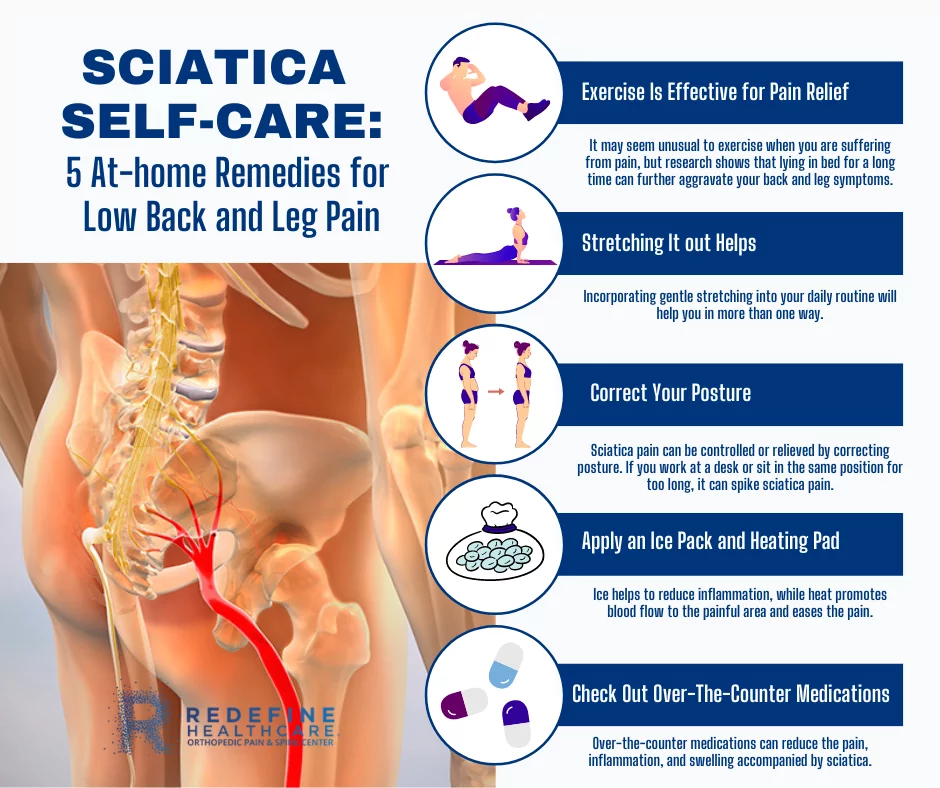
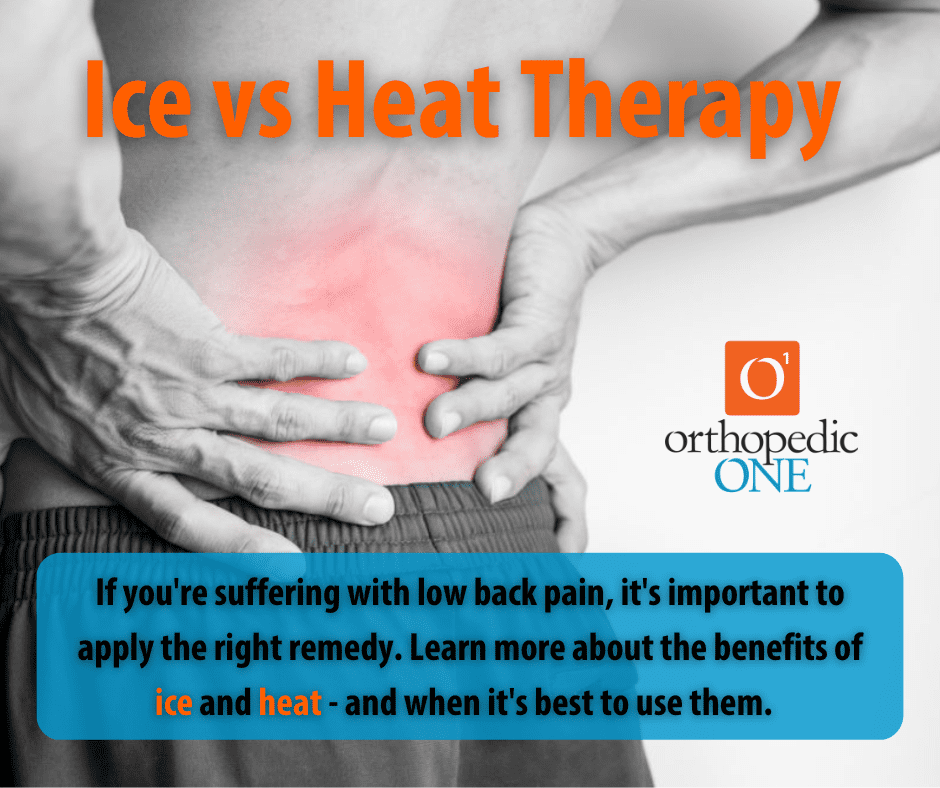
Chronic Back Pain
Heat is a popular home remedy for back pain. Studies show it can help relax muscles, reduce spasms, and improve movement. But it does not fix structural problems like herniated discs.
Menstrual Cramps
Heat is very effective for period pain. A heating pad on the lower abdomen can reduce cramping and discomfort as well as some over-the-counter painkillers.
Fibromyalgia
Some people with fibromyalgia find heat helpful for muscle pain and stiffness. Moist heat (like warm towels or baths) may work better than dry heat.
What The Experts Say
Most experts agree: Heating pads do not directly reduce inflammation, but they have a place in pain management. The American College of Rheumatology recommends heat for osteoarthritis and chronic pain, but not for acute injuries.
A sports medicine article in the British Journal of Sports Medicine explains that “heat increases blood flow and may ease muscle spasm, but does not reduce swelling in the early stages of injury.”
For more detail, you can visit the Mayo Clinic’s page on heat and cold therapy.

Real-life Examples
- Anna, age 42, has rheumatoid arthritis. She uses a heating pad every morning to loosen stiff fingers. It helps her start the day, but she uses ice during flare-ups.
- Mark, age 27, sprained his ankle playing soccer. He used ice for the first two days, then switched to a heating pad for muscle tightness.
- Sara, age 55, has chronic lower back pain. She alternates between a heating pad and stretching exercises. Heat helps her sleep better.
Key lesson: The best results come from using heat and cold at the right times, not just relying on one method.
Summary: Does A Heating Pad Reduce Inflammation?
Heating pads are a useful tool for pain relief, muscle relaxation, and improving movement. However, they do not reduce inflammation in the medical sense. For acute swelling, ice is better. For chronic pain, heat can make you feel better and keep you active, which may help healing over time.
If you have a new injury with swelling, start with ice. For long-term aches and stiffness, try heat. Always use heating pads safely and talk to a healthcare provider if you are unsure.
Frequently Asked Questions
Can I Use A Heating Pad For A Swollen Ankle?
No, it’s best to use ice for a swollen ankle, especially in the first 48 hours after injury. Heat can make swelling worse during this time. Use a heating pad only after the swelling has gone down and you need to relax the muscles.
How Long Should I Use A Heating Pad At One Time?
Most experts recommend using a heating pad for 15 to 20 minutes at a time. Longer sessions can increase the risk of burns or skin irritation. Always check your skin every few minutes.
Is Heat Or Ice Better For Inflammation?
Ice is better for reducing inflammation, especially after a new injury. It slows blood flow and reduces swelling. Heat is better for relaxing muscles and easing chronic pain, but it does not shrink inflammation.
Can Heating Pads Be Used For Arthritis?
Yes, heating pads can help with arthritis stiffness and pain. Use heat in the morning or before activity. During a flare-up or when joints are swollen and hot, use ice instead.
Are There Any Risks To Using Heating Pads?
Yes, possible risks include burns, worsened swelling if used too soon, and electrical hazards with faulty pads. Always use a cover, limit time, and never use on numb or broken skin.
Heating pads are a trusted tool for comfort and pain relief, but they are not a cure for inflammation. Use them wisely, combine with other therapies when needed, and always listen to your body and your doctor.