Can Heating Pads Improve Circulation?
Many people wonder if simple tools like heating pads can really make a difference in how blood moves through the body. If you’ve ever used a heating pad for sore muscles or cramps, you may have felt a gentle warmth spread under your skin. But does this comfort also help your circulation? This article explores the science, benefits, risks, and practical use of heating pads for improving circulation, offering clear answers you can trust.
What Does Circulation Mean And Why Is It Important?
Circulation is the movement of blood through your body. The heart pumps blood, which carries oxygen and nutrients to every cell. Good circulation means your organs and muscles get what they need to work well.
When circulation is poor, parts of your body may feel cold, numb, or weak. You might notice swelling in your feet or slow healing from injuries. Over time, poor circulation can cause bigger problems like nerve damage or even heart trouble.
Healthy blood flow keeps you warm, strong, and able to heal. That’s why many people look for ways to boost their circulation, especially as they age or if they have certain health conditions.
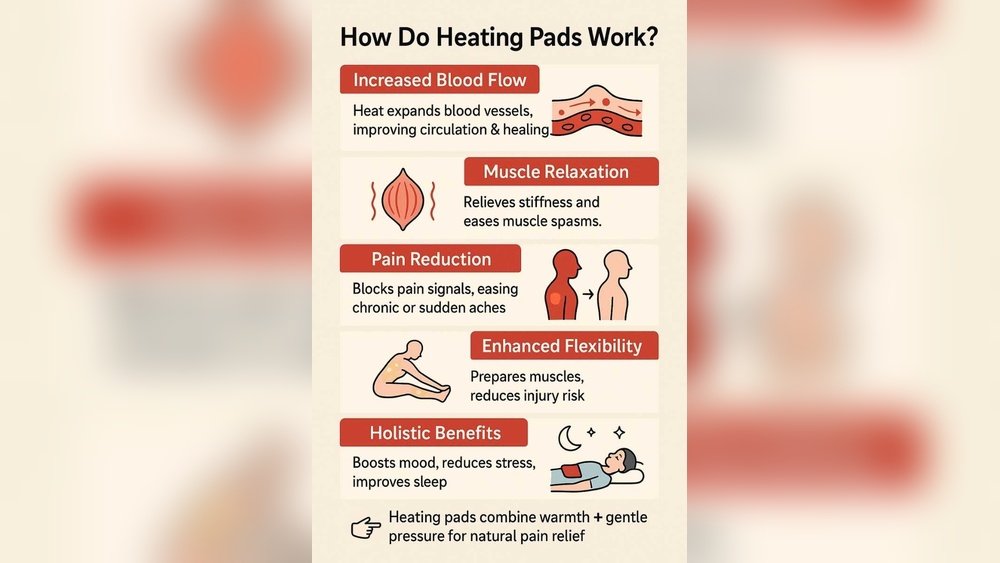
How Do Heating Pads Work?
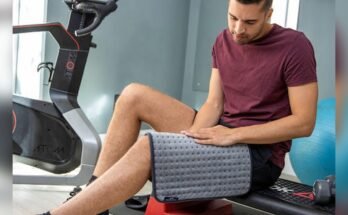
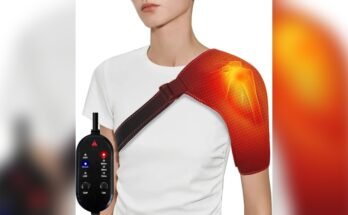
Heating pads are simple devices that give off gentle heat. You can place them on different parts of your body. Here’s how they work:
- Electric heating pads plug into the wall and warm up using wires inside the fabric.
- Microwaveable heating pads contain grains, gel, or clay that hold heat after being microwaved.
- Chemical packs produce heat when you break or shake them, starting a chemical reaction.
When you put a heating pad on your skin, the heat spreads down to your muscles and blood vessels. This effect is called thermotherapy.

The Science Behind Heat And Circulation
Heat causes vasodilation. That means your blood vessels get wider. Wider vessels allow more blood to flow through the area. This isn’t just a guess—many scientific studies confirm it.
For example, a 2016 study in the *Journal of Physiological Sciences* found that local heat applied to the skin can increase blood flow by up to 400% in that area. When blood vessels widen, more oxygen and nutrients reach your tissues.
This speeds up healing and reduces pain.
Key point: Heat draws more blood to the area where it’s applied. That’s why people use heating pads for sore muscles, cramps, and even some injuries.
Benefits Of Improved Circulation From Heating Pads
Better circulation is not just about comfort—it brings real health benefits. Here’s what you can expect when heating pads boost your blood flow:
- Faster healing: More blood means more oxygen and nutrients reach injured or sore tissues. This helps them repair faster.
- Less pain: Heat reduces muscle stiffness and relaxes tight areas, which can lower pain.
- Reduced swelling: Good circulation helps move extra fluid out of swollen areas.
- Relief from cramps: For menstrual cramps or muscle spasms, heat can ease the pain by relaxing the muscles and improving blood flow.
- Increased flexibility: Warm muscles stretch more easily, making it safer to move or exercise.
Non-obvious insight: Many people don’t realize that heat not only brings in fresh blood but also helps remove waste products from muscles. This can lower soreness after exercise or a long day on your feet.
Conditions That Can Benefit From Heating Pads
Some health problems cause poor circulation. Heating pads can help manage symptoms in these cases:
- Peripheral artery disease (PAD): Narrowed arteries reduce blood flow to the legs. Heat can provide temporary relief by opening up vessels.
- Raynaud’s disease: Fingers and toes become very cold due to spasms in small arteries. Gentle heat helps bring blood back.
- Diabetes-related circulation problems: Diabetics often have slower healing and cold feet. Heating pads may help, but caution is needed due to reduced sensation.
- Arthritis: Swollen, stiff joints benefit from increased blood flow and warmth.
Important: Heating pads do not cure these conditions. They only help symptoms for a short time. Always talk to your doctor if you have a serious circulation problem.
How To Use Heating Pads For Better Circulation
Using a heating pad is simple, but there are smart ways to get the most benefit and avoid risks.
- Choose the right type: Electric pads are best for home use. Microwaveable pads are good for travel. Chemical packs are for emergencies or short-term use.
- Set a safe temperature: Use the lowest setting that feels comfortable. Too much heat can burn your skin.
- Limit time: 15-30 minutes is usually enough. Longer sessions may cause overheating or skin damage.
- Place carefully: Put the pad on the area that feels cold, sore, or stiff. Don’t put it over open wounds or broken skin.
- Check your skin: If your skin turns red or feels numb, take a break.
- Stay awake: Don’t fall asleep with the pad on, especially if you have nerve problems or poor sensation.
Common mistake: Many people use heating pads for hours or fall asleep with them on. This can cause burns, especially in older adults or people with diabetes.
Comparing Heating Pads With Other Methods To Improve Circulation
Heating pads are not the only way to boost blood flow. Here’s how they compare to some other common methods.
| Method | How it works | Best for | Key risk |
|---|---|---|---|
| Heating pads | Widens blood vessels with surface heat | Local pain, stiffness, cramps | Skin burns |
| Exercise | Moves blood by working muscles | Whole-body circulation | Injury if overdone |
| Massage | Manual pressure moves blood and lymph | Muscle knots, swelling | Pain if too strong |
| Compression socks | Applies pressure to veins | Leg swelling, varicose veins | Discomfort if too tight |
Insight: Heating pads are best for targeting a small area, not for full-body circulation. Exercise is more effective for overall blood flow.
Types Of Heating Pads And Which To Choose
Today, you can find many kinds of heating pads. Here’s a quick look at the main types:
| Type | How it heats | Reusable? | Best use case |
|---|---|---|---|
| Electric | Plug-in, adjustable temperature | Yes | Home use, long sessions |
| Microwaveable | Heated in microwave, natural fillers | Yes | Travel, quick relief |
| Chemical (disposable) | Mixing chemicals, instant heat | No | On-the-go, emergencies |
| Infrared | Infrared light warms deeper tissues | Yes | Chronic pain, deep muscles |
For most people, electric heating pads offer the best control and ease of use. If you’re sensitive to chemicals or want a natural option, try a microwaveable pad with grains or clay.

Practical Tips For Safe And Effective Use
Heating pads are safe when used carefully, but mistakes can cause burns or skin damage. Here’s how to avoid common problems:
- Never use on broken skin: Heat can slow healing and raise infection risk.
- Keep out of reach of children: Kids may not notice if the pad is too hot.
- Avoid with certain conditions: If you have diabetes, nerve damage, or poor sensation, check with your doctor before using.
- Don’t use under blankets or lie on top: This can trap heat and burn your skin.
- Clean pads as instructed: Dirty pads may hold bacteria.
Non-obvious insight: Always check your heating pad for damage or wear before use. Old pads with frayed wires or leaks are a fire and burn risk.
Who Should Avoid Heating Pads?
While most people can use heating pads safely, some should be extra careful or avoid them:
- People with nerve damage (neuropathy): You may not feel burns until it’s too late.
- People with poor circulation: Ironically, very poor blood flow means you may not feel heat well. Use only with a doctor’s advice.
- Children and elderly: Thinner skin burns faster. Use lower settings and shorter times.
- Pregnant women: Heat on the belly can be risky. Ask your doctor before using.
If you’re unsure, start with a short time and the lowest heat.
What Does Research Say About Heating Pads And Circulation?
Many studies have tested how heat affects circulation. Here are some highlights:
- A study in the American Journal of Physical Medicine & Rehabilitation found that 20 minutes of local heat increased blood flow by 300-400% in the area under the pad.
- Research on menstrual pain shows that heat therapy is as effective as some pain medicines for cramps, likely due to better blood flow and muscle relaxation.
- For chronic low back pain, regular use of heating pads reduced pain and improved movement in several clinical trials.
- In people with diabetes, careful use of low-temperature heating pads improved foot warmth and comfort, but the risk of burns was higher.
You can read more about scientific findings at Wikipedia’s Heat Therapy page.
Caution: Most research focuses on short-term use. There is little evidence that heating pads can fix poor circulation long-term.
How To Tell If Your Circulation Is Improving
After using a heating pad, you might notice:
- Warmer skin: The area feels less cold.
- Pink or slightly red skin: More blood is flowing.
- Less pain or stiffness: Muscles feel looser.
- Improved movement: You can stretch or bend more easily.
If you do not notice any change after several sessions, or if your symptoms get worse, stop using the pad and contact your doctor.
When Heating Pads Might Not Work
Heating pads are great for temporary relief, but they won’t help all problems. If you have a blockage in your arteries, heat may not reach deeper tissues. If swelling is due to a blood clot, heat can make it worse.
Warning signs: If you notice sudden swelling, pain, or coldness in a limb, seek medical help. These could be signs of a blood clot or severe circulation problem that needs urgent care.
Real-life Examples: Who Has Benefited?
Meet Sarah, a 45-year-old office worker. She often had cold feet and mild swelling after sitting all day. Using a heating pad for 20 minutes at night, she noticed her feet felt warmer and less swollen. She combined this with short walks and stretching for best results.
John, age 60, has mild arthritis in his hands. He uses a microwaveable heating pad before gardening. His fingers feel looser and less stiff, letting him work longer with less pain.
Key takeaway: Heating pads work best when used as part of a healthy routine—not as the only solution.
Are There Any Downsides Or Risks?
While heating pads are generally safe, there are some risks:
- Burns: Most common, especially with high settings or long sessions.
- Skin irritation: Some people develop redness or rashes.
- Fire hazard: Old or damaged electric pads can spark.
- Delayed healing: If used on open wounds, heat may slow recovery.
Always use heating pads according to instructions, and never leave them unattended.
Can Heating Pads Replace Other Treatments?
Heating pads are useful, but they are not a cure-all. They should not replace medications, physical therapy, or medical advice.
Here’s when to use a heating pad:
- For mild muscle pain or stiffness.
- As part of a warm-up before stretching.
- For temporary relief from cramps or minor injuries.
But do not use a heating pad as your only treatment if you have:
- Severe or sudden pain.
- Ongoing numbness or weakness.
- Signs of infection or open wounds.
Always check with your healthcare provider for lasting or serious problems.
How To Choose The Best Heating Pad
Choosing the right heating pad depends on your needs. Here’s what to consider:
- Size: Larger pads cover more area, but small pads are easier for hands or feet.
- Heat settings: Adjustable controls give more comfort and safety.
- Auto shut-off: This feature prevents overheating if you forget to turn it off.
- Washable cover: Keeps the pad clean and safe for skin.
- Material: Soft fabric feels better but may not last as long as vinyl or rubber.
Pro tip: Try to buy from a trusted brand and check reviews for safety and durability.
How Much Does A Good Heating Pad Cost?
Prices vary depending on features:
- Basic electric pads: $15–$25
- Large or specialty pads: $30–$60
- Infrared or high-tech pads: $50–$150
Cheaper pads may lack safety features or break faster. Investing in a better model can save money and avoid risks.
How To Care For Your Heating Pad
To keep your heating pad working well:
- Read the manual: Follow all instructions for use and cleaning.
- Unplug when not in use: This prevents accidents.
- Store flat: Don’t fold or crush electric pads, as wires can break.
- Wash covers often: This keeps the pad hygienic.
- Check for damage: Replace if the pad smells burnt, feels unevenly hot, or shows wear.
A well-cared-for pad can last for years.
Combining Heating Pads With Other Strategies
For best results, use heating pads along with other healthy habits:
- Exercise regularly: Walking, stretching, and swimming move blood naturally.
- Drink water: Good hydration helps blood flow.
- Elevate legs: If you have swelling, raising your feet helps return blood to the heart.
- Wear loose clothing: Tight socks or shoes can block circulation.
Non-obvious tip: After using a heating pad, try gentle massage or movement. The warmth makes muscles more flexible, reducing injury risk.
Frequently Asked Questions
How Long Should I Use A Heating Pad To Improve Circulation?
Most experts recommend 15–30 minutes per session. This is enough to boost blood flow without risking burns. Always start with the lowest setting and check your skin often.
Can I Sleep With A Heating Pad On To Improve Circulation Overnight?
It’s not safe to sleep with a heating pad on. You might not feel if it gets too hot, leading to burns or fire risk. Use your heating pad only while awake.
Are Heating Pads Safe For People With Diabetes?
People with diabetes can use heating pads, but extra caution is needed. Diabetes can cause nerve damage, so you may not feel heat well. Always test the pad temperature and check your skin often. Talk to your doctor first.
Do Heating Pads Help With Cold Hands And Feet?
Yes, heating pads can warm cold hands and feet by increasing blood flow. However, if you have a medical condition causing coldness, such as Raynaud’s disease, see your doctor for advice.
Can Heating Pads Help After An Injury?
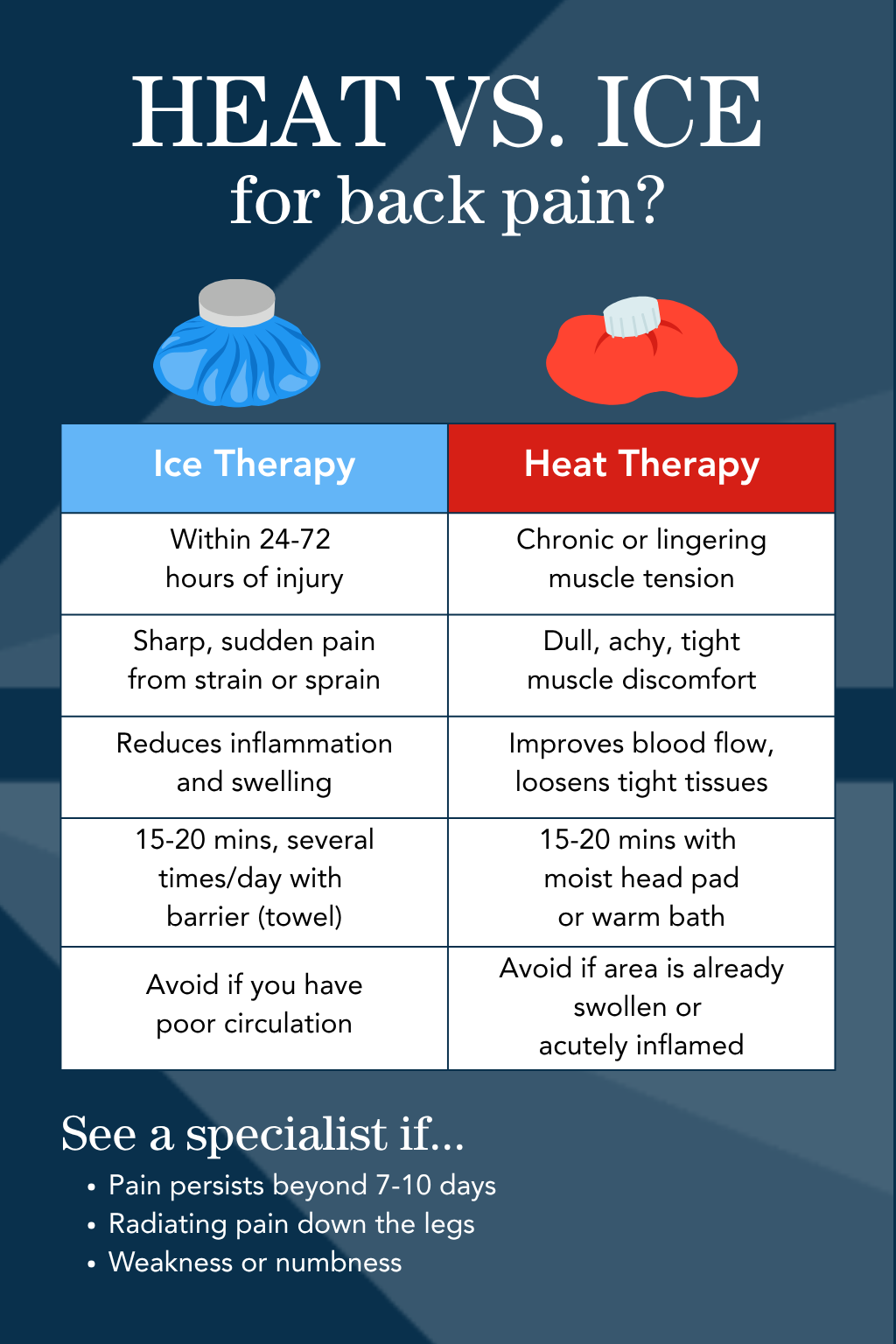
Heating pads can help chronic pain or muscle stiffness but should not be used right after an injury. In the first 48 hours, use ice to reduce swelling. Switch to heat once swelling goes down to relax muscles and boost circulation.
As you can see, heating pads are a simple, effective way to improve local circulation, ease pain, and relax muscles. While they are not a cure for serious health problems, they are a useful tool for everyday comfort and recovery.
Used wisely, heating pads can be a safe part of your routine for better blood flow and well-being.