Can Heating Pads Help With Recovery?
After a tough workout, injury, or even a long day at work, many people reach for a heating pad for comfort. You might have heard athletes, trainers, or even your doctor talk about heat therapy, but is it really effective for recovery?
The science behind heat, the way our bodies react, and the practical use of heating pads all play a role in answering this question. Understanding how heating pads impact recovery can help you make smarter decisions about your health, prevent common mistakes, and possibly speed up your healing process.
In this article, we’ll look deeply at how heating pads work, when and why you should use them, the risks involved, and the differences between heat and cold therapy. We’ll also break down the data, debunk some myths, and give you the facts you need to recover better and faster.
How Heating Pads Work
Heating pads are simple devices that deliver direct heat to a specific area of your body. This heat comes from electricity, hot water, or chemical reactions inside the pad. But what happens under your skin when you use a heating pad?
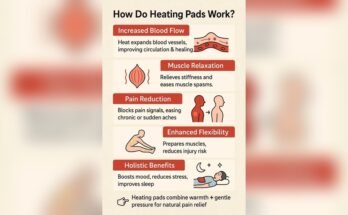
When you apply heat, your blood vessels expand. This process is called vasodilation. More blood flows into the area, bringing oxygen and nutrients that your cells need to repair themselves. At the same time, heat helps your muscles relax by reducing the tension in the tissues. This is why a heating pad can make a stiff neck or sore back feel better within minutes.
But the effect goes beyond comfort. Heat can actually change the way your nerves send pain signals to your brain. The warmth can “distract” your nerves, making the pain feel less intense. This is known as the gate control theory of pain. By understanding these processes, you can use heat more effectively for recovery.
When To Use Heating Pads For Recovery
Not every ache or injury responds the same way to heat. Knowing when to use a heating pad can make a big difference in your recovery.
For Muscle Soreness
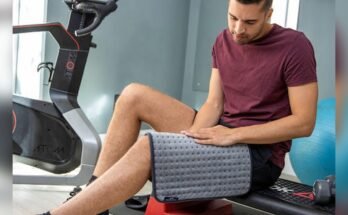
After exercise, it’s common to experience Delayed Onset Muscle Soreness (DOMS). Heat can help by relaxing tight muscles and boosting blood flow, which may speed up the healing process. Many athletes use heating pads after workouts for this reason.
For Chronic Pain
If you have chronic pain from conditions like arthritis or fibromyalgia, heat therapy may provide ongoing relief. Studies show that heat can reduce stiffness and improve mobility for people with these conditions.
For Stiff Joints
Stiffness in the joints, especially in the morning or after long periods of inactivity, often responds well to heat. A heating pad can loosen the tissues around the joint and make movement easier.
For Menstrual Cramps
Heat therapy is a common remedy for menstrual cramps. Applying a heating pad to the lower abdomen can help the muscles relax and reduce pain.
For Injuries: The 48-hour Rule
For acute injuries (like a fresh sprain or strain), experts recommend waiting at least 48 hours before applying heat. During the first 48 hours, cold therapy is better to reduce swelling and inflammation. After that, when swelling goes down, a heating pad can help with lingering stiffness and soreness.
When Not To Use Heating Pads
There are moments when using a heating pad can do more harm than good. Understanding these limits is important to avoid making your injury worse.
Avoid On Fresh Injuries
Never use heat on a fresh injury that is swollen, bruised, or bleeding. Heat can increase swelling by bringing more blood to the area. For new injuries, ice is safer.
Not For Infections Or Open Wounds
If you have an infection or an open wound, heat can make the problem worse. Warmth helps bacteria multiply, and it can slow down healing in open skin.
Not For Poor Sensation
People with diabetes or nerve damage (neuropathy) should be careful. If you cannot feel heat well, you may burn your skin without realizing it.
Not For Tumors Or Cancer
If you have cancer or a tumor, always ask your doctor before using heat therapy, as it can sometimes stimulate tumor growth.
Science And Research Behind Heat Therapy
To decide if heating pads are truly effective, let’s look at what the research says.
A 2013 study in the Journal of Clinical Medicine found that continuous low-level heat wrap therapy was just as effective as ibuprofen for lower back pain. Participants who used heat wraps for eight hours a day saw significant improvement after three days.
Another review published in the Archives of Physical Medicine and Rehabilitation showed that heat therapy reduced pain and improved function in people with chronic neck pain. The effect lasted for several hours, much longer than the heat was actually applied.
A 2006 study found that using a heating pad for 8 hours after exercise reduced muscle soreness by 47% compared to no treatment. These results suggest that heat can help with recovery, especially for muscle pain.
Non-obvious insight: The benefits of heat therapy are often strongest when the heat is applied for longer periods (several hours), not just a few minutes. Short bursts of heat may feel good, but the healing effects come from longer, steady warmth.
Types Of Heating Pads
There are several types of heating pads, and each has its own advantages and disadvantages. Knowing the differences can help you pick the right one for your needs.
| Type | How it Works | Best For | Downsides |
|---|---|---|---|
| Electric Heating Pad | Plugs into a wall outlet, adjustable temperature | Home use, long sessions | Needs power, risk of burns if too hot |
| Microwavable Pad | Heated in microwave, filled with gel, beads, or grains | Portable, short-term relief | Cools off quickly, uneven heat |
| Chemical Heat Pad | Single-use, activates with a click or shake | Travel, emergencies | Not reusable, may not get hot enough |
| Moist Heating Pad | Uses steam or wet cloth for deeper heat | Muscle stiffness, joint pain | Needs water, can be messy |
Non-obvious insight: Moist heat often penetrates deeper and works faster than dry heat. If you want quick results, consider using a moist heating pad.
Heat Therapy Vs. Cold Therapy
Many people get confused about when to use heat or cold. Both have their place in recovery, but their effects are very different.
| Therapy | Main Effect | Best For | When to Avoid |
|---|---|---|---|
| Heat Therapy | Increases blood flow, relaxes muscles | Chronic pain, muscle soreness, stiffness | Fresh injuries, swelling, infection |
| Cold Therapy | Reduces blood flow, numbs pain, controls swelling | New injuries, swelling, bruises | Stiffness, poor circulation |
How To Choose
- Use cold therapy (ice) during the first 24-48 hours after an injury.
- Switch to heat therapy when the swelling goes down and you want to loosen up stiff or sore muscles.
Practical tip: If you’re not sure, start with cold therapy. Heat can always be added later, but using heat too soon can make things worse.
How To Use Heating Pads Safely
Heating pads are generally safe, but accidents can happen. Here’s how to use them correctly:
- Check the temperature: Never use a pad that is too hot. If it feels uncomfortable, it’s too much.
- Limit the time: Use the heating pad for 15-20 minutes at a time. For chronic pain, some people use low-heat wraps for up to 8 hours, but always follow the instructions.
- Never sleep with a heating pad: Falling asleep with a heating pad on can lead to burns.
- Protect your skin: Place a towel or cloth between your skin and the heating pad to avoid burns.
- Monitor your skin: Check for redness or irritation. If you see any, stop immediately.
Non-obvious insight: People with sensitive skin or certain conditions (like diabetes or poor circulation) should check their skin every few minutes, as they are more likely to get burns without realizing it.
Benefits Of Heating Pads For Recovery
Heating pads can offer a wide range of benefits for recovery:
- Pain relief: Heat interrupts pain signals to the brain and makes discomfort feel less intense.
- Muscle relaxation: Heat reduces muscle tension and stiffness, making it easier to move.
- Faster healing: By increasing blood flow, heat brings more nutrients and oxygen to the injured area.
- Improved flexibility: Heat makes connective tissues more flexible, which is helpful before stretching or rehab exercises.
- Stress reduction: Warmth is soothing and can help lower overall stress, which supports the healing process.
A study published in the Journal of Strength and Conditioning Research found that athletes who used heating pads after intense workouts recovered faster and reported less soreness than those who used no treatment.
Common Mistakes With Heating Pads
Even though heating pads are simple, many people use them the wrong way. Here are common mistakes to avoid:
- Using heat too soon: Applying heat to a fresh injury can make swelling and pain worse.
- Leaving it on too long: Long, unsupervised sessions can lead to burns.
- Using on numb skin: If you can’t feel the heat, you might get burned without realizing it.
- Not following instructions: Always read the user manual for your specific heating pad.
- Ignoring warning signs: Redness, itching, or pain means you should stop using the pad immediately.
Non-obvious insight: People often think more heat equals faster healing. In reality, mild, steady warmth works better than intense heat and is much safer.
Who Should Avoid Heating Pads?
Heating pads are not for everyone. Certain groups should be cautious or avoid them entirely:
- Children: Kids have thinner skin and are more likely to get burned.
- Elderly people: Aging skin is more sensitive and less able to recover from burns.
- Pregnant women: Only use heating pads on the back or limbs, never on the abdomen, and always check with a doctor first.
- People with circulatory problems: Conditions like diabetes, Raynaud’s, or vascular disease increase the risk of burns.
- Those with sensory loss: If you can’t feel heat well, avoid heating pads.
If you’re unsure, always check with your healthcare provider before using a heating pad.
Practical Tips For Best Results
To get the most from your heating pad, try these tips:
- Use after stretching: Heat can make muscles more flexible, so try gentle stretching after using a heating pad.
- Combine with massage: Use a heating pad to warm up the area, then gently massage to boost relaxation and healing.
- Stay hydrated: Heat can dry out your skin. Drink plenty of water before and after using heat therapy.
- Try moist heat: A damp towel or moist heating pad often works faster and feels better than dry heat.
- Alternate with cold: Sometimes, switching between heat and cold can help reduce pain and stiffness more than using just one method.
Real-life Examples
Many athletes and physical therapists rely on heating pads for recovery. For example, marathon runners often use heating pads the day after a race to reduce muscle soreness. Physical therapists might recommend heat therapy before a rehabilitation session to loosen up stiff joints.
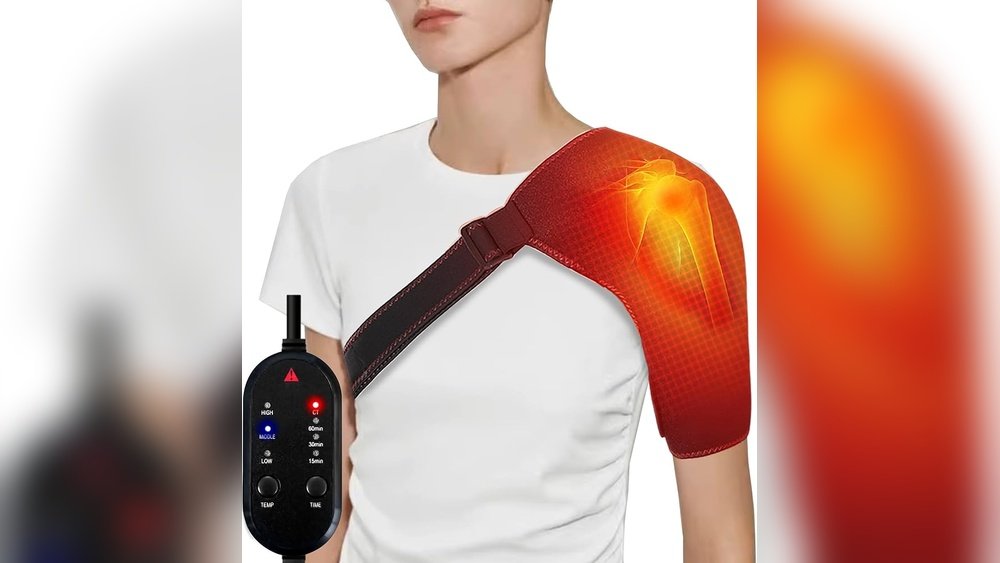
In one case, a professional tennis player used moist heat wraps on her shoulder before and after matches. She reported less pain and faster return to play compared to when she skipped heat therapy.

What To Look For When Buying A Heating Pad
Not all heating pads are created equal. Here’s how to choose the right one for your needs:
- Size: Get a pad that covers the area you want to treat. Larger pads are better for backs; smaller ones for joints.
- Heat settings: Choose a pad with adjustable temperature controls.
- Automatic shut-off: This feature prevents overheating and burns.
- Ease of cleaning: Some pads have removable, washable covers.
- Portability: Consider how and where you’ll use the pad (home, office, travel).
- Moist or dry: Decide if you want a pad that can be used with moisture for deeper heat.
A report from the Consumer Product Safety Commission shows that heating pads with automatic shut-off features had fewer accidents and burns.
Comparing Popular Heating Pads
Below is a simple comparison of three popular heating pads on the market:
| Brand/Model | Type | Heat Settings | Automatic Shut-Off | Price Range (USD) |
|---|---|---|---|---|
| Sunbeam XpressHeat | Electric | 6 | Yes | 30-40 |
| ThermaCare Wrap | Chemical | 1 | No (single use) | 5-10 |
| PureRelief XL King | Electric | 6 | Yes | 35-45 |
Practical tip: Look for products with good user reviews and safety features, not just the lowest price.
Myths About Heating Pads And Recovery
There are many myths about heat therapy. Let’s clear up the most common ones:
- Myth: “Heat can cure all injuries.”
Reality: Heat helps with some problems but can make others worse, especially fresh injuries.
- Myth: “Longer sessions are always better.”
Reality: Too much heat can burn your skin and slow healing.
- Myth: “If it’s not hot, it’s not working.”
Reality: Mild warmth is enough. Strong heat is not needed and can be dangerous.
- Myth: “Heating pads are unsafe.”
Reality: When used correctly, modern heating pads are very safe.
For more information on safe use, see the guidelines from the Mayo Clinic.
Frequently Asked Questions

How Long Should I Use A Heating Pad For Recovery?
Most experts recommend using a heating pad for 15-20 minutes at a time. For low-level heat wraps, up to 8 hours is safe if the product is designed for it. Always check the instructions and your skin. Never sleep with a heating pad on.
Can I Use A Heating Pad Every Day?
Yes, you can use a heating pad every day if it helps with chronic pain or muscle soreness, but limit each session to prevent burns. If you notice redness, irritation, or your pain gets worse, stop and talk to your doctor.

Is Heat Or Ice Better For Back Pain?
It depends on the cause. For chronic back pain or muscle tightness, heat is usually best. For new injuries with swelling, use ice for the first 48 hours, then switch to heat if needed.
Can Heating Pads Help With Menstrual Cramps?
Yes, heating pads are one of the most effective home remedies for menstrual cramps. Apply to the lower abdomen for 15-20 minutes. The heat relaxes the muscles and reduces pain.
Are There Risks To Using Heating Pads?
Heating pads are safe when used correctly, but risks include burns, skin irritation, and making some injuries worse if used too soon. People with poor sensation, diabetes, or circulation problems should be extra careful.
Heating pads can be a powerful tool for recovery when used properly. They relax muscles, improve blood flow, and make pain more manageable. But they’re not magic—knowing when and how to use them is key. Avoid heat on fresh injuries, don’t use them for too long, and always protect your skin.
With the right approach, a heating pad can make your recovery faster, safer, and more comfortable.