If you’ve ever felt aches in your back, shoulders, or neck after a long day at your desk, you’re not alone. Posture pain is a common problem for people who spend hours sitting, working, or even studying. The discomfort can make it hard to focus, enjoy free time, or get a good night’s sleep. Many people search for simple ways to find relief, and one popular solution is the heating pad. But can heating pads really help with posture pain, or are they just a quick fix? Let’s explore how heating pads work, what science says, and how they fit into a bigger plan for better posture and less pain.
Understanding Posture Pain
Posture pain comes from holding your body in an unhealthy position for too long. This might mean slouching at your computer, hunching over your phone, or even sitting cross-legged on the floor. Over time, poor posture puts stress on your muscles, joints, and ligaments. The most common areas people feel posture pain are:
- Lower back
- Neck
- Shoulders
- Upper back
When these muscles work too hard to support your body in an awkward way, they can become tight, sore, or even inflamed. This pain can be mild or severe, and sometimes it spreads to other parts of your body.
Why Posture Pain Happens
There are a few main reasons for posture pain:
- Muscle fatigue: When you sit or stand in the same position, certain muscles stay active for too long. They get tired and start to hurt.
- Reduced blood flow: Staying still too long slows down blood flow. Muscles don’t get enough oxygen, which can make them sore.
- Joint strain: Joints like your spine or shoulders may be pushed out of their natural positions, causing discomfort or swelling.
- Nerve pressure: Poor posture can compress nerves, leading to tingling, numbness, or shooting pain.
How Common Is Posture Pain?
Recent studies suggest that over 80% of office workers report some type of posture-related pain during their career. Even young adults and teenagers can experience it, especially with more time spent on phones and computers.
How Heating Pads Work
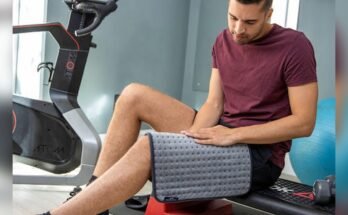
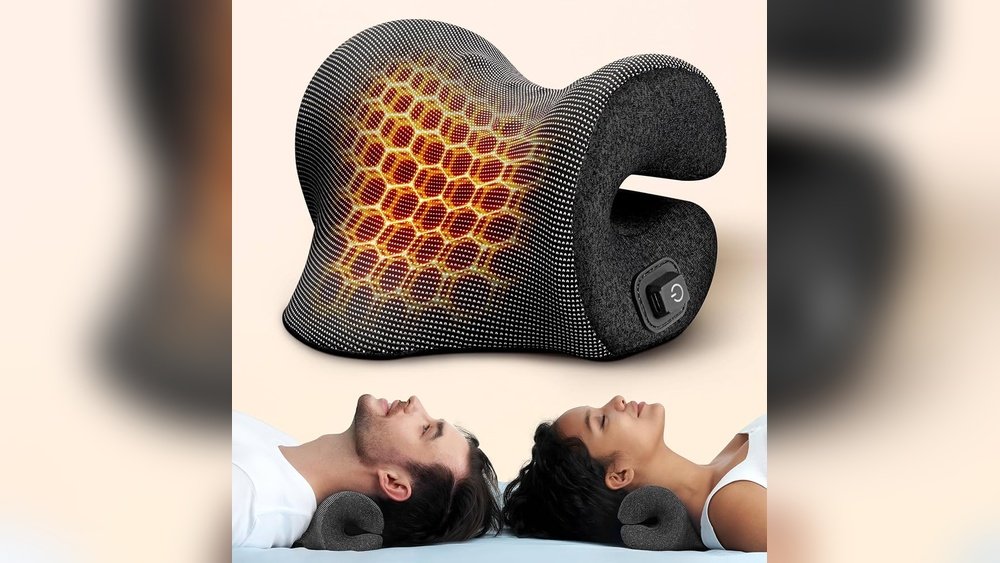
A heating pad is a simple device that delivers heat to sore or stiff areas of the body. You can find electric pads, microwavable packs, or even disposable heat wraps. But how exactly does heat help with pain?
The Science Behind Heat Therapy
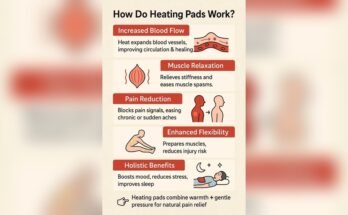
When you apply heat to your body, several helpful things happen:
- Blood vessels expand, improving blood flow to the area.
- Muscle fibers relax, reducing tightness and spasms.
- Pain signals slow down, so you feel less discomfort.
- Metabolism speeds up in the heated area, helping your body heal faster.
Heat therapy is especially useful for muscle pain, stiff joints, and chronic aches. It’s been used for centuries in many cultures, from hot water bottles to warm towels.
Types Of Heating Pads
There are several kinds of heating pads to choose from:
- Electric heating pads: Plug in and control the temperature. Good for long sessions.
- Microwavable pads: Heat in the microwave; often filled with rice or gel.
- Chemical heat wraps: Self-heating, single-use, and portable.
- Infrared heating pads: Use light to deliver deeper heat.
Each type has its own advantages. Electric pads let you adjust the heat, while microwavable options are simple and cordless. Chemical wraps are great when you’re on the go.
Here’s a quick comparison:
| Type | Best For | Heat Duration | Portability |
|---|---|---|---|
| Electric | Home use, adjustable heat | Continuous | Low |
| Microwavable | Quick relief, no cords | 30-60 mins | Medium |
| Chemical Wrap | Travel, work | Up to 8 hours | High |
| Infrared | Deep muscle pain | Continuous | Low |
Can Heating Pads Help With Posture Pain?
The short answer is: Yes, heating pads can help with posture pain — but there’s more to the story. Heating pads are most effective for temporary relief and managing muscle soreness caused by poor posture. Here’s how they can help:
1. Reducing Muscle Tightness
When you use a heating pad on tight muscles in your back, neck, or shoulders, the heat helps the muscles relax. This makes it easier to move and sit comfortably. If you have a stiff neck from looking down at your phone, a heating pad can soften the tension and reduce pain.
2. Improving Blood Flow
Heat increases blood flow, which brings more oxygen and nutrients to your muscles. This helps your body repair any small injuries or inflammation caused by poor posture. Better circulation also helps remove waste products that make muscles feel sore.
3. Easing Pain Signals
The warmth from a heating pad can block pain signals sent from your nerves to your brain. This is why you often feel less pain when heat is applied to a sore area. It’s a temporary effect, but it can make a big difference when you need relief.
4. Helping With Stretching And Exercise
If you want to fix your posture, you need to stretch and move more. A heating pad can make it easier to stretch because warm muscles are more flexible. Many physical therapists recommend warming up with heat before doing posture exercises.
5. Lowering Stress And Tension
Chronic pain can make you feel stressed or anxious. The soothing feeling of a heating pad can help you relax, making it easier to manage your pain and focus on improving your posture.
What Heating Pads Can’t Do
While heating pads are helpful, they are not a cure for posture pain. There are some important limits to remember:
- They don’t fix poor posture: Heat eases pain, but it doesn’t change how you sit or stand.
- They don’t treat serious injuries: If you have a herniated disc or severe nerve pain, see a doctor.
- They don’t work for everyone: Some people find better relief with ice packs or other methods.
Long-term relief comes from changing your habits, strengthening muscles, and correcting your posture. Heating pads should be part of a bigger strategy.
How To Use Heating Pads Safely
To get the most benefit from a heating pad — and avoid injury — follow these tips:
Choose The Right Temperature
- Use warm, not hot, heat. If it’s too hot, you can burn your skin.
- Start with the lowest setting and increase if needed.
Limit Session Length
- Use the pad for 15 to 30 minutes at a time.
- Wait at least an hour before using it again on the same spot.
Protect Your Skin
- Place a towel or cloth between the pad and your skin.
- Never sleep with a heating pad on your body.
Watch For Redness Or Burns
- If your skin gets red or feels burned, stop using the pad right away.
- People with diabetes or poor sensation should be extra careful.
When Not To Use A Heating Pad
- Don’t use heat on swollen or bruised areas (use ice instead).
- Avoid heat if you have an open wound or skin infection.
- Pregnant women should check with a doctor before using a heating pad on their belly or lower back.
Evidence And Research: What Science Says
Many studies have explored heat therapy for pain relief. Most agree that heating pads are effective for muscle pain and stiffness. For example, a 2014 review in the journal Pain Research and Management found that continuous low-level heat wraps helped reduce back pain and improve movement in people with muscle soreness.
Another study in the Clinical Journal of Pain showed that people who used heat therapy along with exercise and education had better results than those who just exercised. The heat made it easier to stretch and move, leading to faster improvements.
However, these studies also note that heat alone is not enough for long-term relief. The best results come when heat is used along with stretching, exercise, and posture correction.
If you want to read more about the science, the National Institutes of Health offers a detailed summary of heat therapy research.

Heating Pads Vs. Other Pain Relief Methods
How do heating pads compare to other common ways to relieve posture pain? Here’s a quick look:
| Method | Best For | Speed of Relief | Long-Term Effect | Risks |
|---|---|---|---|---|
| Heating pad | Muscle soreness, stiffness | Fast | Temporary | Burns if misused |
| Ice pack | Swelling, acute injury | Fast | Temporary | Frostbite if misused |
| Pain medication | Moderate to severe pain | Varies | Temporary | Side effects, dependency |
| Stretching/exercise | Poor posture, long-term pain | Slow | Long-lasting | Muscle strain if overdone |
| Massage | Muscle knots, tension | Moderate | Temporary/Long-term | Bruising, soreness |
Combining Heating Pads With Other Posture Fixes
To get the most benefit, use heating pads as part of a bigger routine. Here’s how you can combine heat therapy with other strategies for lasting relief:
1. Practice Good Ergonomics
Set up your workspace to support healthy posture. This means:
- Your computer screen should be at eye level.
- Keep your feet flat on the floor.
- Use a chair with good back support.
- Avoid crossing your legs for long periods.
2. Take Frequent Breaks
Stand up, walk around, or stretch every 30 to 60 minutes. Even a quick movement helps reduce muscle fatigue.
3. Do Stretching And Strengthening Exercises
Focus on exercises that open your chest, strengthen your back, and stretch your neck and shoulders. Examples include:
- Shoulder rolls
- Chin tucks
- Cat-cow stretch
- Wall angels
Heat your muscles before stretching for better flexibility.
4. Use Reminders
Set alarms or use apps to remind you to check your posture. Visual cues, like sticky notes, can also help you remember to sit up straight.
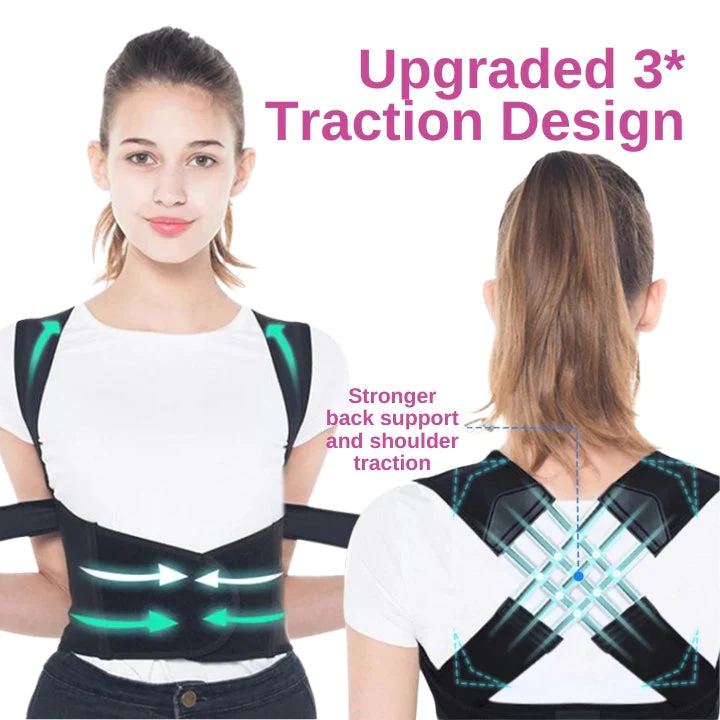
5. Try Posture Supports
Some people find relief with posture correctors, braces, or ergonomic cushions. These tools can help you build better habits, but should not replace exercise and stretching.
6. Manage Stress
Stress can make you tense up and worsen posture pain. Try relaxation techniques like deep breathing, meditation, or gentle yoga.
Common Mistakes When Using Heating Pads
Even though heating pads are simple, people often make mistakes that reduce their benefits or even cause harm. Here are some mistakes to avoid:
- Using heat on new injuries: If you just pulled a muscle or have swelling, start with ice for 24-48 hours before switching to heat.
- Turning the pad too hot: High temperatures increase the risk of burns. Warm is enough.
- Falling asleep with the pad on: This is a common cause of burns, especially with electric pads.
- Using heat for too long: Sessions longer than 30 minutes can irritate the skin and reduce effectiveness.
- Ignoring persistent pain: If your pain lasts more than a week or gets worse, see a doctor. Heating pads are not a substitute for medical care.
Real-world Example: Office Worker With Neck Pain
Let’s look at a practical example. Maria is a 35-year-old graphic designer who works eight hours a day at her computer. She notices her neck and shoulders feel stiff and sore by the afternoon. At first, she tries taking painkillers, but the relief doesn’t last.
One day, she uses a microwavable heating pad on her neck during lunch break. She feels her muscles relax and her pain drops from a 7 to a 4 out of 10. After work, she stretches her neck and shoulders while the muscles are still warm.
Over time, Maria adds posture reminders and switches to a better chair. Her pain reduces, and she only needs the heating pad on bad days.
This example shows how heat therapy can be part of a balanced approach.

Tips For Choosing The Right Heating Pad
When selecting a heating pad, consider:
- Size: Larger pads cover more area, good for the back; smaller pads fit the neck or shoulders.
- Material: Soft fabric is more comfortable on the skin.
- Adjustability: Look for pads with adjustable heat settings.
- Automatic shut-off: Important for safety, especially with electric pads.
- Ease of cleaning: Removable, washable covers are best.
If you travel often, consider chemical wraps. For home use, an electric pad with controls is usually best.
When To See A Doctor
Heating pads are a safe, effective way to manage mild to moderate posture pain. But sometimes, pain is a sign of a more serious problem. See a doctor if you experience:
- Severe or sharp pain that doesn’t improve
- Numbness or tingling in your arms or legs
- Pain after a fall or injury
- Loss of bladder or bowel control
- Weakness in your muscles
Doctors can help you find the real cause of your pain and suggest the best treatment plan.
Frequently Asked Questions
Can Heating Pads Fix My Posture?
Heating pads do not fix posture. They help relieve muscle pain and stiffness, but only changing your habits and strengthening your muscles can improve posture long-term.
How Often Can I Use A Heating Pad For Posture Pain?
It’s usually safe to use a heating pad 2-3 times a day for 15-30 minutes per session. Always let your skin cool between sessions.
Should I Use Heat Or Ice For Posture Pain?
Use ice for new injuries or swelling, and heat for muscle tightness or chronic pain. If you’re unsure, start with ice and switch to heat after 48 hours.
Can I Use A Heating Pad While Sleeping?
No, it’s not safe to sleep with a heating pad. There’s a risk of burns or even starting a fire with electric pads. Use heat before bed and remove it before sleeping.
What Else Can I Do Besides Using A Heating Pad For Posture Pain?
Combine heat therapy with stretching, exercise, better ergonomics, and regular movement. If pain continues, see a doctor for personalized advice.
Posture pain is a challenge for many people in today’s world. Heating pads offer a simple, effective way to manage muscle soreness and stiffness caused by poor posture. They work by improving blood flow, relaxing tight muscles, and blocking pain signals — but they are not a complete solution. For long-term relief, combine heat therapy with stretches, strengthening exercises, and better posture habits. Use heating pads safely, and don’t ignore pain that lasts or gets worse. With the right approach, you can ease your discomfort and move toward a healthier, pain-free life.