Every month, millions of women around the world experience menstrual pain—that dull or throbbing ache in the lower belly that can make even simple tasks harder. For some, it’s a mild discomfort. For others, it can be severe enough to miss work, school, or important events. While painkillers and rest are common solutions, many are looking for safe, drug-free ways to feel better. One tool that keeps coming up is the heating pad. But can heating pads really help with menstrual pain, or is it just a comforting myth? Let’s explore the science, practical tips, and real-life experiences to understand whether this simple solution is worth trying.
What Causes Menstrual Pain?
Before looking at how heating pads might help, it’s important to understand why menstrual pain happens. The pain, known as dysmenorrhea, is usually caused by the uterus contracting to help shed its lining. These contractions are driven by hormone-like substances called prostaglandins. More prostaglandins usually mean stronger contractions and more pain.
Menstrual pain is often felt in the lower abdomen but can also spread to the lower back and thighs. Some women also experience headaches, nausea, or diarrhea. The pain usually starts just before or at the beginning of the period and lasts for 1-3 days.
There are two main types:
- Primary dysmenorrhea: Pain that isn’t caused by another medical problem. This is the most common type.
- Secondary dysmenorrhea: Pain caused by a medical condition, like endometriosis or fibroids.
Understanding the cause helps in choosing the right relief method. For most women with primary dysmenorrhea, heat therapy is a safe and effective option.
How Does Heat Therapy Work?
Applying heat to the lower belly is a practice that goes back centuries. But how does it actually work? When you place a heating pad on your skin, several things happen:
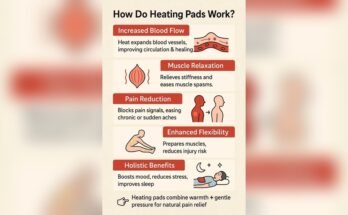
- Blood vessels widen in the area, increasing blood flow. This helps to bring more oxygen and nutrients to the muscles, which can relax cramps.
- Nerve endings in the skin sense the heat, which can block pain signals before they reach the brain. This is known as the “gate control theory” of pain.
- Heat can also help reduce muscle stiffness and improve flexibility in the lower abdomen.
It’s not just a comforting feeling—there’s real science behind heat therapy for menstrual cramps.
Research Supporting Heat Therapy
Several studies have looked at how well heating pads work for menstrual pain. One 2001 study found that a heat wrap at 40°C (about 104°F) was as effective as ibuprofen for relieving cramps in women with primary dysmenorrhea. Another review in 2018 confirmed that heat therapy consistently reduced pain intensity compared to no treatment.
An interesting detail: heat often works best when used early, at the first sign of pain. This can help stop cramps from getting worse.
Types Of Heating Pads And How To Use Them
There are several kinds of heating pads you can use for menstrual pain. Choosing the right one can make a difference in comfort and safety.
Electric Heating Pads
These are the most common. They plug into a wall and allow you to set the temperature. Some have automatic shut-off for safety.
- Pros: Adjustable heat, reusable, no need to reheat often.
- Cons: Must be near a power outlet, risk of burns if too hot.
Microwavable Heat Packs
These pads are filled with materials like rice, wheat, or gel. You warm them in the microwave.
- Pros: Portable, no electricity needed, soft and flexible.
- Cons: Heat can fade quickly (usually 20-30 minutes), risk of overheating.
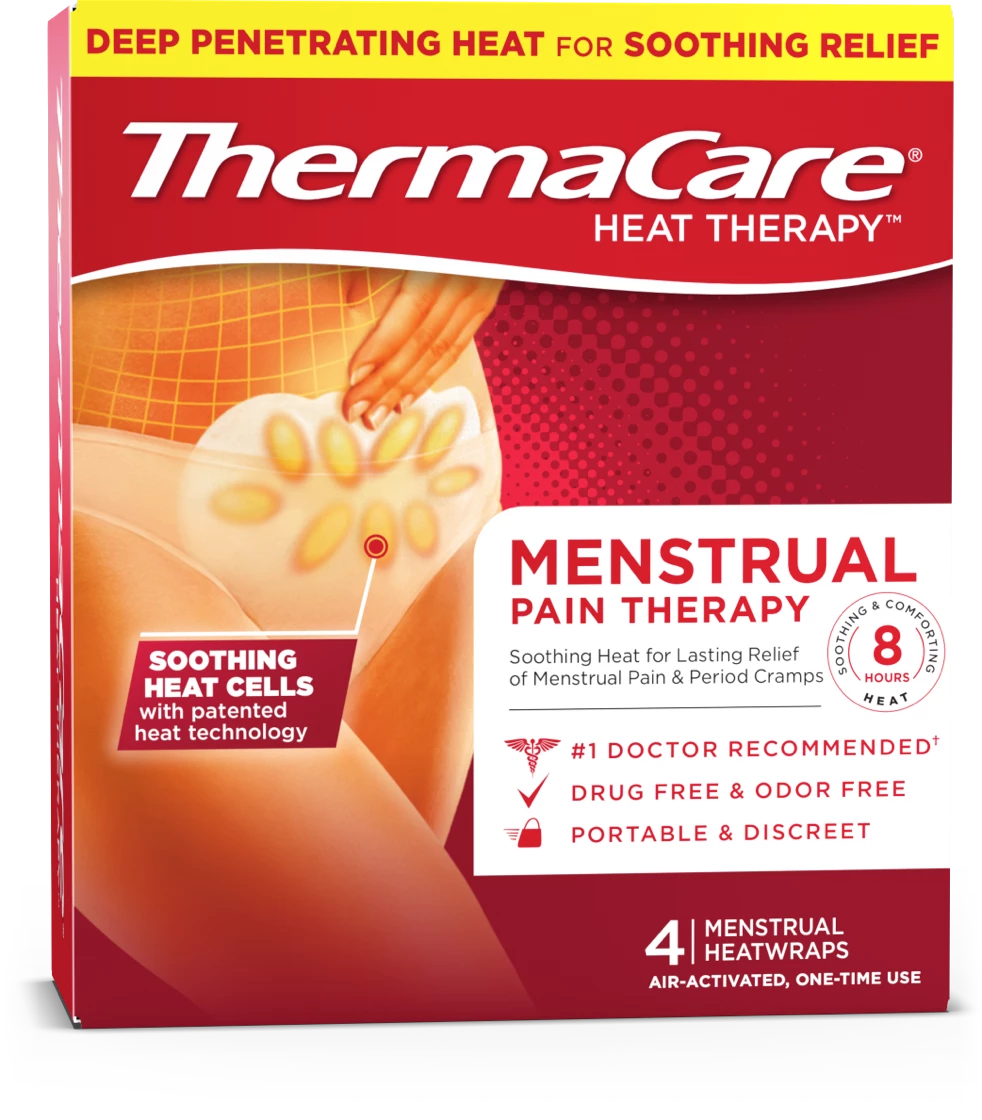
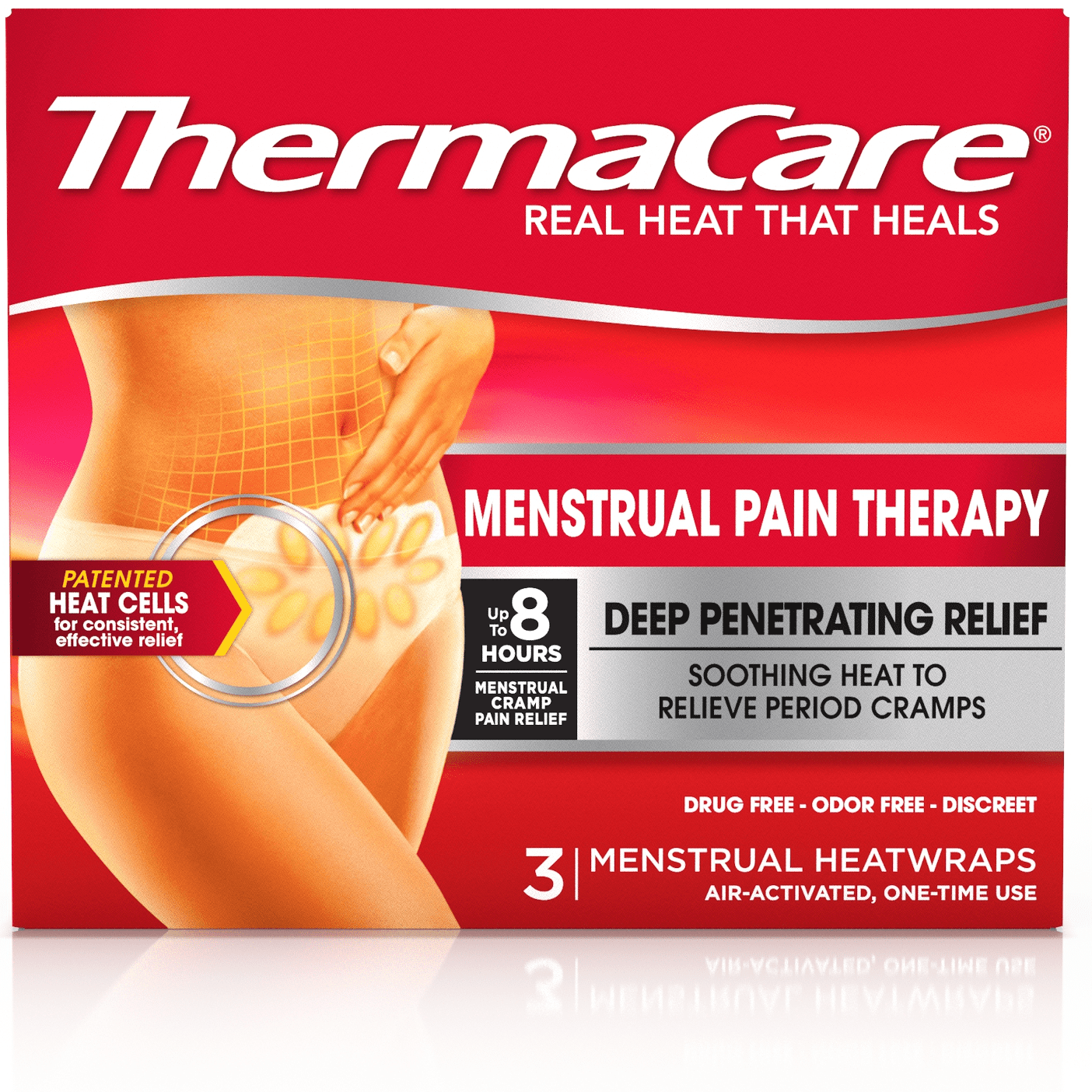
Disposable Heat Patches
Thin patches that stick to your underwear or skin. They heat up automatically and can provide warmth for 8-12 hours.
- Pros: Ultra-portable, long-lasting heat, good for use at work or school.
- Cons: Single-use, can be expensive, not as warm as electric pads.
Hot Water Bottles
A classic option. Fill with hot (not boiling) water and wrap in a towel.
- Pros: Inexpensive, available everywhere, good for gentle warmth.
- Cons: Can leak, heat fades in an hour or two.
Comparing Heating Pad Options
Here’s a quick look at the main types:
| Type | Heat Duration | Portability | Cost | Adjustable Heat? |
|---|---|---|---|---|
| Electric Heating Pad | As long as plugged in | Low | Medium-High | Yes |
| Microwavable Pack | 20-30 min | High | Low-Medium | No |
| Disposable Patch | 8-12 hours | Very High | High (single use) | No |
| Hot Water Bottle | 1-2 hours | Medium | Low | No |
How To Use A Heating Pad Safely
- Keep the heat moderate. Most studies use around 40°C (104°F). High heat can burn your skin.
- Limit sessions to 20-30 minutes. Take breaks to let your skin cool down.
- Don’t sleep with a heating pad on. Especially electric ones, as burns can happen.
- Place a cloth or towel between your skin and the pad to avoid direct contact.
- Check your skin every few minutes. If it turns red or feels too hot, remove the pad.
How Effective Are Heating Pads For Menstrual Pain?
Many women swear by heating pads, but what does the science say? Here’s a closer look at the evidence.
Clinical Studies
A 2001 study published in Obstetrics & Gynecology compared a 40°C heat wrap with 400 mg of ibuprofen. The heat wrap relieved pain as quickly as ibuprofen and was just as effective after four hours. Another 2018 review found that heat therapy reduced menstrual pain by about 27% compared to no treatment.
Real-world Results
Surveys show that over 70% of women who try heating pads for period pain find them helpful. Some report that heat works best when combined with gentle stretching or painkillers, but many say that heat alone is enough for mild to moderate cramps.
When Heat Works Best
- For mild to moderate cramps, heating pads can provide good relief without medication.
- For severe pain or pain caused by medical problems (like endometriosis), heat can still help, but you may need to combine it with other treatments.
Not-so-obvious Insights
- Start heat therapy early. Using a heating pad at the very first sign of cramps may prevent pain from getting worse.
- Use heat before painkillers. Some women report that using heat for 15-20 minutes before taking medicine allows the painkiller to work better and faster.

Benefits Of Heating Pads Compared To Other Remedies
There are many ways to deal with menstrual pain, including medicine, exercise, or even acupuncture. But heating pads have some unique advantages.
Drug-free
A big benefit is that heating pads are completely drug-free. They do not interact with medications, and there is no risk of stomach upset or drowsiness.
Easy And Affordable
Most heating pads are easy to use and available in pharmacies, supermarkets, or online. Even a simple hot water bottle can be effective.
Immediate Comfort
Unlike pills, which can take 30-60 minutes to work, heat can start helping in just a few minutes. The warmth is soothing and can help you relax.
Few Side Effects
As long as you use them safely, heating pads have very few risks. The main risk is a skin burn if used incorrectly.
Comparison With Common Remedies
Here’s how heat therapy stacks up against other period pain solutions:
| Remedy | How Fast? | Side Effects | Best For |
|---|---|---|---|
| Heating Pad | 5-10 min | Rare (burns) | Mild-moderate cramps |
| Ibuprofen | 30-60 min | Stomach upset, ulcers | Moderate-severe cramps |
| Exercise | 10-20 min | Low | Prevention, mild cramps |
| Herbal Tea | 10-20 min | Low | Relaxation, mild cramps |
Not-so-obvious Insight
Some women find that combining a heating pad with gentle belly massage increases the pain-relieving effect. The warmth helps muscles relax, while the massage moves blood flow and helps release tension.
Who Should Use Heating Pads For Menstrual Pain?
Almost anyone with primary dysmenorrhea (menstrual cramps not caused by another disease) can try heat therapy. However, there are some situations where you need to be careful.
When To Be Cautious
- People with nerve damage (diabetes, spinal injuries): May not feel heat well, risk of burns.
- Very sensitive skin: Heat can cause irritation or redness.
- Open wounds or rashes: Avoid putting heat over broken skin.
If you have secondary dysmenorrhea (pain from endometriosis, fibroids, or other problems), heating pads can still help. But you should also talk to a doctor about other treatments.
When To See A Doctor
- If your pain is severe every month and not relieved by heat or medicine.
- If you have pain at times other than your period.
- If you have unusual bleeding, fever, or weight loss.
Heat is a great first step, but it’s not a cure for all types of period pain.
Practical Tips For Using Heating Pads
Getting the best results from a heating pad takes more than just turning it on. Here are some practical tips:
- Start as soon as cramps begin. Early use can stop pain from building.
- Place on the lower belly for cramps, or on the lower back if pain is there.
- Try layering: Wear light clothing under the pad to avoid direct skin contact.
- Move the pad every 15-20 minutes to avoid overheating one spot.
- Combine with gentle movement: Light stretching or walking can boost blood flow and help even more.
- Stay hydrated: Heat can cause mild sweating, so drink water.
- Use in public: Disposable heat patches are thin and can be worn under clothes for relief at work or school.
- Clean electric pads regularly according to the instructions to avoid bacteria buildup.
Example Routine
- Wake up with cramps? Use a microwavable pack for 20 minutes while having breakfast.
- Heading to work or school? Apply a disposable heat patch under your clothes for ongoing relief.
- At night, use a hot water bottle while relaxing with a book or watching TV, but remove before sleeping.
Common Mistakes To Avoid
Even though heating pads are simple, there are mistakes that can make them less effective or even unsafe.
- Setting heat too high: More heat does not always mean more relief. High temperatures can burn your skin.
- Using for too long: Don’t leave a pad on for hours at a time. Use in short bursts.
- Sleeping with the pad on: This increases risk of burns, especially with electric pads.
- Putting heat over broken skin: Always check the area first.
- Ignoring severe pain: If heating pads don’t help and pain is severe, see a doctor.
Heating Pads And Other Menstrual Symptoms
While the main focus is on cramps, many women have other symptoms during their period. Can heating pads help with these?
Lower Back Pain
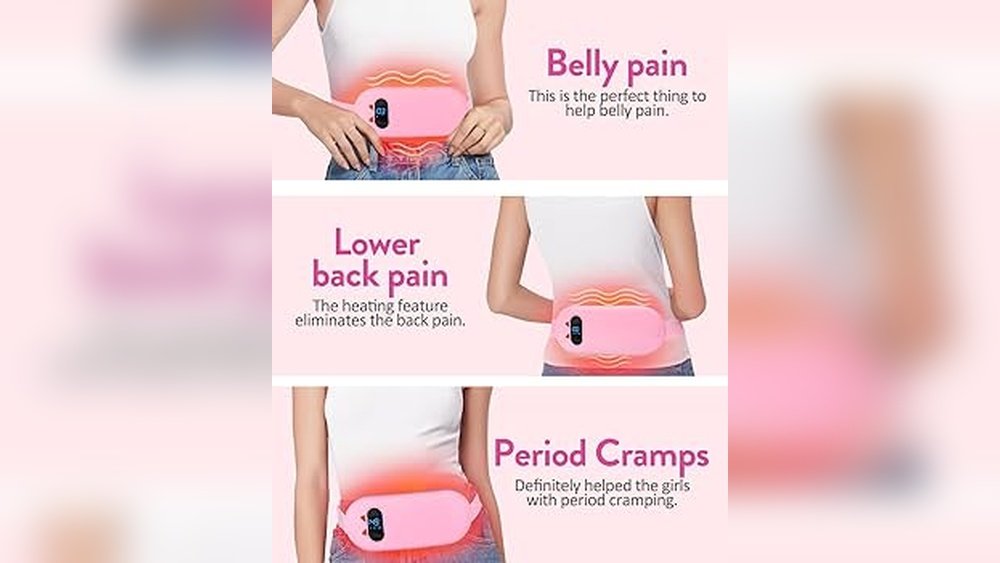
Many women experience lower back pain during their period, especially if they have heavy bleeding. Heating pads can be placed on the lower back for relief, just like for abdominal cramps.
Bloating
Heat can sometimes help with bloating by relaxing muscles and stimulating gentle movement in the gut. However, it is less effective than for cramps.
Mood Swings
While heat itself doesn’t change hormones, the comfort and relaxation from a heating pad can help you feel calmer and less stressed.
Headaches
Menstrual headaches are usually caused by hormone changes, not muscle cramps. Heat applied to the back of the neck or shoulders may help if there is tension, but it’s not as effective as for abdominal pain.
Are There Any Risks With Heating Pads?
Overall, heating pads are safe for most people when used correctly. However, a few risks should be kept in mind.
Burns
The most common risk is a skin burn. This usually happens if the pad is too hot or left on one spot for too long. Always check your skin every few minutes.
Allergic Reactions
Some disposable heat patches use adhesives that can cause a mild skin reaction or rash. If you notice redness, swelling, or itching, stop using it.
Electric Hazards
With electric pads, always follow the instructions. Don’t use with wet hands, and unplug when not in use. Replace pads if the cord is damaged.
Who Should Avoid Heat Therapy?
- People with reduced sensation in the area (due to diabetes, nerve issues)
- People with circulatory problems
- Those with active skin infections or open wounds
Other Home Remedies To Combine With Heating Pads
For some, using a heating pad alone is enough. Others find combining it with other home remedies gives better results.
Gentle Exercise
Walking, yoga, or stretching can increase blood flow and help cramps pass more quickly.
Herbal Teas
Teas like chamomile, ginger, or peppermint may help relax muscles and reduce pain.
Massage
Lightly massaging the lower belly while using heat can double the relaxing effect.
Relaxation Techniques
Deep breathing, meditation, or listening to calming music can reduce stress, which may lower pain.
Over-the-counter Painkillers
If heat isn’t enough, non-steroidal anti-inflammatories (NSAIDs) like ibuprofen can help. Always follow the package instructions.
Combining methods can be more effective than one approach alone.
Real-life Stories: How Women Use Heating Pads
Hearing from others can be helpful. Here are some ways real women use heat for menstrual pain:
- Anna, 22: “I started using a microwavable rice pad after my mom suggested it. I use it right when cramps begin, and it’s enough for me to get through classes without taking painkillers.”
- Fatima, 35: “My cramps are bad, so I use a heating pad and ibuprofen together. I put the pad on my lower back and it helps me sleep better.”
- Lina, 28: “I travel a lot for work. Disposable heat patches are a lifesaver—I can wear them under my clothes and no one knows.”
- Maria, 40: “I have endometriosis. Heat helps, but I still need medicine. The pad makes tough days a bit easier.”
These examples show that heat therapy is flexible and can fit different lifestyles and needs.
When Heating Pads Are Not Enough
For some women, heating pads provide only mild or temporary relief. If you find that you’re missing work, school, or activities every month, or if your pain is severe, it’s important to talk to a healthcare provider. There may be underlying conditions like endometriosis or fibroids that need special treatment.
Early diagnosis and treatment can prevent period pain from controlling your life. Don’t be afraid to seek help if heating pads and home remedies aren’t enough.
Latest Research And Future Directions
Research into menstrual pain is ongoing. Some recent studies are exploring new types of heat therapy, such as:
- Wearable heat wraps with adjustable temperatures
- Infrared heat devices that penetrate deeper into tissue
- Smart heating pads that connect to apps for custom temperature control
There’s also interest in combining heat with other treatments, such as transcutaneous electrical nerve stimulation (TENS) for even better pain relief.
For more information on current research, see this scientific review.
Frequently Asked Questions
How Long Should I Use A Heating Pad For Period Cramps?
Most experts recommend using a heating pad for 20-30 minutes at a time. You can repeat this every few hours as needed. Always check your skin to avoid burns and take breaks to let your skin cool.
Is It Safe To Sleep With A Heating Pad On My Stomach?
It is not recommended to sleep with a heating pad, especially electric ones. If you fall asleep, you may not notice if your skin is getting too hot, increasing the risk of burns. If you want warmth overnight, try a warm (not hot) water bottle wrapped in a towel, but remove it before sleeping.
Can I Use A Heating Pad While Taking Painkillers?
Yes, it is safe to use a heating pad along with most over-the-counter painkillers like ibuprofen or acetaminophen. In fact, some women find that using both together gives better relief. Always follow medicine instructions and watch for any side effects.
Are There Any Side Effects Of Using Heating Pads?
The main side effect is the risk of skin burns if the pad is too hot or left on too long. Some people may also have a mild skin reaction to adhesives on disposable patches. Most side effects can be avoided by using the pad correctly and checking your skin regularly.
Do Heating Pads Work For Severe Menstrual Pain?
Heating pads can help reduce severe cramps but may not be enough alone for everyone. If your pain is very strong, lasts many days, or does not respond to heat or medicine, see a doctor. There may be another health problem that needs special treatment.
Final Thoughts
Menstrual pain can make life difficult, but simple tools like heating pads offer real relief for many women. The science supports what generations have known: gentle heat can relax muscles, boost blood flow, and ease cramps safely—often as well as medicine. Whether you use an electric pad at home or a discreet patch at work, heat therapy is easy, drug-free, and adaptable to your needs.
Remember, start heat early for the best results, use it safely, and combine with other remedies if needed. If your pain is severe or not improving, talk to a healthcare provider. You don’t have to suffer alone—there are solutions that can help you feel better and keep living your life.
For more about menstrual health and pain management, visit the U.S. Office on Women’s Health.