Many people experience cramps, whether from menstruation, muscle injuries, or medical conditions. The discomfort can range from mild to severe, sometimes making daily life difficult. If you’re searching for relief, you might wonder if something as simple as a heating pad could help. In this article, we’ll look closely at how heating pads work, their effectiveness for cramps, the science behind heat therapy, practical tips for safe use, and what to watch out for. We’ll also compare heating pads to other methods, answer common questions, and help you make informed decisions about your health.
What Are Cramps And Why Do They Happen?
Cramps are sudden, involuntary muscle contractions that cause pain. They can last a few seconds or several minutes. Most people think of menstrual cramps, but cramps can also affect your legs, back, stomach, or any muscle group.
Main Types Of Cramps
- Menstrual cramps: Painful contractions in the lower abdomen during menstruation. These are also called dysmenorrhea.
- Muscle cramps: Often called “charley horses,” these cramps can happen after exercise, dehydration, or staying in one position too long.
- Stomach cramps: Sometimes related to digestion, illness, or stress.
- Medical condition cramps: Certain diseases like endometriosis, fibromyalgia, or nerve disorders can cause chronic cramps.
Why Do Cramps Happen?
Cramps are usually caused by muscle tightening or spasms. For menstrual cramps, the uterus contracts to help shed its lining, causing pain. Muscle cramps often happen when nerves misfire or muscles are overworked. Sometimes, lack of minerals (like magnesium or potassium) or dehydration can trigger cramps.
How Do Heating Pads Work?
Heating pads are simple devices that provide warmth to a specific area of the body. They come in electric, microwaveable, or chemical forms. But how does heat actually help?
The Science Of Heat Therapy
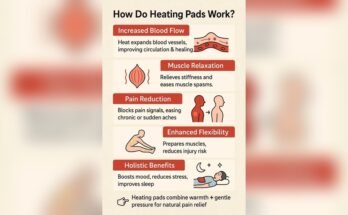
Heat works by increasing blood flow. When you apply a heating pad, blood vessels expand. This brings more oxygen and nutrients to the area, which helps muscles relax and heal. Heat also reduces the feeling of pain by blocking pain signals to the brain. This is called the gate control theory of pain.
Types Of Heating Pads
- Electric pads: Plug in and offer adjustable temperatures.
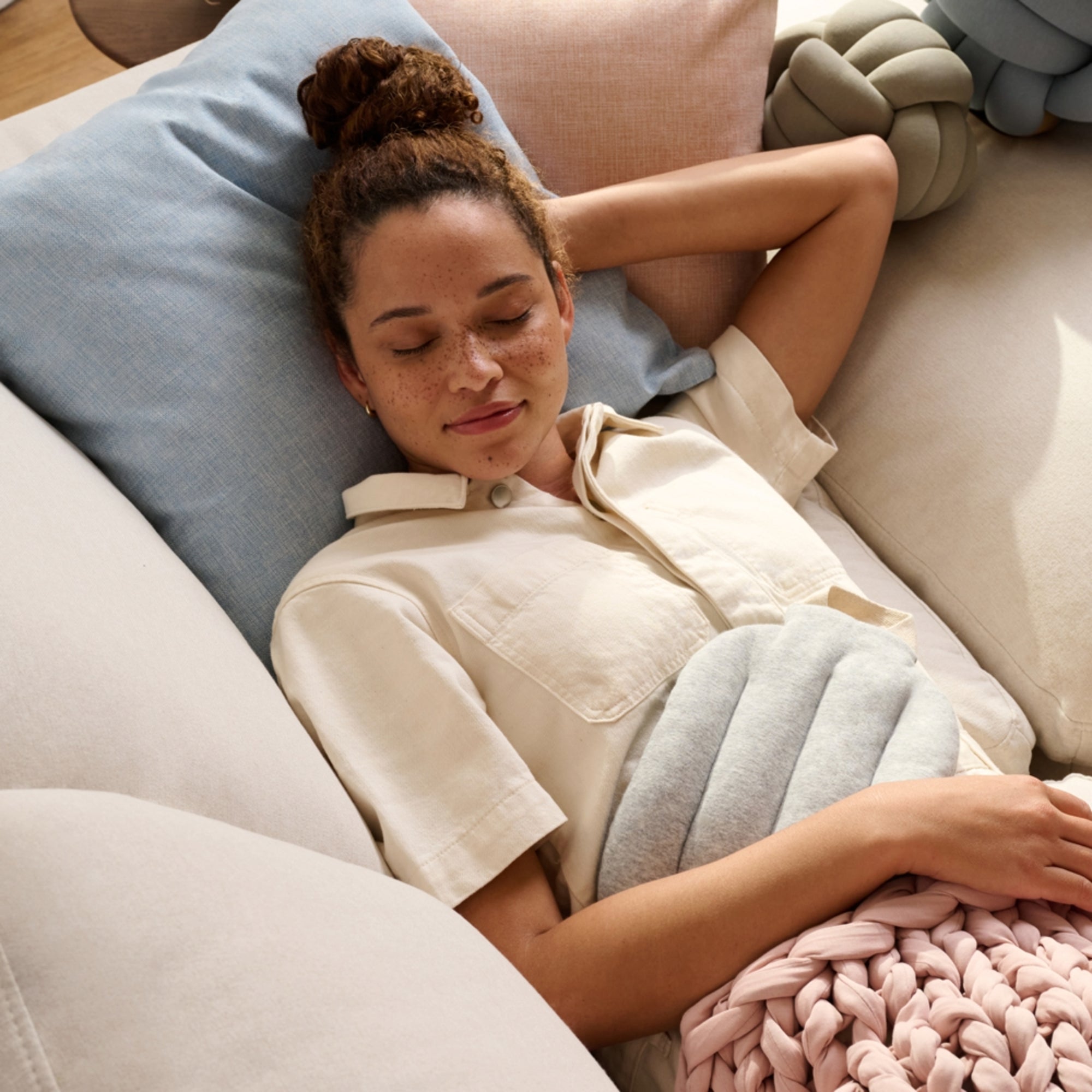
- Microwavable pads: Usually filled with rice, wheat, or gel. You heat them in the microwave.
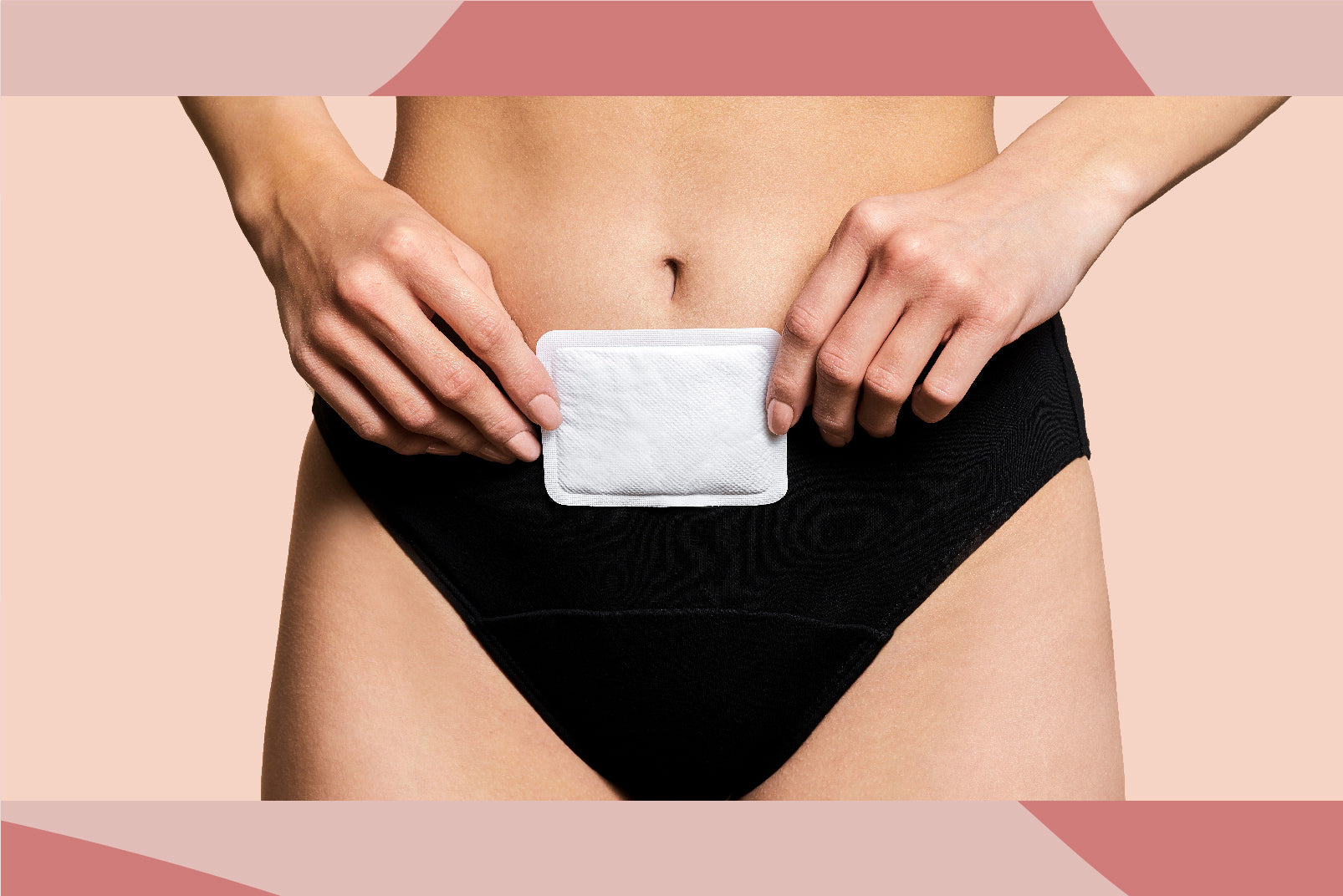
- Chemical/instant pads: Activate by pressing or shaking. Good for travel but not reusable.
Each type has pros and cons. Electric pads allow for longer use and steady temperature but require a power source. Microwavable pads are portable but lose heat over time. Chemical pads are one-time use but very convenient.
Can Heating Pads Help With Menstrual Cramps?
Menstrual cramps are one of the most common reasons people reach for a heating pad. But does science back up this home remedy?
What Research Shows
A study published in the journal *Evidence-Based Nursing* found that heat was as effective as some over-the-counter painkillers for menstrual cramps. In some cases, women reported relief within 30 minutes of using a heating pad. The heat helps relax the uterine muscles and increases blood flow, which reduces pain and tension.
Another study in *The Journal of Physiological Sciences* showed that women using a 104°F (40°C) heating pad reported significantly less pain than those who didn’t use heat.
How To Use A Heating Pad For Menstrual Cramps
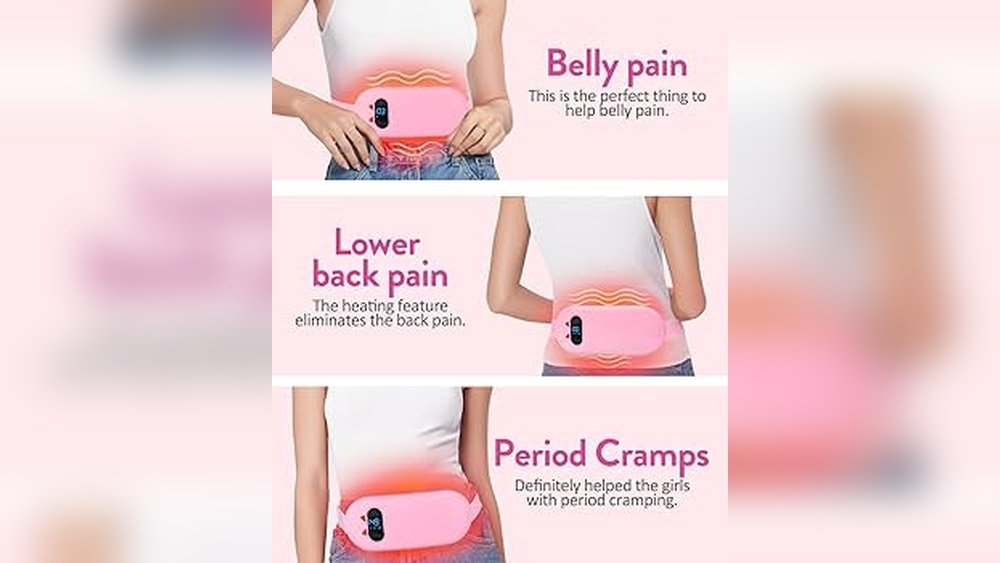
- Place the pad on your lower abdomen or back.
- Use a moderate heat setting (not too hot).
- Try 15-20 minutes at a time, then take a break.
- Repeat as needed, but avoid prolonged exposure to prevent skin burns.
Non-obvious Insights
- Warmth can help even before cramps start. Some women find relief by using a heating pad at the first sign of discomfort, not just after pain peaks.
- Movement plus heat works better: Gentle stretching or walking while using heat may offer extra relief compared to lying still.
Heating Pads For Muscle Cramps
Muscle cramps, especially in the legs, feet, or back, can be very painful. Can a heating pad help here too?
Why Heat Works For Muscles
When muscles cramp, they contract and can’t relax. Heat increases muscle elasticity and reduces stiffness, making it easier for the muscle to “let go.” Improved blood flow also helps flush out waste products like lactic acid, which can build up during exercise and cause pain.
Using Heat For Muscle Cramps
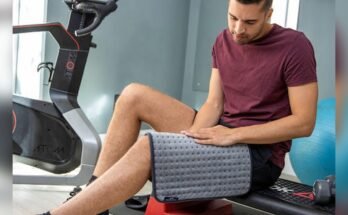
- Apply the pad directly to the cramped muscle.
- Use for 15-30 minutes, then rest.
- Drink water before and after, since dehydration can make cramps worse.
Real-world Example
Athletes often use hot packs after intense exercise to relax tight muscles. Physical therapists sometimes combine heat therapy with gentle massage for faster relief.
Non-obvious Insights
- Do not use heat on fresh injuries. If the cramp comes from a new sprain or strain (with swelling or bruising), ice is better for the first 24-48 hours.
- Alternate heat and cold: Some people find alternating heat (to relax the muscle) and cold (to reduce inflammation) helps stubborn cramps.
Comparing Heat To Other Pain Relief Methods
How does a heating pad stack up against other common cramp treatments? Here’s a look at some popular options:
| Method | How It Works | Pros | Cons |
|---|---|---|---|
| Heating pad | Increases blood flow, relaxes muscles | Non-drug, reusable, fast relief | Risk of burns if misused |
| Painkillers (NSAIDs) | Block pain, reduce inflammation | Widely available, fast-acting | Stomach upset, not for all users |
| Massage | Physically releases tension | Can relieve knots, soothing | Not always practical, can be costly |
| Ice packs | Reduces inflammation, numbs pain | Good for fresh injuries | Can worsen muscle stiffness |
| Stretching/exercise | Improves flexibility, prevents cramps | Long-term benefit | Hard to do during severe pain |
Are Heating Pads Safe?
Used correctly, heating pads are safe for most people. However, there are some important safety tips to follow.
Safety Tips
- Check the temperature: Always start with a low or medium setting. Never fall asleep with a heating pad on.
- Use a cover: Place a cloth between your skin and the pad to avoid burns.
- Time limits: Do not use for more than 20-30 minutes at a time.
- Skin checks: If your skin becomes red, remove the pad and let your skin cool.
People with reduced sensation (such as from diabetes or nerve problems) should be extra careful, as they might not feel burns developing.
Who Should Avoid Heating Pads?
- Babies and young children
- People with poor circulation
- Anyone with open wounds or recent injuries (use ice first)
- Those who can’t feel heat well due to nerve damage
If you’re unsure, check with your doctor before using a heating pad.
Choosing The Right Heating Pad
There are many heating pads on the market. Picking the right one depends on your needs and preferences.
What To Consider
- Size and shape: Small pads are good for period cramps; larger ones work better for back or thigh cramps.
- Heat settings: Look for adjustable temperature controls.
- Material: Soft, washable covers feel better against skin.
- Power source: Electric pads are good for home; microwavable or battery-operated pads are better for travel.
- Auto shut-off: This feature prevents overheating and is especially useful if you get sleepy during use.
Comparing Popular Types
| Type | Best For | Reusable? | Portability | Price Range |
|---|---|---|---|---|
| Electric | Home, long use | Yes | Low | $$ |
| Microwavable | Travel, quick use | Yes | High | $ |
| Chemical/instant | Outdoor, emergencies | No | Very high | $ |
Common Buyer Mistakes
- Buying too small: Tiny pads may not cover the painful area well.
- Ignoring auto shut-off: Overheating is a common risk with cheaper pads.
- Choosing the wrong type: Electric pads aren’t safe for travel or outdoor use.
Practical Tips For Using Heating Pads
Getting the most out of your heating pad is about more than just turning it on. Here are some practical steps:
Before Use
- Make sure the pad is clean and in good condition.
- Test the temperature with your hand before placing it on your skin.
- Wear loose clothing to let the heat penetrate.
During Use
- Place the pad over the cramp area, not on bare skin.
- Adjust the heat as needed.
- Move the pad slightly every 10-15 minutes to avoid overheating one spot.
After Use
- Let your skin cool before applying any creams or taking a hot shower.
- Store the pad in a dry, cool place.
When To See A Doctor
If cramps are severe, last several days, or come with other symptoms like fever, heavy bleeding, or numbness, see a healthcare professional. Heating pads are for mild to moderate pain—not a cure for underlying health problems.
Special Cases: When Heat Therapy May Not Work
While most people find relief with heating pads, there are situations where heat may not help—or could even make things worse.
When Not To Use Heat
- New injuries: Heat can increase swelling and bleeding.
- Infections: Heat may spread infection by increasing blood flow.
- Varicose veins or vascular disease: Extra warmth can stress unhealthy veins.
When To Try Something Else
- If cramps don’t improve after 3-5 days of heat therapy.
- If pain is sharp, sudden, or linked to trauma.
- If you have a medical device (like a pacemaker) in the area.
Combining Heat With Other Relief Methods
For many, the best approach is to combine heat therapy with other pain-relief strategies. Here’s how you can do it safely:
- Stretch before or after heat: Gentle stretches relax muscles further.
- Stay hydrated: Drink water to reduce risk of cramps from dehydration.
- Use over-the-counter painkillers if needed: Combine with heat for stubborn cramps, but follow dosage instructions.
- Try herbal teas: Some people find chamomile or ginger tea helps with menstrual cramps.
- Practice relaxation: Deep breathing or meditation can lower pain perception.
Do Heating Pads Really Work? What The Studies Say
Multiple research studies show heating pads are effective for many types of cramps, especially menstrual and muscle cramps. A review in *The Cochrane Database of Systematic Reviews* found that heat therapy reduced period pain in most women. Another study published in *BMC Women’s Health* showed that regular use of heating pads led to less pain, better sleep, and improved mood during menstruation.
However, the relief is often temporary—heating pads don’t treat the root cause, but they do make cramps easier to manage in daily life.
Popular Myths About Heating Pads
There are a few myths about heat therapy that can confuse people. Let’s clear them up.
Myth 1: Higher Heat Is Always Better.
Fact: Too much heat can burn the skin. Mild to medium warmth works best.
Myth 2: Heating Pads Can “cure” Cramps.
Fact: They relieve symptoms but don’t fix underlying problems like endometriosis or chronic muscle injury.
Myth 3: You Can Use A Heating Pad As Long As You Want.
Fact: Prolonged use increases risk of burns and skin damage. Take breaks!
Myth 4: Heating Pads Work For Everyone.
Fact: Some people feel little benefit from heat. Others may need to try different methods or combinations.

Real-life Stories: Heating Pads In Action
Many people rely on heating pads for regular pain relief. Here are a few examples:
- A college student: Uses a microwavable heat pack for period cramps during exams, finding it helps her focus better.
- A runner: Keeps a chemical hot pack in his bag for leg cramps after marathons.
- An office worker: Uses an electric pad for lower back spasms caused by sitting long hours, combined with standing breaks.
These stories highlight that heating pads are flexible and easy to use—fitting into many lifestyles.
The Bottom Line: Should You Try A Heating Pad For Cramps?
If you’re looking for a safe, drug-free, and affordable way to ease cramps, heating pads are a smart choice. They’re backed by science, easy to find, and can be used at home, work, or on the go. Just remember to use them safely and pay attention to your body’s signals.
If cramps are frequent, severe, or don’t improve with home treatment, talk to your doctor. Sometimes, cramps are a sign of an underlying condition that needs medical care.
For more details on the science of heat therapy, you can read this review on heat therapy for pain relief.
Frequently Asked Questions
What Temperature Should My Heating Pad Be For Cramps?
The ideal temperature is warm but not hot—usually between 104°F and 113°F (40°C to 45°C). Always start on the lowest setting and increase if needed. If the pad feels uncomfortable, it’s too hot.
How Long Should I Use A Heating Pad At One Time?
Use for 15 to 30 minutes at a time. Take a break before repeating. Do not leave a heating pad on for hours or overnight, as this increases the risk of burns.
Can I Use A Heating Pad During Pregnancy?
You can use a heating pad for short periods on the back or limbs, but avoid placing it on your belly. Always consult your doctor before using heat therapy during pregnancy.
Are There Any Side Effects To Using Heating Pads?
The main risk is skin burns if used improperly. Rarely, people may experience skin irritation or dryness. Always use a protective layer between the pad and your skin.
Is A Heating Pad Better Than Painkillers For Cramps?
Heating pads provide natural, non-drug relief and can be as effective as some painkillers for mild to moderate cramps. For severe pain, a combination may work best. Always follow your doctor’s advice if you need medications.
Cramps can disrupt your life, but you don’t have to suffer in silence. With the right knowledge and tools, like a quality heating pad, you can manage pain safely and get back to what matters most.