Living with arthritis can make even simple daily tasks feel overwhelming. Stiff joints, constant discomfort, and unpredictable flare-ups are common struggles for millions of people worldwide. If you’ve ever searched for relief at home, you might have wondered: can heating pads help with arthritis? The short answer is yes, but there’s much more to understand about why heat therapy works, when to use it, and how to choose the right heating pad for your needs.
This article explains everything you need to know about heating pads and arthritis. You’ll find out how heat affects your joints, which types of heating pads work best, how to use them safely, and what results you can really expect.
Whether you’re newly diagnosed or have managed arthritis for years, this guide helps you make informed decisions for your comfort and health.
What Is Arthritis And How Does It Affect The Body?
Arthritis is not just one disease. It’s a group of more than 100 conditions that cause joint pain, swelling, and stiffness. The most common types are:
- Osteoarthritis (OA): Wear and tear on the joints over time.
- Rheumatoid arthritis (RA): The immune system attacks joint lining.
- Psoriatic arthritis: Linked with psoriasis, causing both skin and joint issues.
- Gout: Sudden, severe pain from uric acid crystals in the joints.
The main symptoms are pain, swelling, reduced movement, and warmth in the affected joints. Over time, arthritis can damage cartilage and bone, making it harder to move and increasing pain. Many people experience worse symptoms in the morning or after inactivity.
Arthritis doesn’t just impact joints. Chronic pain can lead to sleep problems, fatigue, and even depression. Finding reliable ways to reduce pain and stiffness is important for both physical and mental well-being.
How Heat Therapy Works For Arthritis
Heat therapy has been used for thousands of years. But how does it actually help someone with arthritis?
When you apply heat to a sore area, several things happen:
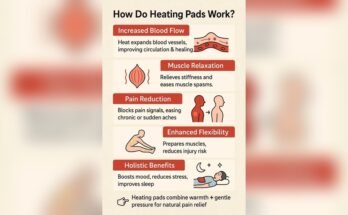
- Blood vessels open up (vasodilation), increasing blood flow.
- Muscles relax, which can ease spasms and tension.
- Joint fluid moves more easily, making stiff joints feel looser.
- Nerve signals change, which may reduce the feeling of pain.
For arthritis, this means that using a heating pad can:
- Decrease joint stiffness, especially after rest or in the morning.
- Ease muscle tension around the joints.
- Increase flexibility so you can move more comfortably.
- Provide a calming, soothing sensation that distracts from pain.
Scientific studies support these benefits. For example, research published in the *Journal of Clinical Nursing* found that older adults with arthritis who used heat packs reported less pain and better joint movement. However, heat therapy is not a cure. It helps manage symptoms but does not reverse joint damage.

Types Of Heating Pads For Arthritis
Not all heating pads are the same. Each type has its advantages and disadvantages. Here’s a comparison of the most common options:
| Type | How It Works | Best For | Pros | Cons |
|---|---|---|---|---|
| Electric Heating Pad | Plugs into an outlet, adjustable temperature | Consistent, long-term home use | Easy to use, precise temperature, reusable | Needs power, risk of burns if too hot |
| Microwaveable Pad | Heated in microwave, often filled with rice or gel | Quick relief, portability | No cords, flexible, portable | Heat fades quickly, can overheat if not careful |
| Hot Water Bottle | Filled with hot water | Localized joint pain | Simple, inexpensive, no electricity | Heat fades, risk of leaks |
| Chemical Heat Pack | Single-use packs that heat up when activated | On-the-go or travel | Portable, instant heat | Single use, less eco-friendly |
| Infrared Heating Pad | Uses infrared light to penetrate deeper tissues | Chronic pain, deeper relief | Penetrates deeper, some evidence for better relief | More expensive, may not suit everyone |
Choosing The Right Heating Pad
When selecting a heating pad, consider:
- Size and shape: Choose one that covers your painful area completely.
- Temperature controls: Adjustable settings help prevent burns.
- Material: Soft, washable covers are more comfortable.
- Safety features: Automatic shut-off is useful for forgetful moments.
- Portability: If you travel, microwaveable or chemical packs may be better.
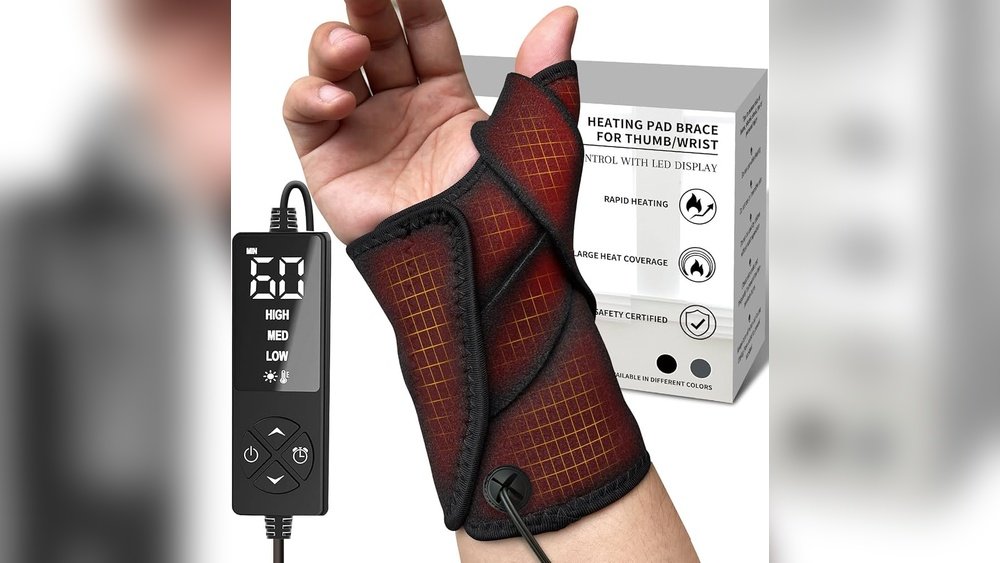
Non-obvious insight: Many people with arthritis in the hands or feet benefit from specialized mitts or booties that deliver heat more evenly than a flat pad.
When Should You Use A Heating Pad For Arthritis?
Heat therapy is not for every situation. Understanding when to use heat is key for safe and effective relief.
Best Times To Apply Heat
- Morning stiffness: Joints are often stiffest after sleep. Heat can make it easier to start moving.
- Before exercise: Warming joints before activity can help prevent injury and reduce discomfort.
- After long periods of sitting: If you’ve been inactive, heat helps loosen up.
- During flare-ups without swelling: Heat can ease muscle tension and general aching.
Times To Avoid Heat
- Active inflammation: If your joint is red, swollen, or hot, heat may make it worse. This is common in rheumatoid arthritis or gout flares.
- Open wounds or skin problems: Heat can delay healing or cause burns.
- Numb areas: If you have nerve damage and can’t feel temperature well, avoid heat to prevent burns.
Non-obvious insight: Cold therapy is usually better for sudden swelling or after an injury, while heat works best for chronic stiffness or muscle tension.
How To Use A Heating Pad Safely And Effectively
Heating pads are simple, but using them incorrectly can cause burns or skin irritation. Follow these steps for safe, effective relief:
- Test the temperature before applying to your skin. It should feel warm, not hot.
- Place a cloth or towel between your skin and the heating pad. Never apply directly.
- Limit each session to 15-20 minutes. Longer use increases the risk of burns.
- Check your skin every few minutes for redness or irritation.
- Don’t use while sleeping. You may not notice if the pad gets too hot.
- Keep liquids away from electric pads to prevent shock.
- Follow manufacturer instructions for your specific device.
Some heating pads offer moist heat—they produce steam, which can penetrate deeper and help with muscle spasms. However, too much moisture can cause burns, so use with care.
If you have diabetes, nerve damage, or poor circulation, talk to your doctor before using heat therapy. These conditions make you more likely to get burned without realizing it.
Comparing Heat Therapy To Other Arthritis Treatments
Heat therapy is just one tool for managing arthritis. Here’s how it stacks up against other common treatments:
| Treatment | Main Benefit | How Fast It Works | Side Effects | Best For |
|---|---|---|---|---|
| Heating Pad | Reduces stiffness, eases muscle tension | Within 15-20 minutes | Possible burns, skin irritation | Morning stiffness, after inactivity |
| Cold Pack | Reduces swelling, numbs pain | Within 10-15 minutes | Skin irritation, frostbite risk | Recent injury, swollen joints |
| Pain Medication | Decreases overall pain | Varies (minutes to hours) | Stomach upset, drowsiness | Moderate to severe pain |
| Physical Therapy | Improves strength, mobility | Weeks to months | Soreness, time commitment | Long-term joint health |
| Topical Creams | Temporary pain relief | Minutes | Skin rash, odor | Localized joint pain |
Heating pads are best for fast, temporary relief of stiffness or muscle tension—not for treating inflammation or severe pain. For many people, using heat together with other treatments gives the best results.

Benefits Of Using Heating Pads For Arthritis
People with arthritis report several advantages when using heating pads as part of their pain management routine:
1. Improved Flexibility
Stiff joints can make it hard to move in the morning or after rest. Applying heat increases tissue elasticity, making stretching and movement easier. Many people find they can perform daily tasks—like buttoning a shirt or climbing stairs—after using heat.
2. Reduced Muscle Spasms
Arthritis pain can cause muscles around the joint to tighten or spasm. Heat relaxes these muscles, reducing pain and making movement less painful.
3. Fast Symptom Relief
Unlike some medications or physical therapy, heat works quickly—often within 10 to 20 minutes. This makes it helpful for sudden aches or getting going in the morning.
4. Non-drug Option
Many people prefer to avoid extra medication. Heating pads provide relief without the side effects of pills or injections.
5. Emotional Comfort
Warmth is naturally soothing. The gentle heat of a pad can help reduce stress and improve mood, which is often overlooked in arthritis care.
Potential Risks And Drawbacks
While heating pads are generally safe, there are some risks to be aware of:
Burns And Blisters
Leaving a pad on too long or using it at a high temperature can cause burns, especially if you have reduced sensation in your skin.
Skin Irritation
Some materials or prolonged heat can cause redness or irritation. Always check your skin after use.
Not For All Types Of Arthritis
Heat can worsen symptoms if you have active inflammation, like during a rheumatoid arthritis flare. Cold therapy may be better in those times.
Temporary Relief Only
A heating pad does not treat the underlying cause of arthritis. It is a tool for symptom management, not a cure.
Real-world Tips For Getting The Most From Heating Pads
People living with arthritis often discover small tricks that make heat therapy more effective:
- Pre-warm your bed or chair with a pad before sitting or lying down.
- Use a timer to avoid falling asleep with the pad on.
- Layer clothing if you’re sensitive to heat, so you can adjust as needed.
- For hand arthritis, try dipping hands in warm water before using a pad for deeper relief.
- Combine with gentle movement: Stretching while using heat may increase flexibility more than heat alone.
Also, keep your heating pad clean. Wash removable covers regularly, and follow all care instructions to prevent bacteria buildup.
Scientific Evidence: What Research Shows
Many clinical studies have explored the effects of heat therapy for arthritis:
- A 2019 review in the Journal of Clinical Nursing found that heat packs significantly reduced pain and improved joint movement in older adults with osteoarthritis.
- Research in Arthritis Care & Research showed that moist heat (steam pads) worked better than dry heat for some people, especially for muscle tightness.
- The Arthritis Foundation supports heat therapy as a safe option for managing chronic joint pain and stiffness.
However, no study shows that heat therapy can reverse joint damage or stop arthritis progression. It is a supportive measure, not a primary treatment.
For more details on arthritis and heat therapy, visit the Arthritis Foundation.
Special Considerations For Different Types Of Arthritis
The type of arthritis you have may affect how you use a heating pad:
Osteoarthritis
Heat is usually very effective for stiffness and achy joints. Most people with OA can safely use heating pads daily.
Rheumatoid Arthritis
Heat can help during times of chronic aching, but avoid during active flares when joints are red, swollen, or hot.
Gout
Heat is not recommended during an acute attack—cold is better for sudden, severe pain and swelling.
Psoriatic Arthritis
Heat can ease muscle tension, but check for skin changes. If you have psoriasis plaques, avoid direct heat to those areas.
If you’re unsure, always ask your doctor or physical therapist for advice.
Common Mistakes To Avoid
Many people start heat therapy with good intentions, but make mistakes that reduce its effectiveness or cause harm:
- Using heat during active inflammation: This can make swelling or redness worse.
- Applying heat for too long: Overuse can cause burns or skin breakdown.
- Falling asleep with a pad on: Increases risk of burns.
- Using on numb skin: You may not feel if the pad is too hot.
- Skipping other treatments: Heat should be part of a larger arthritis management plan.
Always combine heat therapy with other healthy habits—like exercise, medication if needed, and regular doctor visits.
How To Choose The Best Heating Pad For Your Needs
With so many options, it helps to compare features based on your lifestyle and arthritis symptoms:
| Feature | Why It Matters | Best For |
|---|---|---|
| Size/Shape | Coverage for affected area | Large pads for back/hips, small for hands/knees |
| Temperature Settings | Personalized comfort, prevent burns | People with sensitive skin |
| Moist vs. Dry Heat | Moist penetrates deeper, dry is more convenient | Chronic muscle tension vs. daily use |
| Power Source | Home vs. travel use | Electric for home, microwave/chemical for travel |
| Shut-Off Timer | Safety feature to prevent burns | Anyone prone to forgetfulness |
Personal experience and trial-and-error often play a role in finding the perfect match. If you live with someone else, consider a pad with dual controls so each person can set their preferred temperature.
When To See A Doctor
Heating pads are safe for most people, but talk to your doctor if:
- Pain gets worse or does not improve after using heat.
- Joints become more swollen, red, or hot.
- You develop numbness, tingling, or skin changes.
- You are unsure if heat therapy is right for your type of arthritis.
Heat is one tool among many. Your doctor may recommend combining heat with exercise, medication, weight management, or physical therapy for best results.
The Bottom Line
So, can heating pads help with arthritis? For most people with chronic joint pain and stiffness, the answer is yes. Heating pads are a simple, drug-free way to reduce discomfort, improve flexibility, and make daily life more manageable. They are safe when used correctly and can be an important part of your arthritis care routine.
However, remember that heat therapy is not a cure. It works best for stiffness and muscle tension, not for active inflammation. Use it alongside other treatments for the greatest benefit. Always listen to your body, and talk to your healthcare provider if you have any doubts.
By understanding when and how to use heating pads, you can take control of your arthritis symptoms and enjoy more comfortable days.
Frequently Asked Questions
Can I Use A Heating Pad Every Day For Arthritis?
Yes, most people can use a heating pad daily for arthritis, especially for chronic stiffness or muscle tension. Just be sure to limit each session to 15-20 minutes and check your skin for irritation. Avoid using heat if your joint is swollen or inflamed.
Is Heat Or Cold Better For Arthritis Pain?
It depends on your symptoms. Heat is best for chronic stiffness and muscle tension, while cold is better for sudden swelling or after an injury. Some people alternate between the two for best results.
Are Heating Pads Safe For Everyone With Arthritis?
Heating pads are generally safe, but people with diabetes, nerve damage, or poor circulation need to be careful. Always check skin condition and avoid using heat on numb areas. Consult your doctor if unsure.
What Is The Difference Between Moist And Dry Heat?
Moist heat (like a damp towel or steam pad) can penetrate deeper into muscles and may feel more soothing for some people. Dry heat (like an electric pad) is more convenient and less messy. Both can help with arthritis; try each to see which works best for you.
Can Heating Pads Help With Rheumatoid Arthritis Flares?
No, heating pads are not recommended during active rheumatoid arthritis flares when joints are red, swollen, or hot. In these cases, cold therapy is usually better. Use heat only during non-flare periods for stiffness and muscle tension.