For many people, heating pads are a simple way to relieve pain. Sore muscles, backaches, period cramps, and even chilly nights—heating pads offer comfort and are easy to use. But, as safe as they may seem, there’s a hidden risk that most users overlook: burns. This problem is more common than many people think. It’s not just about discomfort; in some cases, burns from heating pads can be serious and lead to lasting injuries.
Understanding how and why heating pads can cause burns is important for anyone who uses them. People often ignore warnings, thinking they know how to use such basic products. However, burns can happen quickly—even when directions are followed. This article will explore how burns from heating pads occur, who is at risk, the science behind them, prevention tips, and what to do if a burn happens.
By the end, you’ll know how to use heating pads safely, recognize potential dangers, and protect yourself and your family from harm.
How Heating Pads Work
Heating pads use different methods to deliver warmth to the body. Some run on electricity, others use chemical reactions, and some are microwavable. But all types share the same purpose: they raise the temperature of a targeted area to help with pain relief or muscle relaxation.
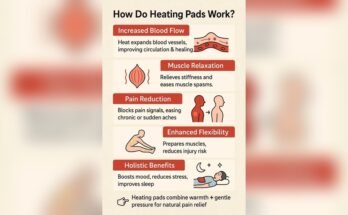
When you use a heating pad, the heat causes blood vessels to expand. This boosts blood flow, which helps muscles relax and reduces pain signals sent to your brain. That’s why heating pads are so popular for injuries, cramps, or chronic pain.
Types Of Heating Pads
1. Electric Heating Pads
These plug into an outlet. You set the temperature, and the pad heats up using internal wires.
2. Microwaveable Heating Pads
Filled with materials like rice or gel, these are warmed in a microwave and then applied to the body.
3. Chemical Heating Pads
Small, disposable pads that warm up when you squeeze, shake, or break a part of the pad, triggering a chemical reaction.
Each type has unique risks, but all can cause burns if misused.
Why Heat Can Be Dangerous
Your skin is sensitive to temperature. When heat is applied for too long or at too high a temperature, it can damage skin cells. The problem is, you might not always feel pain right away, especially if you have reduced sensation due to health conditions like diabetes or nerve damage.
How Heating Pads Cause Burns
Burns from heating pads are usually the result of thermal injury. This means your skin or tissues are damaged by excess heat. There are a few main ways this happens:
High Temperatures
Many electric heating pads can reach temperatures above 120°F (49°C). Skin starts to burn at around 111°F (44°C) if the heat lasts long enough. The higher the temperature, the quicker a burn can occur. For example, at 120°F, a burn may develop in just 10 minutes.
Prolonged Contact
Even moderate heat can cause burns if the pad stays in one place for too long. Most manufacturers advise using heating pads for only 15–20 minutes at a time, but many people leave them on for hours—sometimes overnight. This increases the risk of both first-degree (redness, pain) and second-degree burns (blisters, deeper damage).
Faulty Or Old Devices
Older heating pads or those with broken controls can overheat and fail to shut off, sometimes reaching dangerous temperatures. Worn cords or damaged insulation can also pose electrical risks.
Using Directly On Skin
Placing a heating pad directly on bare skin increases the risk of burns. Skin can’t dissipate heat as well without a layer of clothing or a towel, so it gets damaged faster.
Special Risks With Chemical And Microwaveable Pads
Chemical pads can overheat if not used as directed. Microwaveable pads can become “hot spots” if heated unevenly, especially if the microwave’s power is set too high or the pad is left in too long.
Who Is Most At Risk?
Anyone can get a burn from a heating pad, but some groups are at greater risk:
1. Older Adults
Aging skin is thinner and more fragile. Older people may also have reduced sensation, so they don’t feel the heat as quickly.
2. People With Diabetes
Diabetes can cause nerve damage (neuropathy), meaning the person might not sense when the pad is too hot.
3. Children And Infants
Their skin is more sensitive and thinner than adults.
4. People With Poor Circulation
Conditions like peripheral artery disease or spinal cord injuries can reduce blood flow and sensation, raising the risk of burns.
5. People Who Sleep With Heating Pads
It’s easy to ignore pain signals during sleep, allowing more time for burns to develop.
Types Of Burns From Heating Pads
Burns are not all the same. The type and severity depend on temperature, duration, and skin sensitivity.
First-degree Burns
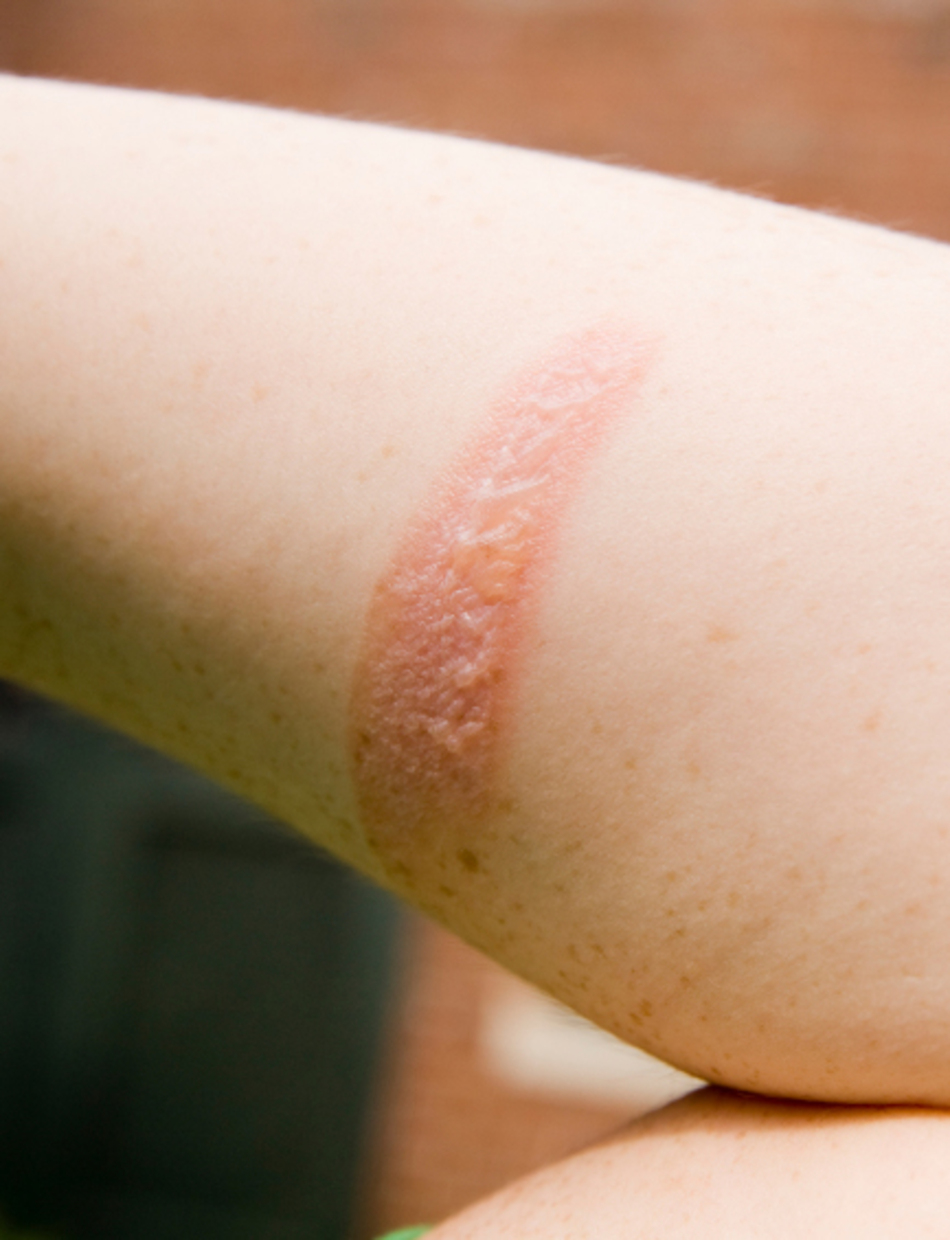
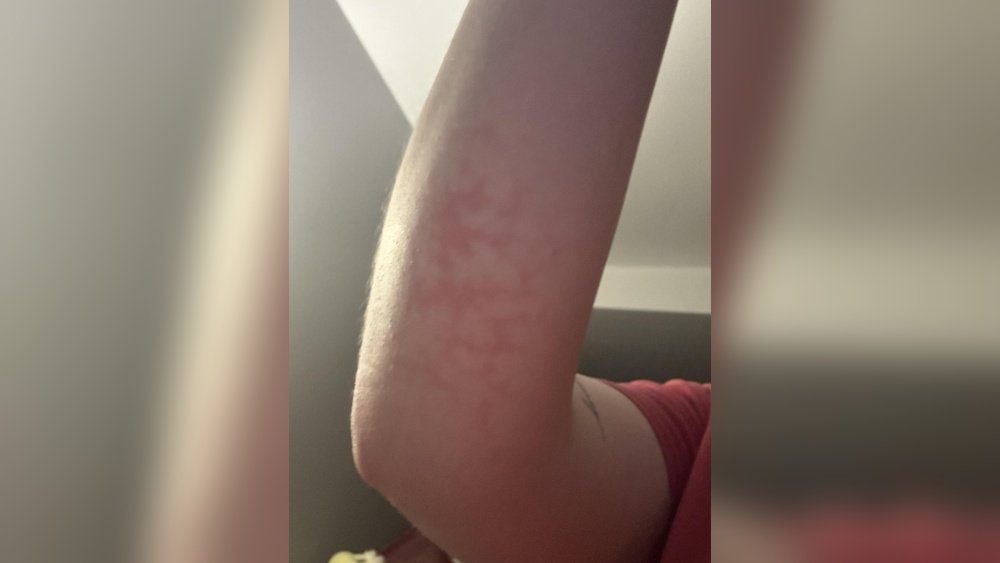
These affect only the top layer of skin. Symptoms include redness, mild swelling, and pain. They usually heal in a few days without scarring.
Second-degree Burns
These are more serious. Blisters, wet appearance, and deeper pain are common. The damage extends into the second layer of skin. Healing can take weeks and may leave scars.
Third-degree Burns
Rare with heating pads but possible, especially if the pad overheats or stays on for many hours. These burns destroy all layers of skin, may look white or charred, and often need medical treatment or surgery.
Real-world Data On Heating Pad Burns
Many people are surprised by how often heating pad burns are reported. Here’s an overview of data from hospitals and safety agencies:
| Year | Reported Cases (US) | Burn Severity | Common Causes |
|---|---|---|---|
| 2017 | 1,200+ | First & Second Degree | Overnight Use, Faulty Pads |
| 2019 | 1,500+ | Second Degree Mainly | Direct Skin Contact, Elderly |
| 2021 | 1,800+ | All Types | Prolonged Use, Neuropathy |
These numbers come from hospital emergency departments, but many mild burns are treated at home and never reported.
Notable Cases
- A 70-year-old woman with diabetes developed third-degree burns after falling asleep with a heating pad on her foot.
- Several children were hospitalized after parents used a microwaveable pad on bare skin for too long.
- In one study, nearly 10% of elderly patients admitted for burns had been injured by heating pads.
Early Signs Of Burns From Heating Pads
Recognizing a burn early can prevent it from getting worse. Look for these symptoms:
- Redness: The skin looks pink or flushed, often with mild swelling.
- Pain or tingling: Sometimes described as a “hot” or “burning” feeling.
- Blisters: Small bubbles filled with fluid. This means the burn is deeper.
- Dry or peeling skin: May develop in the days after using the pad.
One non-obvious sign: if an area feels numb or “dead” after using the pad, this can signal deeper nerve damage, especially in people with neuropathy.
How To Treat Heating Pad Burns
The right treatment depends on the severity of the burn. Here’s a step-by-step guide:
For Minor (first-degree) Burns
- Remove the heating pad immediately.
- Cool the area with cool (not cold) water for 10–15 minutes. This reduces swelling and pain.
- Gently pat dry. Don’t rub.
- Apply a sterile, non-stick bandage if needed.
- Take pain relievers like acetaminophen or ibuprofen if uncomfortable.
Do not use ice, butter, or ointments not meant for burns—they can make things worse.
For Second-degree Burns
- Follow the steps above.
- Do not pop blisters—they protect the skin beneath.
- Keep the area clean and watch for signs of infection (redness, pus, fever).
- If the burn is larger than 3 inches or on the face, hands, feet, or genitals, see a doctor.
For Third-degree Burns
- Seek medical help immediately.
- Cover with a clean, dry cloth but do not apply water or ointment.
- Do not try to remove clothing stuck to the burn.
When To See A Doctor
- If pain is severe or not improving after a few days.
- If you notice signs of infection.
- If you have underlying health problems, like diabetes, that slow healing.
- If the burn is on sensitive areas or is larger than your palm.
Prevention: How To Use Heating Pads Safely
Burns are preventable with a few simple steps. Most accidents happen when instructions are ignored or the user is distracted.
Safe Use Tips
1. Read The Manual
Always check the instructions, especially for new or unfamiliar devices.
2. Use A Barrier
Place a thin towel or cloth between the heating pad and your skin.
3. Set A Timer
Never use a heating pad for more than 20 minutes at a time. Many modern pads have automatic shut-off features.
4. Do Not Sleep With A Heating Pad
Falling asleep increases the risk because you can’t move away if it gets too hot.
5. Check The Temperature
Start at the lowest setting and increase only if needed. Test the pad’s warmth with your hand before placing it on your body.
6. Inspect Regularly
Look for frayed wires, cracks, or other damage before each use.
7. Keep Away From Water
Never use electric heating pads near water or with wet skin.
8. Store Properly
Roll, don’t fold, electric pads to avoid wire damage.
Special Advice For High-risk Groups
- Older adults and people with neuropathy should ask someone to check the skin every few minutes during use.
- Children should not use heating pads unsupervised.
- For those with poor circulation, speak to a doctor before using heating pads.
Safe Alternatives
For people at high risk of burns, alternatives may be safer:
- Warm towels soaked in hot water (wring out before use)
- Heated blankets with low settings and automatic shut-off
- Topical heat creams (use with medical advice)
Comparing Heating Pad Types: Which Is Safest?
Choosing the right heating pad depends on your needs, but safety should always come first.
| Type | Pros | Cons | Burn Risk |
|---|---|---|---|
| Electric | Adjustable temp, reusable | Needs power, risk of overheating | High if misused |
| Microwaveable | Cordless, portable | Hot spots, uneven heating | Medium |
| Chemical | Instant, disposable | Non-adjustable temp | Medium to high |
Electric pads are safest when they have an automatic shut-off and are used with a timer. Microwaveable and chemical pads are convenient but need careful handling to avoid hot spots.
Common Mistakes When Using Heating Pads
Even experienced users make mistakes that lead to burns. Here are some to avoid:
1. Using On Bare Skin
Always use a cloth barrier.
2. Ignoring Time Limits
Set a timer or use the pad’s auto-off feature.
3. Falling Asleep With The Pad On
This is a top cause of burns, especially in older adults.
4. Microwaving For Too Long
Read the instructions for your microwaveable pad. Overheating can create dangerous hot spots.
5. Using Damaged Pads
Frayed cords or cracked pads can cause uneven heating or electrical shocks.
6. Not Checking Skin Often
Look at the skin every 5–10 minutes, especially if you have reduced sensation.
7. Not Reading The Manual
Each product may have specific warnings or instructions.
Non-obvious Insights Most People Miss
1. Burns Can Happen Without Pain
Many believe they’ll feel a burn right away, but nerve damage (common in diabetes or aging) can block pain signals. The skin may be burning without you knowing.
2. Temperature Control Is Not Always Accurate
Even if a heating pad says “low,” it can get much hotter over time, especially if covered by blankets or clothing. Always check the actual surface temperature.
3. Skin Damage Is Cumulative
Repeated short uses at moderate heat can also cause long-term skin changes, like discoloration or chronic ulcers. It’s not only about single-use burns.
Product Safety Standards And Recalls
Manufacturers must follow certain safety rules, but not all heating pads are made equal. Look for pads with:
- Automatic shut-off (turns off after 15–30 minutes)
- UL or ETL certification (shows electrical safety testing)
- Clear instructions and warnings
Check consumer safety sites or the manufacturer’s website for recall notices. Never use a pad that has been recalled or lacks safety certification.
For more details, the U.S. Consumer Product Safety Commission shares updated information about heating pad safety and recalls at CPSC.gov.

What Doctors And Experts Recommend
Medical professionals agree that heating pads can be helpful, but they must be used with care. Physical therapists suggest:
- Limit use to 15–20 minutes at a time
- Always use a barrier
- Never use on numb areas or broken skin
- Monitor for redness or discomfort
If you have a medical condition that affects skin or sensation, talk to your doctor before using a heating pad.
Long-term Effects Of Heating Pad Burns
While most minor burns heal well, repeated or severe burns can cause:
- Scarring
- Skin discoloration (brown or white patches)
- Nerve damage
- Chronic wounds (ulcers that don’t heal)
This is especially true for older adults and people with diabetes.
Real User Experiences
Many people share stories online about heating pad burns:
- “I left my electric pad on my back and fell asleep. I woke up with a blister the size of a coin.”
- “My dad didn’t feel the pad getting hot on his leg because of his neuropathy. He ended up with a serious burn that took months to heal.”
- “I overheated a rice bag in the microwave and got a burn that blistered in a few hours.”
These real-life examples show how easily accidents can happen.
Frequently Asked Questions
Can You Get A Burn From A Low-heat Setting?
Yes. Even a low-heat setting can cause burns if the pad is left in one spot for too long. People with sensitive or thin skin are at higher risk. Always use a timer and check the skin often.
Is It Safe To Sleep With A Heating Pad?
No. Sleeping with a heating pad is dangerous because you may not feel if the pad gets too hot or if a burn is starting. Many burns happen overnight when users are not alert to pain.
What Should I Do If I Notice A Red Mark After Using A Heating Pad?
Stop using the pad right away and cool the area with water. If the mark does not fade in a day or if blisters develop, see a doctor. Do not apply ointments or creams unless directed by a healthcare provider.
Are Microwaveable Heating Pads Safer Than Electric Ones?
Both types can cause burns if misused. Microwaveable pads can develop hot spots if overheated, while electric pads may overheat if faulty. Always follow the instructions for your specific pad.
How Can I Tell If My Heating Pad Is Too Old Or Unsafe?
Check for cracked surfaces, frayed cords, or if the pad feels hotter than usual. If the controls are not working or if the pad has been recalled, stop using it. Replace old pads every few years for safety.
Staying safe with heating pads is about more than just comfort—it’s about protecting your skin and health. With smart use, you can enjoy the benefits of heat therapy without the risk of burns. If you’re ever unsure, ask a healthcare professional for advice.