Many people find comfort in using heating pads for pain relief or relaxation. When you have back pain, sore muscles, or just feel cold, a heating pad can help you feel better quickly. But an important question often comes up: can heating pads be used overnight? Many people want to use a heating pad while they sleep, hoping for long-lasting relief. However, it is not always clear if this is safe or effective.
In this article, you will find a complete answer to this question. You will learn about the benefits and risks, the types of heating pads, their safety features, and what doctors recommend. You will also see what can happen if you use a heating pad for too long and get practical tips for safe overnight use, if at all possible.
If you have ever wondered whether it is okay to fall asleep with a heating pad, this guide will help you understand everything you need to know.
How Heating Pads Work
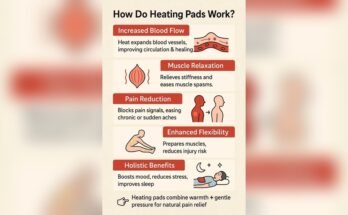
Heating pads are simple tools that use heat therapy to relax muscles and ease pain. The basic idea is that heat increases blood flow to the area where you place the pad. When blood flow improves, muscles loosen, stiffness goes away, and pain signals in the body can decrease.
Most heating pads fall into three main types:
- Electric heating pads: These use electricity to warm up a cloth or pad. They often have adjustable heat settings.
- Microwavable heating pads: These pads contain rice, gel, or other materials. You warm them up in a microwave for a few minutes.
- Chemical heat packs: These are single-use pads that heat up through a chemical reaction when you squeeze or break them.
Using a heating pad is usually simple. You place it on the painful area for a set amount of time, following the instructions. The heat should feel warm, not hot, to avoid burns or skin damage.
The Benefits Of Using Heating Pads
Heating pads are popular for good reasons. They offer many benefits, especially for people with chronic pain, muscle soreness, or joint stiffness.
- Pain relief: Heat therapy can reduce pain in the lower back, neck, or joints. It is often used for arthritis, menstrual cramps, or muscle injuries.
- Muscle relaxation: Heat helps muscles relax, which can ease tightness after exercise or a long day at work.
- Improved blood flow: When blood flow increases, healing happens faster. Injuries or strains can recover more quickly.
- Stress reduction: Many people find the gentle warmth calming, which can lower stress and help with sleep.
- Affordable and easy to use: Heating pads are simple, reusable, and don’t require a prescription.
These benefits explain why many want to use heating pads for hours, sometimes even overnight. But is that safe?

Risks Of Using Heating Pads Overnight
While heating pads help with pain, using them overnight comes with risks. Understanding these dangers is important before you sleep with a heating pad.
1. Burns And Skin Damage
The biggest risk is skin burns. If you fall asleep with a heating pad on your body, you may not notice if the pad gets too hot or slips out of place. Even a low heat setting can cause burns after several hours. People with diabetes, nerve damage, or sensitive skin are at higher risk because they may not feel the heat as strongly.
2. Fire Hazard
Electric heating pads plugged in overnight can be a fire hazard, especially if the pad is old, damaged, or does not have an automatic shut-off feature. According to the National Fire Protection Association, heating pads and electric blankets cause hundreds of house fires each year.
3. Dehydration And Overheating
Prolonged heat can cause dehydration or even increase your body temperature too much. This is especially dangerous for young children, elderly people, or those who have illnesses that affect temperature control.
4. Skin Irritation
Leaving a heating pad on one area for hours can lead to redness, blisters, or rashes. Some people develop mild burns that become serious infections if not treated.
5. Delayed Healing
Using heat for too long can sometimes slow the healing process. For injuries with swelling or open wounds, too much heat can make things worse instead of better.
Here’s a comparison of risks by heating pad type:
| Type | Burn Risk | Fire Hazard | Overheating Risk |
|---|---|---|---|
| Electric | High (if left on) | High (without auto shut-off) | Medium |
| Microwavable | Medium | Low | Medium |
| Chemical Pack | Low to Medium | Very Low | Low |
What Medical Experts Say
Doctors and physical therapists agree that heating pads are helpful when used correctly. However, most do not recommend using them overnight while you sleep.
- The American Burn Association warns that any heat source left on the skin for a long time can cause burns, even at low temperatures.
- Physical therapists often suggest using a heating pad for 15–30 minutes at a time, then taking a break.
- For people with diabetes or poor circulation, doctors usually recommend avoiding overnight use entirely. These people may not feel burns until the damage is serious.
A non-obvious insight: Even if you set a heating pad on “low” or wrap it in a towel, the risk of burns is still there if you fall asleep. Most burns happen not because the pad is “too hot,” but because the skin is exposed to any heat for many hours.
Safety Features To Look For
Some modern heating pads are designed with safety features that lower the risks. If you want to use a heating pad at night, it’s important to choose one with these features:
- Automatic shut-off: Turns the pad off after a set time (often 1–2 hours). This feature is essential for safe overnight use.
- Temperature control: Lets you set the heat to a low, medium, or high level.
- Overheat protection: Shuts the pad off if it gets too hot.
- Quality certification: Look for pads that are certified by safety groups (like UL or ETL marks).
Here’s a sample comparison of heating pad safety features:
| Feature | Older Pads | Modern Pads |
|---|---|---|
| Automatic Shut-off | No | Yes (most) |
| Overheat Protection | No | Yes |
| Multiple Heat Settings | Sometimes | Yes |
| Washable Cover | Rare | Common |
Can You Use A Heating Pad Overnight? The Real Answer
Most experts recommend not using a heating pad overnight while you sleep. The risks usually outweigh the benefits, especially if you do not have a pad with strong safety features.
However, there are some exceptions:
- If you use a modern pad with a reliable automatic shut-off (after 1–2 hours), and you position it under a thin sheet or blanket (not directly on your skin), the risk is lower. Still, it is safest if you stay awake or set an alarm to check.
- If you use a microwavable pad that cools down after 20–30 minutes, the risk of burns or fire is much lower. But the pad will not stay warm all night.
- Chemical packs are generally not made for overnight use, as their heat fades after 30–60 minutes.
A second non-obvious insight: Some people believe putting a heating pad under the mattress or on the bed is a safe way to keep warm all night. In reality, this can cause fires or damage the pad. Heating pads are designed for short use, not for heating beds.

Safe Alternatives For Overnight Warmth Or Pain Relief
If your goal is to stay warm or reduce pain overnight, there are safer alternatives to using a heating pad while you sleep.
- Electric blankets: These are made for overnight use, with built-in safety features. Make sure to use one with an automatic shut-off and do not layer heavy blankets on top.
- Heated mattress pads: These warm the bed safely and often have timers and adjustable settings.
- Warm bedding: Use flannel sheets or extra blankets instead of a heating pad.
- Microwavable pads: Use one before bed to relax muscles, then remove it before sleeping.
- Pain-relief creams or patches: Some creams give a warming feeling for hours and are safe for overnight use.
If you have chronic pain, talk to your doctor about other ways to manage pain while you sleep. They may suggest stretching, changing sleep positions, or different types of therapy.
Who Should Never Use A Heating Pad Overnight
Certain groups of people are at higher risk and should avoid using heating pads overnight, even with safety features.
- Children under 12: They may not notice burns or move the pad away if it gets too hot.
- People with diabetes: Nerve damage can make it hard to feel heat, leading to burns.
- Older adults: Thinner skin and less sensation increase the risk of injury.
- People with poor circulation: Blood flow problems can make skin more sensitive to heat.
- Anyone who takes sleep aids or sedatives: These drugs can prevent you from waking up if you feel pain.
If you are in any of these groups, it’s best to use heat therapy only while awake and alert.

Best Practices For Safe Heating Pad Use
If you still want to use a heating pad at night, even for a short time, follow these best practices:
- Set a timer: Only use the pad for 20–30 minutes at a time.
- Never sleep with a pad directly on bare skin: Always use a thin cloth or towel between your skin and the pad.
- Check your skin often: If your skin looks red or feels too hot, remove the pad right away.
- Use the lowest setting that helps: High heat is not always better and increases the risk of burns.
- Replace old pads: Worn or frayed cords can cause fires. Get a new pad every few years.
- Do not fold or bunch up the pad: Keep it flat to prevent overheating.
- Do not use with creams or ointments: Some can make your skin more sensitive to heat.
How To Tell If You’ve Used A Heating Pad Too Long
Sometimes, people do not notice the signs of too much heat until it’s too late. Here’s what to watch for:
- Redness or dark marks on your skin: This can be the first sign of a burn.
- Blisters: These mean the skin has been damaged.
- Pain that gets worse with heat: Remove the pad and let your skin cool down.
- Feeling sleepy or dizzy: Too much heat can affect your whole body.
If you see any of these signs, stop using the heating pad and let your skin recover. If you get blisters or open sores, see a doctor.
Common Myths About Heating Pads And Sleep
Many people have heard stories or advice about heating pads that are not true. Here are some common myths:
- Myth: Low heat is always safe overnight. In reality, even low heat can cause burns if used for hours.
- Myth: Auto shut-off means no risk. These features reduce risk but do not make the pad 100% safe.
- Myth: Heating pads help you sleep better all night. While the heat can help you relax, it does not treat sleep problems and may even wake you if you get too hot or burn your skin.
- Myth: Wrapping a pad in extra towels prevents burns. It may help, but heat can still build up over time.
Understanding the facts can help you use heating pads safely and avoid injury.
Real-life Examples: When Things Go Wrong
Many people have experienced heating pad injuries, often because they believed myths or did not know the risks.
- Case 1: A woman in her 50s with diabetes used a heating pad on her back overnight. She woke up with second-degree burns because she did not feel the heat. She needed weeks to heal and still has scars.
- Case 2: A man used an old electric heating pad with no shut-off feature. The pad overheated and started a small fire in his bed. Luckily, he woke up in time, but the mattress was damaged.
- Case 3: A teenager put a microwavable pad in the microwave too long, causing it to catch fire. The pad was ruined, and smoke filled the kitchen.
These examples show why it’s important to follow instructions and never ignore safety warnings.
Comparing Heating Pads To Other Pain Relief Options
Heating pads are just one tool for pain relief. Here’s how they compare to other common methods:
| Method | Best For | Risks | Overnight Use |
|---|---|---|---|
| Heating Pad | Muscle pain, cramps, stiffness | Burns, fire hazard | Not recommended |
| Cold Pack | Swelling, new injuries | Frostbite, nerve damage | Not recommended |
| Pain Relief Cream | Minor muscle/joint pain | Skin irritation | Yes (if used correctly) |
| Over-the-counter Pain Pills | General pain relief | Stomach upset, allergies | Yes (as directed) |
As you can see, heating pads are not meant for overnight use, while other options may work better for all-night relief.
What To Do If You Get A Heating Pad Burn
If you notice a burn from a heating pad, take these steps:
- Remove the pad right away.
- Cool the area with cool (not cold) water for 10–20 minutes.
- Do not pop blisters.
- Cover with a clean bandage.
- Watch for signs of infection: Swelling, redness, or pus.
- See a doctor if the burn is large, deep, or gets worse.
Never try to treat large or serious burns at home.
Final Thoughts
Heating pads are helpful for short-term pain relief, muscle relaxation, and stress reduction. However, using a heating pad overnight is risky, even with modern safety features. Most medical experts do not recommend sleeping with a heating pad on your body.
The risks of burns, fire, and skin damage are real and can lead to serious injury.
If you need overnight warmth or pain relief, try safer options like electric blankets with automatic shut-off, heated mattress pads, or pain-relief creams. Always follow the instructions for any heating device, and never use a heating pad for longer than recommended.
If you have a health condition like diabetes or poor circulation, ask your doctor before using any heat therapy device. Your safety is more important than a little extra comfort.
For more safety information on heating devices, you can visit the Wikipedia page about electric blankets.
Frequently Asked Questions
Can I Sleep With A Heating Pad On My Back All Night?
No, it is not safe to sleep with a heating pad on your back all night. Even on a low setting, you can get burns or start a fire. Use the pad for 15–30 minutes and then turn it off before sleeping.
What Is The Safest Heating Pad For Overnight Use?
Heating pads with automatic shut-off and overheat protection are the safest, but it is still not recommended to use them overnight. If you need all-night warmth, use an electric blanket designed for that purpose.
Are Microwavable Heating Pads Safe To Use While Sleeping?
Microwavable pads cool down after 20–30 minutes, making them safer than electric pads for short-term use. However, they do not stay warm all night and should not be used while sleeping.
Can Heating Pads Help With Sleep Problems?
Heating pads can help you relax and may make it easier to fall asleep, especially if you have muscle pain. But they do not treat sleep disorders and should not be used as a long-term sleep aid.
What Should I Do If I Get A Heating Pad Burn?
Remove the heating pad immediately, cool the burn with water, cover it with a clean bandage, and watch for signs of infection. If the burn is serious, see a doctor right away.