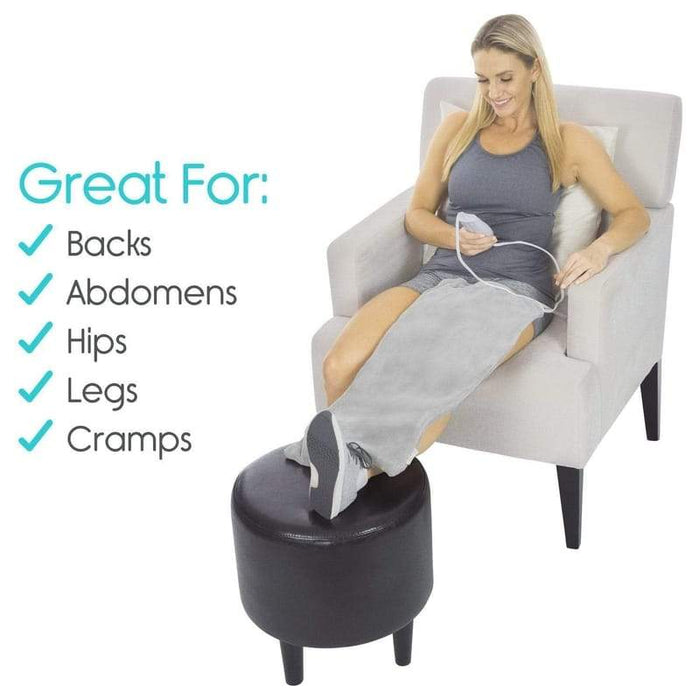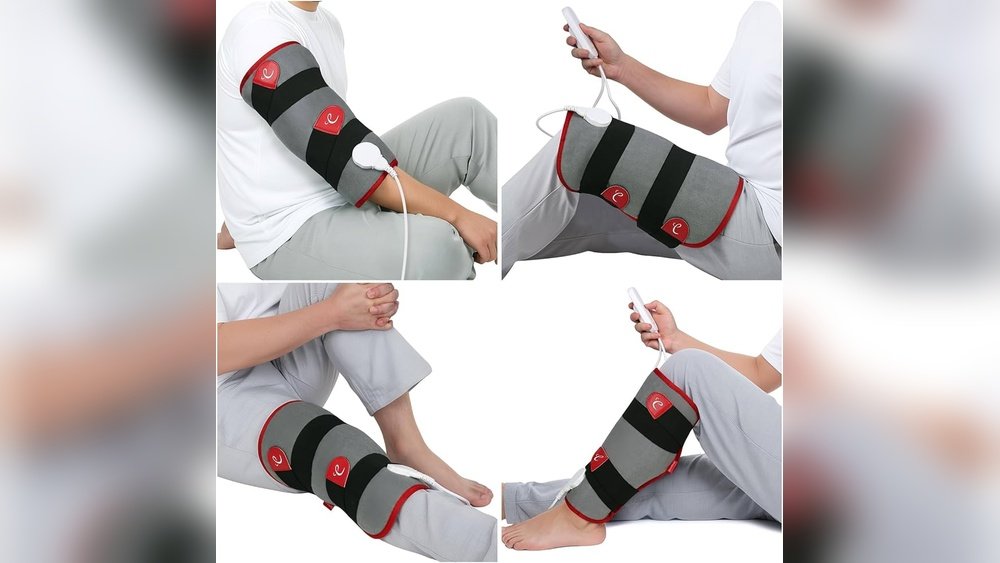
Many people experience leg discomfort, pain, or muscle tightness at some point in life. Whether from sports, long workdays, chronic health conditions, or simply aging, the legs often bear the brunt of our daily activities. One common home remedy people reach for is a heating pad.
But is it safe and effective to use heating pads on the legs? This question is especially important for people who are new to heat therapy or have health concerns.
In this guide, you’ll find clear answers about using heating pads on the legs, based on science and real-life experience. You’ll discover when it’s helpful, when to avoid it, how to use heat safely, the differences between types of heating pads, and tips you might not find on the product label.
By the end, you’ll know exactly how to use a heating pad for leg relief—and when it might be time to try something else.
How Heating Pads Work
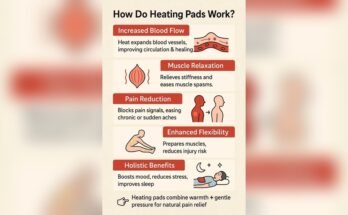
Heating pads are simple devices that apply heat therapy (also called thermotherapy) to the body. The idea is as old as ancient medicine: heat improves blood flow, relaxes tight muscles, and reduces discomfort. When you place a heating pad on your leg, it slowly raises the tissue temperature underneath.
There are two main ways heat helps:
- Vasodilation: Heat causes blood vessels to widen. This brings more oxygen and nutrients to the area, helping the body repair minor injuries or calm muscle spasms.
- Nerve signaling: Heat can block pain signals from reaching the brain, giving a mild numbing effect.
Different types of heating pads deliver heat in different ways, but the core principle is the same. The gentle warmth is not just comforting—it can support natural healing.
When Can Heating Pads Be Used On The Legs?
Not every type of leg pain or discomfort can be treated with heat. However, in many cases, a heating pad is a safe and effective choice. Some common situations where using a heating pad on the legs makes sense include:
Muscle Soreness
After exercise, delayed onset muscle soreness (DOMS) is common. This is the ache or tightness you feel a day or two after working out. Heat can help relax tight muscle fibers, reduce stiffness, and speed up recovery. Applying a heating pad for 15–20 minutes can ease soreness in the thighs, calves, or hamstrings.
Cramps And Muscle Spasms
Muscle cramps in the legs, especially at night, are uncomfortable. Heat increases circulation, which can quickly relax contracted muscles. People with restless leg syndrome also sometimes use heating pads for relief.
Chronic Joint Pain
Conditions like osteoarthritis and rheumatoid arthritis often cause chronic leg pain, especially in the knees. Heat can loosen stiff joints, making it easier to move. For arthritis, many doctors recommend alternating between heat and cold therapy.
Old Injuries Or Scar Tissue
If you have an old injury on the leg—like a healed muscle strain or scar tissue—heat can improve flexibility and reduce discomfort. It’s especially useful before stretching or physical therapy.
Menstrual Discomfort
Some people experience leg pain during menstruation. Heat therapy is a well-known way to ease period cramps and may also help with pain radiating down the thighs.
Poor Circulation
People with poor blood flow in the legs, such as those with diabetes or peripheral artery disease, sometimes use heating pads (with caution) to warm the legs and improve comfort. However, it must be done carefully to avoid burns.
When Not To Use Heating Pads On The Legs
While heating pads are helpful for many situations, there are some times you should avoid them. Using heat in the wrong situation can make things worse or even cause injury.
Fresh Injuries (first 48 Hours)
For new injuries like sprains, strains, or bruises, cold therapy is better than heat. Ice helps reduce swelling and numbs pain. Applying heat too soon can increase inflammation and delay healing.
Open Wounds Or Infections
Never use a heating pad on cuts, scrapes, or areas with signs of infection (such as redness, pus, or warmth). Heat can make infections worse by increasing bacterial growth.
Swelling And Inflammation
If your leg is swollen, hot, or red after an injury, skip the heat. Use cold packs instead until the swelling goes down.
Poor Sensation Or Nerve Damage
People with diabetic neuropathy or other nerve damage may not feel heat properly. This increases the risk of burns. Use extra caution or avoid heat altogether if you can’t sense temperature changes.
Blood Clots
Heat should never be applied over areas where there may be a deep vein thrombosis (DVT) or blood clot. The increased blood flow could cause the clot to move, which is dangerous.
Varicose Veins
While some people find relief, heat can make symptoms worse for others. If you have varicose veins, talk to your doctor before using a heating pad.
Benefits Of Using Heating Pads On The Legs
Heating pads offer several clear benefits when used correctly on the legs. Understanding these can help you decide if heat therapy is the right choice for your situation.
Pain Relief
The most obvious benefit is pain reduction. Heat can block pain signals and make you feel more comfortable, especially with chronic aches or muscle tension.
Improved Mobility
By relaxing muscles and loosening joints, heat therapy can make it easier to move your legs. This is especially helpful in the morning or after long periods of inactivity.
Faster Recovery
After exercise or minor injuries, heat can promote faster recovery by increasing blood flow. This helps remove waste products from muscles and brings in nutrients for repair.
Stress And Relaxation
The warmth of a heating pad often brings a feeling of relaxation and comfort. This can reduce stress and make it easier to sleep, especially if leg pain keeps you up at night.
Non-medication Approach
Heating pads offer a drug-free way to manage pain and discomfort. This is valuable for people who can’t take certain painkillers or prefer to avoid medication.
Types Of Heating Pads For Leg Use
There are many types of heating pads available. Choosing the right one for your needs can make a big difference in comfort and results. Here’s a comparison of the most common options:
| Type of Heating Pad | How It Works | Best For | Drawbacks |
|---|---|---|---|
| Electric | Plugs into an outlet; adjustable heat levels | Chronic pain, large areas | Needs power source; risk of burns if left on too long |
| Microwavable | Heats up in microwave; filled with rice, gel, or clay | Quick relief, travel | Heat fades quickly; not adjustable |
| Chemical | Single-use packs; air-activated | Outdoor use, emergencies | Not reusable; less control over temperature |
| Infrared | Uses light to penetrate deeper tissue | Chronic pain, deeper relief | Expensive; may not suit everyone |
| Moist | Adds moisture for deeper heat | Muscle tightness, spasms | Can get messy; needs water or a damp cloth |
Which Type Should You Choose?
- For daily use at home, electric heating pads are the most popular. They offer consistent heat and multiple settings.
- If you need something portable or for travel, microwavable or chemical pads are convenient.
- People with deep muscle pain sometimes benefit from infrared pads, though these cost more.
How To Use A Heating Pad On The Legs Safely
Safety is crucial when using heat therapy. Incorrect use can lead to burns, skin irritation, or make an existing condition worse. Follow these steps for safe and effective use:
- Check the skin first. Make sure there are no cuts, rashes, or signs of infection on your leg where you plan to apply the pad.
- Start with low heat. Especially if you’re new to heat therapy. You can increase the temperature if needed, but don’t start high.
- Place a cloth barrier. Never put a heating pad directly on bare skin. Use a thin towel or cloth to prevent burns.
- Limit usage time. Most experts recommend 15–20 minutes per session. Remove the pad if your skin gets too hot or uncomfortable.
- Don’t sleep with it on. Falling asleep with a heating pad on your leg increases the risk of burns.
- Check your skin afterward. Look for redness, blisters, or any signs of irritation.
- Stay hydrated. Heat can draw moisture from your skin. Drink water before and after use.
- Wait after injury. For fresh injuries, wait at least 48 hours before using heat, unless your doctor says otherwise.
- Avoid if you can’t feel heat. If you have nerve problems, ask a doctor before using a heating pad.
Practical Example
If you have sore calves after running, sit comfortably, place a thin towel over your leg, and put the heating pad on top for 20 minutes. Check your skin every 5 minutes. If you feel any burning or tingling, stop immediately.

Comparing Heating Pads: Features That Matter
The market is full of choices, but not all heating pads are created equal. Here’s a side-by-side comparison of key features to consider:
| Feature | Electric | Microwavable | Chemical | Infrared |
|---|---|---|---|---|
| Adjustable Temperature | Yes | No | No | Yes |
| Reusability | Yes | Yes | No | Yes |
| Portability | Low | High | High | Medium |
| Moist Option | Some models | Yes | No | No |
| Cost | $20–$50 | $10–$30 | $3–$10 per use | $50–$200 |
Two Insights Beginners Miss
- Size matters: Many people buy small heating pads, but for leg use, a larger pad covers more area and provides better comfort.
- Moist heat penetrates deeper: Adding moisture (with a damp towel or using a moist pad) can offer more relief for muscle tightness than dry heat alone.
Common Mistakes To Avoid
Even though heating pads are simple to use, people often make these errors:
- Using on bare skin: This is the most common cause of burns.
- Falling asleep with the pad on: Even automatic shut-off features are not foolproof.
- Ignoring time limits: Leaving the pad on for more than 30 minutes can cause skin damage.
- Applying heat to new injuries: This can make swelling worse.
- Not cleaning the pad: Pads can collect sweat and bacteria. Wash covers regularly.
Heat Vs. Cold: Which Is Better For Leg Pain?
It’s easy to get confused about when to use heat and when to use cold. Here’s a simple guide:
| Condition | Use Heat | Use Cold |
|---|---|---|
| Muscle soreness (after exercise) | Yes | Sometimes |
| Muscle cramps/spasms | Yes | No |
| Chronic joint pain (arthritis) | Yes | Sometimes |
| Fresh injury (<48 hours) | No | Yes |
| Swelling/inflammation | No | Yes |
| Old injury, stiffness | Yes | No |
A good rule: cold for new injuries, heat for old aches and stiffness.
Special Considerations For Certain Groups
Children
Children’s skin is more sensitive than adults. Use the lowest heat setting and supervise closely.
Seniors
Older adults have thinner skin and may not sense temperature changes as well. Use extra caution and check the skin often.
Pregnant Women
For general leg soreness, heat is usually safe. However, never use a heating pad on the abdomen or lower back during pregnancy without checking with a doctor.
People With Chronic Conditions
If you have diabetes, poor circulation, or nerve damage, talk to your doctor before using heat therapy. You may need special precautions.
Alternatives To Heating Pads For Leg Pain
If you don’t have a heating pad or want to try something else, consider these options:
- Warm bath: Immersing your legs in warm water can offer full-area relief.
- Heated gel packs: These are flexible and can wrap around the leg.
- Warm towels: Soak a towel in hot water, wring it out, and apply.
- Heat wraps: Disposable wraps for all-day warmth.
- Physical therapy: Exercises and stretches can reduce pain and improve mobility.
- Massage: Stimulates blood flow and relaxes muscles.
When To See A Doctor
While heating pads help with many common aches, some leg pain needs medical attention. Contact a doctor if:
- Pain is severe or sudden
- There is swelling, redness, or warmth that doesn’t go away
- You notice numbness, tingling, or weakness
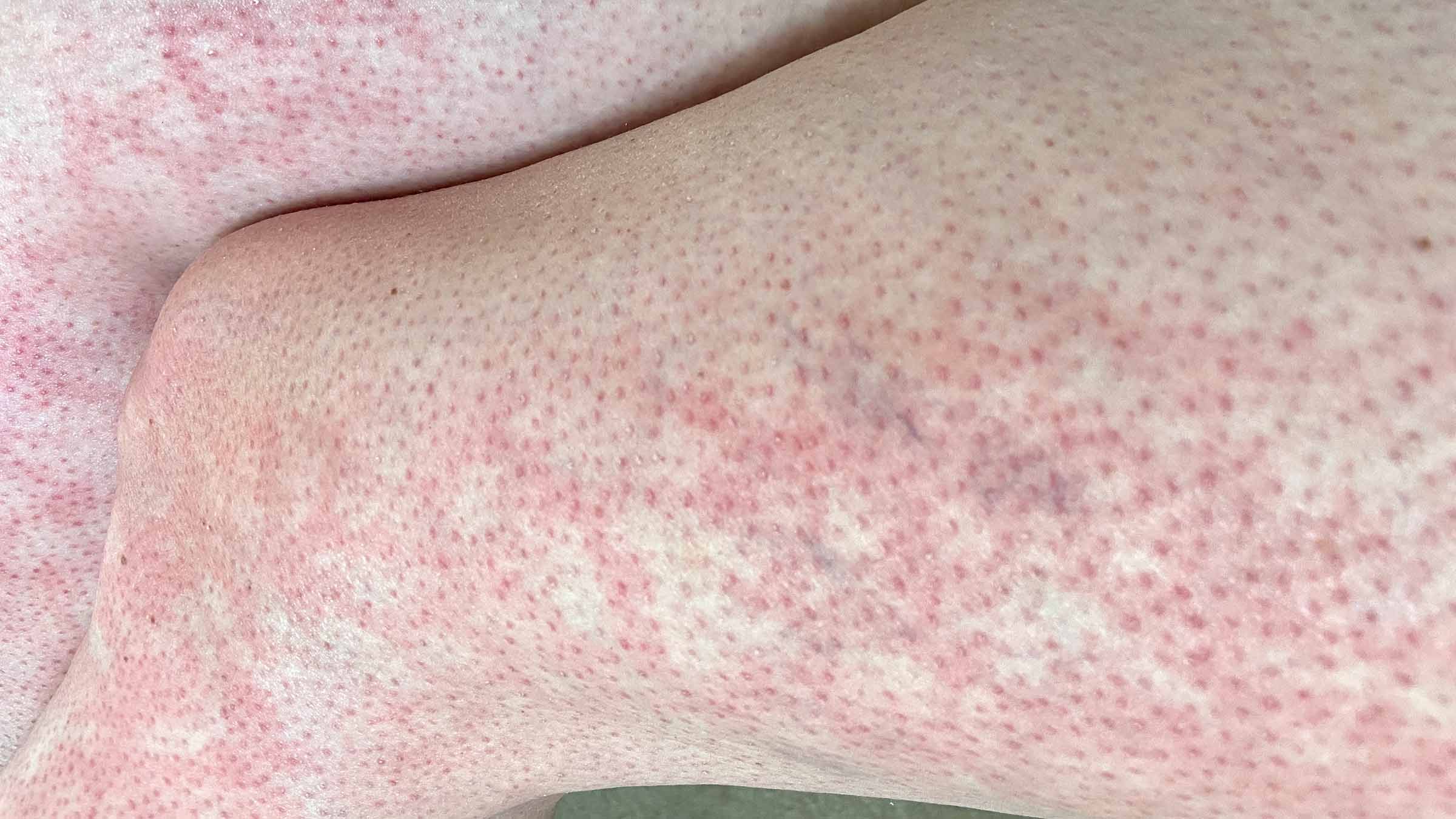
- The skin changes color or you see sores that won’t heal
- You suspect a blood clot (sharp pain, swelling, warmth)
These could signal serious problems that need more than home treatment.
Frequently Asked Questions
What Is The Best Temperature For A Heating Pad On The Legs?
Most experts recommend a medium setting, usually around 104°F to 113°F (40°C to 45°C). This is warm enough for relief but not so hot that it risks burns. Always use a towel barrier and check your skin regularly.
How Long Should You Leave A Heating Pad On Your Leg?
Limit sessions to 15–20 minutes at a time. You can repeat this several times a day, but always allow your skin to cool between uses. Prolonged heat can damage skin and tissue.
Are There Risks Of Burns With Heating Pads?
Yes, especially if the pad is too hot, left on too long, or placed directly on bare skin. People with nerve problems or poor sensation are at higher risk. Always use the lowest effective setting and never sleep with a heating pad on.
Can Heating Pads Help With Restless Leg Syndrome?
Some people with restless leg syndrome (RLS) find heat brings temporary relief, especially before bed. However, it doesn’t treat the root cause. If RLS is severe, talk to your doctor about other options.
Where Can I Find More Information About Heat Therapy And Leg Pain?
You can find detailed, research-based information on safe heat therapy at the Mayo Clinic website.
Using a heating pad on your legs can be a safe, effective way to manage pain and discomfort when used with care. The right technique, pad type, and timing are key for best results. Remember, heat is not for every kind of pain—listen to your body, and don’t hesitate to seek medical help if things don’t improve.
With a little knowledge, you can enjoy the benefits of heat therapy and keep your legs feeling their best.