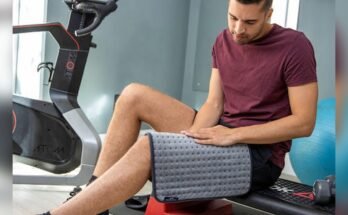
If you play sports, work out, or simply enjoy staying active, you’ve probably experienced a muscle strain, sprain, or other minor injury. For many people, the first solution that comes to mind is grabbing a heating pad. But is this really a good idea for sports injuries? The answer is not as simple as it seems. Heating pads can offer powerful relief in the right situation, but they can also make some injuries worse if used incorrectly. Understanding when and how to use heat therapy is key to a safe and quick recovery. This article covers everything you need to know—backed by science, real-life examples, and expert advice—so you can make smart choices for your body.
Understanding Sports Injuries
Sports injuries come in many forms. Some are sudden, like a twisted ankle or pulled muscle. Others develop over time, such as a sore knee or stiff shoulder. Before deciding if a heating pad is helpful, it’s important to know what type of injury you have.
Common sports injuries include:
- Muscle strains: Overstretching or tearing muscle fibers.
- Sprains: Stretching or tearing ligaments, often in the ankle or wrist.
- Tendonitis: Inflammation of tendons, usually from overuse.
- Bruises (contusions): Bleeding under the skin due to impact.
- Cramps: Sudden, painful muscle contractions.
- Delayed-onset muscle soreness (DOMS): Soreness that appears 24-72 hours after exercise.
- Joint injuries: Such as dislocations or cartilage damage.
Each injury has unique signs. For example, sprains often cause swelling and bruising, while muscle strains create sharp pain when moving. Correct treatment depends on identifying the injury type and its stage—fresh or already healing.
How Heating Pads Work
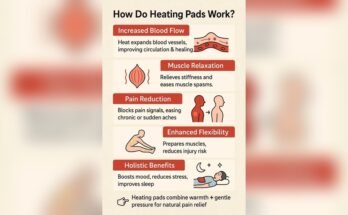
Heating pads use heat therapy (thermotherapy) to relax muscles and increase blood flow. There are different types of heating pads:
- Electric pads: Plug into the wall and offer adjustable heat.
- Chemical pads: One-time use, activated by bending or shaking.
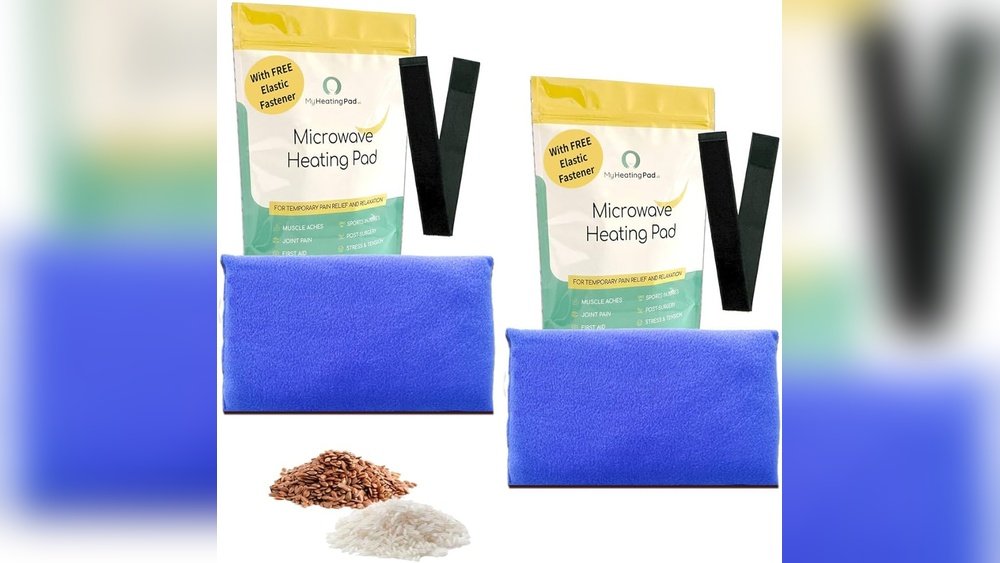
- Microwaveable pads: Filled with gel, seeds, or grains—heated in the microwave.
- Moist heat packs: Use steam or moist cloth for deeper heat.
When applied to the body, a heating pad warms the skin and the tissue beneath. This heat increases circulation, bringing more oxygen and nutrients to the area. It also helps loosen tight muscles and reduces stiffness.
But heat is not always the right answer—especially for fresh injuries, which we’ll explain next.

Heat Vs. Cold Therapy: What’s The Difference?
Many people confuse when to use heat and when to use cold. Let’s compare the two:
| Therapy | Best For | How It Works | When To Use |
|---|---|---|---|
| Heat (Heating Pad) | Stiff muscles, chronic pain, old injuries | Increases blood flow, relaxes tissue | After swelling goes down |
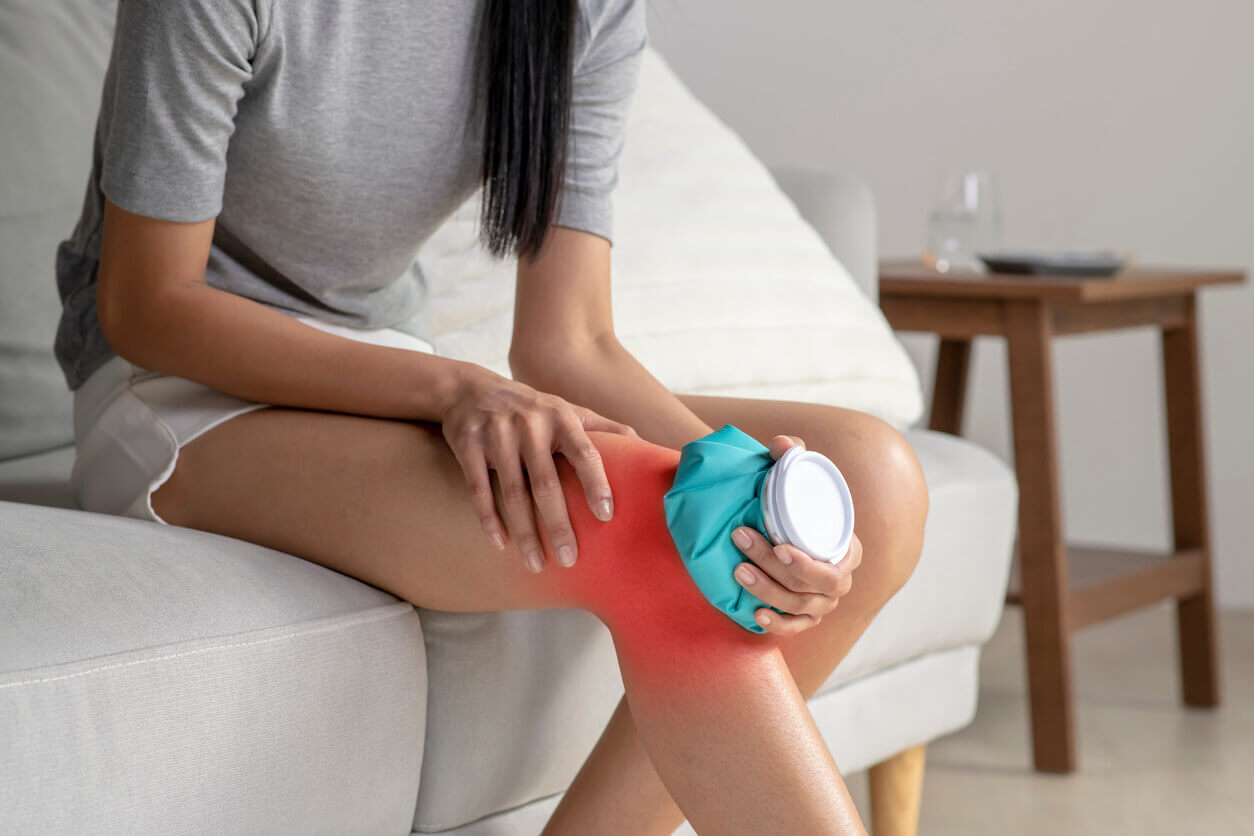
| Cold (Ice Pack) | Fresh injuries, swelling, bruises | Reduces blood flow, numbs pain | First 24-72 hours |
Cold therapy is usually better for new injuries because it limits swelling and reduces pain. Heat therapy is most helpful later, when the risk of swelling is gone. A common beginner mistake is using heat too early, which can make swelling and bleeding worse.
When Can You Use Heating Pads For Sports Injuries?
Heating pads are safest and most effective in these situations:
- After the first 48-72 hours: Once swelling and bruising have stopped, heat can help relax muscles and ease stiffness.
- For muscle spasms or cramps: Heat relaxes tight muscles, providing quick relief.
- Chronic pain or old injuries: Stiff joints and old strains often respond well to heat.
- Before physical activity: Warming up a stiff area before exercise can prevent injury.
Do not use a heating pad on a fresh, swollen, or bleeding injury. For example, if you just twisted your ankle and it’s puffy and red, use ice—not heat.
The Science Behind Heat Therapy
Research shows that heat therapy can speed up recovery by improving blood circulation and reducing muscle tension. In a study published by the National Institutes of Health, participants who used heat packs after exercise reported less muscle soreness and faster recovery compared to those who did not use heat.
How does this work? Heat opens up blood vessels (vasodilation), which brings more oxygen and nutrients to tissues and helps clear away waste products. This process supports healing, especially when tissues are tight or sore but not inflamed.
However, studies also warn that heat can make inflammation worse if used too early. That’s why timing is everything.
How To Use A Heating Pad Safely
Using a heating pad is simple, but doing it the wrong way can cause burns or slow healing. Here are some practical steps to follow:
- Wait at least 48-72 hours after the injury before applying heat.
- Set the pad on low or medium heat. High heat can burn the skin or cause discomfort.
- Place a cloth between the pad and your skin. Never put a heating pad directly on bare skin.
- Limit use to 15-20 minutes at a time. Check your skin every few minutes for redness or irritation.
- Don’t fall asleep with the pad on.
- Stop if you notice more swelling or pain. This means heat is not right yet.
Tip: For deep muscle pain, moist heat (like a warm, damp towel or moist heating pad) often penetrates better than dry heat.
Benefits Of Using Heating Pads For Sports Injuries
The right use of a heating pad can bring several benefits:
- Pain relief: Heat dulls pain signals and soothes aching muscles.
- Reduced stiffness: Loosen up tight muscles and joints, making movement easier.
- Improved flexibility: Heat allows better stretching and range of motion.
- Faster recovery from old injuries: Increases blood flow to support healing.
For example, a runner with tight hamstrings or a tennis player with a stiff shoulder might use a heating pad before stretching. This can help prevent further injury by preparing the muscles for movement.
When To Avoid Heating Pads
While heating pads are helpful in many cases, there are situations where they should not be used:
- Immediately after an injury: If the area is swollen, red, or warm, use ice instead.
- On open wounds or broken skin: Heat can worsen infection.
- If you have poor circulation or nerve damage: You may not feel burns or overheating.
- For certain medical conditions: Such as diabetes or vascular disease. Always check with your doctor.
A common mistake is thinking heat is always “safe” because it feels good. In fact, overuse can delay healing or cause burns, especially for people with sensitive skin.
Types Of Heating Pads: Which One Is Best?
Choosing the right heating pad depends on your needs, budget, and injury type. Here is a comparison of common options:
| Type | Pros | Cons | Best For |
|---|---|---|---|
| Electric Heating Pad | Adjustable heat, reusable, quick to use | Needs outlet, risk of burns if too hot | Home use, larger areas |
| Chemical Heat Pack | Portable, good for travel, single use | Limited heat duration, not adjustable | On-the-go, outdoor sports |
| Microwaveable Pad | Reusable, natural filling, moist heat option | Needs microwave, can cool off quickly | Home, targeted areas |
| Moist Heating Pad | Deeper heat, good for chronic pain | Can feel wet, needs a cover | Stiff joints, muscle knots |
Electric heating pads are most popular for home use because they’re easy to control and cover large areas. For travel or sports events, a chemical heat pack may be more convenient.
Common Mistakes With Heating Pads
Even experienced athletes sometimes use heating pads incorrectly. These are the most frequent errors:
- Applying heat too soon: This increases swelling and slows down recovery.
- Using high heat: Burns and skin damage are possible, especially for children or older adults.
- Leaving the pad on too long: Prolonged heat can actually worsen pain and damage tissue.
- Falling asleep with the pad: Serious burns can happen while you’re not aware.
- Not checking skin regularly: If you can’t feel the heat well (due to nerve issues), you might get hurt.
Non-obvious insight: Many people think “more heat equals faster healing.” In fact, gentle, moderate warmth is more effective and safer than high temperatures.
Heat Therapy For Different Sports Injuries
Let’s look at how heating pads fit into treatment for specific sports injuries:
Muscle Strains
After the initial swelling goes down (usually after 2-3 days), heat therapy can help relax tight muscle fibers and speed up healing. For example, a pulled hamstring may benefit from 15 minutes of moist heat before gentle stretching.
Sprains
Most sprains cause swelling, so avoid heat for the first 72 hours. Later, heat can help with stiffness, especially in the ankle or wrist. Always wait until the area is no longer swollen or bruised.
Tendonitis
Tendonitis (like tennis elbow or jumper’s knee) often feels stiff in the morning or after rest. Applying a heating pad before activity can loosen the area and reduce discomfort. Do not use heat if the tendon is visibly swollen or hot.
Bruises
Do not use heat on a fresh bruise. Once the bruise starts to fade (after a few days), gentle heat may help clear the blood and ease soreness.
Cramps
Heat is very effective for muscle cramps. Place a heating pad on the muscle for 10-15 minutes to relax spasms, especially during or after exercise.
Delayed-onset Muscle Soreness (doms)
After a hard workout, heat therapy can reduce soreness and stiffness. This is especially helpful for runners, cyclists, or anyone doing intense training.
Pro tip: Pair heat with gentle movement or stretching for best results.
How Does Heat Therapy Compare To Other Treatments?
Heat therapy is just one part of injury recovery. Here’s how it stacks up against other options:
| Treatment | Best For | Limitations |
|---|---|---|
| Heat (Heating Pad) | Stiffness, old injuries, muscle soreness | Not for new injuries, risk of burns |
| Cold (Ice Pack) | New injuries, swelling, bruises | Can cause numbness, not for chronic pain |
| Compression | Swelling, support | Can restrict blood flow if too tight |
| Elevation | Reduces swelling in limbs | Not practical for all body parts |
| Pain Medication | Severe pain, inflammation | Possible side effects, not a cure |
| Physical Therapy | Rehabilitation, long-term recovery | Needs professional guidance |
No single treatment is best for every injury. For most sports injuries, using a combination of methods—starting with ice, then moving to heat—is most effective.

Practical Tips For Using Heating Pads
If you decide to use a heating pad, these tips can help you get the most benefit:
- Start on the lowest setting. Increase heat slowly if needed.
- Test the pad’s temperature before using it, especially with new brands or products.
- Use a timer so you don’t accidentally overheat the area.
- Combine with gentle massage or stretching for better results.
- Drink water to stay hydrated, as heat can cause mild dehydration.
Non-obvious insight: For lower back or large muscle groups, use a larger pad that covers the full area. Small pads are better for wrists, elbows, or ankles.
Real-life Examples
Consider these scenarios:
- Soccer player with a muscle strain: She ices her leg for two days, then switches to a heating pad before practice to loosen the muscle.
- Runner with knee tendonitis: He uses a heating pad each morning to ease stiffness, then does gentle exercises.
- Weightlifter with DOMS: After an intense workout, he uses heat therapy that evening to reduce next-day soreness.
These examples show how heat can be part of a smart recovery plan—when used at the right time.
What Experts Say
Sports medicine doctors and physical therapists widely agree: heating pads are useful after the initial swelling has stopped. According to the American Academy of Orthopaedic Surgeons, “Heat can be used to relax and loosen tissues and to stimulate blood flow to the area. However, it should not be used right after an injury, when swelling is still present.”
Still unsure? Always ask your doctor or physiotherapist, especially if you have ongoing pain, a serious injury, or medical conditions like diabetes.
For more scientific research on heat therapy, see this NIH review.
When To See A Doctor
Most minor sports injuries heal with rest, ice, and heat. But see a doctor if:
- Pain is severe or getting worse
- You cannot move the joint or muscle
- There is numbness or tingling
- Swelling does not go down after a few days
- You have an open wound or suspect a broken bone
Using heat incorrectly can sometimes hide a more serious problem, so don’t be afraid to seek help.
Frequently Asked Questions
Can I Use A Heating Pad Right After A Sports Injury?
No, you should not use a heating pad immediately after a sports injury. For the first 48-72 hours, use ice to reduce swelling and pain. Heat can make swelling and bleeding worse if used too soon.
How Long Should I Use A Heating Pad For?
Limit each session to 15-20 minutes. Check your skin every few minutes to avoid burns. You can repeat sessions several times a day, but let the area cool down between uses.
Is Moist Heat Better Than Dry Heat For Sports Injuries?
Moist heat (like a damp towel or moist heating pad) often penetrates deeper and works better for muscle pain. Dry heat can be easier and less messy, but may not be as effective for some injuries.
Can I Sleep With A Heating Pad On?
No, do not sleep with a heating pad on. This can cause burns or overheating, especially if you fall asleep and cannot check your skin.
Should I Use Heat Or Cold For Muscle Soreness After Exercise?
Cold is best for new injuries or swelling, but heat works well for muscle soreness (DOMS) that starts 24-72 hours after exercise. Start with ice if you are unsure, then switch to heat once swelling is gone.
Heating pads can be a valuable tool for sports injury recovery—but only when used correctly. They offer comfort, reduce stiffness, and help your body heal after the first few days. Remember, never use heat on a fresh injury, and always check for swelling before switching from ice to heat. Choosing the right type of pad and following safe practices will help you get back to your favorite activities faster. If in doubt, consult a medical professional to make sure your treatment plan is safe and effective. For more on sports injury care, visit the American Academy of Orthopaedic Surgeons at OrthoInfo.