Many people search for ways to relax after a long, tiring day. Stress, muscle tension, and anxiety are part of modern life, and finding simple solutions can make a big difference. One tool that often comes up is the heating pad. But can heating pads really be used for relaxation? Or are they just for injuries and pain? This article explores the science and practical uses of heating pads for relaxation, including how they work, when to use them, safety tips, and common mistakes. Whether you are new to heat therapy or looking to improve your routine, you’ll find clear answers here.
How Heating Pads Work
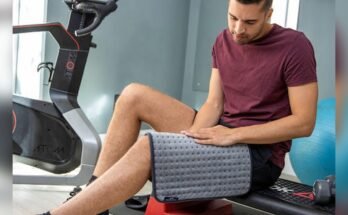
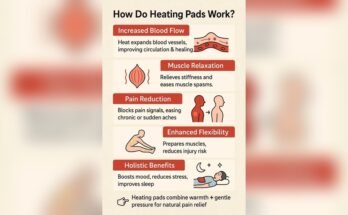
Heating pads use heat therapy (also called thermotherapy) to warm up a specific part of the body. The heat can come from electricity, hot water, microwavable gel, or even chemical reactions. When the pad touches your skin, it transfers heat into your muscles and tissues. This has several effects:
- Blood vessels open wider, increasing blood flow.
- Stiff muscles loosen up.
- Pain signals may be blocked or reduced.
- The mind receives a signal of comfort and warmth.
These effects are not just about pain relief. They also help your body and mind enter a relaxed state. For example, research shows that heat therapy can lower muscle tension, which is a big part of physical stress.
The Connection Between Heat And Relaxation
Heat has a long history in relaxation. Saunas, hot baths, and warm towels are used around the world to help people unwind. But why does heat make us feel calm? The answer involves both the body and the brain.
When you feel warmth, your body reacts in several ways:
- Muscles become less tight.
- Blood pressure may drop.
- The nervous system shifts from “fight or flight” to “rest and digest.”
- The brain releases more endorphins (natural chemicals that make you feel good).
A heating pad offers a simple way to get these effects at home, without a bath or a sauna.

Types Of Heating Pads For Relaxation
Not all heating pads are the same. Some are better for certain uses or body parts. Here is a comparison of the most common types:
| Type | Heat Source | Best For | Pros | Cons |
|---|---|---|---|---|
| Electric Heating Pad | Electricity | Back, neck, large areas | Easy to use, adjustable heat | Needs outlet, risk of burns if misused |
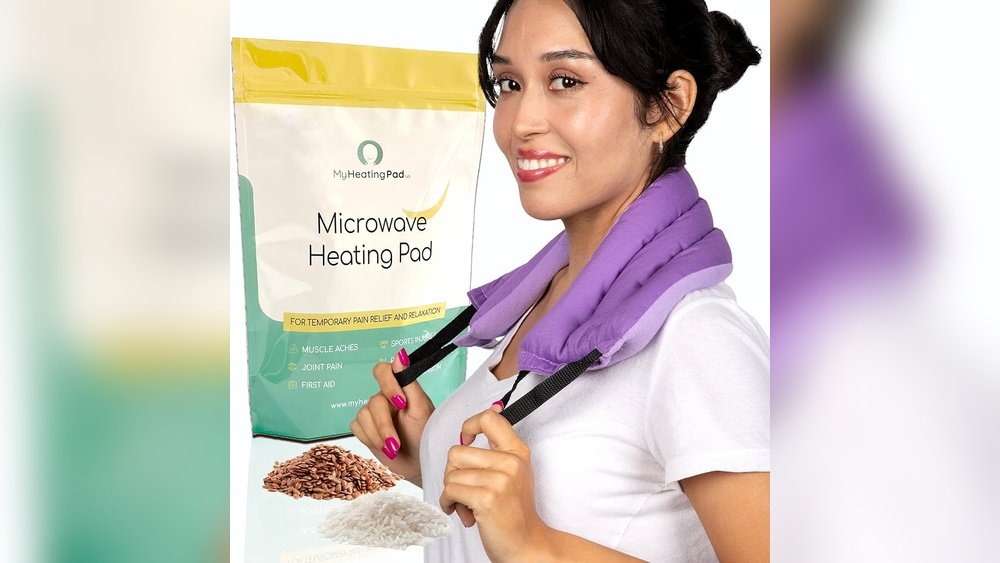
| Microwavable Pad | Heated in microwave | Joints, small muscles | Portable, no cords | Heat may not last as long |
| Hot Water Bottle | Hot water | Abdomen, feet, general warmth | Cheap, simple | Can leak, not adjustable |
| Chemical Heat Pad | Single-use chemical reaction | On-the-go, travel | Instant heat, disposable | Not reusable, less control |
Each type can be used for relaxation, but electric pads and microwavable pads are most popular for home use.
Benefits Of Using Heating Pads For Relaxation
Heating pads do more than just warm you up. Here are some of the main benefits that help with relaxation:
1. Reducing Muscle Tension
Heat makes muscles softer and less tight. This is especially helpful if you sit at a desk, do physical work, or have bad posture. A relaxed muscle is less likely to cause pain or stress.
2. Improving Blood Flow
Warmth opens up blood vessels. This means more oxygen and nutrients reach your muscles. Good blood flow can help your body heal small injuries and recover from daily stress.
3. Lowering Stress Levels
A warm pad sends comforting signals to your brain. This can help you move from a stressed state to a calm state. Many people find that using a heating pad before sleep helps them fall asleep faster.
4. Easing Anxiety
Physical warmth has a direct effect on your nerves. It can help slow down your heartbeat and breathing, making you feel more in control and less anxious.
5. Supporting Mindfulness
When you use a heating pad, you often sit still and focus on your body. This is similar to mindfulness meditation. You become more aware of your breathing and how your body feels, which can further reduce stress.
6. Non-drug Solution
Some people do not want to take medicine for stress or tension. A heating pad is a safe, non-drug way to relax, with very few side effects if used correctly.
Non-obvious insight: Many beginners do not realize that heating pads can help with mental relaxation, not just muscle pain. The act of applying heat can become a calming ritual, especially if you use it with deep breathing or soft music.
When And Where To Use Heating Pads For Relaxation
You can use a heating pad almost any time you need to relax, but some times and places are especially effective:
- After work, to unwind before dinner
- Before bed, to prepare for sleep
- On weekends, during a movie or reading time
- At your desk, during a short break (with a small pad)
Common body areas to target include:
- Neck and shoulders (for tension headaches)
- Lower back (for work-related pain)
- Abdomen (for menstrual cramps or digestive comfort)
- Feet (for general warmth and stress relief)
Many people do not realize that heating pads can be safely used on the stomach or feet for pure relaxation, not just injuries.
How To Use A Heating Pad For Relaxation
Follow these steps to get the most out of your heating pad:
- Choose the right pad for the body part you want to relax.
- Check the temperature before placing it on your skin. It should be warm, not hot.
- Place the pad over clothes or a thin towel, not directly on skin (to avoid burns).
- Set a timer for 15–30 minutes. Do not fall asleep with the pad on.
- Focus on your breath while using the pad. Breathe slowly and deeply.
- Combine with other activities like meditation, gentle stretching, or soft music for deeper relaxation.
Extra tip: Some heating pads have auto-off features. If yours does not, use a phone timer as a safety measure.
Safety Tips For Using Heating Pads
Heating pads are generally safe, but accidents can happen if you are not careful. Here are the key safety tips:
- Never use a heating pad on broken skin or open wounds.
- Always start with the lowest heat setting.
- Do not use for more than 30 minutes at a time.
- Check your skin often for redness or burns.
- Do not use while sleeping, unless the pad is designed for overnight use.
- People with diabetes, nerve damage, or poor circulation should ask a doctor before using heat therapy.
Non-obvious insight: Many people forget that pets or small children can touch a hot pad by accident. Keep heating pads out of reach when not in use.
Comparing Heating Pads To Other Relaxation Methods
Heating pads are just one way to relax. Here is a comparison with other common relaxation tools:
| Method | Relaxation Speed | Cost | Set-up Effort | Best For |
|---|---|---|---|---|
| Heating Pad | Fast (5-10 min) | Low to moderate | Very easy | Muscle tension, quick relaxation |
| Hot Bath | Medium (15-30 min) | Moderate (water, energy) | Medium effort | Full-body relaxation |
| Meditation | Slow to medium | Free | Low effort | Mental relaxation, anxiety |
| Massage | Medium to fast | High | High effort | Deep muscle tension |
| Aromatherapy | Medium | Low to moderate | Easy | Mood improvement |
This shows that heating pads are one of the fastest and easiest ways to get local relaxation, especially for muscle tension.
Who Should Avoid Heating Pads?
While heating pads are safe for most people, some should avoid or be careful with them:
- People with reduced sensation (like diabetic neuropathy) may not feel burns.
- Infants and very young children.
- People with certain skin conditions or open wounds.
- Those with circulation problems or certain heart conditions.
- Pregnant women should check with a doctor before using heat on the abdomen.
If you are unsure, always ask a healthcare provider before starting heat therapy.
Combining Heating Pads With Other Relaxation Techniques
Using a heating pad does not mean you cannot use other methods. In fact, combining heat with other relaxation tools can give better results:
- Play calm music or nature sounds during your session.
- Add aromatherapy with essential oils.
- Try guided meditation while relaxing with heat.
- Drink a cup of herbal tea for extra comfort.
- Use gentle stretching before or after the session.
Practical tip: Building a routine, such as “heat + music + tea” before bed, can train your body to relax faster over time.
Real-life Examples: Heating Pads For Relaxation
Let’s look at how different people use heating pads in their lives:
- Office worker: After 8 hours at a computer, Sarah uses a heating pad on her neck and shoulders while listening to quiet music. She feels less tension and sleeps better at night.
- Student: Mark uses a microwavable pad on his stomach during exam season. It helps reduce nervous tension and abdominal cramps.
- Parent: Lisa uses a heating pad on her lower back after lifting her toddler all day. She finds that 20 minutes with heat helps her unwind and prevents pain.
- Elderly person: John uses a hot water bottle on his feet before bed. The warmth helps him relax and fall asleep more easily.
These examples show that heating pads are useful for many ages and situations, not just for injury or illness.
The Science Behind Heat And Relaxation
Scientific studies support the use of heat for relaxation. For example, a study published in the journal Pain Research and Management found that local heat therapy reduced muscle stiffness and improved overall mood in adults with chronic muscle tension. Another study in the Journal of Physiological Sciences found that heat therapy can trigger the parasympathetic nervous system, which is responsible for deep relaxation and recovery.
One interesting fact: The skin has special nerve endings that react to heat. When these are stimulated, they send calming signals to the brain. This is why even gentle warmth can trigger a powerful relaxation response.
To learn more, you can visit the Wikipedia page on thermotherapy for a deeper dive into the medical science.

Heating Pads And Sleep Quality
Many people struggle with sleep. Using a heating pad before bed can help in several ways:
- The warmth signals to your body that it’s time to relax.
- Muscle tension goes down, making it easier to get comfortable.
- A short heat session can lower the heart rate and promote sleepiness.
However, it’s important to remove the heating pad before you fall asleep to avoid burns. If you often have trouble sleeping, try a heating pad as part of your evening routine for a week and see if your sleep improves.
Common Mistakes When Using Heating Pads
Many beginners make mistakes that reduce the relaxation benefits or even cause harm. Here are the most common errors:
- Using the pad on bare skin, which can cause burns.
- Falling asleep with the heating pad on.
- Setting the temperature too high.
- Using heat for too long (over 30 minutes).
- Not checking the pad for damage before use.
- Using the pad on areas with poor sensation or blood flow.
Pro tip: Always inspect your heating pad’s cord and cover for damage before each use. Replace old pads regularly.

How To Choose The Best Heating Pad For Relaxation
With so many options, how do you pick the right heating pad? Here are some key factors:
- Size: Larger pads cover more area, but smaller ones are easier to use on joints or while sitting.
- Heat settings: Adjustable heat lets you control comfort.
- Auto-off: This safety feature prevents overheating.
- Cover material: Soft, washable covers feel better and are easier to clean.
- Cord length: Longer cords give you more placement options.
- Portability: Consider if you want to use it at work, home, or while traveling.
| Feature | Why It Matters | What to Look For |
|---|---|---|
| Size | Covers right area | Small for joints, large for back |
| Heat Control | Comfort and safety | Low, medium, high settings |
| Auto Shut-off | Prevents overheating | Turns off after 20–30 minutes |
| Material | Skin comfort | Soft, washable fabric |
| Warranty | Product safety | At least 1-year warranty |
Non-obvious insight: Pads with a moist heat option (where you can add a little water) often provide deeper muscle relaxation than dry heat pads.
How Often Can You Use A Heating Pad For Relaxation?
For most healthy adults, it’s safe to use a heating pad once or twice a day, for 15–30 minutes each time. If you notice skin redness or irritation, take a break for a few days. If you have chronic pain or a medical condition, check with your doctor for a safe schedule.
Some people find a daily routine works best, while others use heat only when stressed or sore. The key is to listen to your body and avoid overuse.
Final Thoughts
Heating pads are more than a tool for pain relief—they can be a powerful way to relax your body and mind. By understanding how heat works, choosing the right pad, and using it safely, you can add a simple and effective relaxation method to your daily routine.
Remember, relaxation is not a luxury. It’s a part of good health. If you want a quick, affordable, and comforting way to unwind, a heating pad is worth considering.
Frequently Asked Questions
Can I Use A Heating Pad Every Day For Relaxation?
Yes, most people can use a heating pad daily for 15–30 minutes. Just make sure your skin does not get red or burned, and always follow safety tips. If you have a medical condition, ask your doctor first.
Is It Safe To Fall Asleep With A Heating Pad On?
It is not recommended to sleep with a heating pad on, unless it has a special “overnight” setting and auto shut-off. Most pads can cause burns if left on too long. Set a timer and remove the pad before you fall asleep.
Can Children Use Heating Pads For Relaxation?
Children can use heating pads, but only with adult supervision and on the lowest heat setting. Never let a child use a heating pad alone or while sleeping.
What Is The Best Type Of Heating Pad For Stress Relief?
Electric and microwavable heating pads are best for stress relief because they are easy to use and can be placed on the neck, back, or abdomen. Look for pads with adjustable heat and a soft cover for comfort.
Can Heating Pads Help With Anxiety Or Just Muscle Pain?
Heating pads can help with both anxiety and muscle pain. The warmth can calm the nervous system, slow the heart rate, and make you feel safe and relaxed, which helps lower anxiety as well as physical tension.