After a tough workout, your muscles often feel sore, tight, or tired. Many people wonder if heating pads can help with post-workout recovery. There’s a lot of information out there, but not all of it is clear or practical. If you want to recover faster, reduce pain, and avoid injury, it’s important to know when and how to use heating pads after exercise.
This guide gives you simple, science-backed advice for using heat therapy safely and effectively.
Why Muscle Recovery Matters After Workouts
When you exercise, especially if you push your limits, your muscles go through tiny tears and stress. This is normal. Your body repairs these micro-tears, making your muscles stronger over time. But sometimes, you feel delayed onset muscle soreness (DOMS), stiffness, or even mild injury. Proper recovery helps your muscles heal, reduces pain, and prepares you for your next session.
Ignoring recovery can lead to:
- Longer-lasting pain
- Reduced performance
- Higher risk of injury
Simple recovery steps like rest, nutrition, stretching, and sometimes heat therapy can make a big difference. But is a heating pad the right choice right after a workout? Let’s dig deeper.
How Heating Pads Work
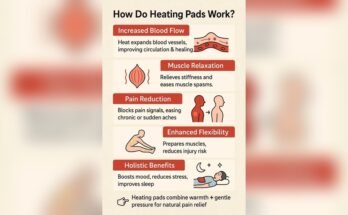
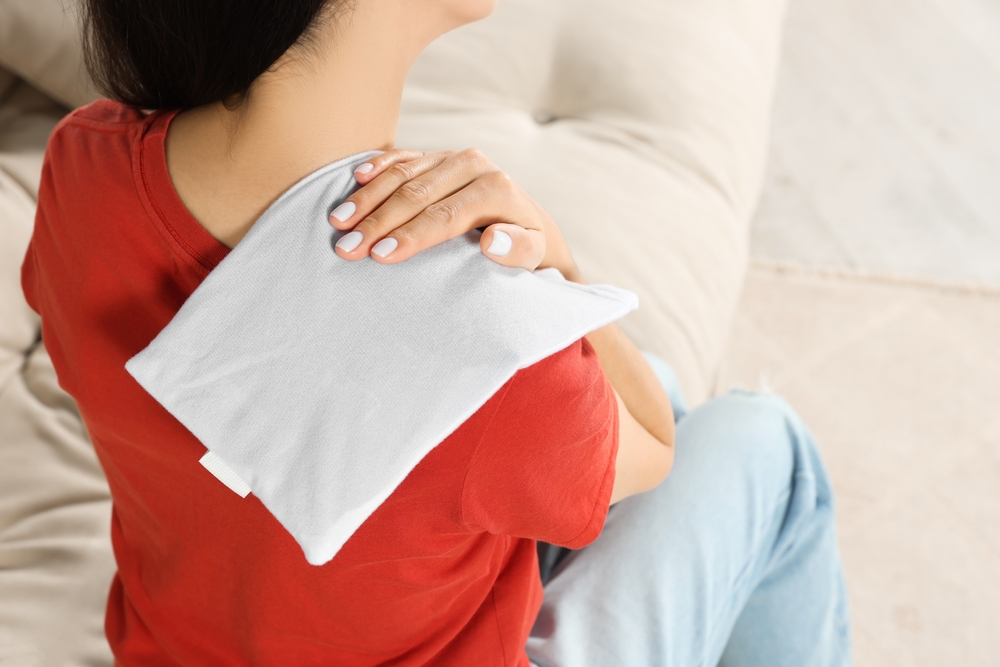
A heating pad is a device that uses dry or moist heat to warm up a specific part of your body. The heat increases blood flow to the area, which helps bring more oxygen and nutrients. This process can:
- Relax tight muscles
- Reduce stiffness
- Relieve mild aches
There are different types of heating pads:
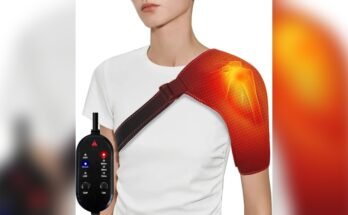
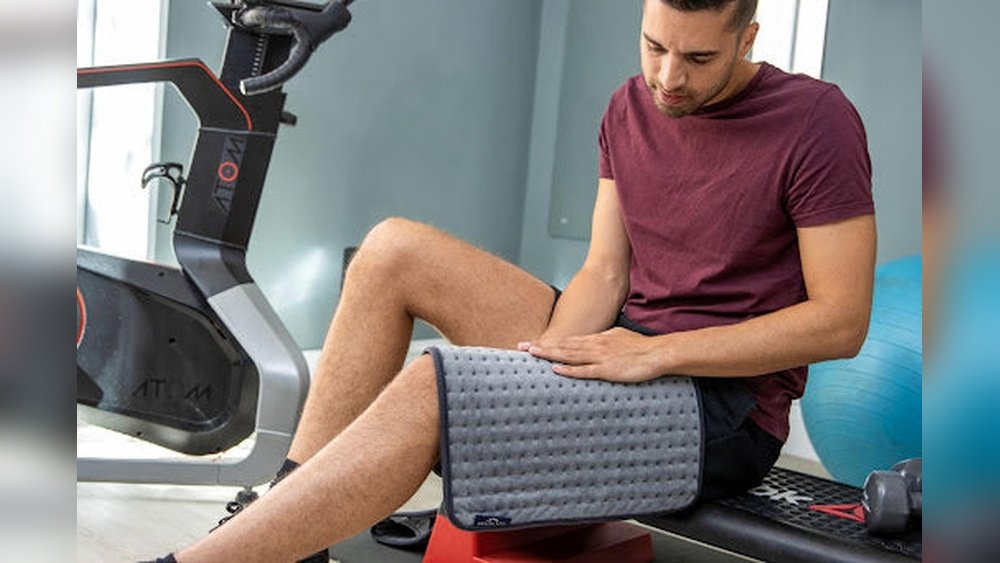
- Electric heating pads (plug into the wall)
- Microwaveable pads (filled with gel, rice, or beads)
- Chemical heat packs (one-time use, activate by squeezing or bending)
Heat therapy has been used for thousands of years. Today, it’s still a popular choice for muscle pain, stiffness, or general discomfort.
When Should You Use A Heating Pad After Workouts?
The best time to use a heating pad is not always right after you finish exercising. The timing depends on what your body needs.
Right After A Workout (first 0-24 Hours)
Most fitness experts and sports doctors recommend using ice packs (cold therapy) if you have:
- Swelling
- Sharp pain
- Signs of injury (like a pulled muscle)
Cold therapy reduces inflammation and numbs pain. Using a heating pad immediately after a heavy workout can sometimes make swelling worse.
24 Hours After A Workout (and Beyond)
If you have muscle tightness or lingering soreness—but no swelling or injury—heat can be helpful. A heating pad:
- Increases circulation
- Loosens stiff muscles
- Feels soothing
This is often the best window to use heat: after the first 24 hours, when your body is past the initial inflammation phase.
For Chronic Muscle Soreness
If you work out regularly and get chronic muscle tightness (especially in your lower back, neck, or shoulders), heating pads can be part of your routine. Many athletes use heat as a tool to relax muscles before stretching or mobility work.
Benefits Of Heating Pads After Exercise
Using a heating pad correctly offers several advantages:
- Relieves Muscle Stiffness: Heat helps relax and lengthen muscle fibers, making it easier to move.
- Eases Soreness: Warmth can block pain signals, giving you comfort after a tough session.
- Improves Flexibility: Looser muscles mean better range of motion for your next workout.
- Promotes Blood Flow: More blood brings nutrients for faster muscle repair.
- Reduces Stress and Tension: The soothing effect of heat can help you unwind, both physically and mentally.
Data-driven Insight
Research published in the *Journal of Clinical Medicine* found that heat therapy after exercise reduced muscle soreness and improved flexibility in healthy adults. But the same study warned that heat should not be used on fresh injuries or swollen areas.
When Not To Use A Heating Pad After Workouts
There are times when heat can actually make things worse. Avoid heating pads if you have:
- Acute injuries: Sprains, strains, or anything that swells quickly.
- Inflammation: Red, warm, or puffy spots.
- Open wounds or cuts: Heat can slow healing.
- Loss of sensation: If you’re numb, heat can burn your skin.
If you’re unsure, start with ice for the first 24 hours, then switch to heat if needed.
Heat Vs. Cold Therapy After Exercise
Many people confuse heat and cold therapy. Here’s a quick comparison to clear things up:
| Therapy Type | Best For | When to Use | How It Works |
|---|---|---|---|
| Heat (Heating Pad) | Muscle stiffness, chronic aches | 24+ hours after workout | Increases blood flow, relaxes muscles |
| Cold (Ice Pack) | Swelling, sharp pain, recent injuries | First 0-24 hours after workout or injury | Reduces inflammation and numbs pain |
Key insight: Heat and cold are not interchangeable. Using the wrong therapy at the wrong time can slow your recovery.
How To Use A Heating Pad After Workouts
If you decide heat is right for you, follow these steps for safe and effective use:
- Wait at least 24 hours after a heavy workout or injury.
- Check your skin: Make sure you don’t have swelling, redness, or open wounds.
- Set the temperature: Use a medium setting. High heat can burn your skin.
- Limit each session: Start with 15–20 minutes per session.
- Place a cloth layer between the pad and your skin to prevent burns.
- Check your skin every 5–10 minutes. If it’s too hot, remove the pad.
- Repeat 2–3 times a day if needed, allowing your skin to cool between sessions.
Example Routine
If your lower back feels tight the day after deadlifts:
- Wait 24 hours after your workout.
- Apply a heating pad on low/medium heat for 20 minutes.
- Stretch gently after removing the pad.
Types Of Heating Pads And Their Effectiveness
Not all heating pads are the same. Here’s a look at your options:
| Type | Pros | Cons | Best For |
|---|---|---|---|
| Electric Heating Pad | Constant heat, adjustable settings | Needs power outlet, can overheat | Home use, large muscle groups |
| Microwaveable Pad | Portable, no wires, moist heat option | Heat fades quickly, risk of overheating in microwave | Travel, spot treatment |
| Chemical Heat Pack | One-time use, instant heat | Short-lasting, less eco-friendly | On-the-go, emergencies |
| Infrared Heating Pad | Deep tissue penetration, less surface heat | Expensive, not always widely available | Chronic pain, deep muscle relief |
Tip: Choose a heating pad that fits your lifestyle. For most people, an electric pad with auto shut-off is safest for daily use.
Common Mistakes When Using Heating Pads After Exercise
Many beginners make mistakes that can slow healing or cause burns. Here’s what to avoid:
- Using heat too soon: Applying heat right after injury or hard exercise can increase swelling.
- High temperatures: Too much heat can damage skin or nerves.
- Falling asleep with the pad on: This can cause serious burns.
- Applying heat to open wounds: This slows healing and can cause infection.
- Ignoring skin checks: Always check for redness or discomfort.
- Using heat for too long: Limit to 20 minutes per session.
Non-obvious insight: Some people with diabetes or nerve issues have reduced feeling in their skin. They should be extra careful, as they may not sense when heat is too high.
Who Should Avoid Heating Pads After Workouts?
While heating pads are safe for most healthy adults, certain groups should avoid or use extra caution:
- Pregnant women: Only use after talking to a doctor.
- People with circulation problems: Heat can worsen some conditions.
- Those with neuropathy: Reduced feeling increases burn risk.
- Children and elderly: Thin skin burns more easily.
If you have heart disease or wear a pacemaker, ask your doctor before using electric heating pads.
Alternatives To Heating Pads For Muscle Recovery
Heating pads are helpful, but they’re not the only way to recover. Consider these alternatives:
Warm Baths
A warm bath can soothe your whole body and relax multiple muscle groups at once. Add Epsom salts for extra relaxation. Unlike a heating pad, a bath is less targeted but more immersive.
Warm Towel Compress
Soak a towel in hot water, wring it out, and apply it to sore muscles. This is good for small areas or if you don’t have a heating pad.
Topical Heat Creams
Some creams create a warming sensation on the skin. They can be good for quick relief, but always follow instructions and wash your hands after applying.
Light Activity Or Active Recovery
Gentle movement, such as walking, yoga, or stretching, increases blood flow naturally and reduces stiffness without any devices.
Massage
Manual muscle massage or using a foam roller can also increase blood flow and relax tense areas.
Non-obvious insight: Combining low-intensity activity (like walking) with heat can speed up recovery more than heat alone.
What Science Says About Heat Therapy After Exercise
Many studies have looked at how heat affects sore muscles. Here’s what research tells us:
- A 2015 review in the *Journal of Strength and Conditioning Research* found that heat therapy, used 24–48 hours after exercise, reduced muscle soreness and improved flexibility.
- A 2020 study showed that moist heat (from a wet towel or microwaveable pack) penetrates deeper and works faster than dry heat.
- Clinical guidelines warn against using heat on fresh injuries or open wounds, as it can make swelling and healing worse.
In summary, science supports heat for post-workout muscle tightness, but only after the first day and when no swelling is present.
How To Combine Heat And Other Recovery Methods
For best results, don’t rely on heating pads alone. Here’s a sample recovery routine:
| Time After Workout | What to Do | Why |
|---|---|---|
| 0–24 hours | Ice pack (if sore or swollen), gentle stretching, hydration, rest | Reduce inflammation, prevent stiffness |
| 24–48 hours | Heating pad (if tight/stiff), light activity, protein-rich meals | Relax muscles, promote repair |
| 48+ hours | Massage, full mobility routines, return to training (if recovered) | Restore full function, avoid re-injury |
Tip: Always listen to your body. If heat makes pain worse, stop and consult a doctor.
Special Cases: Heat Therapy For Different Types Of Workouts
Weightlifting
After heavy lifting, muscles can get very tight. Heat is useful 24 hours later to relax lower back, shoulders, or legs. Don’t use heat on a freshly pulled muscle.
Running And Cardio
Runners often experience calf or hamstring stiffness. If there’s no swelling, heat helps loosen muscles before stretching.
Yoga And Pilates
These workouts usually don’t cause acute muscle damage. If you feel lingering tension, a heating pad is safe anytime (as long as there’s no injury).
Sports And Team Activities
Contact sports sometimes lead to bruises or sprains. Use ice first for injuries. Use heat only for general soreness without swelling.
Practical Tips For Safe Heating Pad Use
- Never use while sleeping: It’s easy to fall asleep after a workout, but always remove the pad first.
- Set a timer: Many pads have auto shut-off, but always double-check.
- Hydrate well: Heat can slightly dehydrate skin and tissue.
- Don’t share pads: Sharing can spread skin bacteria, especially if you sweat.
Signs You Should Stop Using Heat
Stop using a heating pad if you notice:
- Increased pain or swelling
- Redness or blisters
- Numbness or tingling
- Skin feels burned or too hot
If any of these happen, see a healthcare provider.
Myths About Heating Pads After Workouts
There are plenty of misconceptions about heat therapy. Let’s clear up a few common myths:
1. Myth: Heat Works For All Injuries.
*Fact:* Heat can make some injuries worse, especially fresh sprains or strains.
- Myth: You can use a heating pad as long as you want.
*Fact:* Extended use can burn your skin. Stick to 15–20 minutes at a time.
3. Myth: Heat And Cold Are The Same.
*Fact:* They do different things and are not interchangeable.
- Myth: Heating pads burn fat or help with weight loss.
*Fact:* Heat relaxes muscles but does not reduce fat.
Real-life Example: Using Heat For Recovery
Marina, a 32-year-old runner, often feels tight calves the day after long training runs. She tried using a heating pad right after her workout but noticed more swelling. After learning more, she switched to ice packs for the first few hours, then used heat the next day.
Her muscle tightness decreased, and she was able to return to running sooner.
Key takeaway: Timing matters as much as the tool you use.
Expert Recommendations
- Physical therapists suggest using heat only after the first day and for muscle tightness, not swelling.
- Sports doctors recommend pairing heat with gentle stretching for best results.
- The American Academy of Orthopaedic Surgeons offers detailed guidelines at OrthoInfo.
Frequently Asked Questions
Can Heating Pads Help With Muscle Soreness After Every Workout?
Yes, heating pads can help if you have mild muscle tightness or soreness and no swelling. But you don’t need to use them after every workout. Save heat therapy for days when you feel especially stiff or achy, and always wait at least 24 hours after intense sessions.
Is It Better To Use Heat Or Cold After A Workout?
Use cold therapy (ice) if you have pain, swelling, or injury within the first 24 hours. Use heat therapy (heating pad) for muscle tightness or soreness after the initial inflammation phase (24+ hours). Sometimes, alternating both can be helpful, but always start with ice for fresh injuries.
How Long Should I Leave A Heating Pad On Sore Muscles?
Keep heating pad sessions short—15 to 20 minutes at a time. Check your skin regularly and stop if you feel discomfort. Give your skin a break before repeating. Longer sessions can damage skin or nerves.
Who Should Not Use Heating Pads After Workouts?
People with reduced sensation (like from diabetes), circulation problems, or certain medical conditions should avoid heating pads or talk to a doctor first. Pregnant women, children, and the elderly should use extra caution because their skin is more sensitive.
Are There Risks If I Use Heating Pads Incorrectly?
Yes. The main risks are burns, skin damage, or making injuries worse if you use heat too soon or for too long. Always follow safety steps: wait at least 24 hours, use medium heat, add a cloth layer, and never sleep with the pad on.
Final Thoughts
Heating pads can be a powerful tool for recovery after workouts, but only if you use them at the right time and in the right way. They work best for muscle tightness and soreness after the initial 24-hour window. Avoid heat for fresh injuries or swelling, and never overdo it.
Combine heat with other recovery methods like gentle stretching, good nutrition, and rest for the fastest, safest results. If you’re ever unsure, listen to your body and consult a healthcare professional before starting any new therapy.
A smart approach to recovery helps you feel better, train harder, and reduce your risk of injury—so you can enjoy your workouts for years to come.